

Annapurna Base Camp Trek Accommodation
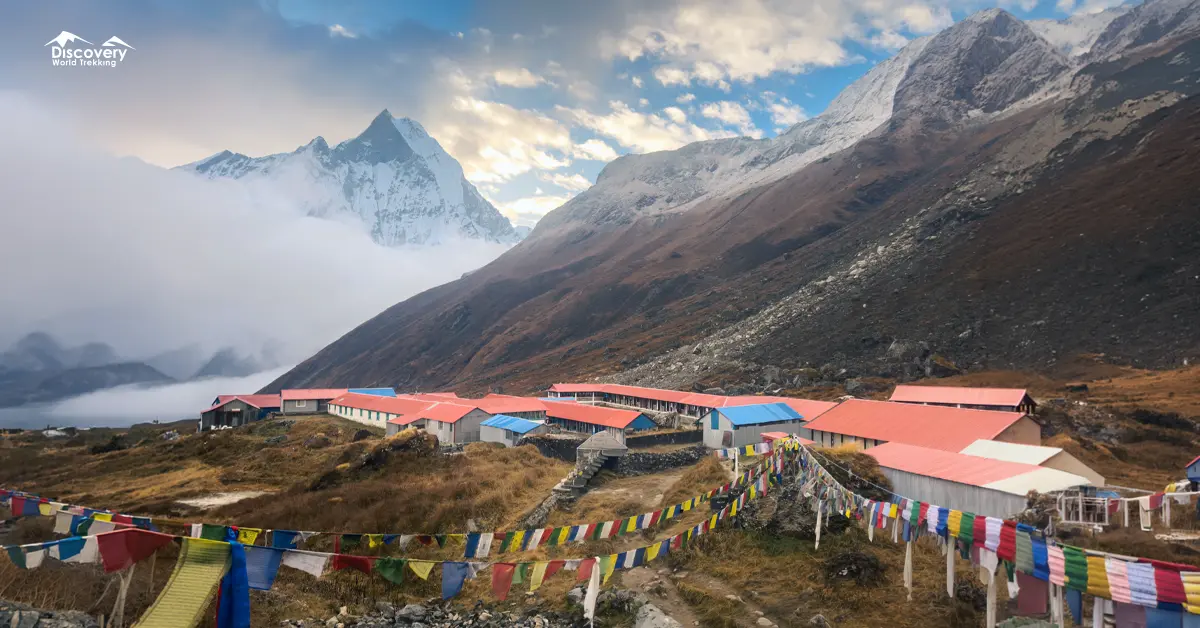
Annapurna Base Camp Trek accommodation is one of the first things every trekker wants to understand before setting out, and it's a fair question to ask.
We will walk you through exactly what accommodation to expect during the Annapurna Base Camp Trek.
Drawing on years of guiding trekkers of every experience level along this route, this guide provides every type of accommodation at different levels of elevation, amenities, costs, and insider tips.
Types of Accommodation on Annapurna Base Camp Trek
The Annapurna Base Camp trail is lined with a well-established network of places to stay. Broadly, you'll encounter four categories of accommodation on your way up to ABC and back down to Pokhara.
1. Hotels in Pokhara (Pre-Trek and Post-Trek)
Your trek technically begins and ends in Pokhara, and the hotels here are a different world entirely from anything you'll find on the trail.
Pokhara is a proper city with lodging that ranges from comfortable mid-range inns to genuine boutique hotels, most clustered around the lakeside area facing Phewa Lake.
Our trekkers typically stay at a property with private attached bathrooms, reliable hot water, and a proper mattress - the kind of place where you want to spend your last night before flying home, or your first night acclimatizing to Nepal after a long international flight.
2. Tea Houses
Tea houses are the backbone of the Annapurna Base Camp Trek. These are small, family-run lodges scattered through villages along the route, typically owned and operated by local Gurung or Magar families who have hosted trekkers for generations.
A tea house isn't a hotel in the Western sense - it's usually a simple two- or three-story stone or wood building with a handful of guest rooms upstairs and a large communal dining hall downstairs.
It is often built around a wood or gas heater where trekkers from around the world gather each evening to swap stories, warm their hands, and order another round of ginger tea.
Tea houses along the ABC route generally offer:
- Twin-sharing rooms with basic wooden beds, mattresses, pillows, and blankets
- A shared, heated dining hall that becomes the social hub of the evening
- Home-cooked meals ranging from Nepali staples to basic Western comfort food
- Squat or Western-style shared toilets, depending on elevation
- The most budget-friendly lodging option on the entire trek
3. Standard Lodges
As you move deeper into the Annapurna Sanctuary, you'll find standard lodges that sit somewhere between a basic tea house and a proper hotel.
The terms "guest house," "lodge," and "tea house" are used almost interchangeably by locals in this region, but generally a lodge offers a slightly more finished room, a marginally larger dining hall, and occasionally a wider food menu than a tea house.

Don't expect a dramatic upgrade here - you're still in the mountains - but the difference between a well-run lodge and a basic teahouse can mean the difference between a good night's sleep and a cold, restless one.
4. Luxury Hotels
In some easy-access and busy locations, you'll find luxury lodges that include rooms with attached bathrooms, thicker walls, and better bedding.
Normally, you will find these luxury hotels at a lower elevation.
As you ascend higher toward Machhapuchhre Base Camp and Annapurna Base Camp itself, this level of comfort becomes rare to nonexistent - the terrain, weather, and logistics of hauling building materials to 4,000+ meters simply don't allow for it.
Day-by-Day Accommodation on the ABC Trek
One of the things you will love about the Annapurna Base Camp Trek is how much the accommodation tells its own story of the journey. Here's exactly where you'll sleep each night on a standard ABC Trek.
| Day | Overnight Place | Tea House / Lodge | Accommodation Note |
|---|---|---|---|
| Day 1 | Pokhara | Silver Oaks Inn | Room with attached bathroom |
| Day 2 | Ulleri | Hotel Purnima | Room with attached bathroom |
| Day 3 | Ghorepani | Hotel Snow Land | Room with attached bathroom |
| Day 4 | Tadapani | Hotel Grand View Lodge | Standard lodge accommodation |
| Day 5 | Chomrong | Panorama View Hotel | Gateway to the Annapurna Sanctuary |
| Day 6 | Himalaya | Himalayan Guest House | High-altitude teahouse stay |
| Day 7 | Annapurna Base Camp | Hotel Paradise Garden Guest House | Final teahouse stop at ABC |
| Day 8 | Bamboo | Buddha Guest House | Return-route forest lodge stay |
| Day 9 | Jhinu Danda | Hotel Park Himalaya | Room with attached bathroom, near hot springs |
| Day 10 | Pokhara | Silver Oaks Inn | Room with attached bathroom |
| Day 11 | Kathmandu | - | Trek concludes, drive back to Kathmandu |
What Are the Rooms Like on the ABC Trek?
Let me set your expectations honestly, because this is where first-time trekkers are most often surprised.
Twin-Sharing Rooms Explained
The overwhelming majority of rooms along the ABC route are twin-sharing - two single beds in one small room, usually made of unfinished wood, with a thin mattress, a pillow, and a blanket provided.
The walls in many teahouses are thin plywood partitions rather than properly insulated walls. This isn't a design flaw; it's simply how lodges are built to keep costs low and construction practical at altitude.
Rooms are functional rather than decorative. You won't find a reading lamp on the nightstand or a rug on the floor.
What you will find is a dry, sheltered space to lay your head after a demanding day of trekking - and honestly, after long hours of trekking through the route, that's often all you need.
Room Quality and Pricing by Elevation Zone
Room quality and corresponding price shifts noticeably as you gain elevation. Here's what to expect at each stage of the trek.
| Elevation Zone | Main Villages | Altitude Range | Room Quality | Estimated Room Price |
|---|---|---|---|---|
| Lower Elevation | Pokhara, Ulleri, Ghorepani | 820 m – 2,860 m | Well-finished rooms, attached bathrooms common, some hotel-standard comfort | Standard: USD 10–40 / Hotel: USD 30–100+ |
| Mid Elevation | Tadapani, Chomrong, Sinuwa | 2,165 m – 2,630 m | Basic twin rooms, some attached bathrooms, thinner walls | Budget: USD 8–20 / Standard: USD 15–40 |
| High Elevation | Himalaya, Deurali, ABC | 2,890 m – 4,130 m | Very basic twin rooms, cold bedrooms, limited insulation, shared bathrooms only | Budget: USD 10–25 / Standard: USD 20–35 |
Toilet, Bathroom, and Shower Facilities
Bathroom quality on the Annapurna Basecamp Trek follows the same rule as everything else: the higher you trek, the more basic things become.
| Facility | Pokhara–Chomrong | Sinuwa–Himalaya | Deurali–ABC |
|---|---|---|---|
| Western Toilet | Common | Available in some lodges | Rare |
| Squat Toilet | Available | Common | Common |
| Attached Bathroom | Available in many lodges | Limited | Almost never |
| Shared Bathroom | Common | Common | Almost always |
| Running Water | Reliable | Usually available | Can freeze overnight |
| Hot Shower | Common, sometimes free, sometimes paid | Paid, gas or solar heated | Rare, often unavailable |
| Bucket Shower | Rarely needed | Sometimes offered | Possible, but often skipped |
| Toilet Paper Provided | Usually not | No | No |
Food and Drinks Facilities
If there's one thing that will surprise you about accommodation on this trek, it's how good the food is, even hundreds of meters above where a proper kitchen has any right to exist.
Every dining hall doubles as a restaurant, and the menus - while similar from lodge to lodge - offer a genuinely comforting variety after a long day on the trail.
| Food Category | Common Items |
|---|---|
| Nepali Meals | Dal bhat, vegetable curry, rice, lentil soup, pickles |
| Local Sherpa / Gurung Fare | Tibetan bread, thukpa, momos, noodle soup |
| Western Meals | Pasta, pizza, fried rice, pancakes, toast, eggs, fried potatoes |
| Breakfast | Porridge, omelet, boiled eggs, pancakes, muesli, Tibetan bread |
| Hot Drinks | Milk tea, black tea, ginger lemon honey, coffee, hot chocolate |
| Snacks | Biscuits, chocolate bars, crisps, energy bars |
| Desserts | Apple pie, pancakes, cake (mostly at lower elevation) |
Dal bhat - Nepal's staple rice, lentil soup, and curry combination - deserves special mention. It's the trekking world's favorite phrase for good reason: "Dal bhat power, 24 hour."
Most lodges offer free refills, and it's genuinely the best fuel for a long trekking day. I recommend it particularly at higher elevations, where vegetarian meals are generally the safer choice.
Electricity, Charging, and WiFi on ABC Trek
Most lodges along the ABC trekking trail have some form of electricity, whether from the grid, a generator, or solar panels, but don't expect a wall outlet in your room.
Charging is almost always centralized in the dining hall, and the price rises steadily the higher you go.
| Location / Zone | Charging Availability | Estimated Cost | Notes |
|---|---|---|---|
| Pokhara | Free | Included in hotel stay | No restrictions |
| Ulleri – Ghorepani | Common | USD 2 | Easy access at most lodges |
| Chomrong – Sinuwa | Available | USD 2–4 | Solar-dependent in some lodges |
| Himalaya – Deurali | Limited | USD 3–6 | Solar power dependent |
| Annapurna Base Camp | Very limited | USD 5–8+ | High demand, limited supply |
WiFi and Internet Availability
WiFi exists at most stops along the route, but "exists" is doing some heavy lifting in that sentence. Expect it to be slow, occasionally unreliable, and rarely free above Chomrong.
| Internet Option | Estimated Cost | Reliability |
|---|---|---|
| Hotel WiFi | Usually free | High |
| Lodge WiFi | USD 2–8 per session | Medium |
| Local SIM Data | Depends on the data package | Good lower down, weak higher up |
Extra Service Costs on ABC Trek
Beyond your accommodation costs, small extra costs add up quickly on any trek, and the Annapurna Base Camp is no exception.
| Extra Service | Lower Elevation Cost | Mid Elevation Cost | Near ABC |
|---|---|---|---|
| Hot Shower | USD 2–4 | USD 3–5 | USD 5–8 |
| Phone Charging | USD 1–2 | USD 2–4 | USD 5–8 |
| Power Bank Charging | USD 2–4 | USD 3–6 | USD 6–10 |
| WiFi | USD 2–5 | USD 3–8 | Often unavailable |
| Boiled Water / Liter | USD 1 | USD 1–2 | USD 2–3 |
| Bottled Water | USD 1 | USD 1–2 | USD 2–4 |
| Extra Blanket | Usually free | Free or small fee | Limited availability |
| Laundry | USD 2–5 per item | Limited | Usually unavailable |
Bring enough Nepali rupees in small denominations before you leave for your trek from Pokhara. ATMs disappear almost entirely once you're past Ghorepani, and card payments are essentially nonexistent on the trail.
How Does Accommodation Booking Work on the ABC Trek?
If you are trekking with an organized agency, you usually do not have to arrange tea house accommodation yourself. Your trekking company coordinates the accommodation and checks room availability according to the day's trekking plan.
This can be especially helpful during the busy spring and autumn seasons, when popular tea houses can fill up quickly. Local guides know the accommodation options along the trail and can arrange a suitable place based on availability, group size, and your daily itinerary.
If you are trekking independently, you can usually arrange accommodation directly with the tea houses. During busy periods, however, it is better not to rely too heavily on one particular lodge, as your preferred option may already be full.
The trekking plan can also change because of weather or trail conditions. If your itinerary changes, you may need to spend the night in a different village or lodge than originally planned.
What Happens If Teahouses Are Full on the ABC Trek?
Tea houses can get quite busy during the peak trekking seasons, especially in popular villages along the Annapurna Base Camp route. If the lodge you planned to stay at is full, your guide can usually help find another tea house nearby.
This is one of the advantages of having a local guide or trekking agency. Guides are familiar with the villages and local lodges and can look for alternative accommodation when availability changes.
The number of accommodation options also becomes smaller at higher elevations. During particularly busy periods, you may need to be flexible about the lodge, room type, or sleeping arrangement available.
It is also worth remembering that tea house accommodation is different from staying at a city hotel. Weather, trail conditions, and changes in the movement of trekking groups can affect plans, so a little flexibility is important on the ABC Trek.
Annapurna Base Camp Trek Accommodation by Season
The accommodation experience on the Annapurna Base Camp Trek can vary depending on the season. The basic type of accommodation remains similar, but the number of trekkers, weather, and room availability can make a noticeable difference.
Spring: March to May
Spring is one of the busiest seasons for trekking in the Annapurna region. Days are generally comfortable, and mountain views are often clear, but tea houses can become crowded, especially during March, April, and May.
Arranging accommodation in advance or trekking with an organized agency can make things easier during this period. Even though lower elevations can feel pleasant during the day, rooms at higher elevations can still be very cold at night.
Summer and Monsoon: June to August
The monsoon season brings frequent rain, particularly at the lower elevations of the Annapurna region. Since fewer trekkers travel during this period, tea houses are generally less crowded than during spring and autumn.
The main challenge is the wet weather, which can affect trail conditions and travel plans. Keeping your belongings protected from rain and allowing some flexibility in your itinerary can be helpful during this season.
Autumn: September to November
Autumn is another very popular time for the ABC Trek. The weather is generally favorable, with good mountain visibility and comfortable trekking conditions.
Because many trekkers choose this season, tea houses in popular villages can fill up quickly. Making accommodation arrangements early is particularly useful for groups or trekkers following a fixed itinerary.
Winter: December to February
Winter brings colder temperatures and the possibility of snow at higher elevations. Tea houses continue to operate along the main trekking route, but conditions are colder and accommodation can feel more basic.
Rooms at higher elevations can become very cold at night, so a warm sleeping bag and suitable winter clothing are particularly important. Snow and weather conditions can also affect the trekking schedule, making flexibility important during winter.
Accommodation Etiquette at Annapurna Base Camp Teahouses
- Tea houses are shared spaces used by trekkers, guides, porters, and local families. Being considerate of others is especially important after a long day on the trail when many people are resting or preparing for an early start.
- Keep noise to a minimum in the evening and avoid disturbing other guests. It is also important to follow the lodge's rules regarding the dining area, heating, charging facilities, and hot water.
- If you use a shared bathroom, leave it clean for the next person. Keep your belongings within your own room or designated area, and avoid wasting water or electricity, especially at higher elevations where these resources can be limited.
- The dining hall is a communal space, so being respectful toward other trekkers and lodge staff helps create a more pleasant atmosphere. Simple things like keeping the area tidy, following lodge rules, and being mindful of noise can make the stay more comfortable for everyone.
Tips for Staying Comfortable on ABC Trek
After years of leading treks through this exact route, here's what I tell every group before we leave Pokhara.
- Eat where you sleep.
Room rates on this trek stay low largely because lodges expect you to order breakfast and dinner from their kitchen. It's a fair, time-tested arrangement that supports the local family running the teahouse, and it keeps the whole system working for future trekkers too. - Bring a proper sleeping bag, even though blankets are provided.
Blankets at teahouses are usually enough at lower elevations, but once you're sleeping at Himalaya, Deurali, or ABC, a rated sleeping bag makes a genuine difference to your night's rest. - Pack a headlamp.
Electricity in the dining hall doesn't always extend to your room, and you'll want your hands free during the pre-dawn walk to catch sunrise views or a late-night bathroom trip. - Keep your gear organized.
Rooms are small, and there's rarely a proper wardrobe or shelf. A packing cube system or simply keeping your duffel zipped and tidy saves a lot of frustration in a cramped, dimly lit room. - Respect quiet hours in the dining hall and hallways.
Everyone on the trail is trying to rest for the next day's trek, particularly in the higher villages where altitude makes sleep harder to come by anyway. - Carry enough cash.
WiFi, hot showers, charging, and bottled drinks all cost extra, and card payment simply isn't an option once you leave Pokhara. - Charge your devices whenever you have the chance.
Don't wait until your battery is at 5% to look for an outlet - charging stations get crowded in the evening, especially at higher elevation lodges with limited solar capacity. - Don't expect luxury above Chomrong.
Himalaya, Deurali, and Annapurna Base Camp itself are remote, cold, and basic by design. Their value isn't in comfort - it's in the fact that they exist at all, tucked into one of the most dramatic mountain amphitheaters on Earth. - Book ahead during peak season.
March through May and September through November bring the busiest crowds to the Annapurna Sanctuary. Popular lodges in villages like Ghorepani and Chomrong can fill up quickly, so I always recommend trekking with an agency or guide who has existing relationships with lodge owners. - Trust your guide's lodge recommendations.
Local guides know which teahouses have reliable food, cleaner rooms, and warmer dining halls - that local knowledge can meaningfully improve your experience without adding cost. - Stay flexible.
Weather, trail conditions, and lodge availability can shift your plans at short notice in the mountains. A relaxed, adaptable mindset makes the whole teahouse experience far more enjoyable.
Is Annapurna Base Camp Trek Accommodation Comfortable?
At lower elevations, particularly in Pokhara, Ulleri, and Ghorepani, accommodation is genuinely pleasant with attached bathrooms, decent beds, and varied menus.
Once you pass Chomrong and enter the Annapurna Sanctuary proper, the lodges at Sinuwa, Himalaya, Deurali, and Annapurna Base Camp become noticeably simpler - shared bathrooms, thinner walls, colder rooms, and higher prices for basic services like charging and WiFi.
That said, comfort on a trek like this is relative.
After a full day of trekking through rhododendron forest, crossing suspension bridges, and gaining hundreds of meters of elevation, even a modest twin room with a working blanket and a hot bowl of dal bhat waiting downstairs feels like luxury.
The lower-altitude comfort of Pokhara and Ghorepani is real, and so is the stripped-back simplicity near Annapurna Base Camp - both are part of what makes this trek such a complete, memorable journey.
If you pack properly and set your expectations before you leave, you'll find that Annapurna Base Camp Trek accommodation gives you exactly what you need, exactly where you need it.
FAQs
Where do trekkers stay on the Annapurna Base Camp Trek?
Trekkers stay in hotels, guest houses, lodges, and tea houses located in villages along the route from Pokhara to Annapurna Base Camp. On this itinerary, overnight stops include Pokhara, Ulleri, Ghorepani, Tadapani, Chomrong, Himalaya, Annapurna Base Camp itself, Bamboo, and Jhinu Danda before returning to Pokhara.
Are tea houses available along the entire ABC route?
Yes. Tea houses and lodges are available at every overnight stop on the standard Annapurna Base Camp Trek itinerary. Facilities become progressively more basic as you trek from Ghorepani toward the Sanctuary, then improve again as you descend through Bamboo and Jhinu Danda.
Do Annapurna Base Camp Trek lodges have attached bathrooms?
Some do, particularly at lower elevations. On this itinerary, rooms with attached bathrooms are available at Silver Oaks Inn in Pokhara, Hotel Purnima in Ulleri, Hotel Snow Land in Ghorepani, Panorama View Hotel in Chomrong, and Hotel Park Himalaya in Jhinu Danda. Above Chomrong, shared bathrooms become the norm.
Do teahouses provide blankets?
Most teahouses provide at least one blanket per bed, but I strongly recommend carrying a proper sleeping bag as well, particularly for the nights spent at Himalaya, Deurali, and Annapurna Base Camp, where temperatures drop well below freezing overnight.
Is WiFi available at Annapurna Base Camp?
WiFi is occasionally available near Annapurna Base Camp, but it's unreliable, often slow, and sometimes unavailable altogether depending on weather and solar charging conditions. Trekkers shouldn't rely on it for anything beyond an occasional message home.
Do lodges near Annapurna Base Camp have hot showers?
Some do, but availability is inconsistent, and showers are often cold or lukewarm due to the altitude and limited water heating capacity. I recommend packing wet wipes and a quick-dry towel for the final stretch of the trek, particularly your nights at Himalaya and Annapurna Base Camp itself.
Plan Smarter, Trek Better
Connect with our local expert for honest recommendations, personalised guidance, and insider tips to make every step of your adventure count.


Get our free Nepal travel guide filled with expert insights, local tips, and essential planning advice.