

Annapurna Circuit Trek in December
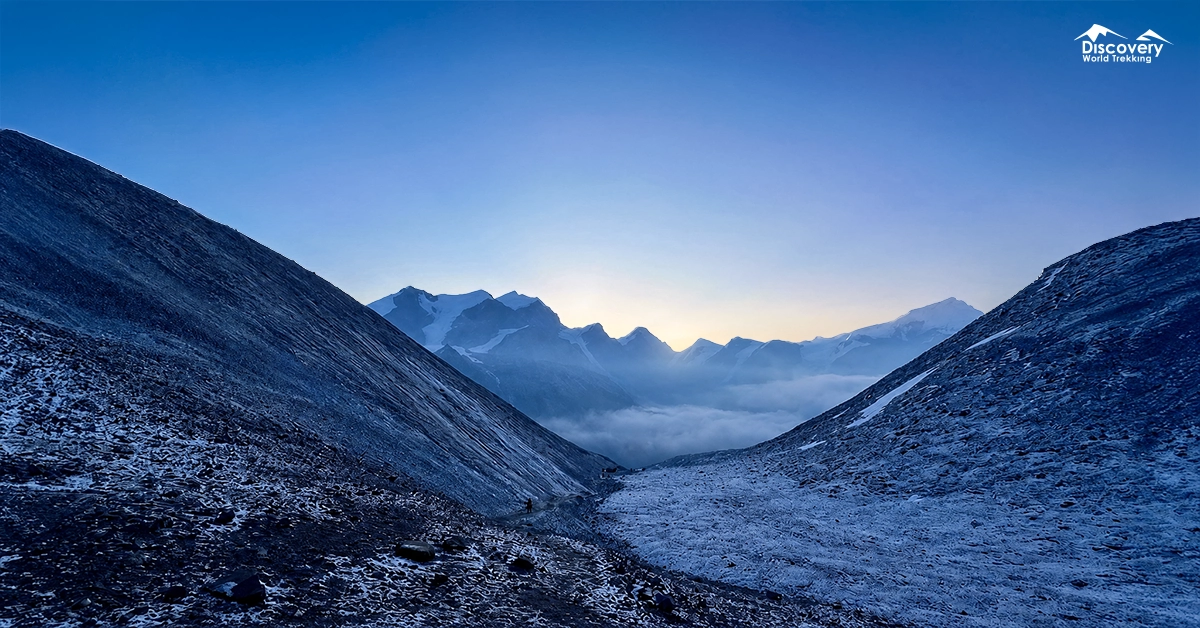
The Annapurna Circuit Trek in December is a rewarding winter journey for trekkers who are comfortable with freezing temperatures, snow-covered trails, and flexible travel plans.
December normally brings dry air, clear mountain views, quiet villages, and fewer trekkers than the main autumn season. Lower sections remain comparatively mild, while conditions above 3,500 metres become distinctly wintry.
A successful December trek depends on proper acclimatization, reliable winter equipment, an experienced guide, and current information about Thorong La Pass.
Early December generally offers the most manageable conditions, while late December provides deeper winter scenery and greater solitude.
Is December a Good Time for the Annapurna Circuit Trek?
Yes, December is a good time for the Annapurna Circuit when trekkers are properly equipped and prepared to adjust the itinerary around snow conditions.
December falls within Nepal's dry winter period. Clear mornings frequently provide sharp views of the Annapurna, Dhaulagiri, Manaslu, Chulu, and Pisang ranges.
December Is Best for Prepared Winter Trekkers
Trekkers who enjoy quiet trails, crisp photography conditions, and uncrowded teahouses often find December especially satisfying.
The cold is manageable below 3,000 metres with a good layering system, but insulated clothing becomes essential around Manang, Yak Kharka, Ledar, and High Camp.
The month is less suitable for rigid schedules. A reserve day allows the guide to delay the high-pass crossing when fresh snow, strong wind, or poor visibility affects the upper trail.
Early December Provides the Widest Weather Window
The first half of December usually resembles a colder extension of late autumn. Trails may remain largely dry below Manang, while shaded areas hold frost and thin ice.
As the month progresses, snow becomes more likely around Thorong Phedi, High Camp, and Thorong La. Later departures can still succeed, but they require better winter equipment and greater itinerary flexibility.
| Factor | December Conditions |
| Weather | Mostly dry, sunny, and cold, with occasional winter systems bringing snow |
| Mountain views | Frequently clear, especially during calm mornings |
| Trail conditions | Dry or frosty at lower elevations; snow and ice increasingly likely above 3,500 metres |
| Crowds | Low, creating quieter trails and more peaceful villages |
| Accommodation | Available in larger settlements; choices may be limited at smaller high-altitude stops |
| Thorong La Pass | Sometimes crossable, depending on recent snow, wind, visibility, and trail-breaking conditions |
| Difficulty | Challenging because of cold, shorter daylight, altitude, and possible snow |
| Best for | Experienced trekkers, photographers, small guided groups, and travelers seeking solitude |
Annapurna Circuit Weather in December
December weather is generally dry and clear, but temperatures change sharply with elevation, shade, wind, and time of day.
Official winter monitoring shows that Himalayan minimum temperatures can remain below 3°C and fall below −9°C in colder mountain areas. Jomsom observations also demonstrate large differences between sunny daytime temperatures and freezing nights.
The following figures are practical planning ranges rather than daily forecasts. Temperatures can fall lower during a cold wave or immediately after snowfall.
Early December Weather
Early December normally provides the mildest winter conditions and the best chance of finding the upper trail before substantial snow accumulation.
Sunny lower valleys may feel comfortable while walking. Nights become cold from Dharapani onward, and water left outside can begin freezing around Pisang and Manang.
| Elevation level | Elevation | Average daytime temperature | Average nighttime temperature |
| Lower valleys | 800–1,500 m | 14°C to 20°C | 4°C to 9°C |
| Middle elevations | 1,800–2,700 m | 8°C to 15°C | −3°C to 3°C |
| Upper Manang Valley | 3,300–3,600 m | 3°C to 9°C | −9°C to −3°C |
| High alpine zone | 4,000–4,900 m | −2°C to 5°C | −14°C to −7°C |
| Thorong La zone | Around 5,416 m | −10°C to −3°C | −19°C to −12°C |
Mid-December Weather
Mid-December remains suitable for winter trekking, although frost, frozen water, and hard-packed snow become more common at higher elevations.
Afternoon shade causes temperatures to fall quickly in narrow valleys. Trekkers should complete longer walking days early enough to reach the lodge before the sun disappears behind surrounding ridges.
| Elevation level | Elevation | Average daytime temperature | Average nighttime temperature |
| Lower valleys | 800–1,500 m | 13°C to 19°C | 3°C to 8°C |
| Middle elevations | 1,800–2,700 m | 7°C to 13°C | −5°C to 1°C |
| Upper Manang Valley | 3,300–3,600 m | 1°C to 7°C | −11°C to −5°C |
| High alpine zone | 4,000–4,900 m | −4°C to 3°C | −16°C to −9°C |
| Thorong La zone | Around 5,416 m | −12°C to −5°C | −21°C to −14°C |
Late December Weather
Late December delivers the strongest winter atmosphere, with colder mornings and a greater possibility of snow above Manang.
Clear days can still be excellent for trekking. However, High Camp, Thorong La, and the descent toward Muktinath may hold firm snow or ice for longer after a storm.
| Elevation level | Elevation | Average daytime temperature | Average nighttime temperature |
| Lower valleys | 800–1,500 m | 11°C to 18°C | 2°C to 7°C |
| Middle elevations | 1,800–2,700 m | 5°C to 12°C | −7°C to 0°C |
| Upper Manang Valley | 3,300–3,600 m | −1°C to 5°C | −13°C to −6°C |
| High alpine zone | 4,000–4,900 m | −6°C to 1°C | −18°C to −11°C |
| Thorong La zone | Around 5,416 m | −15°C to −7°C | −24°C to −16°C |
Average Temperature in December
Trail Conditions Along the Annapurna Circuit in December
December trail conditions change from frost-covered forests in the lower valley to snow, wind, and hard ice near Thorong La.
Bhulbhule to Dharapani
The lower approach is normally open, with occasional frost on shaded stones and bridges.
The trail passes cultivated terraces, river corridors, waterfalls, rock-cut paths, and forested slopes. Morning frost can make stone steps and wooden bridge surfaces slippery, but daytime sunshine generally softens or dries exposed sections.
Light gloves are useful from the first morning because river valleys remain cool before direct sunlight reaches them.
Dharapani to Chame
This forested section is usually walkable, although frozen seepage can create small ice patches.
Dense pine, fir, oak, and maple forest keeps parts of the trail shaded. Water flowing across the path may freeze overnight, particularly near Danaqyu and on the climb toward Timang.
Trekking poles provide useful balance, while waterproof boots keep feet warm when crossing damp or partially frozen ground.
Chame to Manang
The trail becomes colder, drier, and more exposed as it enters the upper Manang Valley.
Around Bhratang and Dhukur Pokhari, frost can remain in the forest well into the morning. The open terrain near Pisang, Ghyaru, and Ngawal receives more sunlight but is exposed to cold wind.
The upper route through Ghyaru and Ngawal offers valuable acclimatization because it climbs higher before descending toward Manang. It should be selected only when the trail is clear and the group is moving comfortably.
Manang to Thorong High Camp
This is the section where winter preparation becomes essential.
The trail through Tenki, Ghunsang, Yak Kharka, Ledar, and Thorong Phedi may contain hard-packed snow, windblown drifts, and frozen stream crossings. Above 4,000 metres, the combination of altitude and cold naturally reduces walking speed.
Some small high-altitude lodges operate with limited rooms or menus during winter. Accommodation should therefore be confirmed locally before leaving Manang.
Thorong La Pass to Muktinath
The Thorong La crossing is possible only when the trail, visibility, snow depth, and wind are suitable.
Guides normally collect information from lodge owners, other trekking groups, and contacts on both sides of the pass. There is no benefit in forcing a crossing during unsuitable conditions; waiting for a stable morning creates a safer and more enjoyable experience.
Microspikes, trekking poles, insulated gloves, and a warm headlamp-compatible hat are valuable. The long descent toward Muktinath places additional pressure on the knees, particularly when snow hides loose gravel.
Muktinath to Jomsom and Beyond
The western side is generally drier, sunnier, and windier because it lies within the Himalayan rain shadow.
Trails and roads around Kagbeni and Jomsom may be dusty rather than snowy, although shaded sections can retain ice. Winds commonly strengthen later in the day, making an early start more comfortable.
The route can continue toward Tatopani, Ghorepani, and Poon Hill, as described in the reference itinerary. These lower sections become milder, with forests replacing the dry Mustang landscape.
Tilicho Lake in December
You can do the trek to Tilicho Lake with Annapurna Circuit in December, but it should be treated as a condition-dependent winter extension rather than a guaranteed side trip.
The lake may be partly or fully frozen, creating an impressive high-altitude winter landscape. However, the approach beyond Khangsar crosses steep, exposed slopes where snow and ice can cover the narrow path.
Teahouse services near Tilicho Base Camp may be limited, and fresh snow can make the final climb difficult to follow. December visitors should travel with a guide familiar with the current route, carry traction equipment, and confirm lodge operations before leaving Manang.
When the Tilicho trail is unsuitable, acclimatization hikes near Manang provide flexible alternatives without disrupting the main circuit schedule.
Popular Festival in December
Tamu Lhosar is the most culturally relevant December festival for travelers visiting the Annapurna region.
Tamu Lhosar marks the Gurung New Year and is celebrated on the fifteenth day of the Nepali month of Poush, normally near the end of December.
The festival follows the Gurung animal-year cycle and includes family gatherings, blessings, traditional clothing, music, dancing, and special meals.
The Gurung community has deep cultural connections with the wider Annapurna region. Public celebrations are generally more visible in Pokhara and Kathmandu, while village observances may be smaller and family-centered.
Trekkers present during a local celebration should ask before photographing ceremonies or people in traditional dress. A respectful greeting and interest in the meaning of the festival are usually appreciated more than treating the occasion as a staged attraction.
Flora and Fauna Seen in December
December reveals evergreen forests, hardy alpine vegetation, winter birds, and high-altitude mammals adapted to the Annapurna landscape.
The Annapurna Conservation Area supports exceptional biodiversity across its subtropical valleys, temperate forests, alpine pastures, and trans-Himalayan terrain.
Current conservation records list more than 1,800 plant species, over 120 mammals, and more than 500 bird species across the protected area.
Below Chame, trekkers pass oak, maple, pine, fir, alder, bamboo, and rhododendron forests. Rhododendrons do not bloom in December, but their evergreen leaves remain visible among moss-covered trunks and winter undergrowth.
Around Chame and Pisang, blue pine and Himalayan cedar become more prominent. Above Manang, vegetation changes to juniper, dwarf shrubs, dry grasses, thorny alpine plants, and wind-shaped bushes.
Possible December wildlife sightings include:
- Himalayan monal and blood pheasant in forested areas
- Lammergeier, Himalayan griffon, and golden eagle above open valleys
- Blue sheep on rocky slopes around the upper Manang Valley
- Pika and other small alpine mammals near stone fields
- Musk deer in quieter forest zones
- Himalayan tahr on steep, less-disturbed slopes
Snow leopards occur within the conservation area, but sightings are exceptionally rare. Blue sheep tracks, bird calls, feathers, and paw prints in fresh snow are more realistic wildlife observations.
Annapurna Circuit Packing List for December
| Category | Essential items |
| Base layers | Two moisture-wicking tops, thermal leggings, trekking underwear |
| Insulation | Fleece or light synthetic jacket and a warm down jacket |
| Outer protection | Waterproof shell jacket, waterproof trousers, wind-resistant trekking pants |
| Footwear | Waterproof trekking boots, warm socks, gaiters, camp shoes |
| Traction | Microspikes; technical crampons only when recommended by the guide |
| Head and hands | Warm hat, sun cap, neck gaiter, liner gloves, insulated outer gloves |
| Sleeping | Sleeping bag rated around −15°C to −20°C, depending on personal cold tolerance |
| Trail equipment | Trekking poles, headlamp, spare batteries, backpack rain cover |
| Sun protection | Category 3 or 4 sunglasses, sunscreen, lip balm |
| Hydration | Insulated bottle or thermos, reusable bottle, purification method |
| Electronics | Power bank, charging cables, protective battery pouch |
| Personal items | Toiletries, quick-dry towel, hand sanitizer, personal medicines and first-aid supplies |
| Documents | Passport copies, insurance details, permits, emergency contacts and sufficient cash |
Keep batteries, a phone, and a water filter close to the body during very cold mornings. Cold drains batteries quickly, while some filter cartridges can be damaged if water freezes inside them.
Safety Tips for Trekking in December
Safe December trekking depends on acclimatization, reliable local updates, warm equipment, and patient decision-making.
Recognize Altitude Symptoms Early
Headache, nausea, unusual fatigue, poor coordination, or worsening breathlessness should be discussed immediately with the guide. Continuing upward is never the correct response to worsening symptoms.
Maintain Steady Hydration
The Himalayan Rescue Association recommends approximately three to four litres of fluids daily, including water, soup, and hot drinks. Alcohol and sedatives should be avoided at altitude because they can reduce effective breathing.
Start Early with a Realistic Pace
Winter daylight is limited, but leaving before the trail is assessed can be counterproductive. Follow the guide’s departure time and stay together around the pass.
Carry at Least One Reserve Day
A buffer allows the group to wait for clearer weather without compressing acclimatization or rushing the pass.
Purchase Appropriate Insurance
The policy should cover trekking above 5,416 metres, emergency evacuation, medical treatment, and delays related to mountain conditions.
FAQs
Can beginners complete the Annapurna Circuit Trek in December?
Beginners with strong fitness and previous multi-day hiking experience may complete it with a licensed guide and flexible schedule. First-time high-altitude trekkers should choose early December, preserve the Manang acclimatization day, and avoid adding demanding side trips without adequate recovery time.
How cold is the Annapurna Circuit in December?
Lower sections can reach approximately 11°C to 20°C during sunny days. Night temperatures around Manang commonly fall well below freezing, while High Camp and Thorong La can experience temperatures below −15°C during colder periods.
Are teahouses open on the Annapurna Circuit in December?
Many teahouses remain open in major settlements such as Dharapani, Chame, Pisang, Manang, Muktinath, and Jomsom. Choices may be smaller around Yak Kharka, Ledar, Thorong Phedi, and High Camp, so winter groups should confirm rooms before moving upward.
Plan Smarter, Trek Better
Connect with our local expert for honest recommendations, personalised guidance, and insider tips to make every step of your adventure count.

Get our free Nepal travel guide filled with expert insights, local tips, and essential planning advice.