
Manaslu Circuit Trek in November
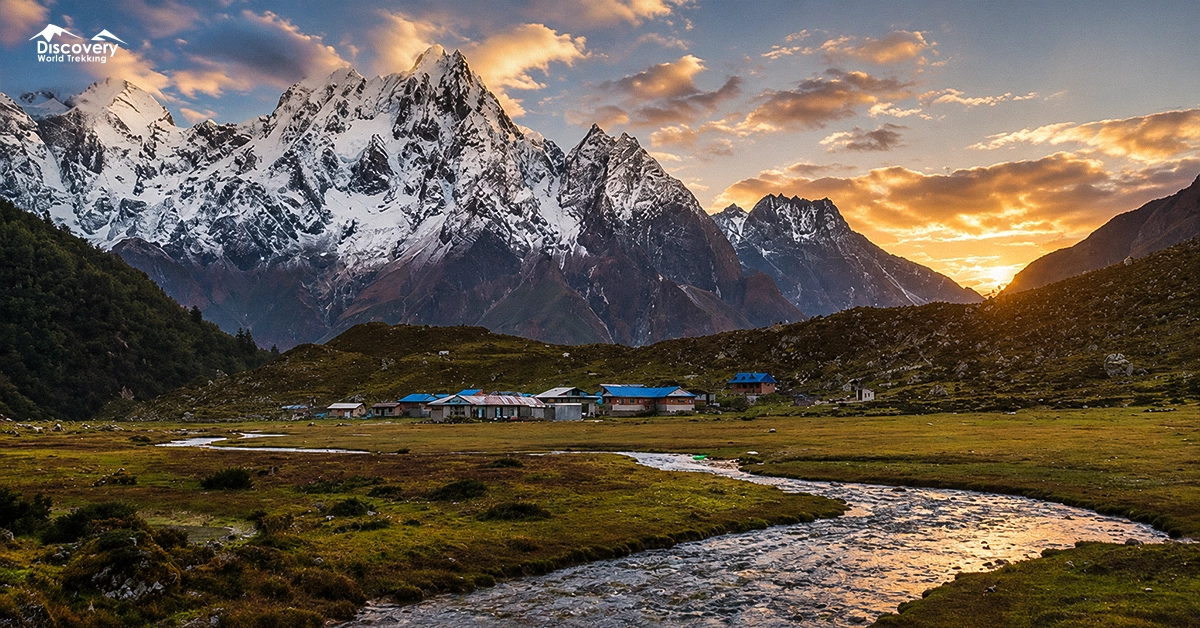
The Manaslu Circuit Trek in November takes place during the final month of Nepal's autumn trekking season. The weather is generally dry, the skies are clear, and mountain visibility remains excellent.
Lower sections of the trail stay comfortable during the day, while temperatures become much colder around Samagaun, Samdo, Dharamsala, and Larkya La.
November is also quieter than October. Fewer trekkers remain on the trail as temperatures drop, especially during the second half of the month.
The first few weeks usually offer stable conditions for crossing Larkya La, while late November brings a greater chance of snow, ice, and very cold nights at higher elevations.
Why Trek the Manaslu Circuit in November?
Manaslu Circuit Trek in November offers clear skies, dry trails, and excellent mountain visibility. The monsoon is long gone, and the heavy autumn crowds of October begin to decrease.
The lower sections remain comfortable for walking during the daytime. The forests and hills retain some of their autumn colors, while the higher landscape becomes increasingly alpine and snow-covered.
Mountain views are one of the biggest attractions. Clear skies can provide sharp views of Manaslu, Himalchuli, Ganesh Himal, and the surrounding peaks.
Another advantage is the quieter trail. Early November can still be relatively busy, but the number of trekkers generally decreases as the month progresses. Teahouses also become less crowded, particularly after the first few weeks.
The main challenge is the cold. Temperatures drop quickly after sunset, and the higher sections can become extremely cold. Late November also requires more attention to snow and ice around Larkya La.
Manaslu Circuit Trek Weather in November?
November is generally dry, clear, and cold on the Manaslu Circuit. Rainfall is minimal, and long periods of clear weather are common.
The temperature depends heavily on elevation. Lower sections around Machha Khola and Jagat remain relatively mild during the day, while Namrung and Samagaun become much colder.
The biggest change occurs above Samdo. Dharamsala and Larkya La can experience freezing temperatures, strong winds, and snowfall, especially later in the month.
Early November Weather
Early November still feels like late autumn. The lower valleys remain comfortable during the day, while the mornings and evenings become colder.
The skies are generally clear, and mountain visibility is excellent. Higher elevations are already cold, but Larkya La usually remains in good trekking condition when there has been no recent snowfall.
| Elevation Zone | Day Temperature | Night Temperature | Weather |
| Lower elevations | 15–20°C | 8–12°C | Mild, dry, mostly clear |
| Middle elevations | 8–15°C | 0–5°C | Cool, dry, clear |
| High elevations | 0–7°C | -10 to -4°C | Very cold, mostly clear |
Mid-November Weather
By mid-November, temperatures become noticeably colder, especially above 3,000 meters. Days can still be sunny and suitable for walking, but mornings require warm layers.
The skies remain clear, and mountain visibility is generally excellent. Nights around Samagaun and Samdo can fall well below freezing.
Larkya La remains accessible under normal conditions, but cold, wind, and occasional snowfall need to be considered before crossing.
| Elevation Zone | Day Temperature | Night Temperature | Weather |
| Lower elevations | 13–19°C | 6–10°C | Mild, dry, clear |
| Middle elevations | 7–13°C | -2–4°C | Cold, dry, clear |
| High elevations | -2–5°C | -12 to -6°C | Very cold, possible snow |
Late November Weather
Late November marks the approach of winter. The lower valleys can still have pleasant sunny days, but temperatures fall significantly after sunset.
At higher elevations, snow and ice become more likely. Fresh snowfall around Larkya La can make the crossing slower and more demanding, while icy sections may require additional traction.
Mountain visibility can remain excellent when the weather is clear, but the cold becomes the main challenge.
| Elevation Zone | Day Temperature | Night Temperature | Weather |
| Lower elevations | 10–18°C | 4–9°C | Cool, dry, mostly clear |
| Middle elevations | 5–11°C | -4–1°C | Cold, dry, clear |
| High elevations | -5–3°C | -15 to -8°C | Very cold, possible snow and ice |
Average Temperature in November
Trail Conditions of Manaslu Circuit Trek during November
November generally provides dry and firm trails across the lower and middle sections. The main change occurs at higher elevations, where cold temperatures can create icy sections and snowfall becomes more likely toward the end of the month.
Machha Khola to Philim
The trail from Machha Khola to Philim is usually dry and comfortable in November. The mud and slippery conditions associated with the monsoon are largely gone.
The lower valley remains relatively warm during the day, making this section pleasant for walking. The forests also retain some greenery and autumn color.
Rain is uncommon, but you should still carry a waterproof layer because weather can change unexpectedly.
Philim to Namrung
The trail from Philim to Namrung is generally firm and dry in November. Stone steps, forest paths, and rocky sections provide much better footing than during the monsoon.
The temperature becomes cooler as you gain elevation. Mornings can feel cold, but sunny daytime conditions usually make walking comfortable.
Clear weather also improves views through the forest openings and from higher sections of the trail.
Namrung to Samagaun
The section from Namrung to Samagaun is one of the most scenic parts of the trek in November. Clear skies provide better views of Manaslu and the surrounding peaks.
The trail remains dry, but temperatures become noticeably colder. Frost can appear during the morning around higher villages.
As you approach Samagaun, the landscape becomes more open and alpine. You should keep your warm layers accessible because temperatures can drop quickly once the sun disappears.
Samagaun to Larkya La Pass
This is the coldest and most demanding section of the November trek. The trail from Samagaun through Samdo and Dharamsala leads into increasingly exposed terrain.
Dharamsala becomes extremely cold at night. The final climb toward Larkya La requires an early start, warm clothing, and careful attention to trail conditions.
During the first part of November, the pass is generally more likely to remain dry and accessible. Later in the month, fresh snow and ice become increasingly possible, so your guide should check current conditions before the crossing.
How difficult is it to trek Manaslu Circuit in November?
The Manaslu Circuit Trek in November is physically demanding mainly because of altitude and cold.
The dry trails make walking easier than during the monsoon months. Mud, leeches, and persistent rain are generally no longer major concerns.
However, the temperature becomes a serious factor above 3,000 meters. Cold mornings, freezing nights, and possible snow around Larkya La require proper preparation.
The pass itself reaches 5,106 meters, so altitude remains an important challenge. You should be comfortable walking for 5–8 hours a day and climbing steep sections over several consecutive days.
Late November can be more difficult than early November because snow and ice may affect the higher trail.
How to Prepare for Manaslu Circuit Trek in November?
November preparation should focus heavily on cold-weather clothing and high-altitude conditions.
Train with regular uphill and downhill hikes before your trek. Include longer walks so you can comfortably manage several hours of walking each day.
Layering is important because temperatures can change considerably between the lower valleys and the high camps. A warm base layer, fleece, down jacket, gloves, and warm hat are essential.
Your sleeping bag is particularly important. Nights around Samagaun, Samdo, and Dharamsala can become extremely cold, especially later in November.
If you plan to trek after the middle of the month, consider carrying microspikes or other suitable traction equipment in case snow or ice develops around the pass.
Where to stay during November?
Teahouses remain available throughout most of November, although the number of trekkers decreases as the month progresses.
Early November can still be busy because it overlaps with the end of the main autumn trekking period. By mid- and late November, accommodation becomes quieter.
Dharamsala is particularly important because it has limited accommodation. Conditions can also become more seasonal toward the end of November, so confirm availability before starting a late-month trek.
A warm sleeping bag is essential. Rooms at higher elevations are not designed to provide the same warmth as accommodation at lower elevations.
What Food to eat during November?
November's cold weather makes warm and filling meals especially useful.
Dal bhat remains one of the most practical choices because it provides carbohydrates, protein, and enough energy for long walking days.
You can also eat noodles, pasta, potatoes, eggs, Tibetan bread, porridge, and soups. Hot soup and tea are particularly useful after walking in cold conditions.
Drink enough safe water throughout the day. Cold weather can reduce your sense of thirst, but you still lose fluids through breathing, sweating, and physical activity.
Flora and Fauna in November
November brings a noticeable seasonal change to the Manaslu landscape. The lush greenery of the monsoon months begins to fade, while lower and middle elevations develop more autumn colors.
The forests become quieter as temperatures drop. Higher elevations have little vegetation, with rocky terrain and alpine landscapes becoming dominant around Samdo and Dharamsala.
Birds and other wildlife can still be seen in the lower forest sections, but sightings become less predictable as the weather gets colder.
Leeches are generally no longer a major concern because the trails are dry and the monsoon has ended.
Popular Festivals and Occasions in November
November can coincide with Tihar, Nepal's festival of lights. The exact dates change each year according to the lunar calendar.
Tihar is celebrated with oil lamps, candles, decorations, and family gatherings. Depending on the year, the festival can fall during the early part of November.
Other local religious and cultural events may also take place during the month. The exact timing varies, so check the Nepali calendar for the year of your trek.
The festival atmosphere can be particularly noticeable in the lower villages, where homes and community spaces are decorated with lights and traditional designs.
What to pack for Manaslu Circuit Trek in November?
Your November packing list should focus on cold protection, especially for the upper sections.
- Warm base layers
- Fleece jacket
- Down jacket
- Waterproof and windproof trekking jacket
- Warm trekking trousers
- Thermal leggings
- Warm trekking socks
- Waterproof trekking boots
- Warm hat
- Insulated gloves
- Neck gaiter or buff
- Warm sleeping bag
- Trekking poles
- Microspikes for late November conditions
- Sunglasses
- Sunscreen
- Headlamp with spare batteries
- Water purification tablets or filter
- Reusable water bottle
- Personal first-aid kit
- Regular medication
- Power bank
- Waterproof backpack cover
- Small towel
- Gaiters for snow or icy sections
Do not pack only for the comfortable daytime temperatures in the lower valley. The equipment you need at Dharamsala and Larkya La is much warmer than what you need at Machha Khola.
Useful Tips for trekking Manaslu Circuit in November
- Choose early or mid-November for more reliable high-altitude conditions. Late November brings a greater chance of snow and ice.
- Prepare seriously for the cold. Temperatures can fall well below freezing at higher elevations.
- Start early for Larkya La. The crossing is long and the morning temperatures are extremely cold, but early starts provide more daylight for the descent.
- Check pass conditions before crossing. Do not assume the trail will remain snow-free throughout November.
- Carry microspikes for late November. Ice can develop on shaded or snowy sections.
- Use proper layering. Lower valleys can feel mild while the upper sections are freezing.
- Protect your water from freezing. Keep your bottle inside your jacket or sleeping bag at high camps when necessary.
- Stay hydrated. Cold weather can reduce your natural thirst.
- Book Dharamsala accommodation ahead of time. The lodge options are limited.
- Expect fewer trekkers after mid-November. Trail traffic decreases as temperatures fall.
- Carry a warm sleeping bag. A lightweight summer sleeping bag is not suitable for the high camps.
- Keep your hands and feet warm. Cold fingers and toes can become a serious problem during the pass crossing.
- Check local weather before the pass day. A fresh snowfall can change the trail conditions quickly.
- Keep a buffer day for late November. Snow or poor weather may delay the Larkya La crossing.
- Expect excellent mountain visibility. Clear, dry weather can provide some of the sharpest views of the year.
FAQs
Is it safe to trek Manaslu Circuit in November?
The Manaslu Circuit Trek can be undertaken in November, and the first part of the month generally offers dry and stable conditions. However, temperatures become very cold at higher elevations.
Late November brings a greater possibility of snow and ice around Larkya La. You should trek with a licensed guide who can check current weather and trail conditions before the pass crossing.
Is the Manaslu Circuit Trek suitable for beginners in November?
The Manaslu Circuit is a demanding high-altitude trek, and November adds significant cold at higher elevations.
Beginners can undertake the trek with proper physical preparation, gradual acclimatization, suitable cold-weather equipment, and an experienced guide. Early November is generally easier to manage than the colder final weeks of the month.
Are the mountains in the Manaslu Circuit visible in November?
November generally offers excellent mountain visibility. The monsoon has ended, humidity is low, and clear skies are common.
Manaslu and the surrounding peaks can be clearly visible from several sections of the route, particularly around Namrung, Lho, Shyala, and Samagaun.
Does it rain on the Manaslu Circuit in November?
Rainfall is generally very low in November. Most days are dry, and clear skies are common.
Occasional precipitation can still occur, particularly when weather changes move through the mountains. At higher elevations, this precipitation can fall as snow rather than rain.
Plan Smarter, Trek Better
Connect with our local expert for honest recommendations, personalised guidance, and insider tips to make every step of your adventure count.


Get our free Nepal travel guide filled with expert insights, local tips, and essential planning advice.