
Manaslu Circuit Trek in September
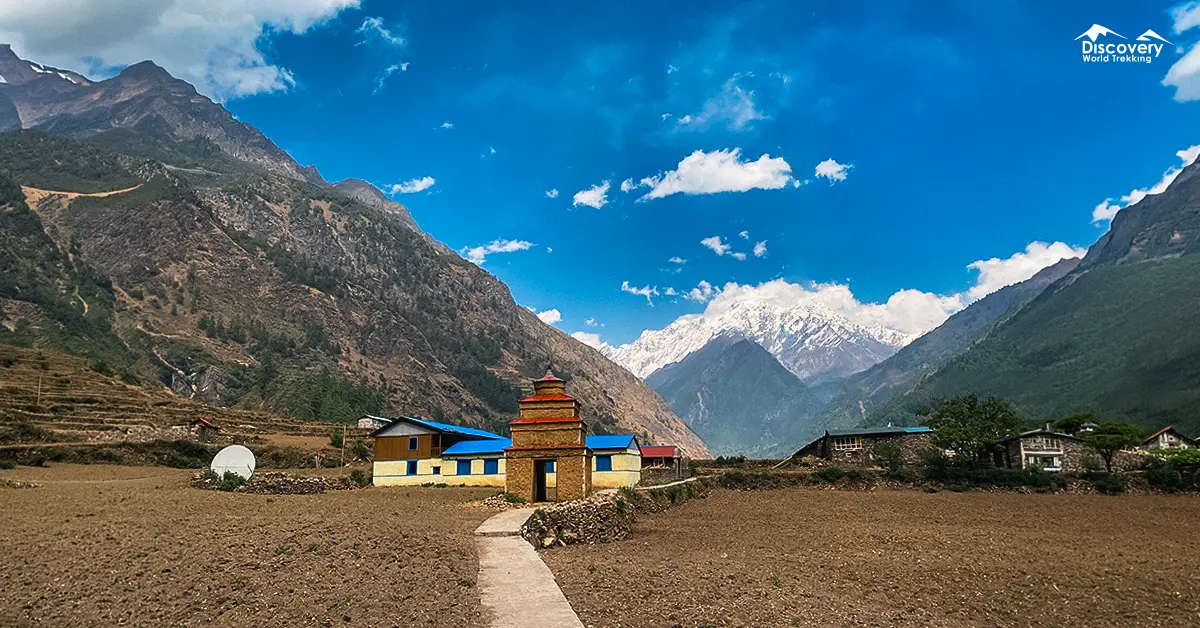
The Manaslu Circuit Trek in September marks the transition from Nepal's monsoon season to autumn.
Early September can still bring rain, muddy trails, swollen streams, and cloudy mountain views, especially in the lower Budhi Gandaki Valley. As September progresses, rainfall gradually decreases, trails begin to dry, and clearer skies become more common.
Why Trek the Manaslu Circuit in September?
Manaslu Circuit Trek in September offers a gradual transition between the wet monsoon and the dry autumn trekking season. This makes the month quite different from June, July, or August.
The first few weeks can still feel wet, particularly at lower elevations. By late September, however, the weather generally becomes more stable, the trails become firmer, and mountain views improve.
The landscape also remains green after the monsoon. Waterfalls and streams still carry plenty of water, while the forests and hills look fresh.
September can also be quieter than the busiest autumn period. Early September usually sees fewer trekkers, while the number gradually increases as the weather improves toward the end of the month.
The biggest advantage of September is this combination of green landscapes, improving weather, and increasingly clear mountain views. However, you should choose your departure date carefully if you want to minimize monsoon-related problems.
Manaslu Circuit Trek Weather in September?
September has two distinct weather patterns. Early September can still experience monsoon rain, while the weather generally becomes drier and clearer toward late September.
Lower elevations remain warmer and more humid than the upper Manaslu region. As you climb above Namrung and toward Samagaun, temperatures become cooler, and the rain-shadow effect becomes more noticeable.
At high elevations, cold nights remain a constant factor regardless of the monsoon withdrawal. Dharamsala and Larkya La can experience freezing temperatures, strong winds, and occasional snowfall.
Early September Weather
Early September can still feel similar to August. Rain remains possible in the lower Budhi Gandaki Valley, and trails may stay muddy after overnight or afternoon showers.
Humidity remains noticeable at lower elevations, while leeches can still be active in wet forest sections. Higher areas are cooler, and clouds can continue to hide the mountains.
| Elevation Zone | Day Temperature | Night Temperature | Weather |
| Lower elevations | 20–28°C | 14–20°C | Warm, humid, occasional heavy rain |
| Middle elevations | 12–19°C | 6–11°C | Cool, cloudy, occasional rain |
| High elevations | 4–10°C | -3–3°C | Cold, possible snow and cloud |
Mid-September Weather
Mid-September is the transition period. Rain usually becomes less frequent, but the weather can still change from one day to another.
Some mornings may be clear, while other days can still bring rain or cloud. The lower trail gradually becomes firmer as rainfall decreases, while the higher sections start offering better mountain visibility.
This is also when the difference between the lower and upper Manaslu region becomes more noticeable. The lower valley may still experience showers while the area around Samagaun remains comparatively dry.
| Elevation Zone | Day Temperature | Night Temperature | Weather |
| Lower elevations | 19–27°C | 13–19°C | Warm, occasional rain |
| Middle elevations | 12–18°C | 5–10°C | Cool, partly cloudy |
| High elevations | 4–10°C | -3–3°C | Cold, clearer periods, possible snow |
Late September Weather
Late September generally brings much more stable trekking conditions. Rain becomes less frequent, mornings become clearer, and mountain visibility improves.
The lower trails gradually dry after the monsoon, while the higher sections can offer excellent views of the surrounding peaks. Temperatures remain comfortable during the day but drop significantly after sunset.
Larkya La can still be cold and windy, particularly during the early morning crossing. Fresh snowfall is always possible at this altitude, so warm clothing remains necessary.
| Elevation Zone | Day Temperature | Night Temperature | Weather |
| Lower elevations | 18–26°C | 12–18°C | Mild, mostly dry |
| Middle elevations | 10–18°C | 5–10°C | Cool, clearer skies |
| High elevations | 3–10°C | -5–2°C | Cold, mostly clear, possible snow |
Average Temperature in September
Trail Conditions of Manaslu Circuit Trek during September
Trail conditions change considerably during September. The first part of the month can still have wet and slippery paths, while the trails gradually become drier and more stable toward the end of the month.
Machha Khola to Philim
The lower section from Machha Khola to Philim experiences the strongest effects of the retreating monsoon.
In early September, rain can leave the trail muddy and slippery. Streams and waterfalls continue to carry high volumes of water, and some sections may require extra caution after heavy rainfall.
Leeches can also remain active in wet forest areas. By late September, the trail generally becomes firmer as rainfall decreases, although some muddy sections can remain.
Philim to Namrung
The trail from Philim to Namrung passes through forests, rocky sections, steep paths, and narrow sections above the Budhi Gandaki River.
Early September can still bring wet rocks and muddy sections. Rainfall gradually decreases during the month, making the trail more comfortable toward late September.
The surrounding hills also become clearer as the clouds lift. However, you should still carry rain protection during the first half of the month.
Namrung to Samagaun
The section from Namrung to Samagaun experiences less rain than the lower valley, especially as September progresses.
Early in the month, clouds and occasional rain can still affect the trail. By mid to late September, the weather generally becomes clearer, and the views of Manaslu and the surrounding peaks become more reliable.
The trail becomes increasingly dry and comfortable toward the end of the month. Cooler temperatures also make long walking days more manageable.
Samagaun to Larkya La Pass
The section from Samagaun to Larkya La becomes increasingly suitable for trekking as September progresses.
The weather around Samdo and Dharamsala remains cold, particularly at night. At Larkya La, temperatures can fall below freezing, and strong winds can make the crossing feel even colder.
Early September may still bring cloud, wet snow, or poor visibility. By late September, conditions are generally more settled, although the pass remains exposed and weather can change quickly.
How difficult is it to trek Manaslu Circuit in September?
The Manaslu Circuit Trek in September becomes easier as the month progresses because the monsoon gradually retreats.
Early September can be challenging because of wet and slippery trails, rain, swollen streams, and occasional landslide debris. These conditions can slow your walking pace and make some sections more tiring.
Mid and late September usually bring better trail conditions. However, the high-altitude crossing of Larkya La remains physically demanding regardless of the weather.
You should be comfortable walking for 5–8 hours a day over uneven terrain. You also need good endurance for the long ascent to Larkya La and the descent toward Bimthang.
How to Prepare for Manaslu Circuit Trek in September?
Your preparation should depend partly on when you plan to trek.
If you are travelling in early September, prepare almost like a monsoon trek. Carry proper rain protection, waterproof bags, quick-drying clothing, and footwear with good grip.
For a mid- or late-September trek, you may need less rain gear during the day, but you should still carry it. Weather can change quickly, and occasional rain remains possible.
Physical preparation is also important. Train with regular hikes that include uphill and downhill walking. Try to build enough endurance to walk for several hours on consecutive days.
Prepare for cold conditions at higher elevations as well. The lower valley may feel warm, but Dharamsala and Larkya La can be freezing.
Where to stay during September?
Teahouses along the Manaslu Circuit operate throughout September. Accommodation becomes increasingly busy as the month progresses because more trekkers begin arriving for the autumn season.
Early September is generally quieter, while late September can see a noticeable increase in trekkers.
Accommodation becomes more limited around Dharamsala, so it is important to plan this overnight stop carefully. A warm sleeping bag is also necessary because nighttime temperatures at higher elevations can drop below freezing.
What Food to eat during September?
You need nutritious meals to maintain your energy throughout the trek. Dal bhat remains one of the most practical meals because it provides carbohydrates, protein, and enough calories for long walking days.
Other common choices include noodles, pasta, potatoes, eggs, Tibetan bread, porridge, and soups.
In early September, warm soup and tea can be particularly useful after walking through rain. Later in the month, hydration remains important even when the weather becomes cooler and drier.
Drink enough safe water throughout the day, especially during long climbs toward higher elevations.
Flora and Fauna in September
September begins with the landscape still carrying the effects of the monsoon. The forests remain green, waterfalls continue to flow strongly, and vegetation looks fresh.
As rainfall decreases, the trails gradually become drier while the greenery remains. This creates a combination of lush post-monsoon landscapes and increasingly clear mountain views.
Birds and other wildlife remain active in the forested sections, although sightings depend on weather and location.
Leeches can still be present during the first part of September, particularly on damp forest trails. Their numbers generally decrease as the ground dries toward late September.
Popular Festivals and Occasions in September
September marks the beginning of Nepal's major autumn festival period, although the exact dates of festivals change according to the lunar calendar.
Indra Jatra is one of the major festivals that can fall in September. It is especially important in Kathmandu and celebrates Indra, the deity associated with rain, while also marking the seasonal transition from the monsoon toward autumn.
Other Hindu and Buddhist festivals may also occur during September depending on the year's lunar calendar. If your trek coincides with a local celebration, your guide can help explain the traditions and practices you encounter.
What to pack for Manaslu Circuit Trek in September?
Your packing list should cover both remaining monsoon conditions and cold high-altitude weather.
- Waterproof trekking jacket
- Waterproof trousers
- Waterproof backpack cover
- Dry bags or waterproof backpack liners
- Quick-drying trekking clothes
- Waterproof trekking boots with good grip
- Extra trekking socks
- Gaiters, especially for early September
- Trekking poles
- Fleece jacket
- Down jacket
- Warm hat and gloves
- Warm sleeping bag
- Sunglasses
- Sunscreen
- Headlamp with spare batteries
- Water purification tablets or filter
- Reusable water bottle
- Personal first-aid kit
- Regular medication
- Power bank
- Small towel
- Leech protection for early September
If you trek during the first half of September, give more attention to waterproofing. If you trek during the final weeks, prioritize warm layers and protection from cold morning temperatures while still carrying basic rain gear.
Useful Tips for trekking Manaslu Circuit in September
- Check the weather before starting your trek. Early September can still bring heavy rain.
- Choose late September if you want more stable conditions. The weather generally becomes drier as the month progresses.
- Carry rain protection throughout the month. Even late September can bring unexpected showers.
- Start early when possible. Clear mornings can provide better conditions for walking and mountain views.
- Use trekking poles. They are particularly useful on wet sections during early September.
- Protect your belongings from rain. Use dry bags for electronics, documents, and clothing.
- Prepare for leeches in early September. Wet forest sections can still have plenty of them.
- Keep some flexibility in your itinerary. Early-month rain can cause delays.
- Carry warm clothing. Temperatures drop sharply at Dharamsala and Larkya La.
- Do not underestimate Larkya La. The pass remains cold and exposed even when the lower valleys are warm.
- Check pass conditions before crossing. Cloud, snow, and strong wind can still affect the high-altitude section.
- Expect better mountain views toward late September. The retreating monsoon gradually clears the skies.
- Keep a buffer day if trekking early in the month. Rain can still affect roads and trails.
- Expect more trekkers toward the end of September. The autumn trekking season begins to pick up as the weather improves.
FAQs
Is it safe to trek Manaslu Circuit in September?
The Manaslu Circuit Trek can be undertaken in September, but conditions depend strongly on when you travel. Early September can still bring heavy rain, slippery trails, swollen rivers, and landslide risks in the lower sections.
Conditions generally improve toward mid and late September. You should still trek with a licensed guide who can assess the trail and weather, particularly before crossing Larkya La.
Is the Manaslu Circuit Trek suitable for beginners in September?
The Manaslu Circuit is a demanding high-altitude trek, but September becomes more manageable as the monsoon retreats.
Beginners should prepare properly for long walking days, altitude, steep terrain, and changing temperatures. Those trekking in early September also need to be comfortable dealing with wet and slippery trails.
Are the mountains in the Manaslu Circuit visible in September?
Mountain visibility generally improves throughout September. Early September can still have clouds, rain, and mist that hide the mountains.
From mid-September onward, clearer periods become more common. Late September can offer much better views of Manaslu and the surrounding peaks, particularly during clear mornings. However, mountain visibility still depends on daily weather conditions.
Plan Smarter, Trek Better
Connect with our local expert for honest recommendations, personalised guidance, and insider tips to make every step of your adventure count.


Get our free Nepal travel guide filled with expert insights, local tips, and essential planning advice.