

Manaslu Circuit Trek Permits
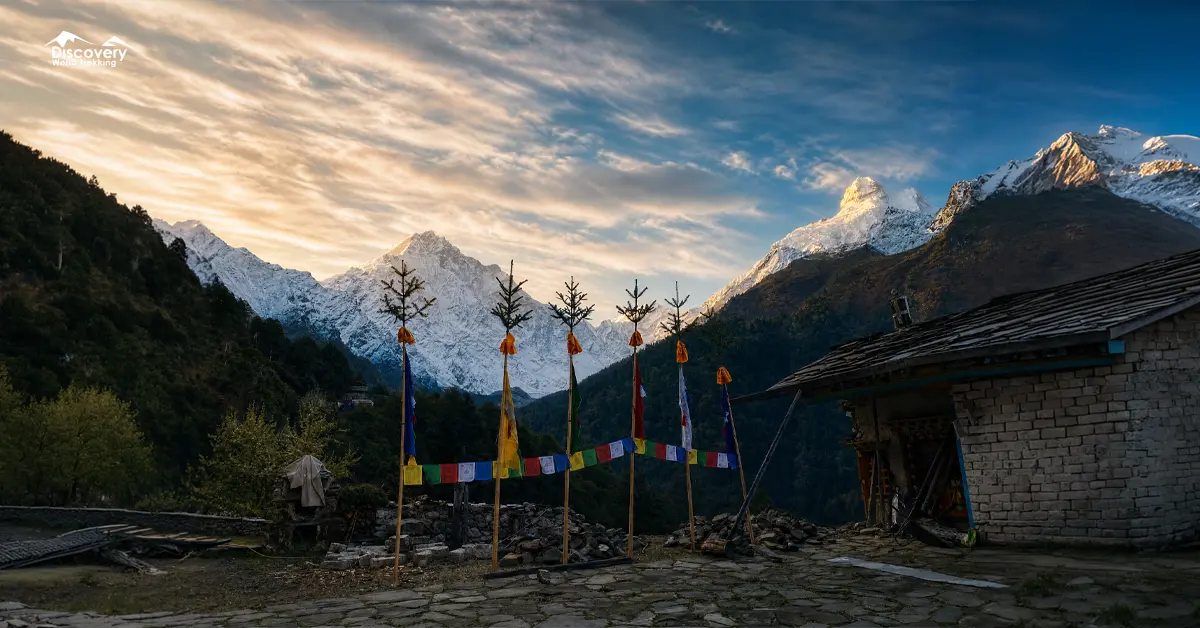
If you're planning to trek the Manaslu Circuit, permits should be at the top of your checklist.
Unlike most other trekking routes in Nepal, the Manaslu Circuit passes through a restricted area near the Nepal–Tibet border, so trekkers must secure special permits before entering the region.
What Permits Do You Need for the Manaslu Circuit Trek?
As the Manaslu Circuit Trek crosses both a restricted area and protected conservation zones, a single trekking permit won't get you through. You'll need to carry all of the following, as they're checked at multiple points along the route:
- Restricted Area Permit (RAP) – controls access to the restricted border zone
- Manaslu Conservation Area Permit (MCAP) – covers the Manaslu Conservation Area
- Annapurna Conservation Area Permit (ACAP) – covers the final stretch near Dharapani
Knowing what each permit does, what it costs, and how to apply will save you time and prevent last-minute complications.
1. Manaslu Restricted Area Permit (RAP)
The MRAP is mandatory for all foreign trekkers entering the restricted section of the route. It is required from Jagat to Larkya La Pass up to Bhimtang, through some of the Manaslu Circuit's most remote and culturally significant villages.
Nepal's Department of Immigration issues the RAP, but you can't apply for it yourself. It must be arranged through a government-registered trekking agency, and you must trek with a licensed guide.
The permit is valid for a set number of days based on your itinerary; staying longer means paying an additional per-day fee.
2. Manaslu Conservation Area Permit (MCAP)
The MCAP grants access to the Manaslu Conservation Area, a protected region of forests, alpine grasslands, glacial valleys, and traditional mountain villages, home to species like the snow leopard, Himalayan tahr, musk deer, and red panda.
Issued by the National Trust for Nature Conservation (NTNC), it's a single-entry permit valid for your entire trek within the conservation area, so no renewal is needed as long as you stick to your planned itinerary.
3. Annapurna Conservation Area Permit (ACAP)
After crossing Larkya La Pass, the trail leaves the Manaslu region and enters the Annapurna Conservation Area on its way to Dharapani, so every trekker needs an ACAP for this final section, even though the trek is branded as "Manaslu."
The ACAP is also issued by the NTNC as a single-entry permit, valid for the duration of your trek within the Annapurna Conservation Area.
Manaslu Circuit Trek Permit Cost
Permit costs depend on your nationality and the season. The RAP has separate peak and off-peak rates; the MCAP and ACAP are fixed fees.
| Permit | Foreigners | SAARC Citizens | Nepali Citizens |
| MRAP (Sep–Nov) | USD 100 for first 7 days + USD 15/extra day | Same as foreigners | Not required |
| MRAP (Dec–Aug) | USD 75 for first 7 days + USD 10/extra day | Same as foreigners | Not required |
| MCAP | NPR 3,000 | NPR 1,000 | NPR 100 |
| ACAP | NPR 3,000 | NPR 1,000 | NPR 100 |
What Does Your Permit Fee Support?
Permit revenue does more than grant trail access; it funds the long-term conservation and development of the region:
- Conservation of natural resources, protecting forests, rivers, and alpine ecosystems
- Trail maintenance, repairing trails, maintaining bridges, and improving signage
- Wildlife protection, funding habitat protection, research, and anti-poaching work for species like the snow leopard and red panda
- Community development, supporting schools, health posts, clean water, and sanitation projects, plus jobs for guides, porters, and lodge owners
- Sustainable tourism, managing visitor numbers to protect the region's natural and cultural heritage for future generations
Where and How to Get Manaslu Trek Permits?
There are a few ways you can get your permits.
1. Through a Registered Trekking Agency (Most Common)
This is the only way to get the MRAP, and the easiest way to get the MCAP and ACAP, too. Your agency submits your passport details, photos, and itinerary to the relevant offices and typically also arranges your guide, transportation, and accommodation, leaving you with less paperwork and more time to prepare.
2. Nepal Tourism Board
The Nepal Tourism Board (NTB) office in Kathmandu issues the MCAP and ACAP directly, usually the same day once documents are submitted. The RAP, however, still must go through a registered agency. Since the Manaslu Circuit requires agency booking anyway, you'll rarely need to visit the NTB office yourself.
Can You Apply Online?
Not entirely. While you can send documents to your agency online, the RAP cannot be applied for independently; it still requires a registered agency to process it with the Department of Immigration.
If you've booked through an agency, they'll handle everything and hand you your permits before the trek starts. It's worth confirming current requirements with your operator, as Nepal continues to expand its online services.
Documents Required for Manaslu Trek Permits
- Original passport, valid for at least six months from your entry date
- Passport copy, for submission with your application
- Passport-sized photographs, a few recent copies, plus extras for other paperwork
- Nepal visa, obtained on arrival or through a Nepali embassy beforehand
- Travel itinerary, route, dates, entry/exit points, and days in the restricted area (this determines RAP validity and cost)
- Permit fees, paid at the time of application
- Guide details, your licensed guide's information, usually provided by the agency
- Agency details, registration information confirming the trek meets current regulations
Permit Checkpoints Along the Manaslu Circuit Trek
| Checkpoint | Location | Permit Checked |
| Jagat | Entrance to the restricted area, Gorkha District | RAP, MCAP, Passport |
| Philim | Nubri Valley | RAP, MCAP |
| Deng | Upper Gorkha region | RAP, MCAP |
| Samagaon | Upper Manaslu, near Manaslu Base Camp route | RAP, MCAP |
| Dharamsala | Final stop before Larkya La Pass | RAP, MCAP |
| Dharapani | Entry to the Annapurna Conservation Area | ACAP, Passport (if requested) |
Note: Keep your permits and identification in a waterproof, easily accessible place. If you're trekking with a guide, they'll typically help manage checkpoint inspections.
What Should You Carry?
- Original permits, RAP, MCAP, and ACAP; digital copies are not accepted as substitutes
- Passport, kept in a waterproof pouch
- Digital backups, scanned copies of your passport, permits, visa, and insurance, are useful if originals are lost or damaged
- Guide and agency contact information, handy in case of questions or emergencies
Can You Trek the Manaslu Circuit Without a Guide?
No, independent trekking isn't permitted here. The Manaslu Circuit is a government-designated restricted area with its own set of rules, put in place to protect local culture, the environment, and border security near Tibet.
- Licensed guide requirement: Mandatory for all foreign trekkers. Your guide leads the route, assists at checkpoints, shares cultural context, and supports your safety.
- Registered agency requirement: The RAP can only be arranged through a government-registered agency, which also handles your guide, documentation, and compliance with current regulations.
Best Time to Obtain Your Permits
- Before arriving in Nepal: Send your passport copy, dates, and itinerary to your agency in advance. Permits are typically issued after arrival once your visa is verified, but early preparation reduces last-minute pressure.
- After arriving in Kathmandu, once you provide your documents, the MCAP and ACAP are usually issued quickly, while the RAP takes longer through the Department of Immigration, allowing at least one to two working days.
- During peak season (March–May, September–November), agencies and offices handle high volumes of applications. Book and submit documents early to avoid delays and secure your preferred guide and dates.
- Last-minute applications: Possible, but risky; public holidays, missing documents, or high demand can cause delays. Applying early is the safer choice.
What Happens if You Trek Without a Permit?
Trekking without valid permits can lead to:
- Fines vary depending on the situation
- Denied entry, officials can turn you away at checkpoints
- Checkpoint delays, questioning or being stopped until the issue is resolved
- Rescue complications, missing permits can slow coordination with authorities and may affect insurance claims
- Legal consequences, fines or other action for violating Nepal's trekking regulations
Arranging all permits through a registered agency before your trek avoids these risks entirely.
FAQs
How many permits do I need for the Manaslu Circuit Trek?
Most foreign trekkers need three: the RAP, MCAP, and ACAP, each covering a different section of the route.
Is the Restricted Area Permit mandatory?
Yes, for all foreign trekkers entering the restricted section of the route.
Can I get Manaslu permits online?
Not entirely. You can send documents to your agency online, but the RAP can't be applied for independently; your agency handles the actual application.
Can I trek Manaslu without a guide?
No. A licensed guide is required for all foreign trekkers under current regulations.
How Long Are Manaslu Trek Permits Valid?
- RAP: Valid for the number of days in your itinerary; extra days in the restricted area require an additional daily fee.
- MCAP: Single-entry, valid for your entire trek within the conservation area, no extra day charges.
- ACAP: Single-entry, valid for your entire trek within the Annapurna Conservation Area, no extra day charges.
If your itinerary requires leaving and re-entering a conservation area, you may need a new MCAP or ACAP. RAP extensions are possible through your agency by paying the additional daily fee; discuss any itinerary changes with them in advance.
Are children required to have permits?
Generally, yes, though fees and requirements can vary by age and nationality; confirm with your agency.
Can I combine the Manaslu Circuit with the Annapurna Circuit using the same permits?
Partially. The ACAP covers where the two routes overlap, but continuing further along the Annapurna Circuit may require additional permits or fees. The RAP only applies within the Manaslu restricted area.
What happens if I lose my permit during the trek?
Tell your guide and agency immediately, and they can help you contact the relevant authorities. Digital backups of your permits, passport, and visa are useful but can't replace the originals.
Can permits be refunded or transferred?
Generally, no permits are tied to your personal details and itinerary. If your plans change, contact your agency as soon as possible to discuss options.
Manaslu Circuit Trek Accommodation

Manaslu Circuit Trek in January
Plan Smarter, Trek Better
Connect with our local expert for honest recommendations, personalised guidance, and insider tips to make every step of your adventure count.

Get our free Nepal travel guide filled with expert insights, local tips, and essential planning advice.