Dzongla
Table of Contents
Dzongla is a hidden gem in the Khumbu region of Nepal, often overshadowed by more prominent stops like Lobuche or Gokyo. Yet for trekkers undertaking the Everest Three Passes Trek, Dzongla is a crucial waypoint—both geographically and experientially.
Located at an altitude of 4,830 meters, Dzongla sits in a high alpine valley just below the Cho La Pass, one of the trek’s most challenging segments. It serves as a rest and recovery point after the technical crossing from Thangnak and before the descent toward Lobuche and Everest Base Camp.
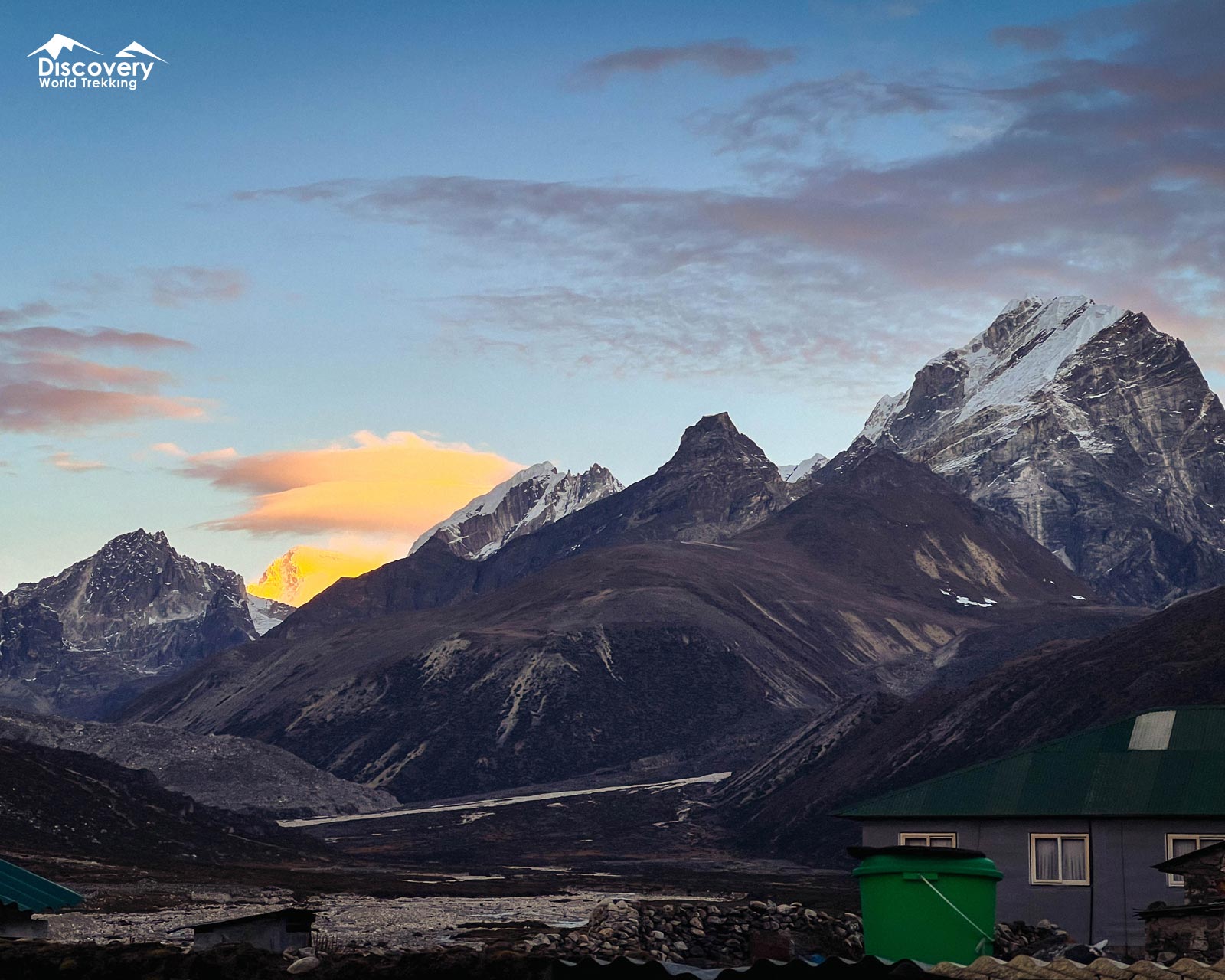
The village is small, quiet, and surrounded by dramatic Himalayan scenery. Stone houses, yak pastures, and glacial streams define its landscape. Dzongla offers a rare combination of tranquility, altitude, and accessibility, making it a favorite among seasoned trekkers who appreciate the quieter corners of the Khumbu.
Geography & Location
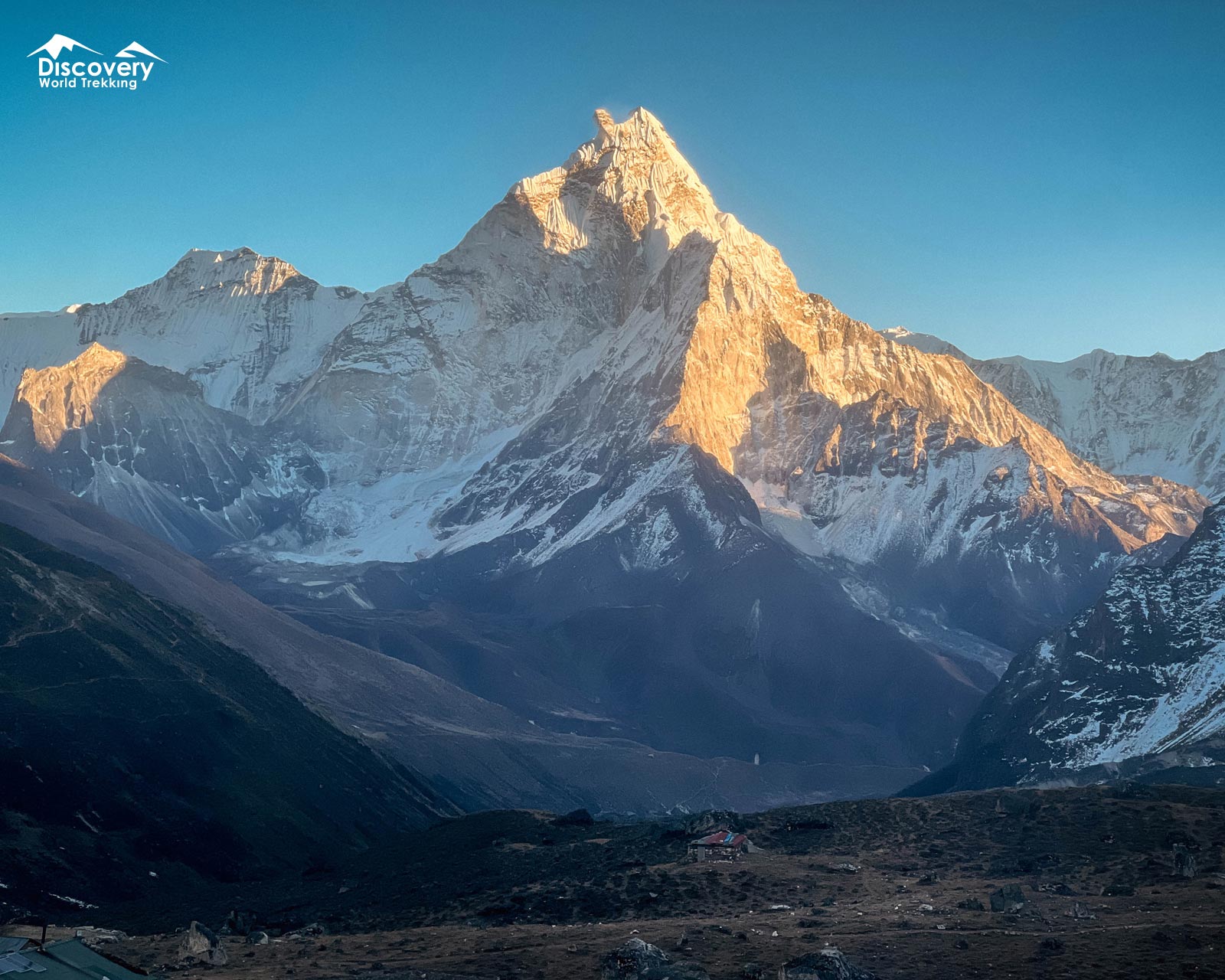
Dzongla is strategically positioned between Cho La Pass to the west and Lobuche to the east. It lies in a high valley carved by glacial activity, offering unobstructed views of Ama Dablam, Nuptse, Cholatse, and Lhotse. The terrain is rugged, with steep ridgelines and moraine fields surrounding the village.
Quick Info Table
| Feature | Details |
| Altitude | 4,830 meters |
| Distance from Cho La Pass | ~3.5 km (2–3 hours descent) |
| Distance from Lobuche | ~6 km (2–3 hours trek) |
| Nearby Landmarks | Cho La Pass, Lobuche, Ama Dablam, Cholatse, Khumbu Glacier |
How to Reach Dzongla?
Dzongla is typically reached in two ways, depending on the direction of the trek:
- From Thangnak via Cho La Pass: Trekkers cross the Thangnak via glacier-laced Cho La Pass early in the morning and descend steeply into Dzongla. This route is technical and requires good weather, crampons, and trekking poles. Dzongla is the first safe resting point after the pass.
- From Lobuche, trekkers heading west toward Gokyo or Cho La Pass begin by ascending gradually to Dzongla. This route is less technical but still demands acclimatization and stamina.
Both approaches offer stunning views and require careful planning. Most itineraries include Dzongla as a key overnight stop to break up the long and demanding days on the Three Passes Trek.
Highlights & Attractions in Dzongla
Dzongla’s charm lies in its raw beauty and peaceful atmosphere. While it lacks the crowds and commercial buzz of larger villages, it offers several unique attractions:
- Panoramic Himalayan Views: Dzongla provides sweeping vistas of Ama Dablam, Nuptse, and Cholatse, especially during sunrise and sunset.
- Traditional Sherpa Village Vibe: Stone houses, prayer flags, and yak pastures give Dzongla an authentic high-altitude feel.
- Acclimatization Base: After the strenuous Cho La crossing, Dzongla is ideal for rest and short acclimatization hikes.
- Nearby Viewpoints: Trekkers can explore short trails leading to ridgelines and glacier viewpoints, offering excellent photography opportunities.
The village is also a great place to reflect, journal, or simply enjoy the silence of the mountains.
Trekking Significance
Dzongla plays a pivotal role in the Three Passes Trek:
- Recovery After Cho La Pass: The descent from Cho La is steep and technical. Dzongla offers a safe and comfortable place to rest.
- Acclimatization Before Lobuche: Spending a night in Dzongla helps trekkers adjust before heading to Lobuche and Everest Base Camp.
- Transitional Point: Dzongla marks the shift from the glacier-heavy terrain of Cho La to the more open valleys leading to EBC.
For many trekkers, Dzongla is a psychological milestone—a place to regroup, recharge, and prepare for the final leg of their journey.
Best Time to Visit Dzongla
Choosing the right season is essential for a safe and enjoyable experience:
| Season | Conditions & Notes |
| Spring (Mar–May) | Clear skies, stable weather, ideal for high-altitude trekking |
| Autumn (Sept–Nov) | Peak trekking season, excellent visibility, moderate temperatures |
| Winter (Dec–Feb) | Cold and quiet, but trails may be snow-covered and icy |
| Monsoon (Jun–Aug) | Not recommended due to slippery trails and poor visibility |
Spring and autumn are the most popular and safest times to visit Dzongla. Winter offers solitude but requires advanced preparation and gear.
Accommodation & Facilities
Dzongla has a handful of teahouses and lodges that cater to trekkers. Facilities are basic but sufficient for a comfortable overnight stay.
- Rooms: Simple twin beds with blankets; bring a sleeping bag for warmth.
- Meals: Dal Bhat, noodles, soups, and tea are commonly available.
- Electricity & Wi-Fi: Limited and often solar-powered; charging may incur a fee.
- Shops: Minimal—carry snacks, medicine, and essentials from lower villages like Namche or Dingboche.
Despite its remoteness, Dzongla’s lodges are welcoming and offer a cozy refuge after a long day of trekking.
Safety & Travel Tips for Dzongla
Dzongla’s high-altitude location at 4,830 meters, combined with its proximity to the challenging Cho La Pass, makes it a critical rest, recovery, and preparation point. While the village offers a peaceful atmosphere and stunning views, it also demands heightened awareness, proper gear, and thoughtful planning to ensure a safe and enjoyable experience. Here’s a comprehensive guide to staying safe and trekking smart in Dzongla:
Acclimatization is Non-Negotiable
- Spend at least one night in Dzongla after crossing Cho La Pass to allow your body to adjust to the altitude.
- Avoid rapid ascents from lower elevations, such as Dughla or Pheriche, without proper rest days.
- Consider short acclimatization hikes around Dzongla to stimulate adaptation without overexertion.
- Be alert for symptoms of Acute Mountain Sickness (AMS) such as headache, nausea, dizziness, or fatigue. If symptoms persist or worsen, descend immediately.
Dress for the Cold — Layer Smart
- Temperatures in Dzongla can plummet below freezing, especially at night and during early morning starts.
- Pack multiple insulating layers, including a down jacket, thermal base layers, fleece, and a waterproof shell.
- A four-season sleeping bag rated for sub-zero temperatures is essential for a warm night’s rest.
- Don’t forget thermal gloves, a woolen hat, a neck gaiter, and warm socks — extremities are the first to feel the cold.
Hydration & Nutrition
- High altitude increases fluid loss through respiration — drink 3–4 liters of water daily.
- Use electrolyte tablets or oral rehydration salts to maintain mineral balance, especially after strenuous climbs.
- Eat high-energy foods rich in carbohydrates and healthy fats to fuel your body in the cold.
- Avoid alcohol and excessive caffeine, as they can contribute to dehydration and impair acclimatization.
Trekking Gear Essentials
- Trekking poles are invaluable for balance and reducing strain on knees during steep descents.
- If snow or ice is present (common in early spring or late autumn), crampons or microspikes are strongly recommended.
- Wear sturdy, waterproof trekking boots with good ankle support and a reliable grip.
- Gaiters can help keep snow and scree out of your boots, especially on the Cho La descent.
Monitor Weather Closely
- Weather in the high Himalayas is unpredictable — check local forecasts and consult with guides or lodge owners before setting out.
- Avoid attempting Cho La Pass or the Lobuche trail in poor visibility, heavy snow, or high winds.
- Start early in the morning to avoid afternoon weather changes and to ensure you reach your next stop before dark.
Emergency Preparedness
- Carry a basic first-aid kit with altitude medication (e.g., acetazolamide), blister care, pain relievers, and wound supplies.
- Know the signs of HAPE (High-Altitude Pulmonary Edema) and HACE (High-Altitude Cerebral Edema) — both are life-threatening and require immediate descent and medical attention.
- Ensure your group has access to an emergency communication device in case of an evacuation.
- Travel with us. We provide a registered guide and porter — they are trained to recognize danger signs and assist in emergencies.
Plan for Limited Facilities
- Electricity and Wi-Fi are limited and often solar-powered — carry a power bank and charge devices when possible.
- Bring headlamps with spare batteries, especially for early starts or power outages.
- Stock up on snacks, water purification tablets, and personal hygiene items in lower villages like Namche or Dingboche, as Dzongla has minimal supplies.
Interesting Facts About Dzongla
- Peaceful Alternative: Dzongla is quieter than Lobuche, making it ideal for trekkers seeking solitude.
- Photographer’s Paradise: The village offers dramatic backdrops of peaks and glaciers.
- Cultural Insight: Though small, Dzongla reflects Sherpa traditions and high-altitude resilience.
- Strategic Location: It’s one of the few villages that directly connect Cho La Pass to the EBC route.
Many trekkers describe Dzongla as a hidden highlight of their journey—unexpectedly beautiful and deeply restorative.
Conclusion
Dzongla may be small, but its significance on the Everest Three Passes Trek is immense. At 4,830 meters, it offers a haven after the demanding Cho La Pass and a launchpad toward Lobuche and Everest Base Camp. With its breathtaking views, authentic Sherpa culture, and quiet charm, Dzongla embodies the spirit of high-altitude trekking in Nepal.
Whether you're pausing to acclimatize, capturing sunrise over Ama Dablam, or simply sipping tea in a stone lodge, Dzongla invites you to slow down and savor the Himalayas. It’s not just a place to pass through—it’s a place to remember.