

Thame
Table of Contents
In the heart of the Himalayas, Thame is a charming Sherpa village that offers a glimpse into the rich cultural heritage and stunning natural beauty of Nepal's Khumbu region. Far from the bustling crowds of more popular trekking hubs, Thame serves as a peaceful retreat for adventurers seeking authenticity.
As the childhood home of legendary mountaineer Tenzing Norgay, who summited Mount Everest alongside Sir Edmund Hillary, and the birthplace of other renowned climbers like Apa Sherpa and Kami Rita Sherpa, the village holds a special place in mountaineering history.
It's also the site of one of the oldest monasteries in the area, drawing pilgrims and trekkers alike. However, visitors should note that in August 2024, Thame was impacted by a glacial lake outburst flood, which destroyed several structures—always check current conditions before planning a trip.
Geography & Location
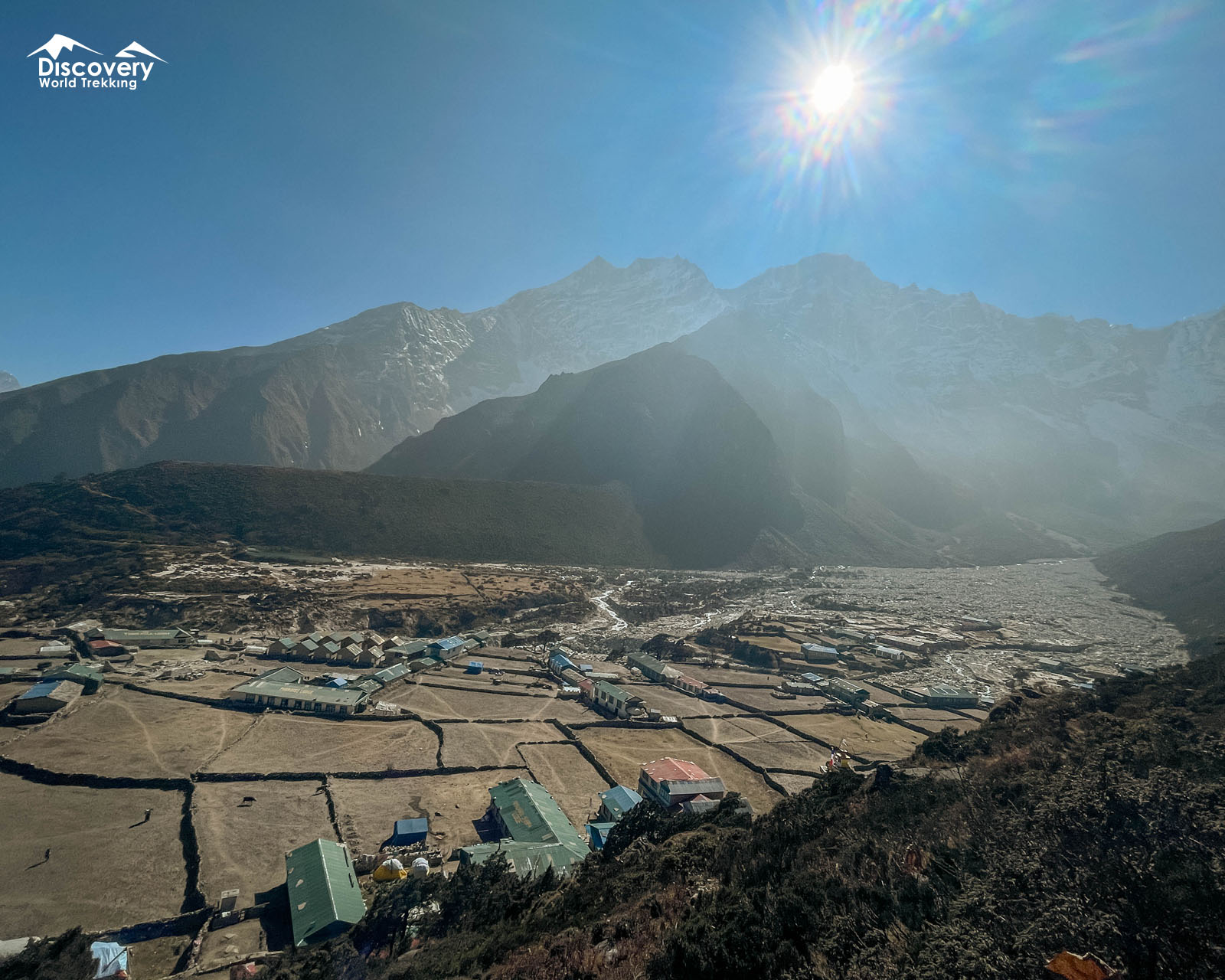
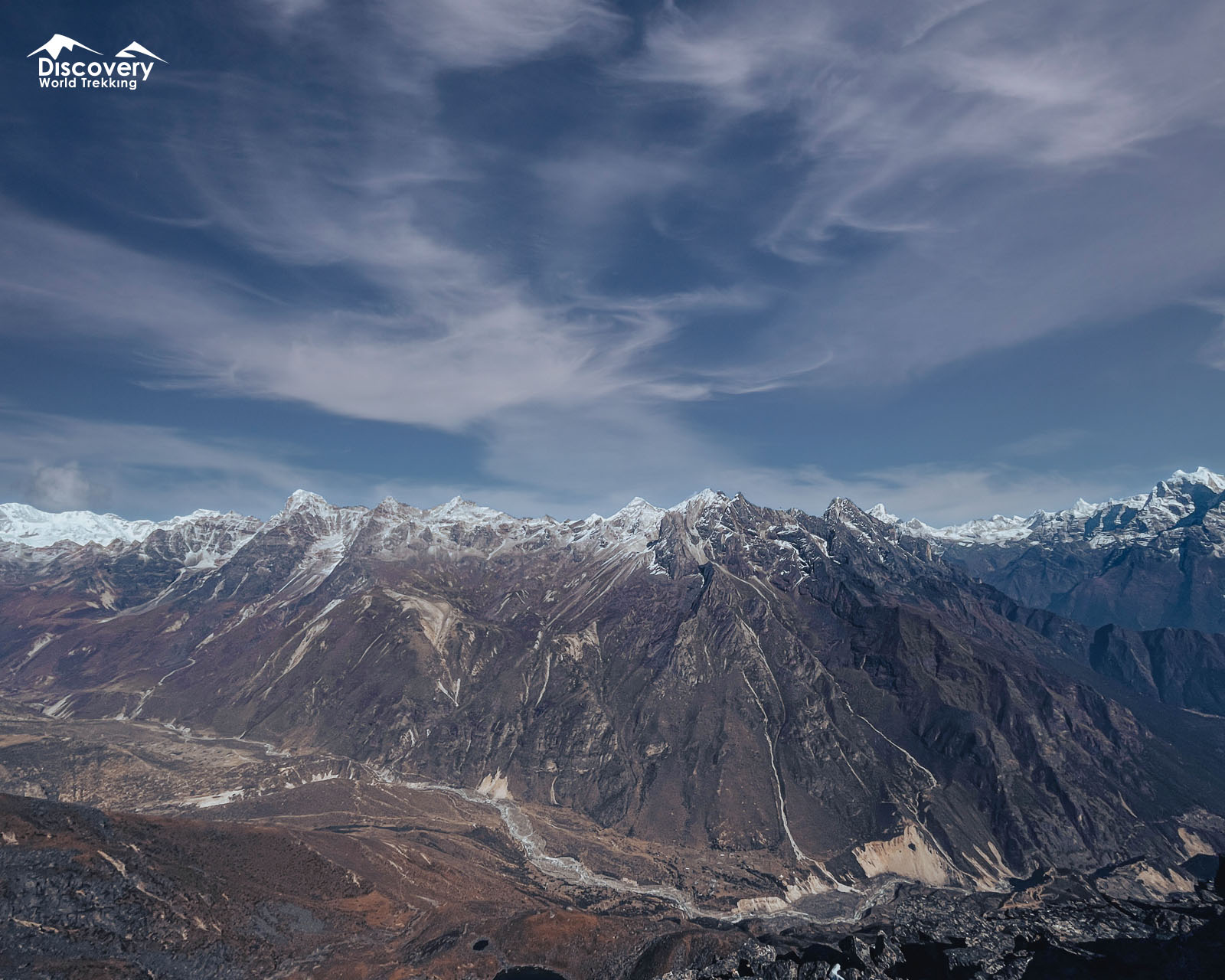
Thame lies in the Solukhumbu District of Koshi Province, north of the vibrant trading post of Namche Bazaar. At an elevation of approximately 3,800 meters, it's surrounded by dramatic mountain scenery, including breathtaking views of peaks such as Thamserku and Kangtega. The village is situated along the historic salt trading route that once connected Tibet, Nepal, and India, making it a cultural crossroads in the high Himalayas.
Quick Facts
| Altitude | 3,800 meters (12,467 ft) |
| Distance from Namche | ~3-4 hours trek |
| Key Landmarks | Thame Monastery, Thamserku & Kangtega peaks, traditional Sherpa homes |
How to Reach Thame?
Reaching Thame is a rewarding trek in itself. The most common route branches off from the main trail to Everest Base Camp just before entering Namche Bazaar. From the suspension bridge at the bottom of the hill, a separate path leads west along the Bhote Koshi River. It's a steady, scenic 3-4 hour walk from Namche, making it a perfect side trip or an alternative route for acclimatization.
Highlights & Attractions in Thame
Thame’s charm lies in its understated beauty and cultural depth.
- Authentic Sherpa Village: Unlike the more commercialized Namche, Thame feels like a step back in time. Here, you can witness traditional Sherpa life firsthand, with stone houses, prayer flags fluttering in the wind, and the warm hospitality of the local people.
- Thame Monastery (Gomba): One of the oldest and most significant monasteries in the Khumbu region. Perched high on a hillside overlooking the village, the monastery is a spiritual center for the community and a site of pilgrimage. The views from the monastery grounds are nothing short of spectacular.
- Stone-Walled Fields & Yak Pastures: The landscape around Thame is a patchwork of ancient, stone-walled fields where locals grow potatoes and barley. Yaks and dzos (a yak-cow hybrid) graze peacefully, completing a picture of timeless Himalayan agriculture.
Trekking Significance
For trekkers, Thame is more than just a pit stop—it's a gateway to alternative adventures in the Everest region. Many use it as a base for side treks to places like the Nangpa La Pass or the Renjo La, bypassing the busier paths to Base Camp by following the three passes route.
The moderate altitude offers excellent opportunities for acclimatization, helping prepare for higher elevations such as the Gokyo Lakes or Everest itself. Moreover, Thame offers a cultural immersion into Sherpa heritage, with stories of legendary climbers echoing through its valleys, making it an essential stop for those wanting to connect with the human side of Himalayan exploration.
Best Time to Visit Thame
- Spring (March–May): Arguably the best time. Days are warm, skies are clear, and the rhododendron forests are in full bloom.
- Monsoon (June–August): Generally not recommended. Trails can be slippery and leech-ridden, and clouds and rain often obscure the iconic mountain views.
- Autumn (September–November): The most popular season. Stable weather, crystal-clear mountain views, and vibrant festivals make this a fantastic time to visit.
- Winter (December–February): For those who don’t mind the cold, winter offers solitude and incredibly sharp mountain vistas. Be prepared for freezing temperatures.
- Monsoon (June–August): Generally not recommended. Trails can be slippery and leech-ridden, and clouds and rain often obscure the iconic mountain views.
Accommodation & Facilities
Accommodations in Thame are modest, reflecting the village's remote charm. Teahouses and small lodges provide basic rooms with shared bathrooms, often heated by wood stoves in the evenings. Meals typically include hearty Nepali staples like dal bhat, momos, and Sherpa stew, sourced from local ingredients.
- Teahouses and Lodges: Simple yet comfortable options like the Himalayan Lodge or Yeti Mountain Home, with rates around $10–20 per night.
- Limited Amenities: Electricity is available but intermittent; Wi-Fi is spotty and often chargeable. There are no ATMs, so carry cash from Namche.
- Basic Supplies: Small shops sell snacks, water, and trekking gear, but stock up on essentials beforehand.
Safety & Travel Tips
At 3,800 meters, Thame's altitude can pose risks like acute mountain sickness, so proper acclimatization is crucial—spend at least a day in Namche before ascending. The trails are well-marked but can be steep and rocky, demanding good physical preparation.
- Acclimatize Properly: Ascend slowly and monitor for symptoms like headaches or nausea.
- Pack for Cold: Nights drop below freezing; bring layers, a warm sleeping bag, and insulated clothing.
- Stay Hydrated: Drink plenty of water and avoid alcohol to combat altitude effects.
- Plan Essentials: Facilities are basic—carry medications, snacks, and a water purifier, as bottled water contributes to plastic waste in the region.
Interesting Facts About Thame
Thame's legacy extends beyond its scenic beauty, rooted in mountaineering lore and spiritual traditions.
Birthplace of Legends: Home to Tenzing Norgay and record-holding Everest summiteers like Apa Sherpa (21 ascents) and Kami Rita Sherpa (28 ascents as of 2023).
Cultural Richness: The village celebrates traditional festivals with Buddhist chants, dances, and community gatherings.
Historic Monastery: Thame Gompa attracts pilgrims for its ancient murals and the annual Mani Rimdu, a highlight of Sherpa culture.
In conclusion, Thame encapsulates the essence of the Khumbu—untouched beauty, profound history, and welcoming spirit. Whether you're a seasoned trekker or a cultural enthusiast, this hidden village promises an unforgettable escape into the Himalayas. Plan your visit thoughtfully, respect local customs, and let Thame's tranquility recharge your soul.
Plan Smarter, Trek Better
Connect with our local expert for honest recommendations, personalised guidance, and insider tips to make every step of your adventure count.


Get our free Nepal travel guide filled with expert insights, local tips, and essential planning advice.