

Annapurna Circuit Trek in November
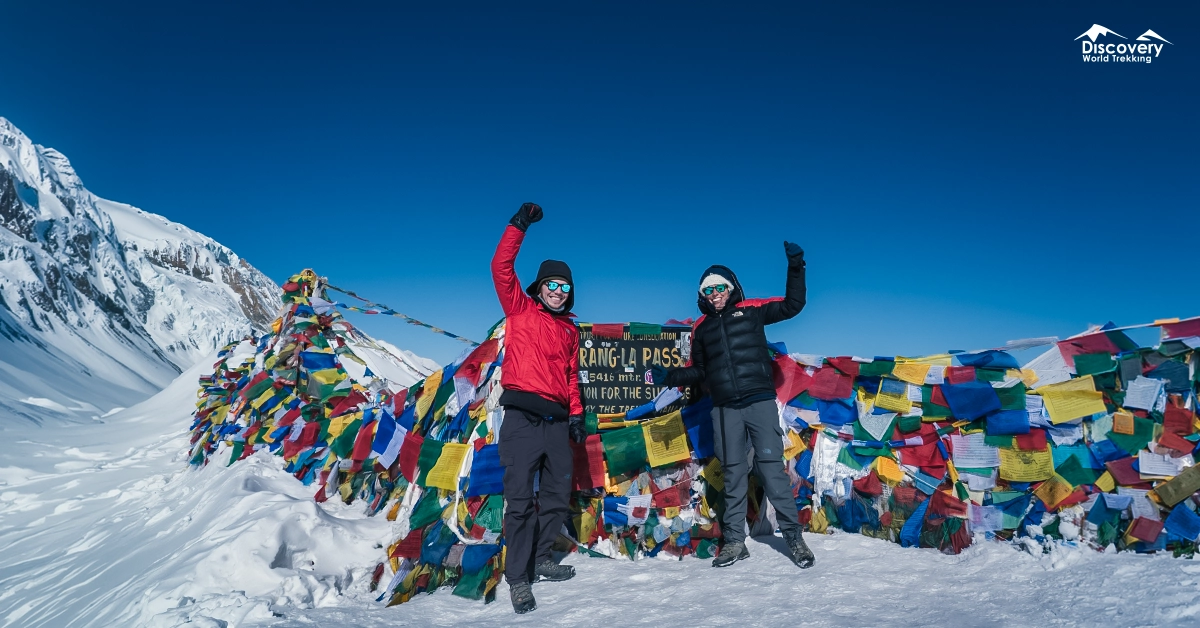
The Annapurna Circuit Trek in November is widely considered the most reliable window of the entire year for crossing Thorong La Pass.
Skies stay clear for days on end, trails are dry and firm, and mountain views remain uninterrupted from Bhulbhule to Muktinath.
November sits at the tail end of autumn, so daytime temperatures are comfortable while nights turn genuinely cold above 4,000 metres.
For trekkers choosing between crowds and near-guaranteed visibility, November delivers the visibility with only moderate trade-offs in trail traffic and teahouse availability.
Is November a Good Time for the Annapurna Circuit Trek?
Yes, November is one of the two best months of the year for the Annapurna Circuit, alongside October.
The monsoon has fully cleared by this point, the air is dry, and dust hasn't yet built up on the trail the way it does later in winter when strong winds pick up at higher elevations.
Why Late Autumn Works So Well
By November, the atmosphere has settled into a stable high-pressure pattern that keeps rain and snow away from lower and mid-elevation sections. This stability is what makes the mountain views along the Marsyangdi Valley and around Manang so consistent day after day.
What Changes as the Month Progresses
Early November still carries some warmth left over from October, while late November edges closer to winter, with colder mornings and a higher chance of light snowfall at Thorong La. Trekkers heading out in the first half of the month get slightly milder nights at High Camp; those going in the last week should prepare for temperatures several degrees lower at the pass.
| Factor | November Conditions |
| Weather | Dry, stable, and mostly sunny with minimal cloud cover. |
| Mountain views | Excellent visibility almost every day; Annapurna, Dhaulagiri, and Manaslu ranges visible in full. |
| Trail conditions | Firm and dry at low and mid elevations; possible light snow/ice near Thorong La late in the month. |
| Crowds | Busy, especially in Manang and around Thorong La High Camp; second-busiest month after October. |
| Accommodation | Widely available but can fill up in peak villages like Manang and Muktinath during the second week. |
| Thorong La Pass | Generally open and crossable; early morning departures still essential due to wind. |
| Difficulty | Moderate to challenging, mainly due to altitude gain rather than terrain. |
| Best for | Trekkers who prioritize mountain visibility and stable weather over solitude. |
Annapurna Circuit Weather in November
Weather on the Annapurna Circuit in November shifts noticeably from the first week to the last, even though the whole month stays largely dry. The main variable trekkers should plan around is temperature, not precipitation.
Early November Weather
Early November still holds onto some of October's mildness, particularly at lower elevations. Daytime trekking is comfortable in a light layer, and nights in villages below 3,000 metres rarely feel harsh.
| Elevation | Avg. Daytime Temp | Avg. Nighttime Temp |
| Below 2,000m (Bhulbhule–Jagat) | 20–24°C | 10–13°C |
| 2,000–3,500m (Chame–Pisang) | 14–18°C | 3–7°C |
| 3,500–4,500m (Manang–Yak Kharka) | 9–13°C | -3–1°C |
| Thorong La Pass (5,416m) | -2–2°C | -10–-6°C |
Mid-November Weather
By mid-November, mornings turn noticeably sharper across the entire route, and the first light frosts appear in Manang and Yak Kharka. Afternoons are still sunny and pleasant for walking, but the temperature swing between midday and dusk becomes more pronounced.
| Elevation | Avg. Daytime Temp | Avg. Nighttime Temp |
| Below 2,000m (Bhulbhule–Jagat) | 18–22°C | 7–10°C |
| 2,000–3,500m (Chame–Pisang) | 12–16°C | 0–4°C |
| 3,500–4,500m (Manang–Yak Kharka) | 6–10°C | -6–-2°C |
| Thorong La Pass (5,416m) | -5–-1°C | -14–-9°C |
Late November Weather
Late November brings the coldest conditions of the autumn season and marks the transition toward Nepal's winter trekking months. Wind chill at Thorong La becomes a bigger factor than the raw temperature, which is why guides push departures from High Camp earlier, often before 4 AM, to cross before the wind picks up.
| Elevation | Avg. Daytime Temp | Avg. Nighttime Temp |
| Below 2,000m (Bhulbhule–Jagat) | 15–19°C | 4–7°C |
| 2,000–3,500m (Chame–Pisang) | 9–13°C | -3–1°C |
| 3,500–4,500m (Manang–Yak Kharka) | 3–7°C | -9–-5°C |
| Thorong La Pass (5,416m) | -8–-3°C | -18–-12°C |
Average Temperature in November
Trail Conditions Along the Annapurna Circuit in November
Ground conditions vary by section in November, mainly because of elevation and how much sun exposure a given stretch gets. Knowing what to expect section by section makes packing and pacing decisions easier.
Bhulbhule to Dharapani
This lower section stays dry and dusty in November, with well-worn dirt trails through terraced farmland and forest. River crossings on suspension bridges are stable, and the only real hazard is loose gravel on the narrower cliffside stretches near Jagat and Chyamche.
Dharapani to Chame
The trail through pine and fir forest here is firm underfoot, though shaded sections near Danaque and Timang can hold overnight frost until mid-morning. Expect cooler air as soon as the route climbs above 2,500 metres, with noticeably drier ground compared to the humid feel of the same stretch in early autumn.
Chame to Manang
This section opens into drier, more exposed terrain, and November's lack of rain means the trail surface is hard-packed rather than muddy, which makes for faster walking. The upper route through Ghyaru and Ngawal gets windy in the afternoon, so most trekkers aim to reach Manang before early afternoon gusts pick up.
Manang to Thorong High Camp
Above Manang, the landscape turns rocky and increasingly barren, and November mornings here regularly start below freezing. By late November, patches of ice can form on shaded sections between Ledar and Thorong Phedi, so trekking poles and proper boots with grip matter more on this stretch than anywhere else on the circuit.
Thorong La Pass to Muktinath
The Thorong La pass itself is typically snow-dusted but passable in November, and the trail is usually broken in by the volume of trekkers crossing daily during this peak month. The long descent toward Muktinath crosses loose scree and gravel, which becomes more slippery if overnight frost hasn't fully melted by the time trekkers pass through mid-morning.
Muktinath to Jomsom and Beyond
Conditions change dramatically once trekkers descend into the Kali Gandaki Valley, where dry, windswept terrain, and minimal vegetation define the landscape. Afternoon winds funnel strongly up this valley from around 11 AM onward, so trekkers typically cover this stretch in the morning before the wind intensifies.
Tilicho Lake in November
Trek to Tilicho Lake (one of the highest lakes in the world at 4,919 metres) is accessible as a side trip from Manang in November, and this month offers some of the clearest views of the lake's turquoise water against the surrounding ice walls.
The trail to Tilicho Base Camp crosses an exposed, landslide-prone section known locally as the "unstable slope", which is best crossed early in the morning before wind and loose scree become more active later in the day.
Because November mornings are calm and visibility is high, this is one of the better months to add the two-to-three-day Tilicho Lake detour before continuing toward Thorong La. Nights at Tilicho Base Camp and the lake itself get cold, often dropping below -10°C by late November, so trekkers adding this side trip need the same high-altitude gear they'd use for the main pass crossing.
Popular Festival in November
Tihar, Nepal's Festival of Lights, often falls in late October to mid-November depending on the lunar calendar, and its final days sometimes extend into the first week of November.
Trekkers passing through the lower villages of Bhulbhule, Jagat, and Chame during this window will see homes decorated with oil lamps and marigold garlands, and may be invited to join in Bhai Tika, the day siblings bless one another for long life.
Higher up in Manang and Braga, daily life around this time centers more on Buddhist monastery routines than on Tihar itself, since these communities follow a different cultural calendar.
Trekkers interested in local culture get the richest experience by spending an extra evening in a lower village like Chame or Bahundanda rather than rushing straight through during festival days.
Flora and Fauna Seen in November
By November, the forest canopy along the lower and middle sections of the trail has shifted into autumn color, with maple and oak turning shades of amber between Jagat and Chame. Rhododendron and magnolia forests near Ghorepani are past their flowering season, but the bare, layered branches still make for striking photography against clear November skies.
Wildlife sightings become easier once the monsoon vegetation thins out. Blue sheep are commonly spotted on the exposed slopes between Yak Kharka and Thorong Phedi, and Himalayan griffon vultures and golden eagles circle frequently above the ridgelines near Manang.
Lower down, langur monkeys move through the forest sections around Tal and Dharapani, while yaks, dzo (a yak-cattle hybrid), and mule trains are a constant presence from Chame all the way to Muktinath, since November is also when herders move livestock to lower pastures before winter sets in.
Annapurna Circuit Packing List for November
November's temperature swing, from warm valley afternoons to sub-zero nights near the pass, means layering is more important than any single piece of gear.
Clothing
- Down jacket rated for at least -15°C
- Fleece or wool mid-layer
- Moisture-wicking base layers (top and bottom)
- Windproof and waterproof outer shell
- Insulated trekking pants for high-altitude days
- Wool hiking socks (4–5 pairs) plus liner socks
- Down or insulated sleeping bag liner for teahouses with thin blankets
Gear
- Sleeping bag rated to -15°C to -20°C for nights at High Camp
- Trekking poles for icy or scree sections near the pass
- Headlamp with spare batteries for the pre-dawn Thorong La crossing
- UV-protection sunglasses for glare on snow near the pass
- Water purification tablets or a filter, since bottled water gets expensive above Manang
- Hand and toe warmers for the coldest mornings
Accessories
- Sun hat for lower elevations and a warm beanie for higher ones
- Buff or neck gaiter to protect against wind on the Kali Gandaki stretch
- Basic first-aid kit including Diamox (with a doctor's guidance) for altitude prevention
Safety Tips for Trekking in November
Altitude remains the biggest safety factor on this trek regardless of month, and November's cold adds a layer of physical stress that makes acclimatization even more important. Sticking to the scheduled rest day in Manang and reporting any headache, nausea, or dizziness to a guide early prevents most serious altitude problems.
Starting the Thorong La crossing before dawn isn't just tradition, it's a safety measure, since wind speed at the pass increases sharply by mid-morning and can drop the effective temperature well below what the thermometer shows.
Trekkers should also carry enough water for the entire pass crossing, since there are no reliable refill points between High Camp and Muktinath, and cold temperatures slow the body's natural thirst response, making dehydration easy to miss.
Booking accommodation a day or two in advance during peak weeks, particularly around Manang and Muktinath, avoids the stress of arriving late in the day to full teahouses.
Finally, checking daily weather updates with a guide before the pass crossing matters even in a generally stable month like November, since a late-season snowfall can occasionally close Thorong La for a day or two.
FAQs
Does it snow on the Annapurna Circuit in November?
Light snowfall is possible near Thorong La, especially in the second half of the month, but it's usually a light dusting rather than a heavy accumulation that would block the pass.
Can beginners trek the Annapurna Circuit in November?
Yes, with proper preparation. The trail itself isn't technical, but the altitude gain to Thorong La (5,416m) requires realistic fitness and a conservative acclimatization schedule regardless of trekking experience.
Plan Smarter, Trek Better
Connect with our local expert for honest recommendations, personalised guidance, and insider tips to make every step of your adventure count.

Get our free Nepal travel guide filled with expert insights, local tips, and essential planning advice.