
Everest Base Camp Trek in January
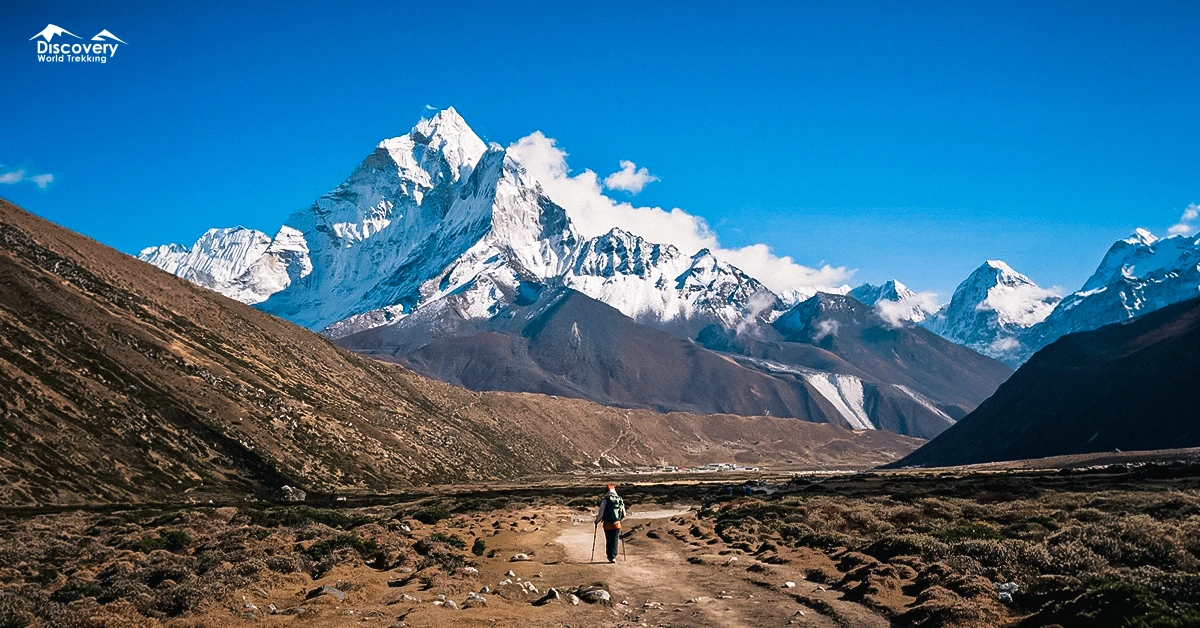
January is one of the least crowded months on the Everest trail. The Everest Base Camp Trek in January offers clear Himalayan views, peaceful trails, dry winter air, and snow-covered landscapes across the Khumbu region.
Lower villages such as Lukla, Phakding, and Namche Bazaar receive more sunlight and remain relatively comfortable during the day, while Dingboche, Lobuche, Gorak Shep, Everest Base Camp, and Kala Patthar experience much colder conditions.
Is Everest Base Camp Trek Suitable in January?
Yes, the Everest Base Camp Trek is suitable in January for trekkers who want clear mountain views, quiet trails, and a genuine winter trekking experience. Trekkers with proper preparation and a good level of fitness can complete the trek with the help of expert guides and porters.
| Factor | January Conditions |
| Weather | Cold, generally dry, and frequently clear, with occasional snowfall |
| Mountain views | Often exceptionally sharp, especially during the morning |
| Trail conditions | Dry at lower elevations, with frost, compact snow, or ice higher up |
| Crowds | Very low compared with spring and autumn |
| Accommodation | Available in the main villages, although fewer lodges may operate |
| Difficulty | More demanding because of cold air, winter wind, and frozen surfaces |
| Best for | Winter trekkers, photographers, solitude seekers, and experienced hikers |
Everest Base Camp Trek Weather in January
Weather in January is cold and dry, with strong daytime sunshine and significant temperature drops after sunset.
Temperature changes are closely connected to elevation and sunlight exposure. A sunny afternoon in Namche Bazaar can feel comfortable while walking, but a shaded section of the same trail may remain frozen.
Above Dingboche, wind becomes a major factor, making the air feel colder than the recorded temperature.
The following figures are practical monthly planning averages rather than exact forecasts. Local conditions can change after snowfall, strong wind, or extended cloud cover.
Early January Weather
Early January usually provides stable winter conditions with cold nights, dry trails at lower elevations, and clear morning views.
Snow from late December may remain on north-facing slopes and shaded forest paths.
Sun-exposed trails near Lukla, Phakding, and Namche Bazaar often clear quickly, while frozen patches can remain around streams, stone steps, and woodland sections.
| Elevation and location | Average daytime temperature | Average nighttime temperature |
| 2,600–2,850 m: Phakding and Lukla | 3°C to 6°C | -7°C to -10°C |
| 3,440 m: Namche Bazaar | 0°C to 3°C | -10°C to -13°C |
| 3,850 m: Tengboche and Deboche | -1°C to 2°C | -12°C to -15°C |
| 4,360 m: Dingboche | -3°C to 0°C | -15°C to -18°C |
| 4,930 m: Lobuche | -5°C to -2°C | -18°C to -21°C |
| 5,185–5,364 m: Gorak Shep and EBC | -7°C to -4°C | -20°C to -24°C |
Mid-January Weather
Mid-January is generally the coldest part of the month, with crisp mornings, deeply frozen ground, and excellent visibility after clear nights.
The temperature difference between direct sunlight and shade becomes especially noticeable. Trekkers may walk comfortably in a light mid-layer on a sunny climb but need a down jacket immediately after stopping.
| Elevation and location | Average daytime temperature | Average nighttime temperature |
| 2,600–2,850 m: Phakding and Lukla | 2°C to 5°C | -8°C to -11°C |
| 3,440 m: Namche Bazaar | -1°C to 2°C | -12°C to -15°C |
| 3,850 m: Tengboche and Deboche | -3°C to 0°C | -14°C to -17°C |
| 4,360 m: Dingboche | -5°C to -2°C | -17°C to -20°C |
| 4,930 m: Lobuche | -7°C to -4°C | -20°C to -23°C |
| 5,185–5,364 m: Gorak Shep and EBC | -9°C to -6°C | -22°C to -26°C |
Late January Weather
Late January remains cold, but slightly longer daylight can make daytime walking more comfortable in sunny locations.
Trail surfaces often alternate between bare rock, packed earth, compact snow, and hard ice. South-facing slopes may become dry, while shaded corners near forests, bridges, and stone walls can remain frozen.
| Elevation and location | Average daytime temperature | Average nighttime temperature |
| 2,600–2,850 m: Phakding and Lukla | 3°C to 6°C | -7°C to -10°C |
| 3,440 m: Namche Bazaar | 0°C to 3°C | -11°C to -14°C |
| 3,850 m: Tengboche and Deboche | -2°C to 1°C | -13°C to -16°C |
| 4,360 m: Dingboche | -4°C to -1°C | -16°C to -19°C |
| 4,930 m: Lobuche | -6°C to -3°C | -19°C to -22°C |
| 5,185–5,364 m: Gorak Shep and EBC | -8°C to -5°C | -21°C to -25°C |
Average Temperature in January
Trail Conditions Along the EBC Trek in January
January trail conditions vary significantly between the lower river valleys, forested slopes, exposed alpine areas, and glacial moraine.
Lukla to Phakding
The lower trail from Lukla is generally walkable, with stone paths, village steps, and compact earth.
Frost commonly develops near water channels, small waterfalls, shaded walls, and village taps. Morning ice usually softens where direct sunlight reaches the trail, but shaded corners may remain slippery throughout the day.
Pine forests, prayer stones, mani walls, and small Sherpa settlements remain clearly visible during winter because trail vegetation is less dense.
Phakding to Namche Bazaar
The trail toward Namche Bazaar includes riverside paths, suspension bridges, forested sections, and a sustained uphill climb.
The approaches to Monjo and Jorsalle may contain frost where the path receives limited sunlight. The climb after the Hillary Suspension Bridge can develop smooth, compacted sections when old snow is pressed down by trekkers, porters, and pack animals.
Trekking poles are useful on the ascent, while microspikes can provide added confidence on frozen stone steps.
Namche Bazaar to Tengboche and Deboche
The ridge above Namche Bazaar often receives good sunlight and provides clear views of Everest, Lhotse, Nuptse, Ama Dablam, and Thamserku.
The forested descent toward Phunki Thenga is cooler and more likely to hold packed snow. Pine and rhododendron cover prevents direct sun from reaching parts of the trail, allowing ice to remain beneath the trees.
The climb toward Tengboche is steady and exposed in places. The area around Tengboche Monastery can be windy, while nearby Deboche sits lower among trees and often feels colder after the sun disappears.
Pangboche to Dingboche
The landscape becomes wider, drier, and more open beyond Pangboche.
The forest gradually gives way to alpine vegetation, stone-walled fields, yak pastures, and broad mountain valleys. Trails can be firm and dry during sunny periods, although windblown snow may collect beside walls and across exposed corners.
Dingboche receives strong sunlight during the day but cools rapidly in the afternoon. The open valley also allows winter wind to move freely, so a windproof outer layer is particularly valuable.
Dingboche to Lobuche
The trail between Dingboche and Lobuche is exposed to wind and has very little natural shelter.
Around Thukla, the ground may contain frozen soil, snow, or compact ice. The climb toward the memorial area is steep enough to require a slow, controlled rhythm, particularly when the surface is firm.
After the climb, the route follows higher terrain near the Khumbu Glacier moraine. The trail remains visible, but snow can cover smaller stones and uneven sections.
Lobuche to Gorak Shep and Everest Base Camp
The route from Lobuche toward Gorak Shep crosses moraine, loose rock, glacial debris, and rolling high-altitude terrain.
Frozen conditions can make muddy ground firmer, but ice may develop between rocks. Trekkers should watch each foot placement rather than stepping only on the most polished part of the path.
The section toward Everest Base Camp becomes more irregular as it approaches the Khumbu Glacier. A light daypack is practical for this portion, carrying only water, warm layers, gloves, snacks, sunglasses, and photography equipment.
Gorak Shep to Kala Patthar
The Kala Patthar trail is usually coldest before sunrise, when most trekkers begin the climb for early mountain views.
The slope is exposed, rocky, and frequently windy. Snow can become hard overnight, making microspikes useful when the surface is compact.
Sunrise is popular, but January trekkers can also consider a later morning or afternoon ascent when weather conditions are clearer and temperatures are more comfortable. The best timing should be chosen according to the day's visibility, wind, and trail condition.
Popular Festival in January
Maghe Sankranti is the main Nepali festival commonly celebrated in January.
The festival falls on the first day of the Nepali month of Magh, usually around the middle of January.
It marks a seasonal transition toward longer days and is traditionally associated with foods such as sesame sweets, molasses, clarified butter, sweet potatoes, yam, and warming meals.
Celebrations are more noticeable in Kathmandu and Nepal's lower regions than in the high Khumbu settlements.
However, trekkers arriving in Nepal during this period may experience special meals, family gatherings, temple visits, or cultural activities before or after the trek.
Himalayan Buddhist festivals such as Gyalpo Lhosar follow the lunar calendar, so their dates change each year. Travelers interested in local celebrations should check the exact annual calendar before confirming their journey.
Flora and Fauna Seen in January
January does not have plant or animal species that exist only during this month, but winter creates distinctive opportunities to observe evergreen vegetation and cold-adapted wildlife.
Rhododendrons are not normally in bloom, yet their evergreen leaves remain visible in the forest belt around Namche Bazaar, Kyangjuma, Tengboche, and Deboche. Pine, fir, juniper, birch, mosses, and lichens provide most of the winter greenery.
Above Pangboche and Dingboche, vegetation becomes shorter and more scattered. Alpine grasses, sedges, dwarf shrubs, mosses, and lichens survive close to the ground, protected from strong wind and low temperatures.
January's quieter trails can make wildlife movement easier to notice. Fewer trekkers and reduced vegetation allow clearer views into forests and across open slopes.
| Wildlife | Likely January habitat |
| Himalayan tahr | Rocky slopes near Kyangjuma, Tengboche, and Pangboche |
| Himalayan musk deer | Forested areas around Tengboche and Deboche |
| Himalayan monal | Lower woodland and forest edges |
| Blood pheasant | Shrub-covered slopes and quiet forest clearings |
| Yellow-billed chough | High villages, viewpoints, and open ridges |
| Lammergeier | Cliffs and wide valleys above the main trail |
| Blue sheep | Remote rocky slopes at higher elevations |
Wildlife should be observed from a distance without feeding, approaching, or disturbing it. Quiet walking during the morning offers the best opportunity for sightings.
Are Lodges Available in January?
Yes, lodges remain available in the main Everest Base Camp villages during January. However, fewer properties operate than during this off-trekking season because some owners move temporarily to lower elevations.
Winter lodge availability should be confirmed ahead of arrival.
Dining rooms are often heated during breakfast and evening hours, while bedrooms usually remain unheated. A sleeping bag rated to at least -15°C is therefore an essential part of the winter equipment.
Water pipes may freeze at higher elevations. Warm washing water, charging, Wi-Fi, and hot showers may still be offered, but their availability depends on solar power, local electricity, and water supply.
What Food to Eat in January During the EBC Trek?
Warm, freshly prepared, carbohydrate-rich meals are the best food choices during a January trek.
Dal bhat is one of the most practical options because it combines rice, lentil soup, vegetables, and pickle. It provides carbohydrates for walking, protein for recovery, and warm liquid for hydration.
Good breakfast choices include porridge, eggs, toast, potatoes, Tibetan bread, pancakes, and hot cereal. Adding honey, banana, apple, or peanut butter increases energy without making the meal difficult to digest.
Useful lunch and dinner options include:
- Sherpa stew
- Thukpa noodle soup
- Vegetable soup
- Fried rice
- Vegetable noodles
- Pasta with tomato or cheese
- Boiled potatoes
- Momos
- Garlic soup
- Dal bhat
Warm drinks such as ginger tea, lemon tea, honey tea, hot chocolate, and warm fruit juice help maintain fluid intake. Caffeinated drinks are best consumed moderately because water remains the main source of hydration.
Carry snacks that stay edible in cold temperatures. Nuts, dates, raisins, peanut brittle, chocolate, and softer energy bars are more practical than snacks that become extremely hard when frozen.
What to Pack in January?
A complete layering system is more useful than relying on one heavy jacket.
Clothing
- Moisture-wicking thermal top and bottom
- Lightweight fleece
- Warm mid-layer
- Insulated down jacket
- Waterproof and windproof shell
- Trekking trousers
- Insulated or thermal trousers
- Warm hat covering the ears
- Neck gaiter
- Thin glove liners
- Insulated waterproof gloves
- Trekking socks
- Separate dry socks for sleeping
Footwear and traction
- Waterproof trekking boots
- Gaiters
- Lightweight microspikes
- Adjustable trekking poles
- Comfortable lodge footwear
Sleeping and personal equipment
- Sleeping bag rated to at least -20°C
- Sleeping-bag liner
- Headlamp with spare batteries
- Insulated water-bottle cover
- Thermos flask
- Sunglasses with strong UV protection
- SPF 50 sunscreen
- Protective lip balm
- Moisturiser
- Personal first-aid kit
- Water-purification method
- Power bank
- Hand warmers
- Waterproof backpack liner
Keep batteries, mobile phones, and power banks inside an insulated pouch. During very cold nights, storing essential electronics inside the sleeping bag helps preserve battery performance.
Safety Tips for Trekking in January
January trekking is safest when elevation gain is gradual, equipment is winter-ready, and daily decisions are based on actual trail conditions.
1. Begin walking early
Early starts provide more daylight and help trekkers complete exposed sections before late-afternoon temperatures fall. Morning light also makes frozen patches easier to identify.
2. Keep warm layers accessible
A down jacket, shell, gloves, and hat should remain near the top of the backpack. Body temperature can fall quickly during photography breaks, lunch stops, and windy viewpoints.
3. Drink regularly
Cold weather reduces the sensation of thirst, but the body still loses water through breathing and physical activity. Warm water, soup, and tea make regular hydration easier.
4. Protect against strong sunlight
Snow and high elevation increase UV exposure. Sunglasses, sunscreen, lip protection, and a hat remain necessary even when the air feels cold.
5. Check altitude symptoms honestly
Headache, nausea, dizziness, unusual fatigue, reduced coordination, or persistent sleep disturbance should be discussed immediately. The safest response is to rest, stop ascending, or descend when symptoms do not improve.
6. Keep flexibility in the travel plan
Mountain flights depend on visibility and local weather. Additional time in Kathmandu after the trek provides protection against flight changes without forcing trekkers to shorten their mountain experience.
7. Trek with suitable insurance
Travel insurance should specifically cover high-altitude trekking and emergency evacuation. The maximum elevation on the standard trek exceeds 5,500 metres at Kala Patthar.
FAQs
How cold is Everest Base Camp in January?
Daytime temperatures near Everest Base Camp are commonly between approximately -4°C and -9°C. Nighttime temperatures at nearby Gorak Shep can fall below -20°C.
Does it snow on the Everest Base Camp trail in January?
Yes, snowfall is possible, especially above Tengboche. January is generally dry, so clear periods are common between winter weather systems.
Are the mountain views clear in January?
Yes, January frequently provides excellent visibility because the air is dry and there is less haze. Early mornings commonly offer the clearest mountain views.
Should extra days be included in January?
Yes, adding one or two flexible days is practical because mountain flights and high-altitude trail conditions can be affected by winter weather.
Plan Smarter, Trek Better
Connect with our local expert for honest recommendations, personalised guidance, and insider tips to make every step of your adventure count.


Get our free Nepal travel guide filled with expert insights, local tips, and essential planning advice.