Discovery World Trekking Outreach Fund
Discovery World Trekking allocates a certain percentage of business profit to rural development and relief programs.

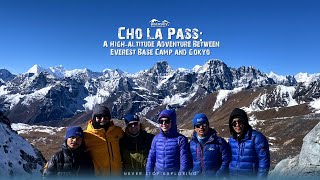
Everest Base Camp - Chola Pass - Gokyo Trek is a slightly altered version of the classic Everest Base Camp (EBC) trek. Instead of taking the same path to return to Namche after summiting EBC from Lobuche, you will take a different route that progresses through Dzongla across the Chola Pass into the Gokyo region and Macchermo. This route alteration makes this trek more adventurous and provides a broader insight into the high Himalayan landscapes, flora, fauna, and the Sherpa settlements.
The Everest Base Camp Cho La Pass Gokyo Trek is a spectacular high-altitude adventure, combining three iconic highlights—Everest Base Camp (5,364 m), the challenging Cho La Pass (5,420 m), and the pristine Gokyo Lakes. This diverse route offers a comprehensive exploration of the Khumbu region, providing both classic and alternative perspectives of Everest while traversing glaciated passes, alpine valleys, and shimmering turquoise lakes.
The trek begins with a thrilling flight to Lukla either from Kathmandu or Manthali, followed by an ascent through Phakding and Namche Bazaar, the heart of the Khumbu. The journey continues through Tengboche, Dingboche, and Gorak Shep, leading to Everest Base Camp, where you stand at the foot of the world’s highest peak. An early-morning ascent to Kala Patthar (5,545 m) offers breathtaking sunrise views of Everest, Lhotse, and Nuptse.
You will take a different route on your way back. From Gorakshep, you will return to Dzongla and then to the Gokyo Valley region, tackling the demanding Cho La Pass, navigating steep icy slopes and rugged terrain before reaching the Ngozumpa Glacier—the longest in Nepal. Entering Gokyo, you are greeted by emerald-green lakes, reflecting the towering peaks that surround them. An ascent of Gokyo Ri (5,357 m) provides a stunning vantage point of Everest from the west, a contrast to the classic viewpoint at Kala Patthar.
The return route follows a scenic variation through Dole and Phortse, offering quieter trails and fresh perspectives of the Khumbu Himalayas, before concluding in Lukla with a flight back to Kathmandu.
This 15-day adventure is an epic trek, blending high-altitude challenges, pristine landscapes, and cultural immersion, making it the perfect Himalayan experience for those seeking exploration beyond Everest Base Camp.
We recommend that our valued clients arrive in Kathmandu no later than 3 PM at least one day prior to the trek departure date to allow time for final preparations.
The online briefing will answer all your questions about the trek, including what to pack (gear checklist), the daily schedule, and what the trail is like. After you book the trek, we’ll email you the available dates and times for the briefing. Once we get your important documents, we’ll hold the online trek briefing.
During peak trekking months (March, April, May, October, and November), flights to Lukla often depart from Ramechhap (Manthali) instead of Kathmandu because of airport traffic. In this case, you'll need to leave Kathmandu around 12:30 a.m. for a five-hour drive to catch your flight from Ramechhap on the trek departure date. Outside of peak seasons, flights usually operate directly from Kathmandu.
Flights between Kathmandu and Lukla can be delayed due to weather, so it's a good idea to add at least two extra days to your trip to avoid missing your international flight home.
Flight from Kathmandu/Manthali to Lukla. Flight time: Approx 40 min from KTM/20 min from Manthali. Trek to Phakding (2,650 m). Trek time: Approx. 3 hrs.
Trek from Phakding to Namche Bazaar (3,440 m). Trek time: Approx. 6 hrs.
Rest day and acclimatization at Namche Bazaar.
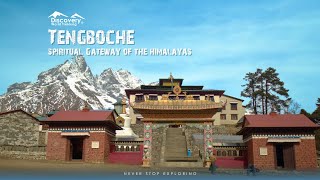
Trek from Namche to Tengboche (3875m). Trek time: Approx. 5 hours.
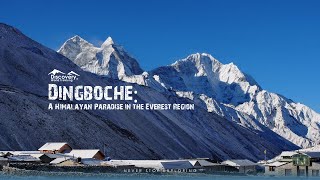
Trek from Tengboche to Dingboche (4410m). Trek time: Approx. 5 hours.
Acclimatization at Dingboche.
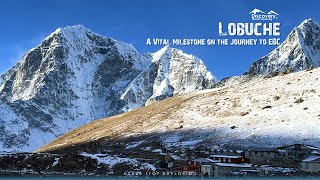
Trek from Dingboche to Lobuche (4,910m). Trek time: Approx. 5 hours.
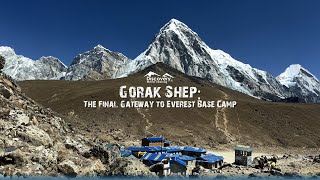
Trek from Lobuche to Everest Base Camp and back to Gorak Shep (5,185m). Trek time: Approx. 6-8 hours.
Trek to Kala Patthar Viewpoint from Gorak Shep and then to Dzongla (4,855m). Trek time: Approx. 7-8 hours.
Trek from Dzongla via Cho La Pass and then to Thangnak (4,700m). Trek time: Approx. 6-7 hours.
Trek from Thangnak to Gokyo (4,790m). Trek time: Approx. 5 hours.
Gokyo to Gokyo Ri viewpoint and to Machhermo (4,470m). Trek time: Approx. 5 hours.
Trek from Machhermo to Namche Bazaar (3,440m). Trek time: Approx. 5-6 hours.
Trek from Namche Bazaar to Lukla (2,850m). Trek time. Approx. 6-7 hours.
Fly back to Kathmandu/ Manthali from Lukla. Flight time: Approx. 40 min for KTM/20 min for Manthali. Drive time: Approx. 5 hrs from Manthali to KTM
If the published schedule does not suit you, we can build the trek around your dates, your pace and what you want to see.
The calendar below displays the available trek schedules. Please select the exact trek start date. Ensure your arrival day is before the trek start date and your departure day is after the trek end date.
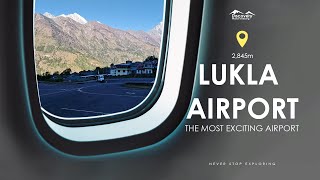
The journey begins with a breathtaking flight from Kathmandu or Manthali to Lukla, a thrilling experience as you soar above the majestic Himalayas. The exact flight depends on the trek seasons.
During peak trekking seasons (March, April, May, Sept, October, and November), Lukla flights departing from Tribhuvan International Airport (TIA) mostly get redirected to Manthali Airport due to increased air traffic. Consequently, in these months, our guide will pick you up from your hotel in Kathmandu around 12:30 am for a five-hour drive to Manthali. From Manthali, a brief 20-minute flight will take you to Lukla. In contrast, during other months (December, January, February, June, July, and August), the direct flight duration from Kathmandu to Lukla is around 40 minutes.
If you want to bypass the drive to Manthali, booking a helicopter to Lukla is a convenient alternative. However, this option incurs an additional cost of approximately 550 USD when shared among five persons.
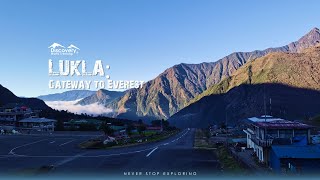
As you deboard at Lukla Airport, the excitement builds up, and you will head to the charming Chaurikharka village and descend to Dudhkoshi Ghat (2,530m / 8,300ft) before reaching Phakding. This first day of the trek is short and enjoyable, providing an opportunity for acclimatization. You can explore local monasteries, like Rimishung Monastery, during your spare time and prepare for the upcoming adventurous trekking days.
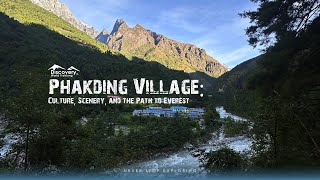
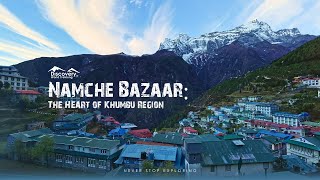
From Phakding, you will traverse the northern bank of the Dudh Koshi River, cross suspension bridges, and meander through enchanting forests and small Sherpa settlements. After Monjo Village, you will reach the Sagarmatha National Park checkpost, where we will register our permits before reaching Namche Bazaar (3,440m). Namche is a bustling mountain town nestled in the heart of the Khumbu region that welcomes you with panoramic views of snow-capped peaks and is a gateway to the Everest trekking experience.
Namche is a perfect town to acclimatize. There are plenty of activities you can participate in. We encourage you to explore vibrant Namche streets, adorned with cafes, souvenir shops, and the Sherpa architecture. You can also hike to Everest View Hotel to see Mt. Everest. There are other hiking options, such as Syangboche Airport, Hillary School, Khumjung, and Khunde villages. The Khumjung Monastery is believed to house a Yeti scalp.
You will leave Namche early morning and trek inside the Sagarmatha National Park alongside trekkers, porters, and yaks. From the path, you can get views of several mountains such as Ama Dablam, Lhotse, Nuptse, and Everest. The trails are ridden with several thrilling suspension bridges. You will traverse several steep rocky sections to arrive at Tengboche. If you want, you can also visit the Tengboche monastery.
We leave Tengboche early morning and head to Dingboche, passing through many chortens, mani walls, and small settlements, including Mt. Ama Dablam. As you near Dingboche, you will see a field surrounded by stone walls. These walls protect crops such as barley, potatoes, and buckwheat from wild animals and cold winds.
You will have gained a significant altitude as you reach Dingboche. Hence, it is a perfect day to acclimatize at this Sherpa village. There are no roads to this village, only trails, which locals use to transport daily necessities via yaks and mules. You can rest, hydrate, and soak in the beauty. If you want, you can hike to Nangkartshang Peak (5,083 m), from where you can view Everest, Makalu, Cho Oyu, Lhotse, and Ama Dablam.
After a rest day at Dingboche, it is time to trek further - to Lobuche. You will be hiking northwest above the Pheriche Village and to Dugla, a small settlement. Dugla offers fantastic views of Ama Dablam, and you should certainly enjoy those. From Dugla, you will continue on a zig-zag path northwards on the Khumbu Glacier moraine to the Thukla Pass, famous for a memorial dedicated to those who perished on this rough terrain. As you move forward for about an hour, you will reach Lobuche.
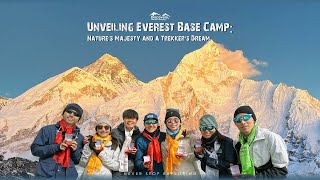
Today will be the most significant day on your trek or even in your life as you will reach the Everest base Camp. After breakfast, you will follow the Khumbu Glacier moraines and reach Gorak Shep, the nearest settlement from Everest Base Camp. You will leave your belongings at Gorak Shep and trek to the Everest Base Camp. As you stand on the Everest Base Camp, you will feel overwhelmed with emotions as you have toiled for several days to reach this place. From EBC, you can enjoy the grand views of some of the tallest mountains on Earth. After taking many pictures and soaking in the views, you will return to Gorak Shep for the night.
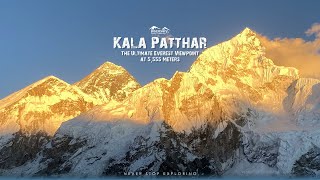
To enjoy the views of Everest and the surrounding peaks, early in the morning, you will wake up at Gorak Shep and head to Kala Patthar. From Kala Patthar, you will enjoy the views of dawn breaking behind the world’s tallest mountains, including Everest, Lhotse, and Makalu. The views look otherworldly and beyond words. After enjoying the views of your content, you will return to Gorak Shep for breakfast, rest for a while, and descend to Dzongla.
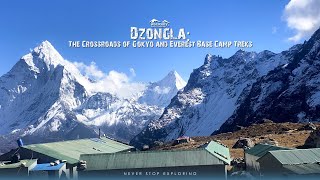
The trails from Gorak Shep to Dzongla are challenging and kindle your adventurous spirit. You will traverse along the glaciers, keeping the Khumbu Glacier to the left, and arrive at Lobuche. From Lobuche, the left route takes you to Dingboche, and the right takes you to Dzongla. You will take the right route.
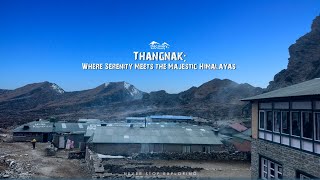
After breakfast, you will leave Dzongla and head to Cho La Pass. The trails are quite challenging, but the views are equally stunning. After the rugged journey through the Cho La Pass, you enter a serene valley and continue on the trails, enjoying the pristine landscapes until you arrive at Thangnak.
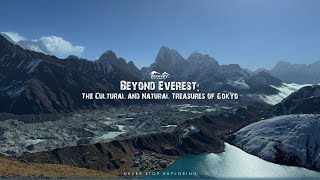
The trail to Gokyo leads through rugged terrain, weaving past glacial moraines and rocky landscapes. Along the journey, the breathtaking vistas of towering peaks and pristine alpine lakes captivate the senses. As trekkers ascend, the allure of Gokyo's turquoise waters becomes increasingly palpable. Upon reaching Gokyo, you will be greeted by the warmth of local teahouses, offering a haven of rest and rejuvenation. As the day draws to a close, the ethereal beauty of Gokyo casts its spell, leaving an indelible impression of tranquility and wonder on all who journey through its majestic realms.
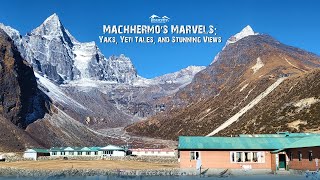
We set off early from Gokyo and gradually ascend towards Gokyo Ri. The trail, well-marked and steady, leads you to the Gokyo Ri summit at approximately 5,360 meters (17,585 feet). From this vantage point, you can get a breathtaking panoramic view of Gokyo Lakes, surrounding glaciers, and towering peaks like Cho Oyu, Everest, Lhotse, and Makalu. After soaking in the views, you will descend to the base of Ngozumpa Glacier and further through the juniper bushes to the stunning Gokyo Lakes. After crossing the Gokyo Lakes, you will arrive at Machhermo.
We bid farewell to the tranquil village of Machhermo and set out towards Namche Bazaar through rocky trails, verdant forests, and meandering rivers. Along the way, be mesmerized by the majestic Himalayan vistas and the serene beauty of the surroundings. As you trek, you can witness the rich cultural heritage while passing by traditional Sherpa villages adorned with colorful prayer flags and intricately carved mani stones.
As you approach Namche Bazaar, you will again catch the views of this bustling market. At Namche Bazaar, the trek nears its closure, so we encourage you to soak in the lively atmosphere. You can explore the narrow alleyways, lined with shops, restaurants, and even pubs.
The trek is almost over. You will leave the vibrant town of Namche Bazaar and towards Lukla. You will follow the paved stones until the foothill and follow the same route you used at the beginning of the trek. After about an hour of trekking, you will get the final views of Mt Everest. The path will mostly be downhill and often alongside the Dudh Koshi River as you trek through smaller Sherpa villages and a few suspension bridges. The path slightly ascends before reaching Lukla, the last town in the trek region.
You will return to Kathmandu on this day. The flight path from Lukla varies depending on the trekking season. During March, April, May, September, October, or November, it's likely you'll fly to Manthali, from where we'll drive you to Kathmandu. However, in December, January, February, June, July, and August, you will fly from Lukla to Kathmandu directly.
For those wishing to bypass the Lukla-Manthali-Kathmandu route, helicopter bookings are available at an additional cost of approximately 550 USD per person, assuming five individuals split the fare.
Your return journey to Kathmandu will be a comfortable one, providing ample time for you to reflect on your trek to Everest Base Camp. You might also have the anticipation of reuniting with loved ones at home. Later in the day, Discovery World Trekking will arrange a farewell dinner for you in Kathmandu to commemorate your memorable adventure.
You have seen all 15 days.Next, choose the date you want to start.
See trip datesIf the published schedule does not suit you, we can build the trek around your dates, your pace and what you want to see.
Chat with our trek expert on WhatsApp.
We request you carry only the basics during the trek. You can store your extra luggage at the Discovery World Trekking store for free. Please remember that we assign a porter for two trekkers, and the weight limit is 9 kg per trekker (18 kg max carrying limit for a porter).
We recommend you team with a trekking partner and pack your things together in a duffle bag of over sixty liters capacity. Here is the packing list to help you pack.
Connect with our local expert for honest recommendations, personalised guidance, and insider tips to make every step of your adventure count.
13 steps · Everything you need to know before you book: permits, meals, costs and what each day looks like. No rush, take your time.
When you arrive at Tribhuvan International Airport, our representative will receive you and take you to your hotel in a private vehicle, ensuring a smooth transition into Kathmandu.
On departure day, we’ll pick you up and transport you to Kathmandu or Manthali Airport, depending on the trekking season, as flights may be rerouted due to seasonal traffic congestion. Mostly, during March, April, May, October, and November, due to traffic congestion at the Kathmandu Airport, the flights to Lukla get rerouted from Manthali Airport in Ramechhap. So, to catch an early morning flight from Manthali Airport to Lukla, we will pick you up at your hotel at around 12:30 am, and drive to Manthali. The flight from Manthali to Lukla lasts around 20 minutes.
In other months, you will fly directly to Lukla from Kathmandu, and the flight will last around forty minutes. Upon landing in Lukla, your trek to Phakding starts, giving you an early sense of the different terrain, location, altitude, and weather in the Everest Region. This Everest guide covers all the details of the region.
During this trek, you'll enjoy 14 nights in the best accommodations in trek regions. In Lukla, Phakding, and Namche, five nights are in private rooms with attached bathrooms, while the remaining nine nights feature twin-sharing rooms. Hot showers, electricity for recharge, and Wi-Fi are available along the trek at additional costs.
Please note that accommodation in Kathmandu is not included, allowing flexibility to choose based on your preferences and budget.
We provide 15 breakfasts, 14 lunches, and 14 dinners featuring local, Asian, and Western cuisine. All meals are on a full-board (main course) basis. Menu options vary depending on altitude, fewer options will be available at greater elevations. Note that hot, cold, and alcoholic drinks are not covered in this package.
Since staying hydrated is important at high altitudes, we recommend different teas, garlic soup, and fresh vegetables. We advise avoiding non-veg items, dairy, and alcoholic and caffeinated drinks for your health.
We provide porters to carry your luggage up to 9 kg. One porter carries luggage for every two trekkers. Hence, partner up with a fellow traveler and pack your things together in a duffle bag of over sixty liters. We recommend you carry only essential items and store excess luggage at your hotel or in our storage free of charge.
You can buy bottled water along the trek route, but, as some trek regions restrict plastic bottles. We recommend bringing a water bottle that you can fill with boiled/filtered water bought from tea houses. Further, we recommend you use water purification pills, which we can provide if you don’t have your own. We strongly advise against drinking from local water sources for health reasons.
Internet access is available in lodges for an additional cost. You can buy a local SIM in Kathmandu, but depending on the network, the signals may not be strong enough in higher altitudes. We stay in contact with all our trek teams daily via the trek leader and on the mobile at least once a day.
Foreign nationals, excluding Indians, require a visa to enter Nepal, which you can obtain on arrival at Kathmandu Airport or land border checkpoints. To apply for the visa, you’ll need a passport with six months of validity, a passport-size photo, and a visa fee. The fee for a 30-day visa is $50, payable upon arrival. For details visit: https://www.immigration.gov.np.
Travel insurance is mandatory for the trek and should include coverage for medical treatment and helicopter evacuation up to the trek’s highest altitude (5,500 m). Please ensure your policy covers helicopter evacuation by calling your provider for confirmation.
Nepal's currency is the Nepalese Rupee (NPR). 1 USD = ~138. You can exchange your currency at banks or authorized money exchanges in Kathmandu. ATMs are also available for NPR withdrawals (typically at a 500 NPR fee for a withdrawal of 35,000 NPR). We recommend bringing cash in major currencies, and exchanging them in Kathmandu, as trek regions lack banking facilities.
Although the trek package covers most expenses, you’ll need additional cash for meals and lodging in Kathmandu, visa fees, travel insurance, beverages, and personal expenses. Trek regions only accept Nepalese Rupees, and we suggest budgeting $15-$20 daily for these needs.
Our treks run year-round, but each season offers unique weather conditions. From January to February, you’ll experience the coldest period of the year, with temperatures dropping to -15°C and heavy snowfall across the trails.
As spring arrives in March and April, trekking conditions improve with warming temperatures and spectacular views of glaciers and landscapes, ranging from 18°C during the day to -12°C at night. May through June brings comfortable weather, ideal for trekking, with temperatures between 25°C and -5°C.
During July and August, the monsoon season ushers in heavy rains, particularly at lower altitudes, creating quieter trails but still offering manageable conditions with temperatures from 27°C to 5°C.
Clear skies and vibrant landscapes characterize September and October, with daytime temperatures around 20°C and nights dipping to 5°C. Finally, November and December mark the beginning of winter, bringing colder nights and snow-covered trails, yet rewarding you with crisp, clear skies and stunning views, with temperatures ranging from 18°C during the day to -10°C at night.
Each trek day brings a unique mix of trekking, sightseeing, and cultural immersion. A typical day starts with breakfast at around 7 a.m., followed by a 3-4 hour trek and lunch around noon. After lunch, you will rest for an hour and then trek briefly.
After reaching your destination, you're free to explore. We serve dinner around 6-7 p.m., then your guide will brief you about your next day’s plan. Then you can spend your time as you like, playing games, socializing, or learning Nepali words from our team.
On the last day of the trek, we’ll gather for a farewell dinner in Kathmandu and present you with a trek achievement certificate. We appreciate your feedback, as it helps us improve our services and reach other adventurers through platforms like TripAdvisor.
On your departure day, we provide hotel-to-airport transfer services, ensuring a hassle-free journey to Tribhuvan International Airport.
We offer private treks only with discounts for larger groups. We provide experienced guides and porters and ensure that each team has a guide and one porter for every two trekkers. For groups of more than 12, we provide an assistant guide.
We are a Nepal-government-authorized tour operator and members of the Trekking Agency Association of Nepal (TAAN) and the Nepal Mountaineering Association (NMA). So, you can book treks with us confidently.
To confirm the trek booking, we require a 10% deposit, with the balance due upon arrival in Kathmandu. We offer multiple payment methods for convenience, including bank transfer, credit card, Wise, and Western Union. You can also pay in cash when you are in Nepal. We will also email you payment details. Please send us essential documents within a week of booking the trek.
For spontaneous adventurers, we accept last-minute bookings. For last payment bookings, you must clear the entire cost of the trek 24 hours before the intended trip departure. However, we can’t be responsible for delays or unavailability due to circumstances beyond our control, such as bad weather or lodge availability.
We recommend adding extra days to your trip to accommodate potential weather-related delays on flights to/ from Lukla. Helicopter bookings are available as alternatives, if necessary, but cost around $550 per person if five persons split the bill.
If you wish to extend your stay, we can offer various activities, from sightseeing in Kathmandu to wildlife safaris in Chitwan, or even additional treks.
Our highly skilled guides and Sherpas, who come from remote Himalayan regions, will accompany you, and our porters will handle the luggage. Our team members receive fair compensation, insurance, meals, and accommodation throughout the trek, and we ensure their safety and satisfaction, knowing that happy guides create happy clients.
We are committed to eco-friendly trekking practices and work with local groups to minimize environmental impact, including partnerships with the Kathmandu Environmental Education Project (KEEP) to ensure sustainable, balanced treks that benefit both travelers and the community.
Tipping is customary in Nepal, a way to express gratitude for service quality. You’re welcome to tip at the end of the trek based on the service, team size, and trip length. We suggest collective tipping as a team at the end of the trek.
Talk to Paul. Free advice, no pressure.

Discovery World Trekking allocates a certain percentage of business profit to rural development and relief programs.
Discover Nepal’s breathtaking trails at your own pace with our exclusive private treks. No strangers, no rushed schedules—just you, your adventure, and complete flexibility.
This site uses cookies to optimize your user experience. By using this site, you are consenting to our use of these cookies. Check out our Privacy policy.