Everest View Trek is a short but beautiful journey to the Everest region to catch the exceptional views of the tallest mountain in the world, Mt. Everest while avoiding heavy trek and chances of altitude sickness. This trek is suitable for all age groups.
DestinationNepal
GradeEasy
Start / End PointKathmandu / Kathmandu
AccommodationHotel/Lodge/ Tea House during the trek
Best SeasonFeb, Mar, Apri, May, June, Sep, Oct, Nov & Dec
Meals IncludedAll Meals (Breakfast, Lunch & Dinner) during the trek
ActivityEverest Treks
Max. Altitude3,855m Tengbuche
Highlights
Scenic flight to Lukla
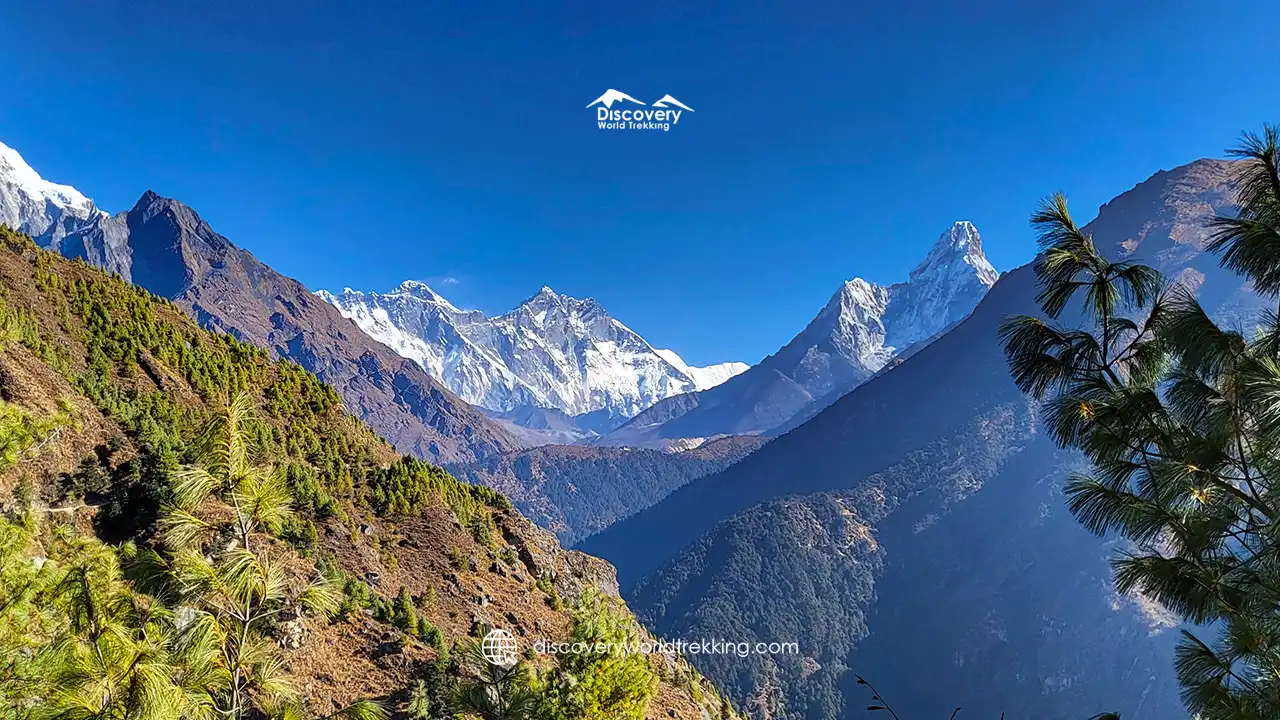
Mount Everest (8,848m)
Relaxed and easy trek in the Everest region
Sagarmatha National Park (UNESCO World Heritage site)
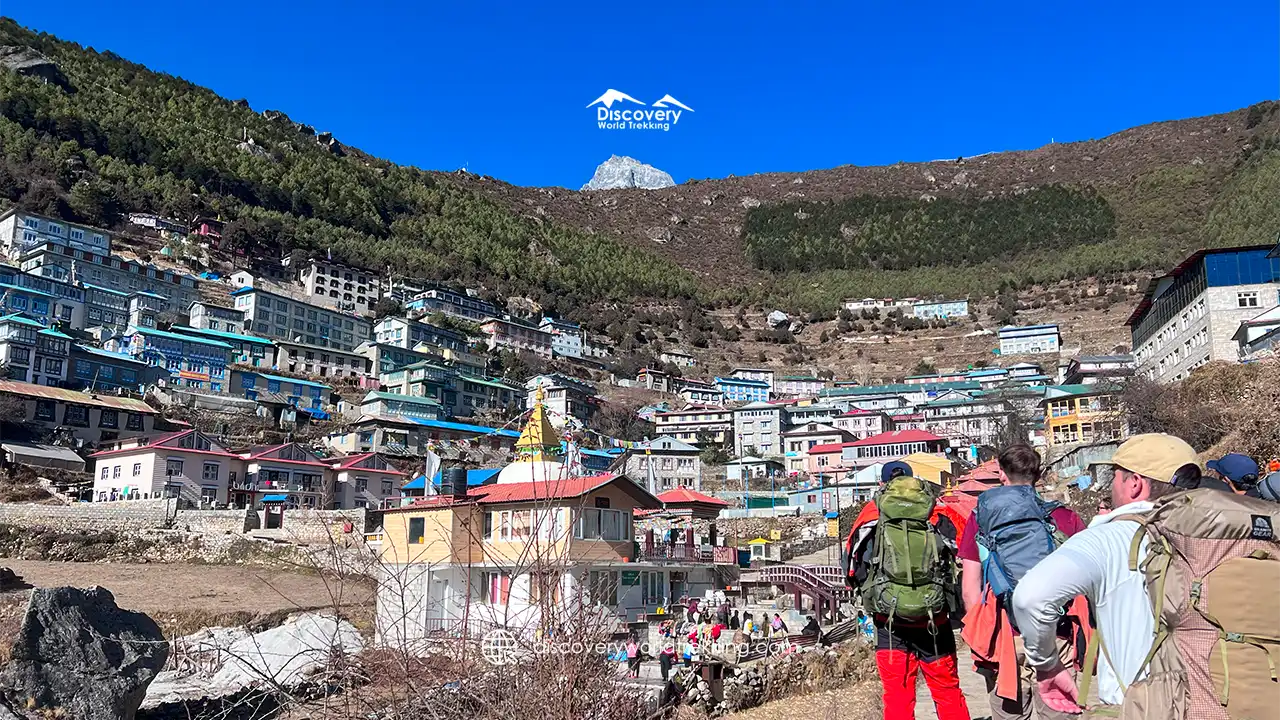
The famous Sherpa town - Namche Bazaar
Highland wildlife like musk deer and Himalayan Monal
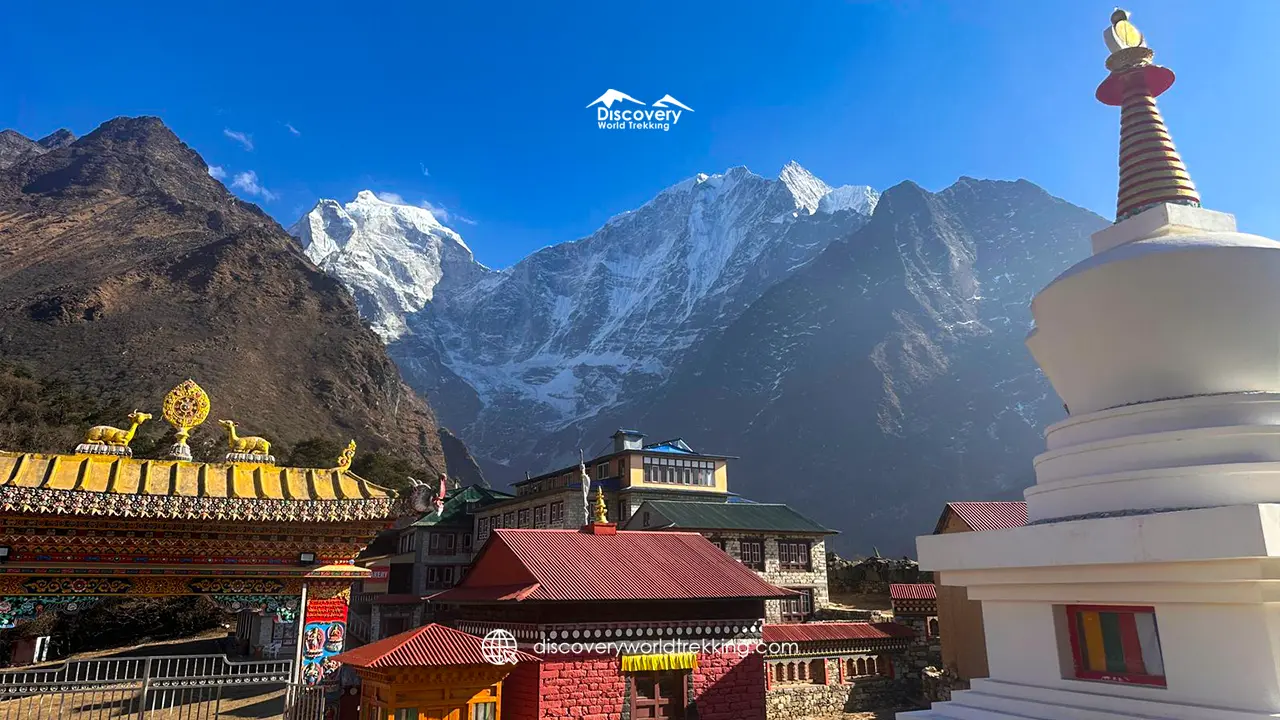
Ancient monastery in Tengboche
Wide range of flora and fauna
Other beautiful high peaks - Mt. Lhotse(8,516m) and Cho Oyu (8,201m)
Everest View Trek Overview
The Everest View Trek is designed as an accessible introduction to the Everest region, ideal for those who want to experience stunning mountain panoramas and immersive Sherpa culture without the intense physical demands of the full Base Camp trek.
This Everest Panorama Trek starts with a scenic flight from Kathmandu or Manthali to Lukla, where you begin a gentle trek through Phakding, nestled in the lower Khumbu Valley with its rich forests, flowing rivers, and charming terraced fields. On Day 2, you make your way to Namche Bazaar—a lively Sherpa town famed for its vibrant culture and strategic viewpoints offering breathtaking glimpses of Mt. Everest and other Himalayan peaks.
A full acclimatization day in Namche Bazaar gives you the chance to explore nearby villages like Khumjung and to visit the Everest View Hotel, perched at around 3,880 m, where panoramic vistas of the towering mountains truly captivate. On Day 4, the trail leads you to Tengboche Monastery (at approximately 3,867 m). As the oldest monastery in the Khumbu region, Tengboche is not only a spiritual landmark adorned with prayer flags and mani walls but also a place where you can enjoy an unparalleled mountain panorama.
The return journey takes you back to Namche Bazaar, as you experience the high-altitude scrublands and then the dense pine and rhododendron forests. Finally, you complete the trek with a descent to Lukla and a flight back to Kathmandu or Manthali, then drive to Kathmandu, concluding a perfectly balanced adventure that offers magnificent views, cultural richness, and easy accessibility for those with limited time or altitude concerns.
This Everest trek is the perfect blend of natural beauty and cultural insight—a gentle yet unforgettable introduction to the majesty of the Himalayas.
Note
To allow time for last-minute preparations, we recommend arriving in Kathmandu by 3 PM at least one day before your trek begins.
Online Trip Briefing
The online briefing will answer all your questions about the trek, including what to pack (equipment checklist), the itinerary, and what to expect on the trail. After you complete your booking, we’ll email you the available briefing dates and times. Once we receive your required documents, we’ll hold the online session.
Lukla Flight Information
Weather conditions can cause delays on flights between Kathmandu and Lukla, so it's wise to add at least two extra days to your itinerary to avoid the risk of missing your international return flight.
During peak trekking months—March, April, May, October, and November—flights to Lukla are often rerouted from Ramechhap (Manthali) instead of Kathmandu due to increased air traffic. If this applies, you’ll need to leave Kathmandu around 12:30 a.m. for a five-hour drive to Ramechhap on the morning of your trek departure. In the off-season, flights typically operate directly from Kathmandu.
Day to Day Short Itinerary
Day 1
Flight from Kathmandu/Manthali to Lukla. Flight time: Approx 40 min from KTM/20 min from Manthali. Trek to Phakding (2,650 m). Trek time: Approx. 3 hrs.
Day 2
Trek from Phakding to Namche Bazaar (3,440 m). Trek time: Approx. 6 hrs.
Day 3
Rest day to acclimatize at Namche Bazaar
Day 4
Trek from Namche to Tengboche (3,855 m). Trek time: Approx. 5 hrs.
Day 5
Trek from Tengboche to Namche Bazaar (3,440 m). Trek time: Approx. 5 hrs.
Day 6
Trek from Namche Bazaar to Lukla (2,850 m). Trek time: Approx. 6-7 hrs.
Day 7
Fly back to Kathmandu/ Manthali from Lukla. Flight time: Approx. 40 min for KTM/20 min for Manthali. Drive time: Approx. 5 hrs from Manthali to KTM
Are you looking to customise the trip itinerary?
If the published schedule does not suit you, we can build the trek around your dates, your pace and what you want to see.
The calendar below displays the available trek schedules. Please select the exact trek start date. Ensure your arrival day is before the trek start date and your departure day is after the trek end date.
Trip Duration7 days
Trip Start and End PointKathmandu / Kathmandu
November 2026
Su
Mo
Tu
We
Th
Fr
Sa
Su
Mo
Tu
We
Th
Fr
Sa
Sold out dates
Today
The price per person depends on your group size. You choose it at the last booking step.
Flight from Kathmandu/Manthali to Lukla (2,850m / 9,350ft). Trek to Phakding (2,650m / 8,562ft)
Trek Distance6.2km / 3.8miles
Flight Hours40/20 minutes
Highest Altitude2,850m / 9,350ft
Trek Duration3 hours
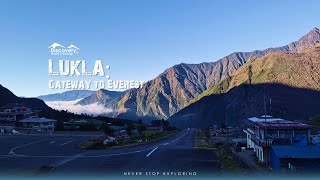
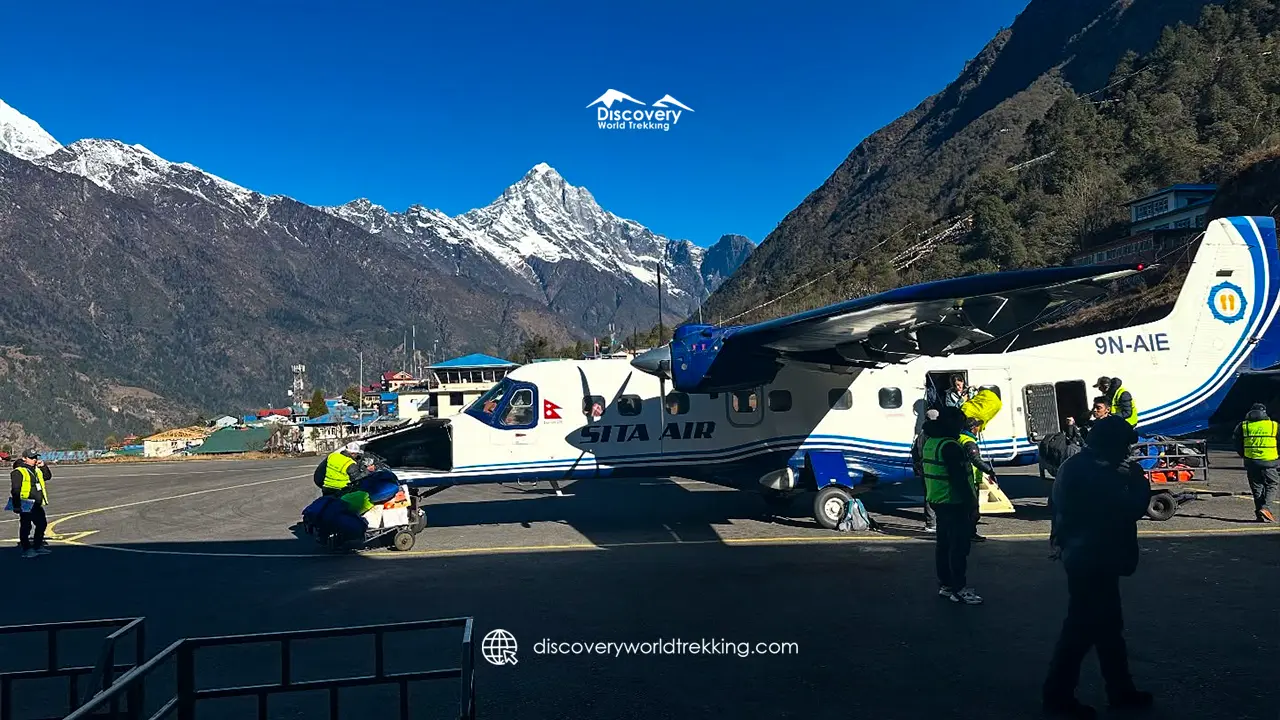
Lukla is the gateway to the Everest region. In the busy trekking months - March, April, May, September, October, and November, flights from Kathmandu to Lukla may be rerouted to Manthali Airport. To catch the early morning Lukla flight, we'll pick you up at your hotel around 12:30 am, and take you on a 5-hour drive to Manthali Airport. After a 20-minute flight from Manthali, you will land at Lukla.
To bypass the Kathmandu-Manthali-Lukla route, you can charter a helicopter from Kathmandu to Lukla for around 550 USD per person when shared among five passengers.
For December, January, February, June, July, or August, you should be able to fly from Kathmandu to Lukla directly. Following breakfast, we'll take you to Tribhuvan International Airport (TIA) for a 40-minute flight to Tenzing Hillary Airport in Lukla.
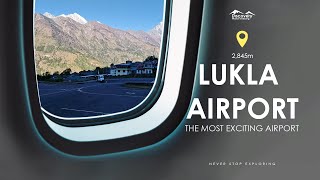
Upon arriving at the Tenzing Hillary Airport at Lukla, your trek begins. At first, you will trek 200m downhill to the Thado Koshi River and cross a suspension bridge. From the bridge, the views of Mt. Kusum Kanguru look impressive. Soon after, you will pass a small Buddhist village, Ghat, before reaching Phakding. This day's trek will be short and enjoyable as you will be acclimatizing. After reaching Phakding, we will take you for a visit to the local monasteries.
Lukla
Lukla Airport
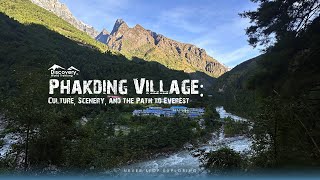
Phakding
Overnight stay at Khumbu Travel Lodge (room with attached bathroom)
Included meals (Breakfast + Lunch + Dinner)
Day 2of 7
Trek from Phakding (2,650m / 8,562ft ) to Namche Bazaar (3,440m / 11,285 ft)
Trek Distance11km / 6.8miles
Highest Altitude3,440m / 11,285ft
Trek Duration6 hours
A long trekking day awaits us. We begin our trek early morning along the northern Dudh Koshi River banks crossing several suspension bridges over Dudh Koshi, including the Hillary suspension bridge. We will be trekking through forested trails to reach a small Sherpa village, known as Monjo. As you hike ahead, you will come to the Sagarmatha National Park Check Post where we register our permits before climbing through a thick, dense forest. From this forest, you will catch the first sight of Mt. Everest. However, we continue our trek further to reach Namche Bazaar - a famous Sherpa town, which is also known as the gateway to Everest.
Namche Bazaar
Namche Bazaar
Near Hillary Suspension Bridge
Overnight stay at Sun Shower Hotel (room with attached bathroom)
Included meals (Breakfast + Lunch + Dinner)
Day 3of 7
Rest day to acclimatize at Namche Bazaar
You will have gained substantial elevation by reaching Namche Bazaar. So it is a perfect time to acclimatize. The town is full of places that you can explore - including numerous Wi-Fi-linked cafes and restaurants, souvenirs, gear shops, pubs, etc. You can choose to visit the Sagarmatha National Park Visitor Center or hike to the Sherpa towns of Khumjung and Khunde. To catch amazing views of Mt. Everest, we will also hike up to the Everest Hotel. After acclimatizing for a day, we will head back to our lodges and prepare ourselves for the next day.
Around Namche
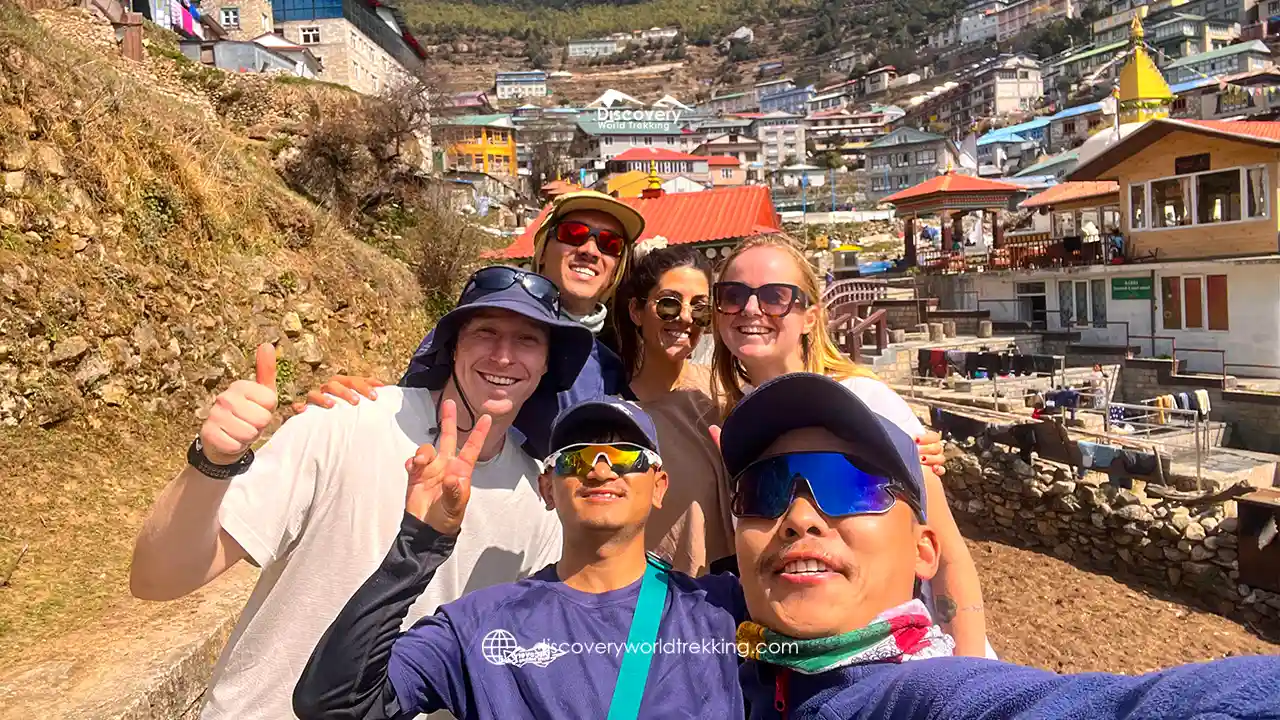
Namche Bazaar
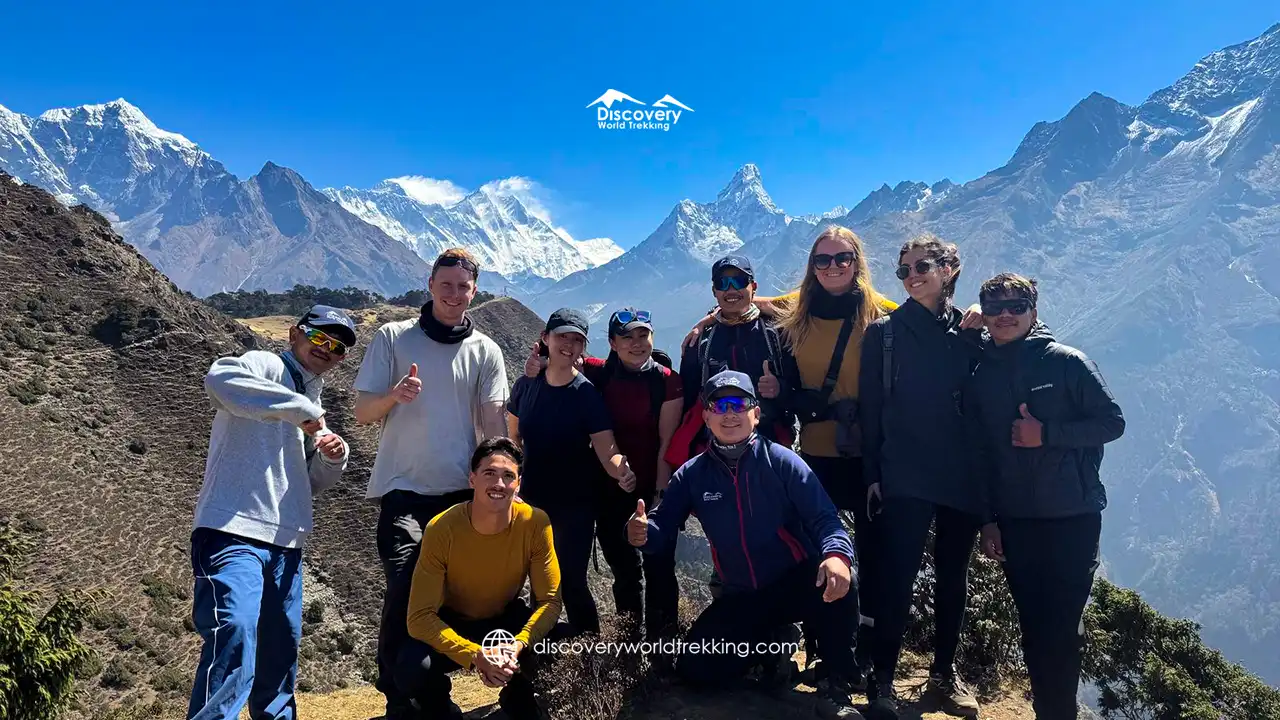
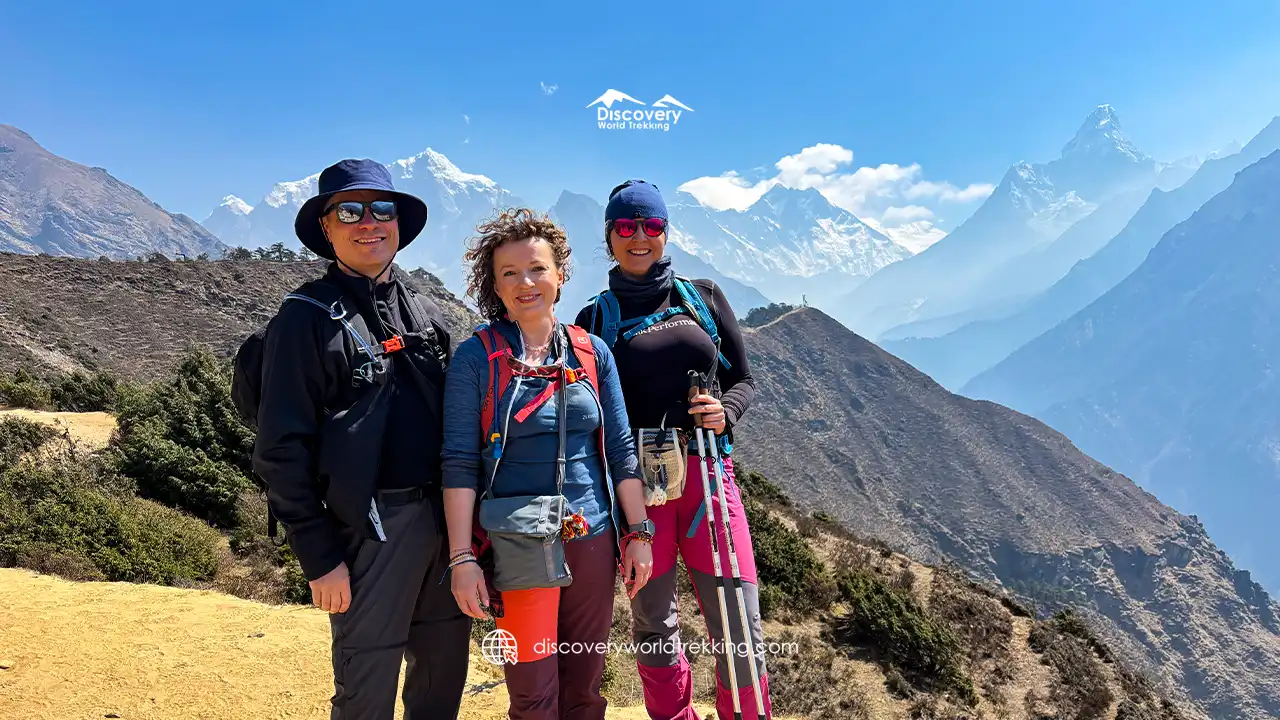
Group Picture with Ama Dablam behind
Overnight stay at Sun Shower Hotel (room with attached bathroom)
Included meals (Breakfast + Lunch + Dinner)
Day 4of 7
Trek from Namche (3,440m / 11,285ft) to Tengboche (3,855m / 12,850ft)
Trek Distance3,855m / 12,850ft
Highest Altitude3,855m / 12,850ft
Trek Duration5 hours
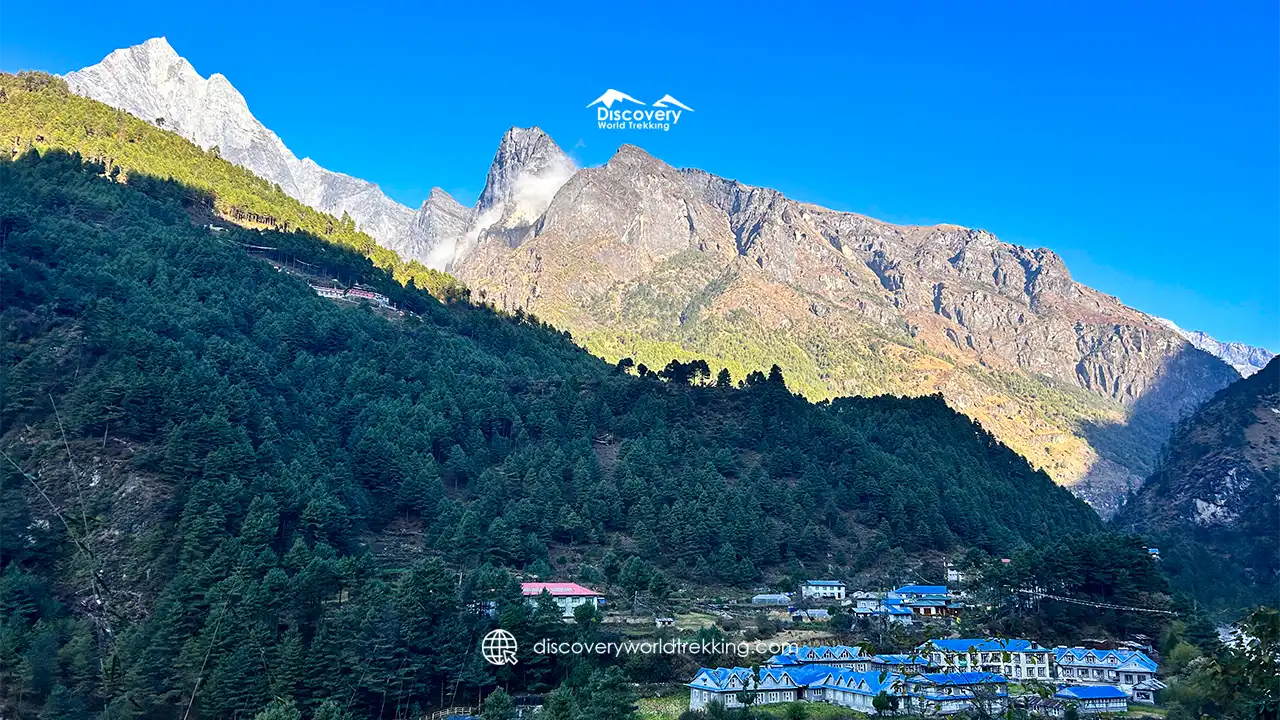
After early morning breakfast, we start our trek to Tengboche following the Dudh Koshi River. From the route on clear days, you will get spectacular views of Everest and other surrounding peaks. Trekkers often spot local wildlife like musk deer, Himalayan Thars, and pheasants while they trek. The trail drops down as we cross the Dudh Koshi River and passes through rigorous pine forests to Tengboche monastery, then to a meadow with surrounding lodges. From Tengboche, you get stunning views of Ama Dablam.
Tengboche
Tengboche
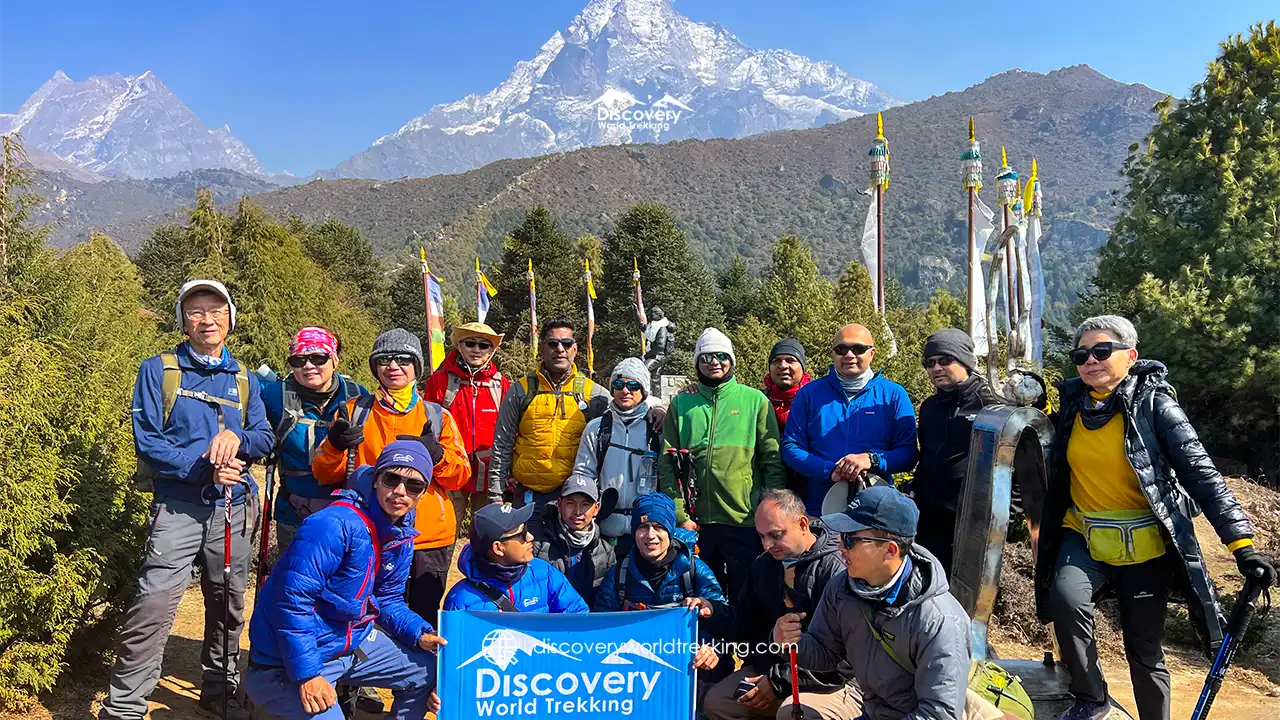
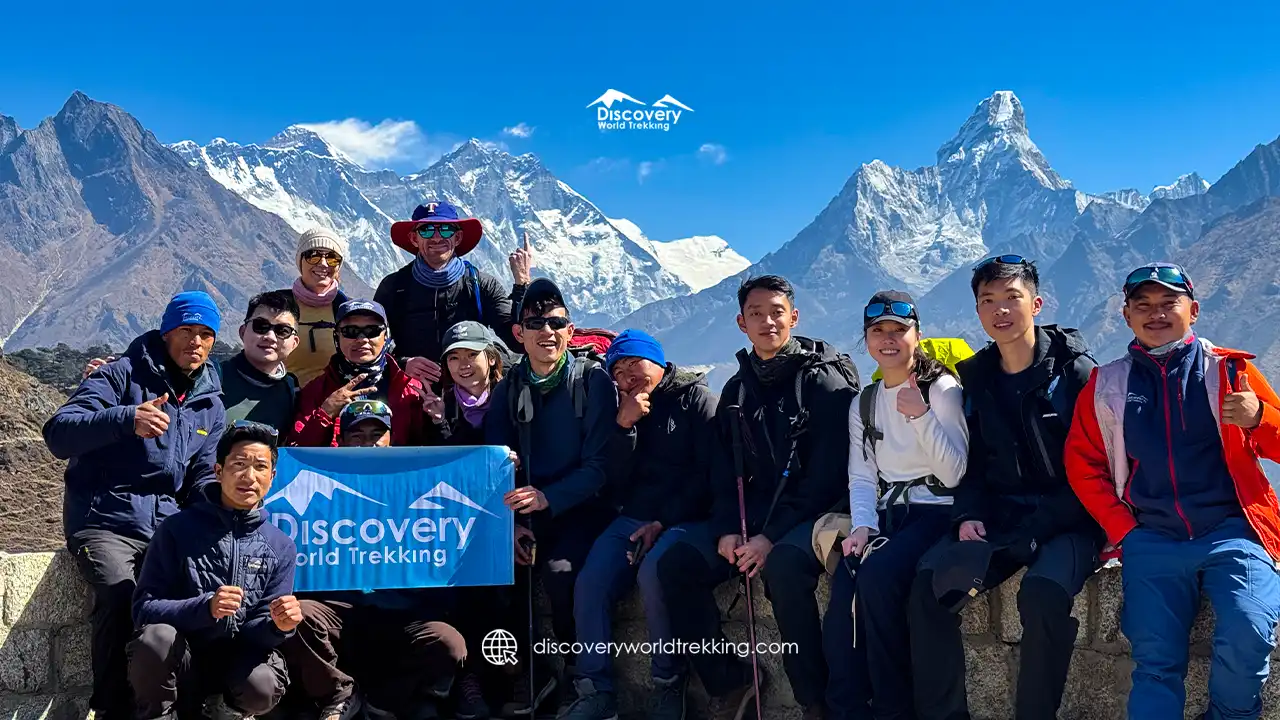
Group Pic with Ama Dablam at the back
Overnight stay at Paradise Lodge
Included meals (Breakfast + Lunch + Dinner)
Day 5of 7
Trek from Tengboche (3,855m / 12,850ft) to Namche Bazaar (3,440m / 11,285ft)
Trek Distance9.2km / 5.7miles
Highest Altitude3,855m / 12,850ft
Trek Duration5 hours
We leave Tengboche in the morning and head to Namche Bazaar through a path that passes through dense forests, where you might get views of wildlife like pheasants, musk deer, mountain goats, or even snow leopard. As we proceed, we will be climbing down some steep winding slopes. The trail will pass through regions with prayer flags and chortens by the side. As we head back, you can click pictures as you enjoy the views of Everest peak and the backside of Lhotse. After arriving at Namche Bazaar, we head to our lodges for rest.
Ama Dablam (Right) and Everest (Left)
Heading to Namche
Namche Bazaar
Overnight stay at Sun Shower Hotel (room with attached bathroom)
Included meals (Breakfast + Lunch + Dinner)
Day 6of 7
Trek from Namche Bazaar (3,440m / 11,285ft) to Lukla (2,850m / 9,350ft)
Trek Distance13.5km / 8.3miles
Highest Altitude(3,440m / 11,285ft)
Trek Duration6-7 hrs
After breakfast, we will be hiking down a steep trail descending to the Hillary Suspension Bridge and then continue our trek through several local villages in and around Dudh Koshi River valley. Upon reaching Lukla, we will freshen up at our hotel and relax. In the evening you can celebrate your successful trek, after all, you have viewed the tallest peak in the world.
Lukla Airport
Phakding
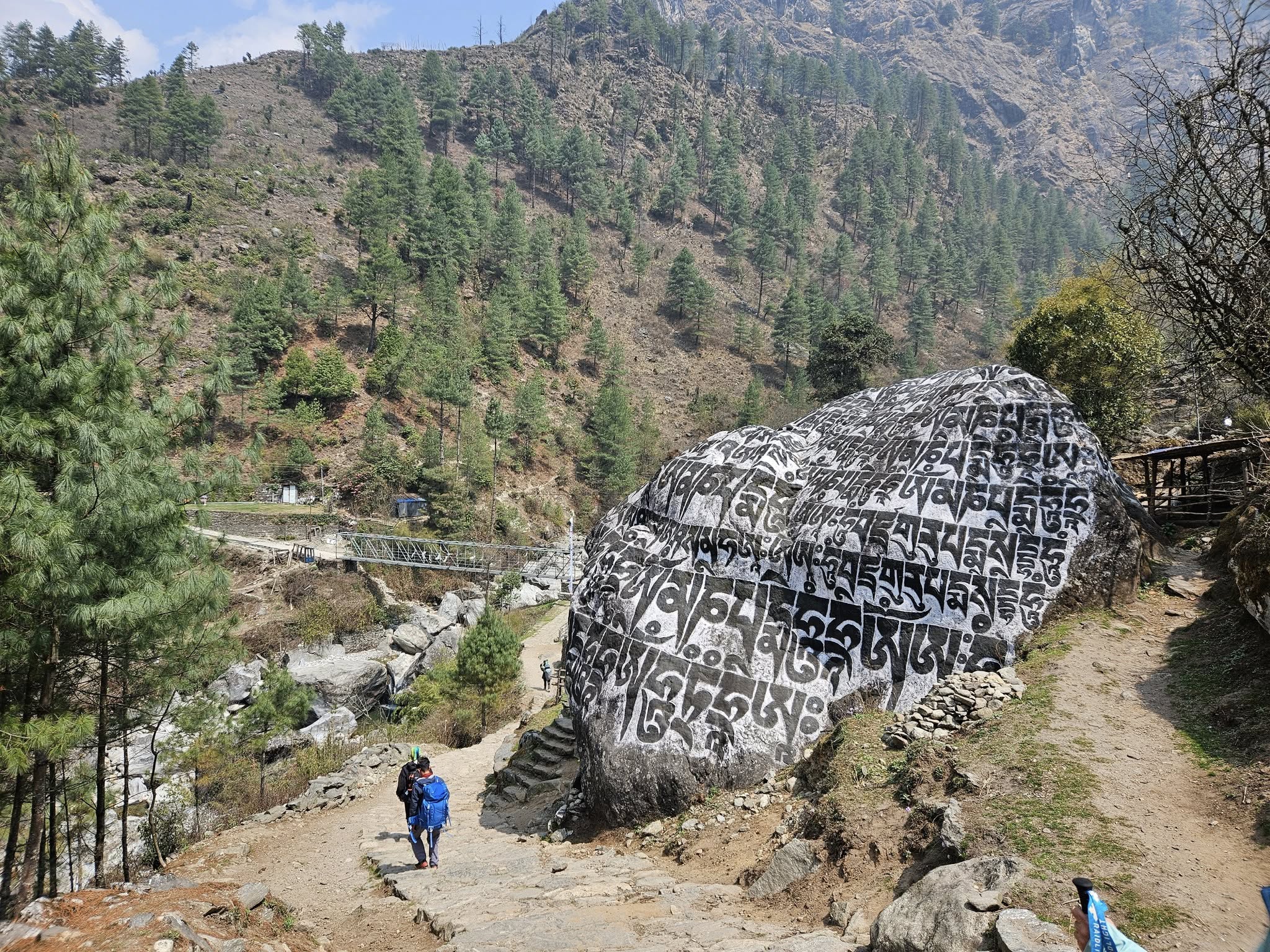
Pray Stone
Overnight stay at Hikers Inn (room with attached bathroom)
Included meals (Breakfast + Lunch + Dinner)
Day 7of 7
Fly back to Kathmandu/Manthali from Lukla (2,850m / 9,350ft)
Flight Hours40/20 minutes
After your trek ends in Lukla, you will fly back to Kathmandu or Manthali, depending on the season. If you are trekking in March, April, May, September, October, or November, you'll probably fly to Manthali, followed by a five-hour drive to Kathmandu. In other months (December, January, February, June, July, and August), you will fly from Lukla to Kathmandu directly.
If you do not want to take the Lukla-Manthali-Kathmandu route, with four other individuals, you can book a helicopter.It will cost around 550 USD per person.
After arriving in Kathmandu, you can spend your time as you like.
Included meal (Breakfast)
You have seen all 7 days.Next, choose the date you want to start.
Round-trip flight tickets for Kathmandu/Manthali and Lukla (Kathmandu–Manthali–Kathmandu travel via shared vehicle)
Private transportation to and from Kathmandu Airport and your hotel
Accommondations
Total six nights. Five nights rooms with attached bathroom - Lukla, Phakding, and Namche (3 N). One night in a standard room at Tengboche.
Food
Standard full-board meals (7 Lunches, 6 Dinners, and 7 Breakfasts), with one main course per meal.
Water purification tablets for safe drinking water
Seasonal fresh fruits every day
Guide and Porter
Government licensed English-speaking Discovery World Trekking experienced trek leader and porter to help your luggage. Per trekker luggage weight limit is 9 kg.
Guides and porter's cost, their meals, insurance, salary, lodging, transportation, flight, and other necessary equipment
Trek Permits and Expenses
Sagarmatha National Park entry permit fee
Khumbu Pashang Lhamu Rural Municipality fees.
All government, local taxes, and official expenses
Medical Assistance
Rescue operation arrangement in case of complicated health conditions (funded by travel insurance)
Medical kits, including an oximeter to monitor blood oxygen saturation levels in high altitudes
Souvenir
Souvenir - a company's T-shirt & cap
Farewell
Discovery World Trekking trek achievement certificate
Farewell dinner in Kathmandu at the end of the trek
Benefits
Sleeping bags and down jackets, duffle bag (one for every two trekkers) if you do not have your own
Free excess luggage storage at the Discovery World Trekking store for the duration of the trek
What is excluded in this trek package?
International Flight
International flight airfare
Accommondations
All accommodation in Kathmandu, before and after the journey
Extra night accommodation in Kathmandu due to early arrival or late departure, or early return from the trek
Food
All accommodation in Kathmandu, before and after the journey
Extra night meals in Kathmandu due to early arrival or late departure, or early return from the trek
Guide and Porter
Tips for guide and porters
Visa
Nepal entry visa fees at Tribhuwan Internationa Airport
Travel Insurance
Travel insurance which has to cover emergency high-altitude heli-rescue and evacuation (compulsory)
Personal Expenses
Personal expenses (shopping, snacks, boil bottle water, hot (tea/coffee) and cold drinks, hot shower, alcohol, Wi-Fi, telephone call, battery re-charge fees, extra porters, etc
Personal clothing and gear
Other Expenses
Excess baggage charges (Limit is 9kg per person)
Additional costs caused due to circumstances beyond our control - including landslides, bad weather, itinerary modification for safety concerns, illnesses, change of government policies, strikes, etc
All the costs and expenses not listed in "cost includes" will be counted as excludes.
The temperature chart above is a general guide that shows average monthly values. In reality, temperatures can vary due to altitude, season, wind, and rapid weather changes in the Himalayas.
We recommend you bring basic clothing and accessories for the trek. Porters will carry your luggage, but they will not carry more than 18 kg of combined weight. We provide one porter for every two trekkers. So per trekker limit is 9 kg. Please find a fellow trekker and pack your things together in a duffle bag of over sixty liters capacity. If you require, we can arrange one porter per trekker.
Here is a list to help you pack things for the trek.
Head and Face
6 items
Sun hat or cap (wide-brimmed)
Ear-covering warm hat or knitted beanie
Scarf, buff, or neck gaiter
UV-protection sunglasses
High SPF sunscreen and lip balm
Lightweight headlamp with spare batteries
Upper Body
8 items
Moisture-wicking short or long-sleeved t-shirts
Thermal base layers (light for warm months/heavy for cold)
Fleece and puffy/insulated jacket
Down jacket for colder elevations
Waterproof and windproof outer jacket
Lightweight long-sleeve breathable trekking shirt
Synthetic bra for women
Waterproof nylon raincoat or poncho
Handwear
3 items
Warm insulated gloves or mittens
Lightweight liner gloves
Waterproof outer gloves for snow or wet conditions
Lower Body
5 items
Quick-drying trekking pants and underwears
Convertible or full-length trousers
Quick Drying Underwear Thermal leggings or base layers
Warm trekking trousers (insulated pants) for colder sections
Lightweight cotton pants for evenings/ inside teahouses
Backpack/Support/Sleeping Gear
7 items
Duffle bag/Rucksack (50-60 liters, shared between two trekkers)
Day backpack (20–30 liters) with rain cover
Adjustable and lightweight trekking poles (preferably collapsible),
Reusable water bottles or hydration bladder (minimum 2 liters)
Water purification tablets, a filter, or a UV purifier
Sleeping bag (rated -5°C to -10°C)
Earplugs
Footwear
5 items
Broken-in trekking boots with ankle support and good grip
Warm wool or synthetic trekking socks
Lightweight camp shoes or sandals for river crossings
Gaiters for protection against mud, water, and debris
Microspikes/crampons (seasonal) for better grip while crossing snowy and icy high passes
Electronics and Documents
4 items
Camera/Smartphone
Power bank and charging cable
Two-pin charging adapter
Passport photocopies and passport-sized photos in waterproof bags
Toiletries
6 items
Toothbrush and toothpaste
Medium-sized quick-dry towel
Biodegradable soap or shampoo Toilet paper (in a Ziplock bag)
Nail Clipper Body wipes/wet tissues
Feminine hygiene products
Hand sanitizer
Medications
4 items
Personal kits and medications (inhalers, allergy medicine, etc.) are highly recommended
Blister care kit (Compeed/moleskin)
Cough drops or throat lozenges (very useful in dry air)
Basic first aid supplies (band-aids, antiseptic wipes, pain relievers, Diamox)
Optional Items
7 items
Snacks and energy bars
Notebook or pen for journaling your experience
Book or e-book
Binoculars
Small multi-tool
Pee-bottle/pee-funnel for women
Comb
We can provide a used duffle bag (non-waterproof), down jacket, and sleeping bag if you don’t have your own.
2 steps · Everything you need to know before you book: permits, meals, costs and what each day looks like. No rush, take your time.
Arrival (free airport pickup)
0%
Discovery World Trekking provides free airport arrival and departure transfer for our valuable clients booking the Everest Panorama Trek package. Our representative will be at Tribhuvan International Airport, holding a pamphlet with your name. They will offer you a garland or a Khada as a welcome gesture and take you to your hotel in a private vehicle. We provide this service to ensure you do not face navigational or other problems in a foreign country.
Trek start
We will pick you up from the airport and take you to your hotel. You will require at least one overnight stay at a hotel in Kathmandu. The next day, early morning, you will take a domestic flight to Lukla that takes approximately 40 minutes. This package includes Kathmandu-Lukla-Kathmandu flight costs.
Accommodation
The Everest Base Panorama Trek is a 7-day hike requiring six nights of lodge-to-lodge stay at trek regions. We will arrange the best available lodges in those areas. You will stay five nights in rooms with an attached bathroom at Lukla, Phakding, and Namche (3N). In Tengboche, you will stay in a standard room. All rooms are twin-sharing rooms.
You will require two nights' hotel stay in Kathmandu before and after the trek, but it is not included in the package. Kathmandu has a wide range of hotels that suit all budgets and tastes.
Meals
This trek takes you to high elevations in the periphery of the world’s highest peaks, which means you require carbohydrates, proteins, and other nutrients. Though the choices may be fewer, we will provide you with enough nutritious and tasty food during the trek.
We will provide seven breakfasts, seven lunches, and six dinners during the trek. All meals in the trek regions are on a full-board basis (breakfast, lunch, and dinner / main course).
The menu contains traditional, Asian, and Western cuisine, but as we climb up, the menu gets shorter. We highly recommend liquids like green tea, lemon tea, hot lemon, ginger tea, and garlic soup (must) at high altitudes. Fresh vegetables are great for your health as well. We want you to try popular Nepali dishes - dal (lentil), bhat (rice), tarkari (curry), momos (dumplings), and Chow mein.
Though plenty of non-veg items will be available in trek regions, we do not recommend them because the meat in trek regions may not be hygienic. We highly encourage you to avoid dairy, alcoholic, caffeinated items, and hot chocolates.
All personal bills (alcoholic drinks, hot (tea/coffee), and cold drinks) in tea houses/Lodges or cafes except standard meals (Breakfast, Lunch, and Dinner with seasonal fruits) are excluded from the package.
Luggage
We assign one porter for every two trekkers. Per trekker luggage weight limit is 9 kg, so one porter will not carry more than 18 kg of combined luggage. We never overload our porters. Even though porters will carry most of your luggage, we expect you to carry a regular backpack for your valuables. We recommend you bring only the essentials to the trek. You can store your excess baggage in your hotel or our store for free. We will recheck everything (luggage, equipment, gear) before starting the journey.
Typical day
Each day comes with a unique trek experience , enjoying the scenery, taking photos, and exploring the local villages. Our experienced and friendly trek guides/Sherpas will share information about the places as you trek. Porters will carry our luggage, but you need to carry a small regular-day bag pack for valuable items.
The day starts with an early morning hot cup of tea/coffee, and we set off on the day’s walk around 7 to 8 am, depending on the duration and nature of the day’s walk.
After trekking for three to four hours, we serve lunch around midday on the route to the next destination. After lunch, we will rest for an hour and then continue. The afternoon walk will be shorter. Once you reach the overnight lodge/tea house, you can snack on the extra dietary food. In your free time, before dark, you can explore nearby places.
We will serve dinner around 6 to 7 pm. After dinner and before heading to bed, you can engage in friendly conversations and discuss your experiences with each other. Your leader/guide will brief you about the next day’s plan. After this briefing and before going to bed, you can enjoy reading books, watching mountaineering videos if available, or playing board games like Monopoly or cards. Most foreigners also learn simple Nepali words from our crew.
Electricity and water
Throughout the lodges at Everest View Trek regions, you can get electricity for your camera and mobile for a small price. You can buy packed mineral water from local lodges or en-route shops. In addition, you can carry a water bottle and fill it with boiled or filtered water that you can purchase at lodges or tea houses. You should not drink water from rivers, taps, and wells in the trek regions for hygiene concerns.
Communication
During the Everest View Trek, you can use internet service at the lodges, but it comes with some extra service charge. Once we reach high altitudes, we will communicate by phone for safety. Discovery World Trekking remains in contact with all its trek groups at least once daily through trek leaders to ensure everyone is safe and comfortable. If you want, you can buy a local sim in Kathmandu. However, depending on your network, the signals might not be strong enough.
Tipping
Nepali culture accepts tipping. Tipping is at travelers' discretion and should reflect the service rendered trek length and trek cost. We advise you to tip the crew collectively at the end of the trek.
Trek End
On the last day of your trek, in the morning, we will take you to Lukla for a 40-minute flight back to Kathmandu. The flight cost is included in this package. We hope you will have a relaxing flight as you relive the moments of your trek. You can spend the remaining day as you like. We will organize a farewell dinner later in the evening.
Feedback
After completing the Everest View Trek, we will organize a farewell dinner in Kathmandu. After the trek, we will present you trek achievement certificate. This is also a perfect time to give us your feedback about the trip.
Useful Info
Lukla Aiport is very busy during the trekking season, but due to bad weather, there is a chance of flights getting canceled or postponed. Hence, we recommend you add two extra days to this trek package so that you will not miss your international flight back to your country. You can hire a helicopter in case of flight delays, but it will cost you between USD 500 to 1000. Similarly, the above itinerary is a general guideline. In rare cases, we might need to adjust the itinerary for circumstances beyond our control, such as bad weather, landslides, government decrees, etc.
Trip extension
After completing your trek, if you want to stay a couple of days extra in Nepal, we can arrange other activities for you - including exploring and sightseeing in and around Kathmandu Valley, Chitwan jungle safari, paragliding, rafting, canoeing, etc.
Departure
On the day of your departure back to your home country, our representative will pick you up from your hotel and transfer you to Tribhuvan International Airport. We hope you enjoyed your trek in Nepal and will be back for more adventures in the Nepali Himalayas. We provide around a hundred trek packages.
Trek season
0%
The weather is the crucial factor you must consider while deciding to participate in Everest View Trek. Adventurers, locals, and trek enthusiasts hike to Everest Base Camp trek throughout the year, but there are ups and downs based on seasons. The best trek season is during the spring and autumn as the sky is crystal clear, the chances of rain are minimum, and there are no clouds. Clear azure skies provide the most spectacular vistas, while the favorable warm temperature makes the trek heavenly.
During winter, the trek becomes challenging due to heavy snowfall and cold temperatures, but it also excites some trekkers. Similarly, summer coincides with the monsoon in Nepal, so the path is a little slippery and wet. Different months in everest region have different weather and trail conditions.
January to February: This time is the coldest, especially from early January to early February. There is heavy snowfall in the trek regions resulting in frigid temperatures. Though the daytime may be warm and admirable with clear skies, the nighttime is extremely cold, but the trek is possible in these months. Discovery World Trekking conducts safe Everest View Treks during these months, but if you are allergic to colds, you shouldn’t trek during these months.
Temperature: Temperatures range from 15°C to -5°C
March to April: It is one of the best seasons for Everest View Trek due to favorable weather. You can get stunning views of the Himalayan ranges and glaciers. March, being the beginning of the spring season, the weather starts to warm up. During these months, all flora and fauna, dormant throughout the winter, come back to life, feeding, and breeding in the sun-kissed temperatures. Temperatures start increasing from the mid of March, and with clear skies, snow mountains look their best.
Temperature: Around 18°C during the day and around 6°C at night
May to June: This is also the perfect time for trekking, right before the rainfall. Rainfall in Nepal starts at the end of June and lasts till mid-August. The mix of spring and summer seasons makes the trek much more enjoyable.
Temperature: Around 25°C during the day and around 7°C at night
July to August: The rainfall hits its peak during this time at altitudes below 3500 meters. Due to heavy rainfall, flights to Lukla may get canceled at the beginning or end of the trek, but trekkers trek to Everest Base Camp during these months. The hike is challenging but not impossible. We do conduct safe Everest View Treks during this time. If you trek during these months, you will witness spectacular views of the waterfalls in comparatively uncrowded trails.
Temperature: Around 27°C during the day and around 10°C at night
September to October: These months also form one of the perfect Everest View Trek seasons. Large numbers of trekkers visit Everest region during these months. As the monsoon slowly ends, a perfect trekking climate sets in. The temperature rises to 20 degrees during the daytime and falls to 5 degrees at night. Most trekkers enjoy trekking the most at this time due to the clear skies, which provide stunning views of the mountains. Tourists coming for the Everest View Trek view in these months can also enjoy the festive mood of Nepalis as two major Nepali festivals - Dashain and Tihar fall during these months.
Temperature: Around 20°C during the day and around 6°C at night
November to December: As winter slowly begins, snowfalls start in the Himalayas, and it gets tough to trek. Nights get very cold. November treks are easier with sparkling days and amazing views of glorious mountains. The daytime temperatures are very stable, but nights are cold. From December, the temperature starts to get very low due to snow.
Temperature: Around 15°C during the day and around -14°C at night
Walking the Everest View Trek together with the Discovery World Trekking became one of the most unforgettable journeys of my life that was full of inspiring views and cultural encounters. Paul an...
B
Bentley Jan 29, 2024
Walking the Everest View Trek together with the Discovery World Trekking became one of the most unforgettable journeys of my life that was full of inspiring views and cultural encounters. Paul and his team are really exceptional in supporting and ensuring gentle and pleasurable trekking.
I can never be thankful enough for the amazing experience of the Everest region. From my experience I can say, I am sure these memories will stay with me forever. I highly recommend the tour to anyone who wants to experience stunning nature in a really real and unforgettable way.
C
Charlotte Jan 23, 2024
If you're seeking an unforgettable adventure amidst the majesty of the Himalayas, look no further than the Everest View Trek! My journey here with Discovery World Trekking was an experience beyond words. The real highlight was,...
C
Charlotte Jan 23, 2024
If you're seeking an unforgettable adventure amidst the majesty of the Himalayas, look no further than the Everest View Trek! My journey here with Discovery World Trekking was an experience beyond words. The real highlight was, of course, the views of Everest itself. Gazing upon the world's tallest peak, was a moment I'll cherish forever.
Our guide was exceptional, and knowledgeable about the area's history, culture, and the nuances of trekking in the Himalayas. They ensured our safety and comfort throughout the journey, and their passion for the region was truly inspiring.
Overall, the Everest View Trek exceeded all my expectations. It's a must-do for anyone with a sense of adventure and a love for the great outdoors. Highly recommended! I will come back again to do the Everest base camp trek.
The Everest View Trek is located in the Everest region of Nepal. It takes trekkers through the Sagarmatha National Park and offers views of Mount Everest and other high peaks.
The trek generally takes about 7 days to complete.
Key highlights include the scenic flight to Lukla, views of Mount Everest (8,848m), Namche Bazaar, Sagarmatha National Park (a UNESCO World Heritage site), Tengboche Monastery, highland wildlife, and stunning mountain views of peaks like Lhotse (8,516m) and Cho Oyu (8,201m).
Yes, the trek is designed for all age groups and fitness levels, providing a gentler experience with lower risks of altitude sickness.
This trek allows trekkers to experience stunning views of Everest and the Sherpa culture without the intense effort required for higher-altitude treks like the Everest Base Camp trek. It’s a great introductory trek in the Everest region, ideal for those seeking a shorter, easier journey.
Yes, you can do a private Everest View Trek.
A private Everest View Trek offers a personalized experience tailored to your pace and preferences with your near ones instead of strangers in group treks.
Preparation & Fitness
The Everest View Trek is easy. A reasonable fitness is needed, but it's manageable for most people. It’s shorter and less strenuous than the full Everest Base Camp trek, focusing on panoramic views rather than high-altitude challenges.
Yes, beginners with limited trekking experience can undertake this trek. It’s ideal for those who want to experience the beauty of the Everest region without the more intense demands of high-altitude trekking.
You can engage in regular cardiovascular exercises, such as jogging or hiking, at least 3-4 weeks before the trek. You can also include leg-strengthening exercises and some endurance training to get used to walking uphill for extended periods.
Permits
The main permits you require are the Sagarmatha National Park Permit and a Khumbu Pasang Lhamu Rural Municipality Entrance Permit.
Yes, the permits are included in our trek package.
You can obtain the permits in Kathmandu or Lukla, but we will acquire those permits on your behalf so that you can trek hassle-free.
Insurance & Visa
Yes, travel insurance is mandatory for safety and financial security.
Your insurance should cover health care costs as well as emergency helicopter evacuation up to the highest trek altitude (3,900 m). Please check with your insurer if helicopter evacuation is included in your policy.
Yes, all foreigners except Indians require a visa to visit Nepal. You can obtain it upon arrival at the Kathmandu Tribhuvan International Airport or in advance from a Nepali embassy or consulate.
Guides & Porters
Yes, the package includes an experienced guide for navigation, information, and safety throughout the trek.
Guides provide insights into the local culture and natural environment, ensure your safety, and handle logistics. Porters assist in carrying luggage, allowing trekkers to focus on the experience.
Since April 2023, the government has made it mandatory to have a guide while trekking inside national parks and protected areas.
Accommodation
Accommodation is provided in comfortable teahouses and lodges along the trekking route, offering a cozy and authentic experience. We handpick tea houses for hygiene and quality.
Yes, many teahouses provide electricity and hot showers, although there might be an extra charge for hot showers in higher-altitude locations.
Wi-Fi and charging points are usually available at teahouses, but both may incur additional costs, and the connectivity can be limited as you move higher.
Food & Drinks
Meals include breakfast, lunch, and dinner with locally inspired options, such as rice, noodles, soups, and vegetables, to keep you nourished and energized.
Yes, vegetarian and vegan options are usually available. Please inform your guide in advance of your dietary restrictions.
You can buy bottled water but we advise you to bring a water bottle and fill it with boiled/filtered water at lodges. We also recommend you use water purification tablets or a filtration system for safety. Please do not drink directly from local water resources.
Weather
The best seasons are spring (March-May) and autumn (September-November), which offer clear skies, mild temperatures, and excellent mountain views.
Clear weather enhances visibility, making views of the Everest region more spectacular. Unpredictable weather can impact flight schedules to and from Lukla and may result in colder conditions at higher altitudes.
The monsoon season (June-August) is generally not recommended due to heavy rainfall and slippery trails. Winter (December-February) is cold but doable, with quieter trails and clear skies; however, be prepared for colder conditions.
Health & Safety
Altitude sickness, dehydration, and cold-related illnesses are some health concerns. However, this trek is incredibly safe.
Altitude sickness is a concern but less likely on this shorter trek as you will not gain much height. Acclimatization days, walking at your own pace, and staying hydrated help mitigate its effects. Descending to a lower altitude can alleviate symptoms if they develop.
In an emergency, guides are trained in first aid, and evacuation options (e.g., helicopter rescue) are available for severe cases, provided you have insurance that covers it.
Packing & Gear
Essential items include comfortable trekking boots, warm clothing (layers), a rain jacket, a hat, sunscreen, water purification tablets, and a first-aid kit. Please see our equipment section for details.
A sleeping bag is recommended for extra warmth, especially during colder months to complement lodge-provided bedding may not be sufficient at higher altitudes.
Trekking poles provide stability on uneven terrain and can reduce knee strain during descents. You can see our equipment section for gear.
Booking & Payments
We advise you to book at least a month in advance, especially for the peak seasons (spring and autumn).
We require 10% of the trek cost to confirm the booking, with the balance payable after arriving in Kathmandu. You can pay using bank transfer, credit card, Wise, or Western Union. In Kathmandu, we also accept cash.
Yes, we have cancellation and refund policies, please visit our terms and conditions page.
Transportation
Most treks begin with a flight to Lukla, the gateway to the Everest region. During peak trek seasons (March, April, May, October, and November), the flight to Lukla will be from Ramechhap/Manthali instead of Kathmandu. At other times, the flight will be from Kathmandu.
Yes, a domestic flight to Lukla is necessary to reach the starting point.
After the trek, you’ll fly back from Lukla to Kathmandu. In case of flight delays, the flights are automatically postponed and you can wait for your flight. However, if you are in a hurry, you can rent a helicopter but it will cost more than USD 550, provided five persons split the cost.
Now Offering 100% Private Treks
Discover Nepal’s breathtaking trails at your own pace with our exclusive private treks. No strangers, no rushed schedules—just you, your adventure, and complete flexibility.
Personalized Itineraries
Tailor your trek to fit your schedule and preferences.
Dedicated Guide & Porter
Experience expert guidance with personalized attention.
This site uses cookies to optimize your user experience. By using this site, you are consenting to our use of these cookies. Check out our Privacy policy.




Trip Reviews
Explorations that last a lifetime.
Walking the Everest View Trek together with the Discovery World Trekking became one of the most unforgettable journeys of my life that was full of inspiring views and cultural encounters. Paul an...
If you're seeking an unforgettable adventure amidst the majesty of the Himalayas, look no further than the Everest View Trek! My journey here with Discovery World Trekking was an experience beyond words. The real highlight was,...