

Lukla Airport Flight: First Step to Everest Region

If you’ve ever dreamed of trekking to the Everest region, there’s one unforgettable first step you can’t skip: a Lukla Airport flight.
Perched high in the Himalayas, Lukla Airport—officially Tenzing Hillary Airport—is one of the most exhilarating and challenging airports in the world.
It’s small, steep, and surrounded by mountains, yet it’s the gateway to Everest Base Camp, Gokyo Lakes, and more.
Before you even lace up your boots, your adventure begins in the air, offering jaw-dropping views, a dose of adrenaline, and an experience you’ll never forget.
In this article, we’ll cover everything you need to know: the history of Lukla Airport, flight logistics, peak-season travel, helicopter alternatives, safety tips, and insider stories that make your Lukla Airport flight part of the adventure.
Introduction to Lukla Airport
The word “Lukla” means the area of goats and sheep. This airport used to be called Lukla Airport after the Lukla Village in the Solukhumbu District of northeastern Nepal, where it is located.
However, in 2008, it was renamed Tenzing Hillary Airport to honor Tenzing Norgay Sherpa and Edmund Hillary, the first people to reach Mount Everest.
It holds a special place in the hearts of trekkers and mountaineers as the gateway to the Everest region. Its runway is notably short and positioned on a steep incline, adding thrill to every landing and take-off.
Lukla Airport is the gateway to many treks and expeditions in the Everest region, including Everest Base Camp, Ama Dablam Base Camp, Everest View, and Gokyo treks.
Technical Details
Understanding the technical aspects of Lukla Airport will help you appreciate why every Lukla Airport flight is both thrilling and challenging:
- Altitude: 2,860 meters (9,400 ft)
- Runway Length: 527 meters (1,729 ft)
- Runway Width: 20 meters (65 ft)
- Slope: 12° incline from north to south
- Terrain: One side has a massive mountain wall, the other a sheer drop into the valley
- Navigation: No radar; flights rely on Visual Flight Rules (VFR)
This short, steep runway requires precision landing and a well-timed takeoff. The incline slows down aircraft during landing and gives a speed boost on departure—but one miscalculation can be catastrophic. Yet, with experienced pilots and modern regulations, Lukla Airport flights are remarkably safe.
Aircraft for Lukla Flights
Lukla flights are operated by a handful of domestic airlines specializing in STOL (Short Takeoff and Landing) aircraft. Here’s a breakdown:
| Aircraft Type | Passengers |
|---|---|
| Twin Otter DHC 6/300 | 19 |
| Turbolet LET L-410 UVPE-20 | 19 |
| Dornier DO-228 STOL | 19 |
| Pilatus PC-6 Porter | 11 |
During peak season, 50 flights per day may operate to accommodate the influx of trekkers, yet every flight must contend with unpredictable weather, terrain, and visibility challenges. The careful planning and experience of pilots make the flight a once-in-a-lifetime combination of thrill and scenic beauty.
How does Lukla Airport operate?
The airport is busy throughout the year, but is busier in trek seasons (March to May and September to November).
As an STOL Airport, mostly Twin Otter, Dornier, L-410 turbolet, and Pilatus Turbo Porter aircraft fly to Lukla. The weather plays a huge role in the flights to/from Lukla.
Nepal Civil Aviation Authority (CAAN) permits flying these aircraft only when the visibility is 16,400 feet or more.
The 40-minute flight from Kathmandu Airport involves navigating through the high Himalayas. Therefore, all flights follow Visual Flight Rules (VFR).
The airport is in a high mountainous region, where the weather changes quickly. Hence, most flights take place around 6:00 am to avoid the cloud build-up later in the day. It also means the time window for conducting flights to and from Lukla is limited, making the Lukla Airport very busy.
Landing at Lukla airport requires exceptional skills, and only highly qualified pilots are permitted to conduct the flights.
The Civil Aviation Authority of Nepal (CAAN) rules state that the pilots flying to/from Lukla must have at least one year of flying experience in STOL airports in Nepal, completed at least 100 STOL flights, and flown to Lukla ten times under a certified pilot.

-
Flying to Lukla from Kathmandu
For weather considerations, the flights to Lukla will be in the morning. Hence, depending on your flight time, you must reach Tribhuvan International Airport domestic terminal at around six. The distance from Kathmandu to Lukla is about 140 km or 87 miles, and the flight lasts around 40 minutes.
-
Flying from Manthali Airport (Ramechhap) to Lukla
During peak trek seasons (March to May and September to November), due to air traffic congestion in Kathmandu Airport, the Civil Aviation Authority of Nepal (CAAN) requires flights to/from Lukla to be conducted from Manthali Airport in Ramechhap district.
A drive to Manthali from Kathmandu will take four to five hours. Since you have to reach Lukla Airport in the morning to avoid the afternoon clouds, you may have to reach Manthali early in the morning.
If in Kathmandu, you must wake up around 1 am and reach Manthali around 6 am to catch your flight. The flight from Manthali to Lukla lasts for twenty minutes.
Chat with our trek expert on WhatsApp.
- Understand the itinerary, trail, and weather conditions
- Get expert tips on gear, fitness, and mental preparation
- Ask your questions and get personal advice
Lukla Flight Cost
A one-way Lukla flight usually costs about USD 215 per person from Kathmandu to Lukla and about USD 175 per person from Ramechhap to Lukla for foreign travelers.
The price changes mainly because of the departure airport, season, and flight operations.
In peak trekking months, many Lukla flights are rerouted from Kathmandu to Ramechhap to reduce delays and air traffic congestion, which changes the fare and also adds road-transfer costs from Kathmandu.
Weather, demand during spring and autumn trekking seasons, and limited early-morning flight slots also affect pricing.
Shared Helicopter Flights to Lukla
Lukla (2,860 m) is the main gateway for Everest Base Camp treks. Since regular flights from Kathmandu to Lukla are often delayed or diverted—especially in peak season—helicopters offer a faster and more reliable alternative.
Kathmandu → Lukla (Direct Helicopter)
| Detail | Information |
| Availability | Shared & Private Flights |
| Helicopter Capacity | 4-5 passengers + pilot |
| Per Person Cost (Shared) | Around USD 550 – 600 |
| Full Helicopter Charter | Around USD 3,000 |
| Duration | About 40 Minutes |
Ramechhap (Manthali) → Lukla
| Detail | Information |
| Availability | Common during peak trekking months (from Ramechhap) |
| Helicopter Capacity | 5 passengers + pilot |
| Per Person Cost (Shared) | Around USD 400 – 450 |
| Full Helicopter Charter | Around USD 2,200 |
| Duration | About 20 minutes |
What is the Luggage weight limit for Lukla Flights?
You can carry up to 15 kg of luggage at no cost, which includes a hand carry of 5 kg and a duffel bag of 10 kg. If you carry over this limit, you must pay more. Some airlines might not even allow extra luggage even if you pay.
For these reasons, you should consider limiting your luggage to said limit. We advise you to bring your valuables, important documents, and medicines in hand carry and the rest of your luggage in a duffel bag.
What Makes a Lukla Airport Flight Special?
Flying to Lukla is unlike any other airport experience in the world. Imagine: you’re in a small aircraft, gliding above the green terraced valleys of Nepal, snow-capped Himalayan peaks stretching endlessly around you. Your heart races as the plane approaches the short, sloped runway clinging to the mountainside.
- Takeoff: One chance to lift off the runway before it ends in a freefall to the valley below.
- Landing: You feel the aircraft bounce slightly on the incline as it touches down, then slows to a stop on the short runway.
- Views: Kathmandu Valley in the distance, terraced hills, and the Himalayas looming in all directions.
It’s exhilarating. Passengers often clap for the pilots after landing, a small ritual that captures the awe, relief, and excitement of arriving safely at the gateway to Everest.
Treks for this journey

Everest Base Camp Trek - 14 Days
The 14-day Everest Base Camp trek takes you into the heart of Nepal’s Khumbu region to stand at the base of the tallest peak on Earth, Mt. Everest. From glacial valleys to rugged ridges, you’ll experience authentic Sherpa villages and Buddhist monasteries while navigating the grandeur of the Himalayas.

Ama Dablam Base Camp - 13 Days
If you seek adventure among the mountains, this trek is the one for you. This alternative trek in the Everest region allows you to witness the immense beauty of the Himalayas while passing through the famous Kongma La Pass and reaching Mount Ama Dablam Base Camp. It is the best trek option for adventurers seeking unforgettable views of the Himalayan range in the Khumbu region.
What happens if Lukla flights get canceled?
Due to rapid weather fluctuations, mainly due to altitude, the weather at Lukla Airport can change abruptly. If the flight to Lukla gets canceled, it will be rescheduled for the next available flight. Hence, we recommend you add a few extra days to your journey to Lukla, especially at the end of your trip.
Safety and Pilot Requirements
The Civil Aviation Authority of Nepal (CAAN) ensures that every pilot flying to Lukla is highly qualified:
- Minimum 1 year STOL experience
- At least 100 STOL flights completed
- At least 10 flights to Lukla under a certified instructor
- Flights operate only in daylight and clear weather
These precautions, combined with modern aircraft, make the journey safe while maintaining the thrill of landing at one of the world’s most iconic airports.
Managing the Lukla flight uncertainty

In addition to adding a few days extra for the trek, you can choose an insurance policy that covers unfavorable conditions, such as weather delays and flight delays/cancellations. “Trip interruption” insurance, for instance, can cover extra travel expenses due to rescheduled or canceled flights.
Lukla Airport has played a pivotal role in fostering tourism in Nepal. It serves as the starting point for treks to Everest Base Camp, providing a vital air link for those seeking to explore the breathtaking landscapes of the Khumbu region.
Though the elevation of Lukla Airport makes it one of the highest airports in the world, its unique blend of its size, strategic location, and role in connecting adventurers to the unparalleled wonders of Everest makes Lukla Airport a lifeline for adventurers, trekkers, and nature lovers alike.
It has been doing so for more than sixty years. To this day, Lukla Airport symbolizes adventure and achievement in the heart of the Himalayas.
The History of Lukla Airport
The history of Lukla Airport is intertwined with the legacy of Sir Edmund Hillary and Tenzing Norgay, who reached the summit of Mount Everest in 1953. After summiting Everest and gaining international fame, Edmund Hillary supervised the construction of this airport, which debuted in 1964.
Initially, Edmund Hillary wanted to use the flat farmlands for the airport, but the local farmers refused to give them their limited farmlands.
So, instead, Hillary bought the land where the current airport is for USD 2,650. He purchased alcohol for the Sherpas in the area and requested them to engage in a foot-stomping dance aimed at enhancing soil resistance. This hardened the soil, making it suitable for airstrip.
Initially, Lukla Airport was a simple airstrip, serving as a crucial entry point for trekkers and mountaineers. The runway was improved many times and was finally paved thirty-seven years later, in 2001.
Over the years, Tenzing Hillary Airport has undergone several upgrades to enhance safety and accommodate the growing number of adventurers eager to explore the Everest region.
In 2019, almost 129,508 passengers used this airport. It is also the busiest short take-off and landing (STOL) in Nepal, with an average of 30-50 flights conducted every day in peak trek seasons.
Conclusion
A Lukla Airport flight is far more than a means of transportation—it’s the first taste of Himalayan adventure. From the legacy of Hillary and Tenzing to navigating one of the world’s most challenging runways, every flight combines excitement, safety, and breathtaking scenery.
With proper planning, buffer days, travel insurance, and early-morning flights, your journey to Everest Base Camp can start safely and memorably. Whether you’re flying from Kathmandu or Ramechhap, in a small propeller plane or a helicopter, this flight will remain a story you tell for years.
The flight to Lukla is your gateway to the adventure of a lifetime—a thrilling introduction to the Himalayas and a testament to human ingenuity, local collaboration, and the spirit of exploration.
FAQs
How dangerous is a Lukla Airport flight?
Flying to Lukla is considered thrilling due to its short runway, steep terrain, and rapidly changing weather. Pilots are highly experienced, and modern aircraft plus strict regulations make flights much safer. While caution is needed, thousands of trekkers fly here every year without incident.
When is the best time to fly to Lukla?
The safest and clearest months are March–May (spring) and September–November (autumn). Early morning flights are recommended, as mountain weather worsens later in the day. Spring offers blooming scenery, while autumn provides crisp air and stunning Himalayan views.
What if my Lukla flight is canceled?
You can wait for the next flight, which airlines usually reschedule within a day or two. Helicopter flights are faster and more flexible but costlier, ideal for urgent travel. Alternatively, trek via Jiri, Phaplu, Salleri, or Surkhe for a scenic, multi-day route to Lukla.
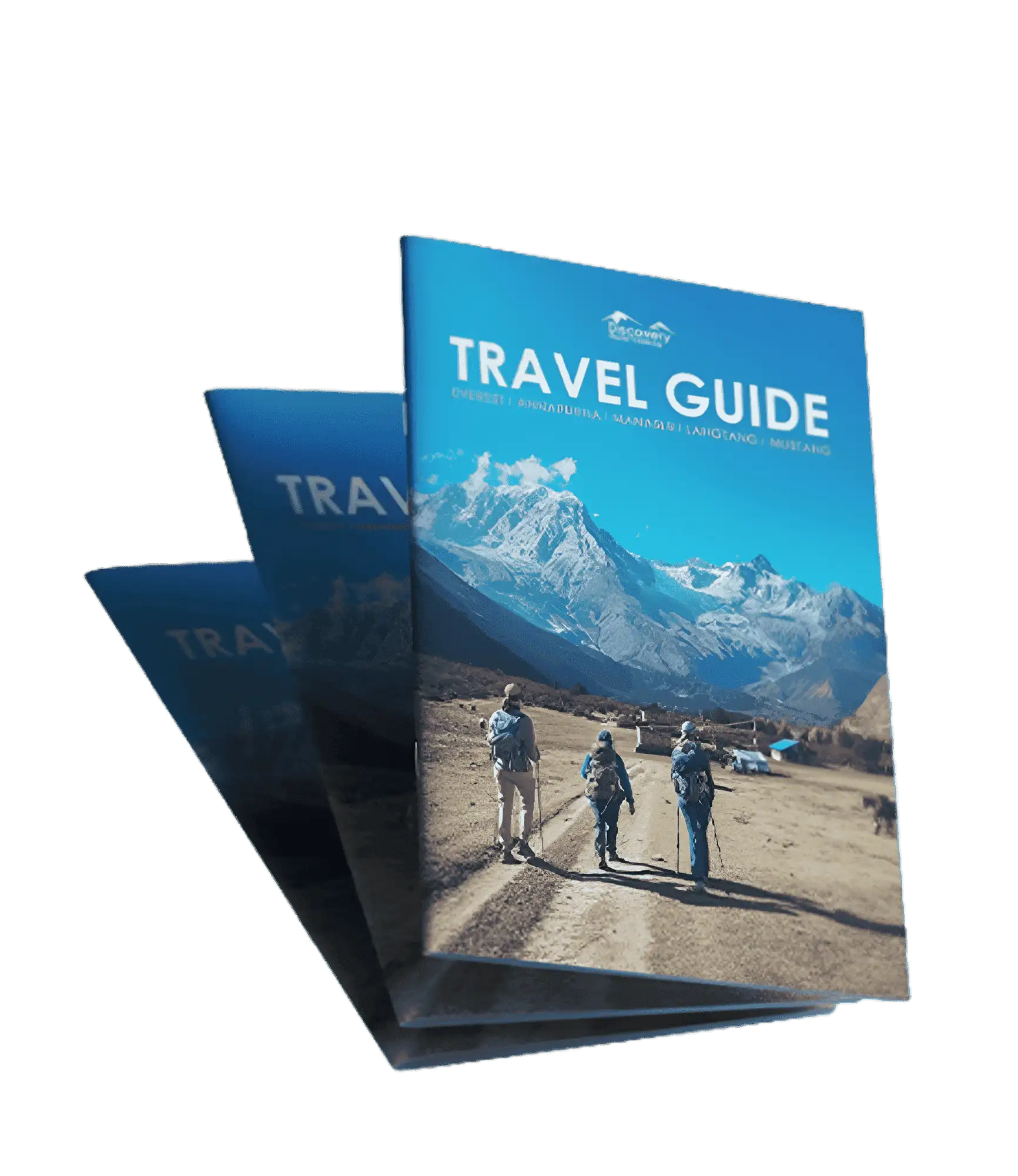
Plan Your Trek Like a Pro
Get our free Nepal travel guide filled with expert insights, local tips, and essential planning advice.

About the author
Paul Gurung
Paul has an extensive experience in the tourism industry. Through his blogs, he shares his deep knowledge about the stunning trek regions in Nepal, inspiring trekkers worldwide to explore these regions and enrich their lives. In addition to geography, his writings delve into the human side of the trek regions, including culture, traditions, religions, and etiquette, offering a comprehensive and enriching perspective on the Himalayan trekking and expedition experience.
Questions about this article?
Ask our team on WhatsAppPlan Smarter, Trek Better
Connect with our local expert for honest recommendations, personalised guidance, and insider tips to make every step of your adventure count.
Other Blogs
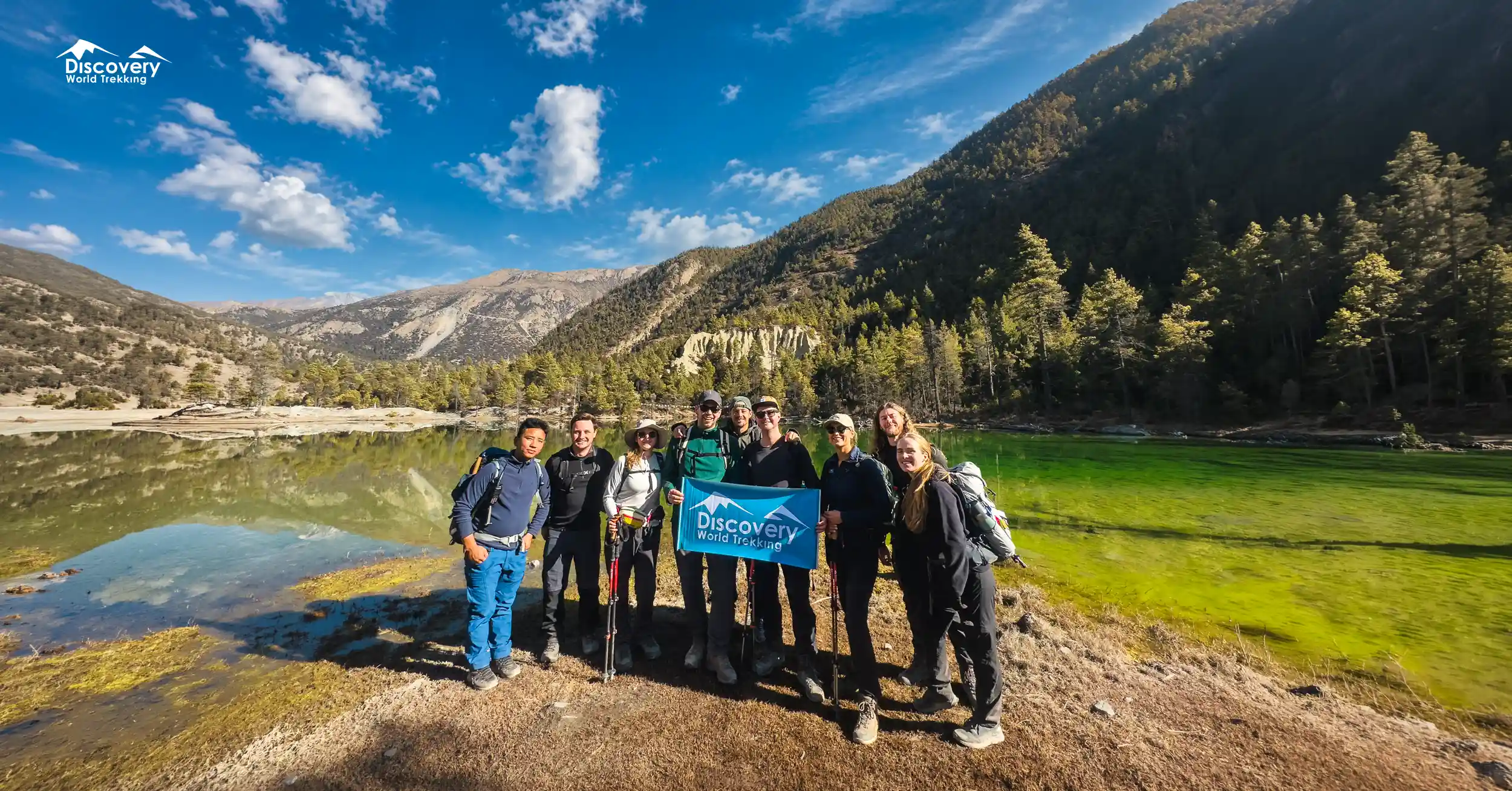
15 Best Spring Treks in Nepal
Spring brings trekkers from around the world to Nepal for flowering forests, warmer walking days, and snowy mountain views. The spring trekking season runs from March to May. During these months, rhododendrons brighten the forest trails, days grow longer, and temperatures gradually rise after winter. Each trek in Nepal offers...

Best Treks in Nepal
Nepal holds some of the world's finest trekking routes , from iconic base camps to high passes and cultural trails. Whether you want a short hike with mountain views or a serious high-altitude challenge, Nepal delivers it all. Why Trek in Nepal? Routes for every experience level Nepal offers shorter...

Flood Relief to Families in Nuwakot
We at Discovery World Trekking have distributed essential household supplies to around 100 families in Nuwakot affected by the Rasuwa flood of August 26, 2026. Our team delivered the materials in Pandegaun, Bidur Municipality–1, and at the Gerkhutar holding centre in Ward No. 10. The distribution followed a two-day field...

Get our free Nepal travel guide filled with expert insights, local tips, and essential planning advice.