

Annapurna Circuit Trek in January
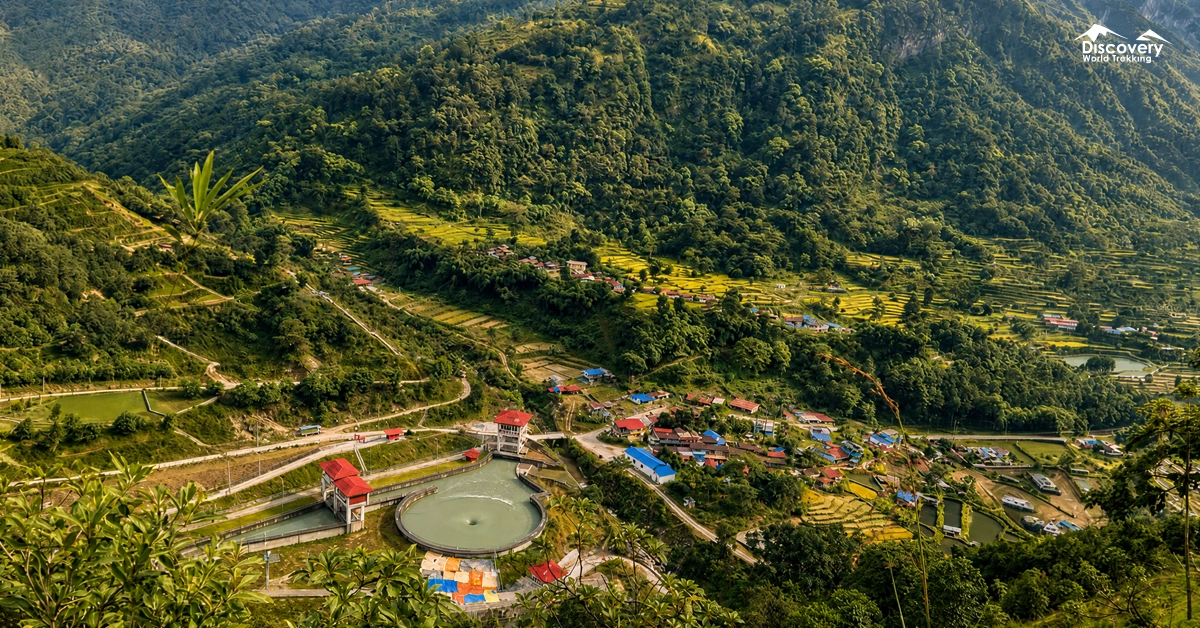
January is one of the coldest and quietest months on the Annapurna Circuit. The weather is generally dry, with crisp air, low humidity, bright daytime sunshine, and clear views of the Himalayan peaks.
However, mornings and nights are cold, especially at higher elevations, where snow, ice, and strong winds create proper winter trekking conditions.
January has shorter daylight hours, and occasional winter storms can bring fresh snowfall around Thorong La Pass.
Is the Annapurna Circuit Trek Possible in January?
Yes, you can complete the Annapurna Circuit Trek in January. Trekkers cross the circuit during winter when the weather remains stable, and the trail around Thorong La Pass is accessible.
However, you need thorough physical preparation, reliable winter clothing, suitable footwear, proper acclimatization, and additional days for possible weather delays.
Snowfall can temporarily slow the journey, while poor visibility or strong winds may require you and your group to wait before attempting the pass.
You must trek with a licensed guide arranged through a government-registered trekking company. A qualified guide can check current snowfall, communicate with lodges, evaluate the condition of Thorong La, and decide whether it is appropriate to continue.
Annapurna Circuit Weather and Temperature in January
Weather conditions change significantly as the trail climbs from the lower Marsyangdi Valley toward Manang and Thorong La Pass.
Lower Elevations
The lower elevations include Bhulbhule, Ngadi, Jagat, and Dharapani. Average daytime temperatures generally range from 5°C to 10°C, while nighttime temperatures are commonly around 0°C to 5°C.
Days can feel pleasantly cool when the sun reaches the valley, but temperatures drop noticeably in shaded gorges and beside the Marsyangdi River.
Rainfall is uncommon in January, so most paths remain relatively dry. Trekkers can expect stone steps, suspension bridges, dirt tracks, rocky ledges, and narrow trails above the river.
Morning frost may develop on shaded stones, wooden bridges, and damp sections close to waterfalls. Water spray can also freeze overnight, creating small patches of transparent ice that are difficult to notice.
Although deep snow is unlikely in most lower areas, waterproof boots with dependable grip are still important.
| Area | Average Day Temperature | Average Night Temperature |
| Bhulbhule, Ngadi, Jagat, Dharapani | 5°C to 10°C | 0°C to 5°C |
Mid-Elevations
The mid-elevation section covers Chame, Upper Pisang, Ghyaru, Ngawal, Braga, and Manang. Average daytime temperatures are generally between −5°C and 5°C, while nighttime temperatures commonly fall between −10°C and −5°C.
The air becomes colder and drier in this section. Direct sunlight can make daytime walking feel comfortable, but shaded forest trails remain cold throughout the day. Once the sun moves behind the mountains, the temperature can fall quickly.
Trail conditions vary between dry, frozen, and snow-covered surfaces. Pine-forest paths may contain frost, while exposed slopes around Upper Pisang, Ghyaru, and Ngawal can hold compacted snow after a storm.
Outdoor taps, streams, and wet trail edges often freeze overnight. Repeated daytime thawing and nighttime freezing can create hard ice, particularly near villages and water crossings.
Snow is generally more frequent near Manang, although the area's relatively dry climate means coverage can be uneven. One slope may remain clear while a shaded section nearby stays frozen for days.
| Area | Average Day Temperature | Average Night Temperature |
| Chame, Upper Pisang, Ghyaru, Ngawal, Braga, Manang | −5°C to 5°C | −10°C to −5°C |
Higher Elevations
Higher elevations include Yak Kharka, Ledar, Thorong Phedi, High Camp, and Thorong La Pass. Average daytime temperatures can range from approximately −10°C to −15°C, while nighttime and pre-dawn temperatures may fall between −15°C and −20°C.
Conditions feel considerably colder when strong winds move across the exposed alpine terrain. Before sunrise, the wind chill near Thorong La can make the temperature feel far below the measured figure.
Above Manang, the path commonly includes frozen ground, compacted snow, icy traverses, loose rock, and windblown snowdrifts.
Deep snow after a storm can hide the main track and make each step more tiring. The climb from Thorong Phedi toward High Camp is steep, while the final pass crossing involves prolonged exposure to cold and wind.
The descent toward Muktinath can also be difficult. Hard snow, ice, mud, and loose gravel may appear on the same section, increasing the possibility of slipping.
Trekking poles, gaiters, and microspikes become especially valuable at these elevations. Conditions vary each year and can change after a single snowfall.
| Area | Average Day Temperature | Average Night Temperature |
| Yak Kharka, Ledar, Thorong Phedi, High Camp, Thorong La Pass | −10°C to −15°C | −15°C to −20°C |
Average Temperature in January
Benefits of Trekking Annapurna Circuit in January
January allows trekkers to experience the changing landscapes and cultures of the entire Annapurna Circuit in a quieter winter setting.
Peaceful Trails
January is outside Nepal's main trekking seasons, so the trail receives far fewer visitors than in spring and autumn. You may walk for long periods without meeting another large trekking group.
Suspension bridges, viewpoints, monasteries, and village paths feel calmer, while teahouse dining rooms are rarely crowded.
This quieter setting gives you more time to notice the sound of the river, wind through the forests, moving prayer flags, and animals crossing the trail.
Clear Himalayan Views
January's dry air and low atmospheric moisture frequently produce sharp mountain visibility during stable weather.
Lamjung Himal, Annapurna II, Annapurna III, Annapurna IV, Gangapurna, Tilicho Peak, Pisang Peak, the Chulu range, and Dhaulagiri can appear clearly against a deep blue sky.
Visibility is often strongest during the morning, before wind or afternoon cloud develops. Fresh snowfall can make ridgelines, glaciers, and rock faces appear even more defined.
Snow-Covered Landscapes
January creates different winter scenery at each elevation. The lower valleys may have frost-covered farmland and frozen waterfall edges, while the forests near Chame can receive a light layer of snow.
Around Upper Pisang and Manang, snow settles on stone houses, monastery roofs, mani walls, and surrounding slopes.
Beyond Manang, the terrain becomes more alpine, with frozen streams, white ridges, and broader snow-covered sections.
After Thorong La, the white high mountains contrast strongly with the drier brown and red landscape toward Muktinath and Mustang.
Better Photography Conditions
Winter provides clean air, strong contrast, and low-angle sunlight. Snow reflects the early morning light, creating golden, silver, and blue tones across the mountains.
Photographers can capture frost around Manang, snow-lined trails above Ledar, prayer flags at Thorong La, dry winter scenery near Muktinath, and sunrise over the Annapurna and Dhaulagiri ranges from Poon Hill.
Fewer people also make it easier to photograph villages and viewpoints without crowded backgrounds.
More Personal Local Experiences
Winter changes the rhythm of life in the mountain villages. With fewer guests, teahouse owners often have more time to speak with trekkers, explain local customs, and share what daily life is like during the coldest period of the year.
You may see families preparing fuel, storing food, caring for animals, and managing frozen water supplies.
The quieter atmosphere makes interactions in Manang, Muktinath, the Thakali settlements, and the Pun-Magar villages feel more personal than during the busy trekking months.
Tilicho Lake in January
You should trek to Tilicho Lake in January only under exceptionally stable conditions, and the journey should be considered a serious winter trek rather than a regular trekking side trip.
The lake is usually partly or completely frozen, while deep snow and hard ice may cover the route beyond Khangsar. January is one of the coldest periods in the Annapurna region, with extreme winter conditions and snowfall possible at higher elevations.
The exposed slopes between Sri Kharka and Tilicho Base Camp can become difficult to cross when snow hides the narrow trail. Strong winds, freezing temperatures, and short daylight hours add further challenges.
Many seasonal teahouses may remain closed or provide only basic food and accommodation. Trekkers should confirm lodge operations in Manang, travel with an experienced local guide, and carry microspikes, trekking poles, gaiters, and suitable winter clothing.
When the route is covered by deep snow or affected by avalanche danger, trekkers should avoid the Tilicho extension and select safer acclimatization hikes around Manang.
Accommodation and Food Availability in January
Accommodation is available along the Annapurna Circuit in January, but fewer lodges operate than during spring and autumn.
Major settlements such as Jagat, Dharapani, Chame, Upper Pisang, Manang, Muktinath, Tatopani, and Ghorepani generally have a selection of open teahouses. In smaller and higher places such as Ledar, Thorong Phedi, and High Camp, only one or a few lodges may be operating.
Rooms should be confirmed before leaving the previous settlement. Bedrooms are usually unheated, although dining rooms may have a central stove in the evening.
Blankets are normally provided, but they are not a substitute for a winter sleeping bag rated to approximately −20°C.
Warm, filling meals are particularly popular in January. Dal bhat provides rice, lentil soup, vegetables, and carbohydrates for long walking days.
Other useful winter options include thukpa, garlic soup, noodle soup, porridge, Tibetan bread, potatoes, eggs, momo, fried rice, and pasta.
Hot lemon, ginger and honey tea, masala tea, and hot chocolate are commonly ordered to warm up and support hydration.
| 📄Ready to Pack for Your Annapurna Circuit Trip? Download Checklist |
Practical Tips for a Successful January Trek
Prepare specifically for freezing January conditions rather than following a standard autumn packing list.
- Carry a four-season sleeping bag rated to approximately −20°C, thermal base layers, a heavy down jacket, a windproof shell, insulated gloves, spare glove liners, warm socks, a balaclava, and waterproof boots.
- Pack microspikes and gaiters for hard snow and icy sections above Manang.
- Start walking early because January has limited daylight. Keep at least one or two contingency days available in case snowfall delays the Thorong La crossing. Check the next day's weather, wind, and trail report every evening with your guide and lodge owner.
- Carry an insulated bottle because water can freeze at higher elevations. Continue drinking regularly even when you do not feel thirsty.
- Store phones, power banks, and camera batteries close to your body or inside your sleeping bag overnight.
- Use sunglasses and high-SPF sunscreen because snow reflects ultraviolet radiation.
- Most importantly, never attempt Thorong La during heavy snowfall, a whiteout, or strong wind simply to maintain the planned schedule.
Is the Annapurna Circuit Trek in January Worth It?
Yes, the Annapurna Circuit Trek in January is worth it for trekkers who want a quieter and more adventurous Himalayan experience.
The month offers crisp winter air, clear mountain views, peaceful villages, frozen natural features, and impressive snow-covered terrain at higher elevations.
However, January is not a predictable or comfort-focused trekking month.
The experience requires dependable winter equipment, good fitness, gradual acclimatization, professional guidance, and a willingness to adjust the itinerary.
Thorong La Pass should only be attempted when your guide confirms that the weather and trail are suitable.
For thoroughly prepared trekkers who respect winter conditions, January can provide one of the most memorable and visually striking Annapurna Circuit experiences.
FAQs
How cold is the Annapurna Circuit in January?
Lower elevations generally experience daytime temperatures of around 5°C to 10°C and nighttime temperatures of 0°C to 5°C. Around Chame, Pisang, and Manang, temperatures may range from −5°C to 5°C during the day and −10°C to −5°C at night. Near Thorong La, temperatures can fall to approximately −20°C, with wind making it feel colder.
Can beginners trek the Annapurna Circuit in January?
Yes, a physically fit beginner can trek the Annapurna Circuit in January, but only with thorough training, suitable winter gear, proper acclimatization, and a licensed guide.
Beginners who have never walked in snow, used microspikes, or experienced freezing mountain conditions may find January considerably more demanding than spring or autumn.
Are teahouses open on the Annapurna Circuit in January?
Yes, teahouses remain open in the main villages, but not every property operates during January. Larger settlements generally provide several options, whereas Ledar, Thorong Phedi, and High Camp may have very limited availability. Your trekking company or guide should confirm the operating lodge at each overnight location before you continue.
Do I need microspikes for the Annapurna Circuit in winter?
Yes, carrying microspikes is strongly recommended in January. You may not need them on the lower trail, but they can provide essential traction on compacted snow and ice around Manang, Ledar, Thorong Phedi, High Camp, Thorong La, and the descent toward Muktinath.

Annapurna Circuit Trek Weather
Annapurna Circuit Trek in February
Plan Smarter, Trek Better
Connect with our local expert for honest recommendations, personalised guidance, and insider tips to make every step of your adventure count.


Get our free Nepal travel guide filled with expert insights, local tips, and essential planning advice.