

Annapurna Circuit Trek in February
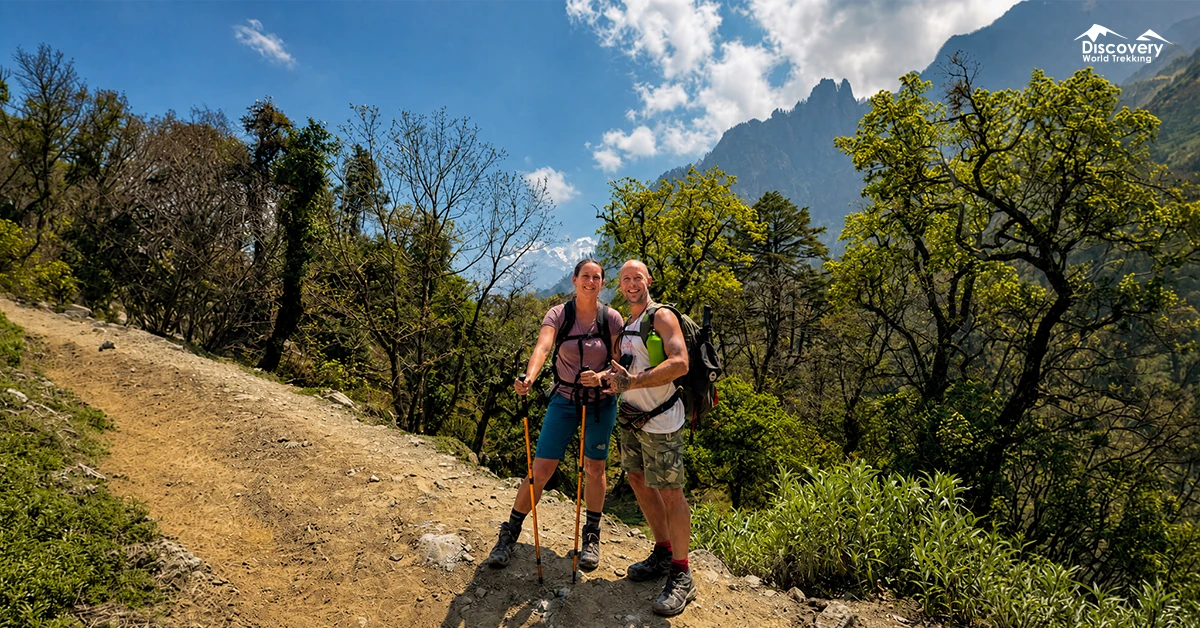
The Annapurna Circuit Trek during February offers a peaceful winter journey.
February remains part of Nepal's winter season, but the month gradually brings longer daylight hours and slightly warmer afternoons.
The trail receives fewer visitors than it does during spring and autumn. Teahouses are calmer, viewpoints are less crowded, and local interactions often feel more personal.
Trekkers who carry suitable winter equipment, acclimatize properly, and allow time for changing conditions can enjoy one of the most memorable versions of the Annapurna Circuit.
Is February a Good Time for the Annapurna Circuit Trek?
February is a good time for the Annapurna Circuit for trekkers who enjoy quiet trails, clear mountain views, and genuine winter conditions.
The lower and middle sections of the circuit are generally accessible. Villages such as Jagat, Dharapani, Chame, Pisang, and Manang continue to support winter trekkers, although fewer lodges operate than during the main seasons.
Snow may remain around Yak Kharka, Ledar, Thorong Phedi, High Camp, and Thorong La. Some sections can be icy in the morning and softer later in the day.
Early, Middle, and Late February Conditions
The beginning and end of February can feel noticeably different along the Annapurna Circuit.
Early February
Early February generally provides the quietest trail atmosphere.
Lower villages remain accessible, but shaded sections around waterfalls and suspension bridges can be icy in the morning.
Snow is more likely to remain around Dhukur Pokhari, Upper Pisang, Ngawal, and Manang. Beyond Ledar, the route may contain compacted snow and windblown drifts.
Thorong La can be crossed during a stable weather period, but recent snowfall may require additional waiting time.
Mid-February
Mid-February often brings a useful balance between quiet trails and gradually improving daylight.
The sun reaches more open sections of the Manang Valley, making daytime walking more pleasant. Snow remains common above 4,000 metres, but exposed areas may begin clearing.
More teahouses may reopen as trekking activity slowly increases.
Late February
Late February usually feels slightly warmer during the day, particularly below Chame.
Snow can begin melting on sunny slopes, creating wet ground during the afternoon. The same moisture may freeze overnight and form hard ice the following morning.
The high pass still requires full winter preparation. Longer days and improving temperatures do not remove the possibility of snowfall or strong wind near Thorong La.
Annapurna Circuit Weather and Temperature in February
Temperatures vary greatly because the trail climbs from the lower Marsyangdi Valley to Thorong La (5,416 metres).
The following ranges are practical estimates. Actual conditions depend on elevation, sunlight, cloud, wind, and recent snowfall.
Lower Elevations: Bhulbhule to Dharapani
Bhulbhule, Ngadi, Jagat, Chyamche, Tal, and Dharapani experience relatively moderate winter weather.
Daytime temperatures may range from approximately 8°C to 16°C. Night temperatures commonly fall between 0°C and 6°C.
Direct sunlight can make daytime walking comfortable near Bhulbhule and Ngadi.
The route becomes cooler near Jagat and Chyamche. Steep cliffs limit the amount of sunlight reaching the trail, while moisture from waterfalls keeps some sections damp.
| Section | Average Day Temperature | Average Night Temperature |
| Bhulbhule to Dharapani | 8°C to 16°C | 0°C to 6°C |
Middle Elevations: Dharapani to Manang
Winter becomes more noticeable between Dharapani, Timang, Chame, Upper Pisang, Ghyaru, Ngawal, and Manang.
Daytime temperatures may range from approximately -3°C to 8°C. Night temperatures can fall between -7°C and -15°C.
Chame sits within a narrow mountain valley. The village receives winter sun, but shaded paths around nearby forests and streams can remain frozen.
Upper Pisang receives broad mountain views, but its open position also makes it colder and windier.
Manang can feel surprisingly comfortable during sunny afternoons. Once the sun moves behind the surrounding peaks, the temperature drops quickly.
| Section | Average Day Temperature | Average Night Temperature |
| Dharapani to Manang | -3°C to 8°C | -7°C to -15°C |
Higher Elevations: Manang to Thorong La
Above Manang, February remains a serious winter trekking period.
Daytime temperatures around Yak Kharka and Ledar may range from approximately -7°C to 3°C. Night temperatures can fall below -15°C.
Thorong Phedi and High Camp are colder and more exposed. Pre-dawn temperatures near Thorong La may fall between approximately -15°C and -25°C.
Snow can soften under direct sunlight and freeze again overnight. This repeated melting and freezing creates hard surfaces that require careful foot placement.
| Section | Average Day Temperature | Average Night Temperature |
| Manang to Thorong La | -7°C to 3°C | Below -15°C (Thorong La: approximately -15°C to -25°C pre-dawn) |
Average Temperature in February
Tilicho Lake in February
Tilicho Lake Trek remains a condition-dependent winter destination in February, although conditions may gradually improve toward the end of the month.
The lake is commonly frozen, particularly during early and mid-February. Snow can remain on the trail from Khangsar to Sri Kharka, Tilicho Base Camp, and the final approach to the lake.
Days slowly become longer, but mornings and nights remain extremely cold. Repeated freezing and thawing can create hard ice on shaded sections, making microspikes and trekking poles important.
Teahouse availability may still be limited near Tilicho Base Camp. Trekkers should verify accommodation, snowfall, avalanche exposure, and trail conditions before leaving Manang.
Late February sometimes provides clearer sections and more manageable walking conditions. However, the route should only be attempted with a guide when recent local reports confirm that the path is open and safe.
Accommodation During February
Accommodation remains available throughout the main sections of the Annapurna Circuit, but winter options are more limited.
Jagat, Dharapani, Chame, Upper Pisang, Manang, Muktinath, Jomsom, Tatopani, and Ghorepani usually have operating lodges.
Smaller high-altitude settlements such as Ledar, Thorong Phedi, and High Camp may have only one or two open properties.
The next lodge should be confirmed before leaving the previous settlement.
Bedrooms are usually unheated. Dining rooms may have a central stove for a few hours in the evening.
Blankets provide additional warmth, but they should not replace a winter sleeping bag rated to approximately -20°C.
A room that feels comfortable at sunset can become extremely cold before sunrise.
Food and Drinking Water
Warm meals are especially valuable during February.
Dal bhat provides rice, lentil soup, vegetables, and carbohydrates for long trekking days.
Other practical options include:
- Thukpa
- Garlic soup
- Porridge
- Tibetan bread
- Potatoes
- Eggs
- Momo
- Fried rice
- Noodles
- Pasta
Menus become smaller above Manang because food must be transported by mule or porter.
Regular eating supports energy and body warmth. Skipping meals can make cold conditions feel more difficult.
Water intake is equally important. Cold weather reduces the sensation of thirst, but the body continues losing moisture through breathing and exercise.
An insulated bottle is more reliable than a hydration tube, which can freeze at higher elevations.
Essential Equipment for February
February requires clothing and equipment items suitable for freezing high-altitude conditions.
Important items include:
- Four-season sleeping bag rated to around -20°C
- Thermal base layers
- Fleece or insulated middle layer
- Heavy down jacket
- Waterproof and windproof shell
- Insulated trekking trousers
- Waterproof trekking boots
- Warm trekking socks
- Insulated gloves
- Spare glove liners
- Warm hat
- Balaclava or neck gaiter
- Microspikes
- Gaiters
- Trekking poles
- UV-protective sunglasses
- High-SPF sunscreen
- Lip balm
- Insulated water bottle
- Waterproof backpack liner
Heavy layers may not be necessary while walking in the lower valley. They become essential around Manang, High Camp, and Thorong La.
Layering allows clothing to be adjusted as the temperature changes during the day.
Phones, cameras, and power banks should be stored close to the body because cold temperatures reduce battery performance.
| 📄Ready to Pack for Your Annapurna Circuit Trip? Download Checklist |
Benefits of Trekking the Annapurna Circuit in February
-
Quiet Walking Days
February provides long stretches of peaceful trail.
There are fewer large groups, less pressure at suspension bridges, and more freedom to walk at a comfortable pace.
-
Clear Himalayan Views
Dry winter air often provides sharp morning visibility.
Annapurna II, Annapurna III, Gangapurna, Tilicho Peak, Pisang Peak, and the Chulu range can appear clearly from the upper Manang route.
-
Personal Teahouse Experiences
Fewer guests give lodge owners more time to talk with trekkers.
These conversations provide valuable information about local weather, village life, and the condition of the pass.
-
Beautiful Snow Scenery
Snow can transform Upper Pisang, Manang, Ledar, and Thorong La into a dramatic winter landscape.
Prayer flags, stone houses, and dry mountain slopes create strong contrasts against the white terrain.
-
Improving Daylight
February gradually brings longer days than January.
The additional daylight provides more time for steady walking and reduces pressure on longer trekking sections.
Practical Tips for a February Trek
- Start walking early to benefit from clear weather and firm trail surfaces.
- Carry enough cash before entering the high-altitude section because ATMs and electronic payments are unreliable.
- Confirm lodge availability before leaving Manang, Ledar, or Thorong Phedi.
- Keep at least one or two contingency days available for snowfall or delayed pass conditions.
- Check the next day's weather, wind, and trail reports every evening.
- Store boots inside the room overnight. Wet boots left outside may freeze.
- Avoid washing essential socks, gloves, or thermal layers unless they can dry completely indoors.
- Use sunglasses and sunscreen even on cold days because snow reflects ultraviolet radiation.
- Never attempt Thorong La during heavy snowfall, a whiteout, or dangerous wind.
- Flexible planning allows February's winter conditions to remain an enjoyable part of the journey.
Is the Annapurna Circuit Trek During February Worth It?
Yes, the Annapurna Circuit Trek during February is worth it for trekkers seeking quiet trails, clear mountain views, and an authentic winter atmosphere.
The lower valleys offer comfortable daytime walking, while the higher route provides impressive snow-covered terrain.
Villages feel calm, teahouses are welcoming, and the landscape changes dramatically between the Marsyangdi Valley, Thorong La, and Mustang.
February requires proper winter clothing, gradual acclimatization, and the willingness to adjust the schedule.
For well-prepared trekkers, the peaceful trails and striking winter scenery can make February one of the most rewarding times to experience the Annapurna Circuit.
FAQs
Is there snow on the Annapurna Circuit in February?
Snow is possible around Chame and Upper Pisang and is common above Manang. Snow coverage is usually greatest around Ledar, Thorong Phedi, High Camp and Thorong La.
Are microspikes required in February?
Microspikes are strongly recommended. They provide traction on compacted snow and ice around the higher sections of the circuit.
Are teahouses open during February?
Yes, teahouses operate in the main villages. However, fewer lodges remain open in Ledar, Thorong Phedi and High Camp, so accommodation should be confirmed in advance.
Can beginners complete the Annapurna Circuit in February?
A physically fit beginner can complete the trek with proper training, gradual acclimatization, winter equipment, and experienced guidance. Previous experience walking on snow or ice is helpful but not essential when the trek is properly managed.

Annapurna Circuit Trek Weather
Annapurna Circuit Trek in January
Plan Smarter, Trek Better
Connect with our local expert for honest recommendations, personalised guidance, and insider tips to make every step of your adventure count.


Get our free Nepal travel guide filled with expert insights, local tips, and essential planning advice.