Manaslu Circuit Trek - 12 Days

2241 Reviews in TripAdvisor
Recommended by 99% of travelers
Destination
Nepal
Grade
Challenging
Start / End Point
Kathmandu / Kathmandu
Accommodation
Hotel/lodge/tea house during the trek
Best Season
Mar, Apri, May, Sep, Oct, & Nov.
Meals Included
All meals (Breakfast, Lunch, Dinner) during the trek
Activity
Manaslu Treks
Max. Altitude
5,160 m at Larkya la pass

The 12-day Manaslu Circuit Trek takes you around the mystical surroundings of Mt. Manaslu (8,163 m / 26,781 ft), the world’s eighth-highest mountain, and crosses Larkya La Pass (5,106 m / 16,751 ft). The trail passes through Gurung, Nubri, and Tsumba communities in the Manaslu region. Ancient monasteries, prayer flags, and traditional quiet villages reflect the region’s Tibetan Buddhist culture and way of life.

Manaslu Circuit 12-Day Trek Highlights

  • Cross the challenging Larkya La Pass (5,106 m / 16,751 ft), the trek’s highest point.
  • Explore the remote Manaslu region around Mt. Manaslu (8,163 m), the world’s eighth-highest mountain.
  • Enjoy spectacular views of mountains: Himalchuli, Ngadi Chuli, Ganesh Himal, Himlung Himal, Cheo Himal, and Annapurna II.
  • Follow the Budhi Gandaki Valley and its deep river gorges through forests, waterfalls, suspension bridges, and rugged mountain landscapes.
  • Trek through the protected Manaslu Conservation Area, home to diverse Himalayan flora and wildlife.
  • Opportunities to spot Himalayan Monal, blue sheep, tahr, musk deer, snow leopards (endangered), and marmots.
  • Experience the unique Tibetan-influenced culture, traditions, and villages of the Nubri people.
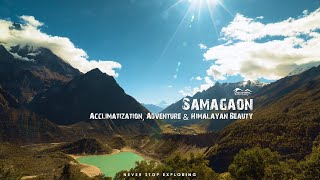
  • Acclimatization day in Samagaun, with time to explore Birendra Lake, a turquoise glacial lake.
  • Hike to Manaslu Base Camp (4,800 m / 15,748 ft) for close view of Manaslu, icefalls, and glaciers.
  • Pass through traditional mountain villages including Namrung, Lho, Samagaon, and Samdo.
  • Visit ancient monasteries such as Ribung Gompa, Pungyen Gompa, Sama Gompa, Namrung Gompa, and Samdo Monastery.
  • Experience the changing landscape from green hills and forests to alpine meadows and high-altitude terrain.

Manaslu Circuit Trek 12 Days Overview

The Manaslu Circuit Trek is a high-altitude trekking route in the Manaslu region of north-central Nepal, around Mt. Manaslu (8,163 m / 26,781 ft). The route lies between the Ganesh Himal and Annapurna ranges and passes through the Manaslu Conservation Area.

Your Manaslu Circuit journey begins with a drive from Kathmandu to Machha Khola. The road follows the Prithvi Highway before turning toward the Budhi Gandaki Valley.

Along the way, you pass terraced farmland, green hills, and rushing rivers before reaching Machha Khola (890 m / 2,919 ft). It is a small village in Gorkha District that acts as the starting point of your trek.

You cross the Budhi Gandaki River multiple times on suspension bridges before heading to the forests. The landscape changes as the valley narrows and becomes more rugged as you approach Jagat (1,410 m / 4,626 ft). It is a small village characterized by unique stone-paved alleys and stone houses.

Passing through the terraced fields and dense bamboo and pine forests, you reach Deng (1,860 m / 6,102 ft). The village offers a glimpse into the Tibetan-influenced culture and traditions of the upper Manaslu region.

From Deng, you ascend toward Namrung (2,660 m / 8,727 ft). The trail passes through Ghap (2,250 m / 7,381 ft), where stone paths and traditional houses become more common. As you approach Namrung, the first clear views of Manaslu and other high peaks begin to dominate the landscape.

The next section takes you to Shyala (3,500 m / 11,483 ft) through the upper Nubri Valley. Shyala lies in an open mountain basin with close views of Manaslu, Manaslu North, Himalchuli, and Ngadi Chuli. In this village, you can experience the traditional lifestyle of the Nubri people.

A short trek from Shyala brings you to Samagaun (3,530 m / 11,581 ft), the largest village in the upper Manaslu Valley. This is your acclimatization day before heading higher, where you can explore Pungyen Monastery. You can adjust your body to the higher altitude by hiking to the Manaslu Base Camp or Birendra Lake.

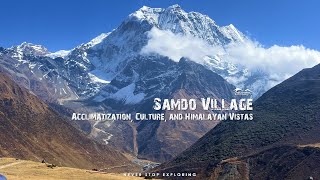
You leave the main valley, Samagaun, and trek toward Samdo (3,875 m / 12,713 ft). The trail moves above the tree line and passes through open yak pastures. Samdo is a Tibetan-influenced village close to the Nepal-Tibet border, before you reach the high pass.

As you follow the Larkya River towards Larkya Glacier, you are surrounded by rocky slopes and glacial terrain. Finally, you reach your overnight stop, Dharmashala (4,480 m / 14,698 ft), also called Larkya Phedi.

The most demanding day takes you across Larkya La Pass (5,106 m / 16,751 ft). You start early and cross the pass through high-altitude, snow-covered sections, depending on the season. From the top, you can see Himlung Himal, Cheo Himal, Kang Guru, and Annapurna II.

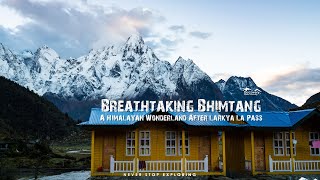
After the pass, the trail drops steeply toward Bimtang (3,720 m / 12,205 ft). The descent takes you from barren high-altitude land into alpine grasslands and wooded slopes.

You descend through pine and rhododendron forests toward Tilje (2,300 m / 7,546 ft). It is a traditional Gurung village known for its stone houses. Along the way, you can enjoy the views of Manaslu, Lamjung Himal, and surrounding peaks.

Now the trek on foot concludes with a local drive to Besisahar (760 m / 2,493 ft). It is the main road hub at the end of the Manaslu trekking route.

The final journey is a drive from Besisahar to Kathmandu, taking around 6–8 hours. The road follows the Marsyangdi and Trishuli river valleys before bringing you back to Kathmandu.


Online Trip Briefing

After your booking is confirmed and we have received your documents, we arrange an online pre-trek briefing through a WhatsApp video call. A passport copy is sufficient at this stage. We will then email you the available briefing date and time. Once ready, you can send the remaining documents, including your passport-size photo and travel insurance.

During the briefing, we discuss your itinerary, packing list, and what to expect on the trail. You can also ask any questions or share concerns about the trek. This gives you a clear understanding of the journey and helps you feel confident and well-prepared before departure.

For communication, please add us on WhatsApp at +977-9840055491 or provide us with your WhatsApp number.

Note

Please arrive in Kathmandu at least one day before the trek, by 3:00 PM, to complete the remaining payment, attend the pre-trek briefing, and make any last-minute preparations. 

Our Manaslu Circuit trek package includes public transportation from Kathmandu to Machha Khola and from Tilje to Kathmandu. For added comfort and faster travel, you can reserve a private jeep at an additional cost:

Kathmandu → Machha Khola = $170 USD
Tilje → Kathmandu = $180 USD

Day to Day Itinerary

Day 1

Drive from Kathmandu (1,350 m / 4,450 ft) to Machha Khola (890m / 2,965 ft). Drive time: Approx. 8-9 hrs.

Day 2

Trek from Machha Khola to Jagat (1,400 m / 4,593 ft). Trek time: Approx. 6-7 hrs.

Day 3

Trek from Jagat to Deng (1,860 m / 6,102 ft). Trek time: Approx. 7-8 hrs.

Day 4

Trek from Deng to Namrung (2,660 m / 8,727 ft) . Trek time: Approx. 6-7 hrs.

Day 5

Trek from Namrung to Shyala (3,500 m / 11,482 ft). Trek time: Approx. 6-7 hrs.

Day 6

Trek from Shyala to Samagaun (3,530 m / 11,581 ft). Trek time: Approx. 6-7 hrs.

Day 7

Acclimatization day in Samagaun (3,530 m / 11,581 ft)

Day 8

Trek from Samagaun to Samdo (3,875 m / 12,713 ft). Trek time: Approx. 3-4 hrs.

Day 9

Trek from Samdo to Dharmashala (4,480 m / 14,698 ft). Trek time: Approx. 3-4 hrs.

Day 10

Trek from Dharmashala to Bimthang (3,720 m / 12,205 ft) by crossing Larkya La Pass (5,160 m / 16,929 ft). Trek time: Approx. 8-9 hrs.

Day 11

Trek from Bimthang to Tilije (2,300 m / 7,546 ft). Drive to Besisahar (760 m / 2,493 ft)

Day 12

Drive from Besisahar (760 m / 2,493 ft) back to Kathmandu (1,350 m / 4,450 ft)

Planning Your Trek Schedule
Select Departure Date

The calendar below displays the available trek schedules. Please select the exact trek start date. Ensure your arrival day is before the trek start date and your departure day is after the trek end date.

Trip Duration12 days
Trip Start and End PointKathmandu / Kathmandu
Su
Mo
Tu
We
Th
Fr
Sa
1
2
3
4
5
6
7
8
9
10
11
12
13
14
15
16
17
18
19
20
21
22
23
24
25
26
27
28
29
30
Su
Mo
Tu
We
Th
Fr
Sa
1
2
3
4
5
6
7
8
9
10
11
12
13
14
15
16
17
18
19
20
21
22
23
24
25
26
27
28
29
30
Sold out dates

Group-Size Discounts will be applied in next step.

Continue Booking
▶️ Not sure how to book? Watch our easy step-by-step booking guide.

Manaslu Circuit Trek Video

Manaslu Circuit 12 Days Trek Itinerary

Day 1

Day 1: Drive from Kathmandu (1,350 m / 4,450 ft) to Machha Khola (890 m / 2,965 ft)

Driving Distance
160 km / 99.4 miles
Driving Hours
8–9 hrs

Our Manaslu Circuit 12-Day trek begins with a long drive from Kathmandu to Machha Khola. We leave the busy capital and head toward the hills and the Budhi Gandaki Valley. 

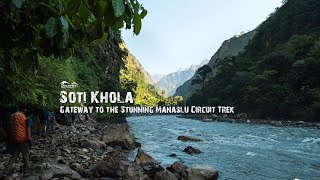
Kathmandu → Arughat → Soti Khola → Lapubesi → Machha Khola 

The road follows the Prithvi Highway before turning toward Arughat and the lower Manaslu region. Along the way, you pass terraced fields, green hills, and small settlements. 

The road becomes rougher as you travel deeper into the valley. You pass Soti Khola and Lapubesi, with narrow roads and river gorges along the way.

By late afternoon, the final rugged off-road section leads you to Machha Khola, a riverside village. This is where the trekking section of your Manaslu journey begins.

Overnight stay at Hotel Mt. Everest
Included all standard meals (Breakfast + Lunch + Dinner)
Day 2

Trek from Machha Khola (890 m / 2,965 ft) to Jagat (1,400 m / 4,593 ft)

Trek Distance
20 km / 12.42 miles
Highest Altitude
1,400 m / 4,593 ft
Trek Duration
6 -7 hours

Today, you begin trekking on foot from Machha Khola. After a warm breakfast, you start your trek following the Budhi Gandaki River and head toward Jagat. 

Machha Khola → Khorla Besi → Tatopani → Doban → Lauri → Thado Bharyang → Jagat

The trail passes through subtropical forests and rocky sections of the lower Manaslu region. You cross suspension bridges over the river and smaller streams before reaching Khorla Besi. 

You continue trekking through terraced farms to Tatopani, a small village known for its natural hot springs. You can take a relaxing dip into these springs to soothe your muscles.

The route then continues into Doban, where the valley becomes narrower, and the surrounding hills rise more steeply on both sides.

Beyond Doban, you walk past a roaring series of rivers along the Budhi Gandaki. Then you cross the suspension bridge at Lauri and follow a series of steep stone staircases toward Thado Bharyang. 

You finally reach Jagat, a stone-paved Gurung village. It is also an important checkpoint for the Manaslu Conservation Area, where you stay overnight at a teahouse.

Overnight stay at New Mongolian cottage and lodge hotel
Included all standard meals (Breakfast + Lunch + Dinner)
Day 3

Trek from Jagat (1,400 m / 4,593 ft) to Deng (1,860 m / 6,102 ft)

Trek Distance
20.5 km / 12.73 miles
Highest Altitude
1,860 m / 6,101 ft
Trek Duration
7–8 hrs

Day three of our Manaslu Circuit trek is a longer trekking day as we leave Jagat and continue deeper into the Manaslu region. 

Jagat → Salleri → Philim → Ekle Bhatti  → Pewa Kharka →  Deng 

You begin with a gradual uphill trek toward Salleri, passing stone steps and cultivated slopes along the way. Along the route, you can see Buddhist mani walls, chortens, and checkpoint areas near Sirdibas. 

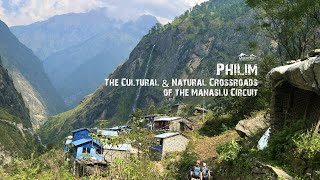
The path then leads to Philim, a larger Gurung settlement surrounded by terraced fields and wooded hills. From here, the trail narrows as you walk toward Ekle Bhatti, with sections carved into the hillside above the river. 

Trekking through dense pine and bamboo forests, you reach Nyak Phedi. Then the trail carries you to a narrow wooden path to Pewa, a small settlement tucked between the forest and steep valley walls. You might spot local wildlife in the forest area.

The final section follows the Budhi Gandaki toward Deng, a scenic and culturally rich stop. You cross the Deng Khola on a suspension bridge before reaching the village. 

You stay overnight at a teahouse (stone house) in Deng,  where you can experience the Tibetan influence in the village's culture and architecture.

Overnight stay at Hotel Windy Valley
Included all standard meals (Breakfast + Lunch + Dinner)
Day 4

Trek from Deng (1,860 m / 6,102 ft) to Namrung (2,660 m / 8,727 ft)

Trek Distance
18.2 km / 11.30 miles
Highest Altitude
1,860 m / 6,101 ft
Trek Duration
6-7 hrs

Today, you gain more altitude as the Manaslu Circuit Trek moves toward the upper Budhi Gandaki Valley. 

Deng → Rana → Bihi Phedi → Ghap → Nam Lung →  Namrung

After leaving Deng, you cross the Budhi Gandaki and ascend through the forest toward Rana Village (1,910 m / 6,266 ft). The trail stays above the river, with uneven stretches and narrow water streams along the way.  

Further ahead, traditional stone houses appear among the forested slopes. You cross the Serang Khola before entering Bhi Phedi (2,130 m / 6,988 ft), a small riverside village that offers a glimpse of mountain life in the Nubri region. 

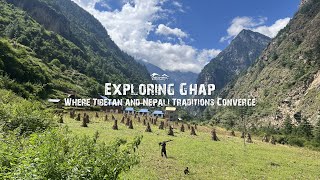
The path continues through mani walls and stone carvings on the way to Ghap (2,160 m / 7,087 ft). Wooden bridges and steep rock faces add to the scenery as you continue through the valley. 

As you move beyond the village, the valley gradually opens while the trail becomes zigzagging toward Nam Lung. 

From here, you make a steady ascent through rhododendron forest before reaching Namrung, the gateway to the Nupri region. On clear days, you can see mountain peaks such as Himalchuli (7,893 m / 25,896 ft), Siring Himal, and Saula Himal.

Overnight stay at Namrung Guest House
Included all standard meals (Breakfast + Lunch + Dinner)
Day 5

Trek from Namrung (2,660 m / 8,727 ft) to Shyala (3,500 m / 11,482 ft)

Trek Distance
16 km / 9.94 miles
Highest Altitude
3,500m / 11482 ft
Trek Duration
6-7 hours

Today we leave Namrung and pass through different beautiful villages, mountain slopes, and forests to Shyala. 

Namrung → Bhanjam → Lihi → Sho → Lho → Shyala

After the Namrung Checkpost, you enter a pine forest and follow a gentle trail toward Bhanjam. Bhanjam is a small resting point along the route to the upper Nubri Valley. 

Then you trek upward with views of  Himalchuli and Ganesh Peak before reaching Lihi Monastery. 

You pass stone houses, mani walls, and prayer wheels before entering fir and flowering rhododendron forests. From the forest, you reach Lihi, a traditional village known for its barley terraces and Tibetan Buddhist heritage. 

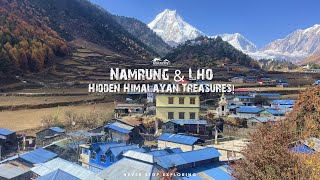
The trail then crosses the side valley around Simnang Himal and follows the Hinan River toward Sho Village. As the valley widens, Naike Peak (6,211 m / 20,377 ft) comes into view. You pass a traditional Kani, a Buddhist gateway, followed by long walls of carved mani stones before reaching Lho Village. 

Beyond Lho, the trail ascends gently through alpine meadows, small streams, and pine forests. You can visit Ribung Gompa, one of the village's important monasteries, before continuing into the broad Shyala valley. 

You can rest for the day, enjoying the scenery of Himal Chuli, Ngadi Chuli, and Manaslu.

Overnight stay at Hotel Santi
Included all standard meals (Breakfast + Lunch + Dinner)
Day 6

Trek from Shyala (3,500 m) to Samagaun (3,530 m / 11,581 ft)

Trek Distance
16 km / 9.94 miles
Highest Altitude
3,530 m/11,581 ft
Trek Duration
6-7 hours

The sixth day of the Manaslu Circuit Trek takes you across the upper Nubri Valley to Samagaun, one of the largest settlements in the Manaslu region. 

Shyala → Samagaun

You enjoy a sunrise with a golden glow on Manaslu peak, and have breakfast before starting today’s journey. Passing mountain views and Pungyen Glacier, you head toward Pungyen Gompa, the oldest monastery in the Manaslu region.  

The route takes you through open grazing fields and isolated shelters used by local herders. The landscape becomes dry and exposed, with juniper and low alpine vegetation scattered across the slopes. 

The final descent brings you into Samagaun, the main village of the Nubri people. From the village, you can see Manaslu Glacier while exploring monasteries and visiting a health post or heliport.

Overnight stay at Hotel Manaslu with attached bathroom
Included all standard meals (Breakfast + Lunch + Dinner)
Day 7

Acclimatization day in Samagaun (3,530 m / 11,581 ft)

Today is an acclimatization day in Samagaun, with time to explore the surrounding mountains and valleys. We follow the “trek high, sleep low” principle instead of staying idle for a day.  

You can choose a short hike to Birendra Lake, a longer walk toward Manaslu Base Camp, or a cultural and scenic hike to Pungyen Gompa. 

Samagaun → Birendra Lake / Manaslu Base Camp / Pungyen Gompa

The hike to Birendra Lake is the shortest option. You follow the trail out of Samagaun toward the turquoise glacial lake below the Manaslu Glacier. The surrounding peaks and rocky slopes make this a good option for a relaxed acclimatization walk. 

For a longer hike, you can continue toward Manaslu Base Camp. The trail takes you through the mountain landscape toward the base of Mt. Manaslu (8,163 m / 26,781 ft). You pass glacial terrain and gain closer views of the Manaslu massif before returning to Samagaun. 

Another quieter option is Pungyen Gompa, located on a hillside above the valley. The trail passes yak pastures and open hills before reaching this monastery, an important spiritual center for local people. From here, you get views across the Manaslu Glacier, Manaslu, and surrounding peaks.

After the hike, you return to Samagaun and spend the rest of the day resting and preparing for the higher-altitude section.

Overnight stay at Hotel Manaslu (room with attached bathroom)
Included all standard meals (Breakfast + Lunch + Dinner)
Day 8

Trek from Samagaun (3,530 m / 11,581 ft) to Samdo (3,875 m / 12,713 ft)

Trek Distance
8.2 km / 5 miles
Highest Altitude
3,875m / 12,713ft
Trek Duration
3 - 4 hrs

The eighth day is a short walk into the upper Nubri Valley, following the trail north from Samagaun toward Samdo. 

Samagaun → White Kani → Samdo 

From Samagaun, the trail follows the Budhi Gandaki Valley toward White Kani, a Buddhist entrance gate. Along the route, you pass open fields, mani walls, and yak-grazing areas with views of Manaslu and the surrounding peaks.

Beyond White Kani, you continue an uphill trek through dry, rocky slopes with sparse vegetation: low shrubs and juniper. You can see Nagdi Chuli, Manaslu North, and Simnang Himal from different sections of the trail.

The final section is a trek through an open section to reach Samdo. It is a traditional Tibetan-influenced settlement near the Nepal–Tibet border. Stone houses, yak pastures, agricultural fields, and the slope toward Lajing La surround the village.

Overnight stay at Hotel Little Tibet
Included all standard meals (Breakfast + Lunch + Dinner)
Day 9

Trek from Samdo (3,875 m / 12,713 ft) to Dharmashala (4,480 m / 14,698 ft)

Trek Distance
8 km / 5 miles
Highest Altitude
4,480m / 14,698ft
Trek Duration
3 - 4 hrs

Today’s trail leaves Samdo and follows the valley toward Dharmashala, the last overnight stop before crossing Larkya La Pass. The route is shorter but gains significant altitude, so the pace becomes slower.

Samdo → Fuka Kharka → Larke Bazar → Dharmashala

From Samdo, you descend slightly and cross the open slopes toward Fuka Kharka. The trail then ascends gradually through a dry mountain landscape. You can see rocky, sparsely covered hills, with snow-covered peaks becoming more visible ahead. 

Continuing toward Larke Bazar, you pass old grazing grounds and seasonal shelters used by yak herders. You follow the upper Larke Valley with a rugged and exposed environment. Looking back, Samdo and the surrounding peaks of the Nubri Valley appear farther below.

Then the trail continues toward Dharmashala, also known as Larkya Phedi. The village sits beneath the northern approach to Larkya La Pass. From here, you can see the rocky slopes and glaciated mountains surrounding the pass, giving you a clear idea of the demanding crossing ahead.

Overnight stay at Dormitory /Tent
Included all standard meals (Breakfast + Lunch + Dinner)
Day 10

Trek from Dharmashala (4,480 m / 14,698 ft) to Bimthang (3,720 m / 12,205 ft) by crossing Larkya La Pass (5,160 m / 16,929 ft)

Trek Distance
16 km / 9.94 miles
Highest Altitude
5,160m / 16,929ft
Trek Duration
8 - 9 hrs

Day 10 is the longest and most demanding section of the Manaslu Circuit Trek as you cross Larkya La Pass, the highest point of the journey. You start early from Dharmashala to reach the pass before the weather changes.

Dharmashala → Larkya La Pass → Dangboche Kharka → Bimthang

You leave Dharmashala, also known as Larkya Phedi, and follow the trail north toward Larkya La Pass. You pass frozen streams and moraine-covered slopes before reaching the higher section of the pass.

The route crosses the Larkya Glacier area and passes several frozen streams before reaching the pass. Prayer flags are there at the pass, which marks the highest point of the Manaslu Circuit. 

 From the pass, you can clearly see the contrast between the arid Tibetan-style landscape behind you and the greener valley ahead. When you are at the top, Himlung Himal and Cheo Himal are visible to the north, with Kang Guru and Annapurna II toward the west.

From Larkya La, you follow the trail toward Dangboche Kharka through Yak Kharka. The terrain changes quickly as you leave the high, snow-covered slopes and enter a more sheltered valley. 

The trail continues toward Bimthang through grazing areas and open slopes. You can see the changes from dry, high-altitude landscape to green meadows and slopes covered with pine or rhododendron. After the long crossing, you can rest in Bimthang and enjoy its milder temperatures.

Overnight stay at Punkar Guest House (room with attached bathroom)
Included all standard meals (Breakfast + Lunch + Dinner)
Day 11

Trek from Bimthang (3,720 m / 12,205 ft) to Tilje (2,300 m / 7,546 ft)

Trek Distance
25 km / 15.5 miles
Trek Duration
5–6 hrs
Driving Distance
40 km / 24.8 miles
Driving Hours
3 hrs

You leave Bimthang and follow the trail downhill through forests and open hillsides. The route passes Karche, where the valley narrows, and the trail continues through pine and rhododendron forests.

Bimthang →  Karche → Gurung Goa → Thonje → Tilje → Besisahar

From Karche, you pass small streams and cultivated areas toward Gurung Goa. You have lunch at this Gurung village with tiered roofs. As you lose altitude, the colder high-mountain landscape gradually changes to greener hills and warmer air.

The trail continues to Thonje, a traditional settlement along the Marsyangdi Valley. From here, you cross the Marsyangdi River and continue toward Tilje, passing stone houses, farmland, and forested slopes along the way.

The trek on foot ends here, and you continue by road towards the main town and roadhead for the Manaslu and Annapurna trekking regions. The drive follows the lower Marsyangdi Valley, passing waterfalls and the river before reaching Besisahar. 

Overnight stay at Heaven Guest House
Included all standard meals (Breakfast + Lunch + Dinner)
Day 12

Drive from Besisahar (760 m / 2,493 ft) back to Kathmandu (1,350 m / 4,450 ft)

Driving Distance
175 km / 109 miles
Driving Hours
8–9 hrs

Your Manaslu Circuit journey ends with a drive from Besisahar to Kathmandu. The road follows the Marsyangdi River through the lower hills before joining the Prithvi Highway toward Kathmandu.

Besisahar → Kathmandu

Along the way, you pass terraced farmland, riverside settlements, and green hill landscapes. As the road approaches the capital city, the valley becomes more developed and busier.

After around 8–9 hours on the road, you arrive in Kathmandu, marking the end of your 12-day Manaslu Circuit Trek.

Overnight stay at your selected hotel in Kathmandu
Included all standard meals (Breakfast + Lunch)

What is included in this trek package?

Transportation

  • Public bus transport from Kathmandu to Machha Khola (trek start point)
  • Tilje to Besisahar on a local bus
  • Local bus transport from Besisahar (trek end point) to Kathmandu
  • Private pickup and drop-off between Kathmandu Airport and your hotel

Accommodations

  • 2 nights in teahouses with attached bathrooms at Machha Khola and Bimthang.
  • 2 nights in teahouses with attached bathrooms at Machha Khola and Bimthang.
  • 7 nights in standard twin-sharing teahouses at Jagat, Deng, Namrung, Shyala, Samdo, Dharmashala, and Besisahar

Food

  • Standard full-board meals (12 Lunches, 11 Dinners, and 12 Breakfasts), with one main course per meal during the trek
  • Water purification tablets for safe drinking water
  • Seasonal fresh fruits every day

Guide and Porter

  • Experienced, government-licensed English-speaking trekking guide (leader)
  • Guides trained in wilderness first aid and basic emergency response
  • Assistant trekking guide for groups of 5+ trekkers
  • 1 porter for 2 trekkers, carrying the luggage limit of 18 kg combined (9 kg per trekker)
  • Guide and porter costs covered, including meals, transportation, accommodation, salary, insurance, and trekking equipment

Trek Permits and Expenses

  • Manaslu Conservation Area Permit (MCAP)
  • Annapurna Conservation Area Permit (ACAP)
  • Manaslu Restricted Area Permit (RAP)
  • All government, local taxes, and official service charges

Medical Assistance

  • A basic first-aid kit including Acetazolamide (Diamox)
  • Oximeter to monitor blood oxygen saturation levels
  • Emergency oxygen available at high altitudes when required
  • Assistance with immediate descent, medical evacuation, or helicopter rescue in serious emergencies (included in travel insurance)

Souvenir

  • Discovery World Trekking (DWT) T-shirt and cap as a keepsake
  • A digital Manaslu Circuit completion certificate sent to you via email or WhatsApp.

Farewell

  • A farewell gathering in Kathmandu at the end of the trek

Benefits

  • One shared non-waterproof duffel bag for every two trekkers (if you don’t have one)
  • One used sleeping bag and down jacket for each trekker (need to return after the trek)
  • Free luggage (excess) storage at our Kathmandu office throughout the trek

What is excluded in this trek package?

International Flight

  • International airfare to and from Nepal

Accommodations

  • Hotel stays in Kathmandu before or after the trek
  • Any accommodation not listed in the itinerary
  • Additional hotel nights caused by delays, early returns, or late departures

Food

  • Meals in Kathmandu before and after the trek
  • Additional meals required due to delays, late departures, or early returns
  • Snacks, drinks, and other food items outside the included main meals

Guide and Porter

  • Tips for trekking guides and porters (recommended)

Nepal Visa

  • Nepal entry visa fee, $50 USD for 30 days

Travel Insurance

  • Personal travel insurance covering high-altitude trekking, medical treatment, and helicopter evacuation above 5,000 m

Personal Expenses

  • Wi-Fi, charging, hot showers, and other teahouse services
  • Personal trekking gear, clothing, and equipment rental
  • Snacks, bottled or boiled water, tea, coffee, souvenirs, and local handicrafts
  • Tips for teahouse staff and other local service providers

Additional Costs

  • Extra porter fees for luggage over the 9 kg per-person limit
  • Costs from itinerary changes made for safety reasons
  • Unexpected expenses for accommodation, transportation, or meals caused by bad weather, natural disasters, strikes, illness, injury, or other circumstances beyond our control

12-Day Manaslu Circuit Trek Map

The temperature chart above is a general guide that shows average monthly values. In reality, temperatures can vary due to altitude, season, wind, and rapid weather changes in the Himalayas.

Manaslu Circuit Packing List

The Manaslu Circuit passes through warm lower valleys to cold, high-altitude areas. Depending on the season, lower sections can reach around 20–28°C during the day, while temperatures near Dharmashala and Larkya La can fall below 0°C, especially at night and before sunrise.

We recommend that you pack light and carry only the essentials, using lightweight layers that you can add or remove as temperatures change. We provide one porter for every two trekkers, with a combined limit of 18 kg (9 kg per person), so pack your belongings together in one  60-liter or larger duffel bag or rucksack. Our Manaslu Circuit Trek packing checklist can help you prepare without carrying unnecessary items.

Upper Body

  • Moisture-wicking short or long-sleeved t-shirts
  • Thermal base layers (light for warm months/heavy for cold)
  • Fleece and puffy/insulated jacket
  • Down jacket for colder elevations
  • Waterproof and windproof outer
  • jacket Lightweight long-sleeve breathable trekking shirt
  • Synthetic bra for women
  • Waterproof nylon raincoat or poncho

Head and Face

  • Sun hat or cap (wide-brimmed)
  • Ear-covering warm hat or knitted beanie
  • Scarf, buff, or neck gaiter
  • UV-protection sunglasses
  • High SPF sunscreen and lip balm
  • Lightweight headlamp with spare batteries

Handwear

  • Warm insulated gloves or mittens
  • Lightweight liner gloves
  • Waterproof outer gloves for snow or wet conditions

Lower Body

  • Quick-drying trekking pants and underwears
  • Convertible or full-length trousers
  • Quick Drying Underwear Thermal leggings or base layers
  • Warm trekking trousers (insulated pants) for colder sections
  • Lightweight cotton pants for evenings/ inside teahouses

Footwear

  • Broken-in trekking boots with ankle support and good grip
  • Warm wool or synthetic trekking socks
  • Lightweight camp shoes or sandals for river crossings
  • Gaiters for protection against mud, water, and debris
  • Microspikes/crampons (seasonal) for better grip while crossing snowy and icy high passes

Backpack/Support/Sleeping Gear

  • Duffle bag/Rucksack (50-60 liters, shared between two trekkers)
  • Day backpack (20–30 liters) with rain cover
  • Adjustable and lightweight trekking poles (preferably collapsible),
  • Reusable water bottles or hydration bladder (minimum 2 liters)
  • Water purification tablets, a filter, or a UV purifier
  • Sleeping bag (rated -5°C to -10°C)
  • Earplugs

Electronics and Documents

  • Camera/Smartphone
  • Power bank and charging cable
  • Two-pin charging adapter
  • Passport photocopies and passport-sized photos in waterproof bags

Toiletries

  • Toothbrush and toothpaste
  • Medium-sized quick-dry towel
  • Biodegradable soap or shampoo
  • Toilet paper (in a Ziplock bag)
  • Nail Clipper Body wipes/wet tissues
  • Feminine hygiene products
  • Hand sanitizer

Medications

  • Personal kits and medications (inhalers, allergy medicine, etc.) are highly recommended
  • Blister care kit (Compeed/moleskin)
  • Cough drops or throat lozenges (very useful in dry air)
  • Basic first aid supplies (band-aids, antiseptic wipes, pain relievers, Diamox)

Optional Items

  • Snacks and energy bars
  • Notebook or pen for journaling your experience
  • Book or e-book Binoculars
  • Small multi-tool
  • Pee-bottle/pee-funnel for women
  • Comb
We can provide a used duffle bag (non-waterproof), down jacket, and sleeping bag if you don’t have your own.

Manaslu Circuit 12-Day Trek Information

The Manaslu Circuit 12-Day Trek Information covers the practical details you need to prepare for your journey around Mt. Manaslu. From the daily itinerary, trekking difficulty, and accommodation to meals, permits, packing, safety, and costs, you’ll find the key information in one place.

Whether you are planning your first trek in the Manaslu region or looking for specific details before booking, this guide helps you understand what to expect throughout the 12-day adventure.

What to expect before the trek?

Before your Manaslu Circuit Trek begins, our team handles the essential arrangements in Kathmandu. From airport pickup to your trek briefing, we make sure you know what to expect and have everything ready for the journey.

Pickup from Airport and Drop-off at Hotel

Our representative will meet you at Tribhuvan International Airport on your arrival and transfer you to your hotel in Kathmandu.

Look for the Discovery World Trekking sign or a placard with your name at the arrival area. Our representative will welcome you with a Namaste and a flower garland.

Once you arrive at the hotel, you can check in and leave your luggage before heading to our Kathmandu office to complete the final payment.

Meet the team and trek briefing with Paul

Before heading to the Manaslu region, you will meet your guide and trekking team for a small briefing with Paul, our team lead.

During the session, he will:

  • Introduce you to your lead guide, porter, and team members
  • Cover the 12-day itinerary and daily walking hours
  • Inform you about the route: Kathmandu → Machha Khola → Jagat → Deng → Namrung → Shyala → Dharmashala → Larkya La Pass → Dharapani → Besisahar
  • Last-minute gear check and packing
  • Safety, acclimatization tips, and altitude considerations
  • Documents and clothes you need to carry

This is also a good time to ask questions, check your trekking gear, and make sure you are prepared for the trail.

Note: We provide a company logo-printed cap and a T-shirt as a souvenir or memory of the trek.

Accommodation during 12-Day Manaslu Circuit Trek

During the trek, you will stay in local teahouses and lodges along the Manaslu Circuit. Accommodation is generally simple, clean, and comfortable, with twin-sharing rooms and shared bathroom facilities. As you reach higher and more remote areas such as Samdo, you can only find basic facilities.

What facilities are available?

Facilities vary as you move from the lower villages toward Samagaun, Samdo, and Dharmashala. You can expect basic amenities throughout the trek, while services such as hot showers, Wi-Fi, and charging become more limited at higher elevations.

The Manaslu Circuit Trek accommodation becomes simpler as you travel deeper into the mountain region. In villages such as Machha Khola, Jagat, Deng, Namrung, and Lho, teahouses generally provide more comfortable rooms and easier access to electricity and hot showers.

From Samagaun to Samdo and Dharmashala, facilities are more basic because of the higher altitude and remote location.

FacilitiesLower Altitude VillagesHigher Altitude Villages
BeddingMattress, pillow, and blanketBasic bedding; sleeping bag recommended
BathroomsShared or attached, Squat or modern-style toilets depending on the teahouseShared, squat-style toilets
HotshowersAvailable at most of the teahouses with free or an additional feeLimited, only bucket shower, depends on weather and water supply
ChargingAvailable at most of the teahouses for freeLimited, mainly in dining areas, not available at night
Drinking WaterBoiled or filtered; bottled water is widely usedMainly boiled water is recommended, Used purification tablet
  • Bedrooms: You can get a basic mattress, pillow, and blanket in your room, but there is no heating facility inside it. The temperature can drop below zero, particularly at night, in Samdo and Dharmashala, so bringing a sleeping bag is recommended for extra warmth.
  • Bathrooms: Most teahouses have shared bathrooms. Some lower-elevation lodges may offer attached bathrooms, while higher camps generally have more basic shared facilities. You can get either squat or western-style toilets in lower villages, while squat-style toilets are popular in upper villages.
  • Hot showers: Hot showers are available at some teahouses for an additional NPR 300–700 ($2–5 USD), depending on the location. They become less common as you approach Dharmashala. You may only depend on bucket showers or wipes at higher altitude.
  • Electricity and charging: You can charge phones, cameras, and other devices at many teahouses. Charging usually costs around NPR 300–800 ($2–5 USD) per device, with fewer sockets available at higher camps. We recommend you bring a power bank and a 2-pin adaptor.
  • Wi-Fi: Wi-Fi is available at selected teahouses in lower and mid-altitude villages. The connection becomes slower and less reliable around Samagaun and Samdo. It may not be available in some places due to ridges and higher altitude. It may cost around NPR 300–1200 ($2–8 USD) per session or device.
  • Drinking water: You can buy boiled or filtered water at teahouses. Bottled water may also be available in lower villages, but we advise carrying a reusable bottle (2 litres). Do not drink water directly from the tap, stream, or any other untreated sources. Always use a purification tablet even in boiled water, 30 minutes before drinking.
  • Dining area: Teahouses have a shared dining room where meals are served. At higher elevations, the dining area is often the main warm indoor space.

Note: Bring toilet paper, hand sanitizer, toiletries, and other essentials, as these items may be difficult to purchase once you reach the upper Manaslu region.

Food and drinks during 12- Day Manaslu Circuit Trek

The 12-day Manaslu Circuit package includes full-board meals during the trekking days. You can have a three-course meal of breakfast, lunch, and dinner at local teahouses.

You can get simple, fulfilling, and warm dishes in these family-run teahouses. Meals generally include familiar Nepali and Tibetan dishes as well as simple international options, giving you choices throughout the route.

Breakfast

Breakfast is served at the teahouse before you begin the day's walk. You can choose from several simple, filling options that provide energy for the morning section of the trail.

  • Tibetan bread, chapati, or toast with butter, jam, or honey
  • Eggs prepared according to your preference
  • Porridge or muesli with milk
  • Pancakes with honey or jam
  • Ginger tea, green tea, or hot lemon with your meal

Lunch

Lunch is usually taken at a teahouse along the route or at the village where you stop for a longer break. Your guide helps coordinate the timing and location so you can eat without unnecessarily extending the walking day.

  • Dal bhat with rice, lentil soup, vegetables, and pickle with refill servings (mostly recommended for lunch)
  • Fried rice (vegetables or eggs) or noodles
  • Pasta or macaroni or thenthuk noodles
  • Sherpa stew or vegetable soup
  • Momo (potato or vegetable filled dumplings)
  • Tea, coffee, or other hot drinks
  • Snacks (chips, papad) and Veg Pizza

Dinner

Dinner is served at your overnight teahouse, giving you time to eat, relax, and prepare for the following day's trek. Meals are generally warm and filling, with dal bhat remaining a common option throughout the route.

  • Dal bhat with rice, dal, vegetables, and pickle
  • Noodles, fried rice (vegetables or egg), or pasta
  • Momo (dumplings filled with vegetables) at selected teahouses
  • Soup such as vegetable, garlic, or noodle soup
  • Simple potato or vegetable dishes
  • Thukpa in Samdo and Samagaun (Tibetan noodle soup)
  • Tea, coffee, or hot lemon

Do you have any preferred dietary requirements?

Teahouses along the Manaslu region can accommodate common dietary preferences and requirements when informed before your trek.

Food choices become more limited in the upper Manaslu region, particularly around Samdo and Dharamsala. So sharing your requirements in advance helps us coordinate suitable meals with the teahouses.

  • Vegetarian meals: It is the most reliable and highly available option on the trek. You can opt for dal bhat, vegetable curry, noodles, fried rice, pasta, soups, and momos.
  • Vegan meals: Teahouses can accommodate vegan meals by removing dairy products such as butter, milk, ghee, or cheese, and eggs. You can have vegetable dishes, rice, lentils, and noodles.
  • Gluten-Free Meals: Gluten-free options can be limited in Manaslu teahouses, as many dishes include wheat flour. You can usually choose rice, dal bhat, vegetables, potatoes, or buckwheat-based foods. Inform your guide in advance and carry energy bars, nuts, chocolate, or dried fruit from Kathmandu as backup snacks.

Do you have any preferred food allergies?

If you have any food allergies, you should inform us and your guide before the trek. So your dietary requirements can be communicated to the teahouses.

Kitchens along the Manaslu Circuit are generally small, and separate preparation areas may not always be available. So contamination may happen.

  • List your allergens: Mention foods to avoid, such as nuts, dairy, eggs, or gluten.
  • Inform your guide: Tell your guide about your allergy before the trek.
  • Check ingredients: Ask about ingredients before ordering unfamiliar dishes.
  • Carry medication: Keep your prescribed allergy medication easily accessible.
  • Severe allergies: If you use an EpiPen, carry it and inform your guide where it is kept.

Food Dietary Guidelines

As you trek into the higher elevations of the Manaslu Circuit, paying attention to what you eat and drink becomes increasingly important.

Choosing safe food and maintaining hydration can help you stay comfortable and support your body as you adjust to the altitude.

  • Hydration: Sip around 3–4 liters of water throughout the day. You can also choose Ginger tea, hot lemon, and other warm drinks in the colder sections.
  • What to Avoid: Don’t consume alcohol, and you should limit highly caffeinated drinks and heavily processed foods throughout the trek.
  • Meat Consumption: Meat may be available at some teahouses. But we don’t recommend consuming meat during the trek, especially in remote areas where refrigeration is limited. Instead, you can choose freshly prepared vegetarian meals.

Note: Items outside the standard meals are paid separately, including soft drinks, packaged snacks, chocolate, desserts, extra tea, and bottled or hot water.

Why is the Manaslu Circuit Trek Popular?

The 12-day Manaslu Circuit Trek is popular because you experience a complete Himalayan journey in a relatively short itinerary. The route takes you from the lower Budhi Gandaki Valley to the high Nubri Valley, exploring Tibetan-influenced culture and the challenging Larkya La Pass.

The combination of diverse ecosystems, changing landscapes, mountain scenery, local traditions, and a remote trail gives the trek its distinctive character.

Larkya La Pass Crossing

For many trekkers, Larkya La Pass (5,106 m / 16,751 ft) is the main reason to choose the Manaslu Circuit. The crossing combines a demanding high-altitude day with wide Himalayan views and gives you a clear sense of achievement.

  • You cross one of Nepal’s highest trekking passes as the defining challenge of your 12-day circuit.
  • The route from Dharamsala to Larkya La and Bimthang gives you a full high-altitude crossing experience in a single day.
  • From the pass, you can see Himlung Himal, Cheo Himal, Kang Guru, and Annapurna II, making the effort rewarding with clear mountain views.
  • The change from the barren pass area to the greener Bimthang Valley makes the crossing feel like a transition between two very different Himalayan landscapes.

Lifestyle, Culture, and Festivals

The cultural experience is one of the reasons you may choose the Manaslu Circuit Trek over a more conventional Himalayan route. As you travel from Deng and Namrung toward upper villages, you encounter Gurung and Tibetan-influenced communities. Their Buddhist traditions, dress, architecture, and festivals remain closely connected to daily life.

  • Nubri Valley culture in Lho, Samagaun, and Samdo, where Tibetan-influenced customs have shaped local life.
  • Traditional stone houses, wooden windows, mani walls, chortens, prayer wheels, and Buddhist monasteries give the upper Manaslu villages a cultural character.
  • In the upper villages, traditional Tibetan-influenced garments and woollen clothing are part of the region's cultural identity.
  • You can visit places such as Ribung Gompa at Lho and Pungyen Gompa near Samagaun, adding a spiritual element to your trek.
  • Lhosar (Losar), the Tibetan New Year, you may witness prayers, family gatherings, traditional food, music, dancing, and people in traditional clothes.
  • You may observe Saka Dawa, a festival commemorating significant events in the life of Buddha, through prayers and religious ceremonies.

Change in Landscape

The 12-day route is popular because you do not experience the same scenery throughout the trek. You move from the warm, river-cut valleys around Machha Khola to forests, alpine settlements, and eventually the dry highlands around Samdo and Dharamsala.

  • You begin beside the Budhi Gandaki River, passing through steep gorges, waterfalls, suspension bridges, and greener lower valleys.
  • Around Deng, Namrung, and Lho, the trail combines forest, terraced fields, traditional villages, and increasingly prominent mountain views.
  • Around Shyala and Samagaun, the valley opens up and gives you some of the most impressive views of Mt. Manaslu and surrounding peaks.
  • Beyond Samagaun, the landscape becomes increasingly dry and Tibetan-style, creating a striking contrast with the lower sections of the route.

Close Experience of the Manaslu Region and Mountain Views

The 12-day Manaslu Circuit Trek takes you beyond a single viewpoint, including several days exploring the mountain region surrounding Mt. Manaslu (8,156 m / 26,758 ft).

  • From Namrung, you can see Manaslu, Himalchuli, and Ganesh Himal (7,422 m / 24,350 ft).
  • Around Lho, Mt. Manaslu appears more prominently, with Himalchuli (7,893 m / 25,896 ft) in view.
  • Shyala offers wide views of Manaslu, Himalchuli, Ngadi Chuli (7,871 m / 25,824 ft), and Ganesh Himal.
  • From Samagaun, the Manaslu massif, including Manaslu North and Manaslu East, dominates the skyline.
  • A hike to Manaslu Base Camp takes you closer to Mt. Manaslu, with views of the Manaslu Glacier and the surrounding high-altitude terrain.
  • Around Samdo and Dharamsala, you can see peaks such as Himlung Himal (7,126 m / 23,379 ft) and Kang Guru (6,981 m / 22,903 ft).
  • From Larkya La Pass, views extend toward Himlung Himal, Cheo Himal (6,820 m / 22,375 ft), Kang Guru, Larkya Peak (6,249 m / 20,502 ft), and Annapurna II.

Natural Diversity, Flora and Fauna

The Manaslu Conservation Area is home to remarkable biodiversity, which adds another dimension to your 12-day trek. The protected area includes mammals - 33 species, birds - 110 species, butterflies - 11 species, reptiles - 3 species, and around 1,500–2,000 species of flowering plants.

  • Lower sections around Machha Khola and Jagat feature subtropical forests with sal, pine, and other broadleaf vegetation.
  • Around Deng and Namrung, rhododendron, pine, fir, and oak forests become more noticeable.
  • Near Lho, Shyala, and Samagaun, vegetation becomes sparser as you enter the alpine zone, with shrubs, grasses, and hardy mountain plants.
  • The upper valleys provide habitat for blue sheep (bharal), Himalayan tahr, serow, marmots, goral, and pika.
  • Manaslu Conservation Area includes habitat for rare and endangered species like snow leopard, red panda, musk deer, and Asian black bear.
  • With some luck, you may spot Himalayan monal, griffon, blood pheasant, woolly snowcock, and golden eagle along the slopes and forests.

The changing vegetation and wildlife make the trek especially interesting as you move from green river valleys to the dry, high-altitude landscape near the pass.

Remote Villages and a Quieter Trail

You travel through small settlements rather than large trekking hubs, giving you a more intimate experience of the Manaslu region. It falls under the restricted area as it is near the Nepal-Tibet border. So, controlled access has limited the number of trekkers entering the upper valley, making it quieter.

  • A closer look at everyday Himalayan life in villages such as Namrung, Lho, and Samdo. They retain stone-built homes, local monasteries, and traditional layouts.
  • Beyond Namrung, you see fewer commercial facilities and more villages shaped around local farming, livestock, and Buddhist traditions.
  • The journey from Samagaun to Samdo to Dharmashala takes you into the deeper, sparse high Himalayas.
  • Manaslu offers more peaceful trails that appeal to trekkers looking for solitude without giving up teahouse trekking.

When is the best time for the Manaslu Circuit Trek?

The best time for you to enjoy the Manaslu Circuit Trek is Spring (March to May) and Autumn (September to November). During these seasons, you can expect stable weather, clear mountain views, and comfortable conditions for crossing Larkya La Pass (5,106 m / 16,752 ft). If you trek in Winter, you may encounter colder temperatures and snow, while the Summer/monsoon can bring rain, clouds, and slippery trails.

SeasonMonthsWeather and Trail ConditionsTrekking Experience
AutumnSeptember–NovemberClear Skies, dry trails, mild days, and cold nightsBest Overall
SpringMarch–MayStable weather, clear mornings, blooming rhododendronsExcellent
WinterDecember–FebruaryVery cold, snow at higher elevations, possible pass closuresChallenging
Summer/MonsoonJune–AugustRain, clouds, muddy and slippery trailsLess Suitable

During the Autumn Season

September to November is the most popular time for the Manaslu Circuit Trek. The monsoon usually clears by September, bringing dry trails and better visibility. In October and November, you can often enjoy some of the clearest views of Manaslu and the surrounding peaks.

  • Weather: Stable and mostly dry
  • Temperature: Mild 10°C to 20°C (50°F to 68°F) at lower elevations and cold -5°C to 10°C (23°F to 50°F) at higher elevations
  • Mountain views: Excellent visibility of Manaslu and surrounding peaks
  • Trail conditions: Mostly dry and comfortable
  • Larkya La Pass: Usually accessible with suitable conditions
  • Crowds: Higher than other seasons, especially in October

During the Spring Season

March to May is another excellent season for the trek. Temperatures gradually become warmer, and you can see the hillsides covered with blooming rhododendrons. You can usually expect clear mornings, although clouds may develop later in the day as temperatures rise.

  • Weather: Generally stable and warmer than winter
  • Temperature: Around 12°C to 22°C (54°F to 72°F) at lower elevations and -5°C to 10°C (23°F to 50°F) at higher elevations
  • Mountain views: Clear, particularly in the mornings
  • Flora: Rhododendrons and other wildflowers bloom along the lower sections
  • Trail conditions: Generally dry and manageable
  • Larkya La Pass: Usually accessible
  • Crowds: Moderate, with more trekkers in April and May

During the Winter Season

If you choose to trek from December to February, you will face freezing temperatures and snowfall at higher elevations. Snow can cover sections of the trail around Larkya La Pass, making the crossing more demanding. Some teahouses at higher elevations may also close during the coldest periods.

  • Weather: Cold and dry, with freezing temperatures at high elevations
  • Temperature: Around 5°C to 15°C (41°F to 59°F) at lower elevations and -15°C to 0°C (5°F to 32°F) at higher elevations
  • Snow: Common around the pass and higher sections
  • Mountain views: Often clear on sunny days
  • Trail conditions: Snow and ice can make some sections difficult
  • Larkya La Pass: May become difficult or temporarily inaccessible
  • Crowds: Very low

Note: Winter trekking is possible for experienced trekkers only with proper clothing and equipment. However, you should be prepared for colder conditions, snow, and possible changes to your itinerary.

During the Summer/Monsoon Season

If you trek from June to August, you will encounter Nepal's monsoon season. Rainfall is common along the lower sections of the Manaslu Circuit, making trails muddy and slippery. Clouds can also obscure mountain views, while landslides and swollen streams may affect some sections of the route.

  • Weather: Warm, humid, and rainy
  • Temperature: Around 18°C to 28°C (64°F to 82°F) at lower elevations and 5°C to 15°C (41°F to 59°F) at higher elevations
  • Mountain views: Often limited by clouds
  • Trail conditions: Wet, muddy, and slippery
  • Leeches: Possible on wetter sections of the trail
  • Landslides: Heavy rain can affect road and trail conditions
  • Flights and transportation: Delays are possible due to poor weather

Note: Although trekking is possible, the summer/monsoon season is generally not recommended if you want clear mountain views and more predictable trail conditions.

What permits are required for the Manaslu Circuit Trek?

The route passes through the restricted Manaslu region and Manaslu Conservation Area, so the Manaslu Circuit Trek requires 3 permits.

  • Manaslu Conservation Area Permit (MCAP)
  • Manaslu Restricted Area Permit (RAP)
  • Annapurna Conservation Area Permit (ACAP)

Note: For details, check our travel guide for Manaslu Circuit Trek Permits.

Manaslu Restricted Area Permit (RAP)

The Manaslu Restricted Area Permit (RAP) is required for the restricted section of your trek between Jagat and Bimthang, close to the Nepal–Tibet border. This permit allows you to access this regulated area while helping authorities manage tourism and protect its natural and cultural heritage.

  • Required section: Jagat to Samagaun (checkpoint), and Samdo to Larkya Phedi/Dharmashala. It continues up to Bimthang, crossing Larkya La Pass.
  • Issued by: Department of Immigration, Nepal
  • Fee: Varies by season and the number of days spent in the restricted area:
    • Sept–Nov: $100 USD/person for the first 7 days, then $15 USD/person per day
    • Dec–Aug: $75 USD/person for the first 7 days, then $10 USD/person per day
  • Validity: Must cover your entire stay within the restricted area
  • Requirement: You must trek with a licensed guide and a registered trekking agency.

Manaslu Conservation Area Permit (MCAP)

The Manaslu Conservation Area Permit (MCAP) allows you to trek through the protected landscapes of the Manaslu Conservation Area. Your permit fee contributes to the conservation of forests, wildlife, and natural resources along the route.

  • Required section: Manaslu Conservation Area
  • Issued by: National Trust for Nature Conservation (NTNC)
  • Fee: Fixed according to the current permit regulations:
    • NPR 3,000/person per entry (approx. $20 USD) for foreign nationals
    • NPR 1,000/person per entry (approx. $7 USD) for SAARC nationals
    • NPR 100 per person per entry for Nepali citizens
    • Children below 10: Free
  • Purpose: Supports conservation and sustainable management of the area
  • Validity: Required throughout your time inside the conservation area

Annapurna Conservation Area Permit (ACAP)

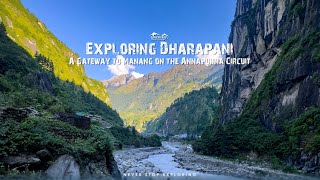
After you cross Larkya La Pass and continue toward Dharapani, your route enters the Annapurna Conservation Area. You therefore need the Annapurna Conservation Area Permit (ACAP) for the final section of the circuit. This permit supports protecting the region's natural and cultural resources.

  • Required section: Dharapani onward, where the route enters the Annapurna Conservation Area
  • Issued by: National Trust for Nature Conservation (NTNC)
  • Fee: Based on the current ACAP permit rate:
    • NPR 3,000/person per entry (approx. $20 USD) for foreign nationals
    • NPR 1,000/person per entry (approx. $7 USD) for SAARC nationals
    • NPR 100 per person per entry for Nepali citizens
    • Children below 10: Free
  • Purpose: Supports the protection of wildlife, forests, and cultural heritage
  • Requirement: Carry the permit during the relevant section of the trek

What are the requirements for these permits?

As the Manaslu region is a restricted area, you must also follow the applicable trekking regulations:

  • You need to trek with a licensed guide.
  • You need to meet the current group-size requirements for restricted-area trekking.
  • Your permits must remain valid for the dates and sections of your trek.
  • Carry your passport and permit copies during the trek.
  • Permit requirements and fees can change, so you should check the latest regulations before your trek.

Note: We arrange all the required permits on your behalf, so you can focus on enjoying your trek without worrying about the paperwork.

What travel documents are required for the trek?

Before you travel to Nepal for the Manaslu Circuit Trek, you need the documents required for entry into Nepal and for trekking in the Manaslu region.

Throughout the trek, you should also keep copies of your important travel documents:

  • Valid passport
  • Nepal tourist visa
  • Passport-size photographs, if required
  • International flight details
  • Travel insurance policy
  • Emergency contact details

Tourist Visa

When you arrive in Nepal, you can obtain a tourist visa on arrival at Tribhuvan International Airport (TIA) in Kathmandu, provided your nationality is eligible.

You can also obtain a tourist visa from a Nepalese diplomatic mission in your hometown before travelling.

What should you know?

  • Entry point: Tribhuvan International Airport (TIA), Kathmandu
  • Visa type: Nepal Tourist Visa
  • Visa on arrival: Available at TIA for eligible travellers
  • Visa duration: 15, 30, or 90 days
  • Visa fee: $30 USD for 15 days, $50 USD for 30 days, and $125 USD for 90 days
  • Passport validity: At least 6 months from the date of travel
  • At the airport: Complete the arrival card and online tourist visa form, pay the visa fee, and proceed to the immigration desk with your passport and payment receipt.
  • Before travelling: Check the latest visa requirements for your nationality, as some nationalities have different entry arrangements.

High Altitude Insurance

When you trek the Manaslu Circuit, your insurance should cover high-altitude trekking up to Larkya La Pass (5,106 m / 16,752 ft), the highest point of the route. Also, ensure your policy covers emergency evacuation from remote areas of the Manaslu region.

Your insurance should include:

  • High-altitude trekking coverage above 5,000 m
  • Emergency medical treatment
  • Helicopter rescue and evacuation
  • Hospitalization and medical expenses
  • Emergency transportation to a suitable medical facility
  • Trip cancellation or interruption, where applicable
  • Coverage for delays or disruptions caused by severe weather or other emergencies

Note: Check the maximum altitude, trekking activities, evacuation conditions, and exclusions in your policy before travelling. Standard travel insurance may not automatically cover trekking at elevations above its stated altitude limit.

How Difficult is the 12-Day Manaslu Circuit Trek?

The 12-day Manaslu Circuit Trek is considered a moderate to challenging trek because of its changing altitude, long walking days, and the crossing of Larkya La Pass. You don’t need any technical mountaineering or climbing skills, but some sections demand steady walking and careful footing.

Altitude

Altitude is one of the main factors that increases the difficulty of the Manaslu Circuit. You begin around Machha Khola at 890 m and gradually reach Dharamsala at 4,480 m, with the highest point at Larkya La Pass (5,106 m).

  • The rapid change from the lower valley to elevations above 4,000 m makes walking more physically demanding.
  • At higher elevations, thinner air can make you feel more tired and short of breath even when walking at a slower pace.
  • The section from Samdo to Dharamsala takes you above 4,000 m, where cold temperatures and reduced oxygen add to the challenge.

To adjust to the altitude, we include an acclimatization day at Samagaun (3,530 m) before you continue toward the higher settlements.

The Pass

The Larkya La Pass crossing is the most demanding part of the 12-day itinerary. You start early from Dharamsala (4,480 m), reach the pass at 5,106 m, and continue all the way to Bimthang (3,720 m) the same day.

  • The long distance at high altitude makes this the most physically demanding day of the trek.
  • Depending on the season, the trail around the pass includes snow, ice, rugged sections, and frozen streams.
  • Strong winds, cold temperatures, or poor visibility can make the pass crossing more difficult.

The combination of high altitude, changing trail conditions, and a long walking day requires good endurance and a steady pace.

Distance and Walking Hours

The daily distance is manageable for regular trekkers. But several days involve 6–9 hours of walking, which requires cumulative effort. So it adds to the trek's difficulty.

  • You walk around 18–20 km on some of the longer lower and middle-section days.
  • The Dharamsala–Larkya La–Bimthang section covers about 16 km while crossing the highest part of the route.
  • Consecutive trekking days mean your legs have limited time to fully recover before continuing.
  • Long walking hours become more demanding at higher elevations, particularly when combined with cold and uneven terrain.

Trail and Terrain

The Manaslu Circuit is not technically difficult, but the trail conditions vary considerably throughout the route. You encounter rocky paths, stone steps, narrow sections, suspension bridges, forest trails, and high-altitude terrain.

  • Lower sections around the Budhi Gandaki Valley include steep, confined, and sometimes slippery paths.
  • Numerous staircases and uneven sections require careful footing, particularly during longer walking days.
  • You cross several suspension bridges and walk alongside steep valley walls, which can be physically and mentally demanding for some trekkers.
  • Higher sections toward Samdo, Dharamsala, and Larkya La become more exposed, uneven, and barren as vegetation decreases.
  • Snow or ice around Larkya La can make the trail slower and more difficult depending on weather and seasonal conditions.

Safety on the Manaslu Circuit Trek

Our main priority is your safety. So, we follow safety protocols throughout the Manaslu Circuit Trek, with extra attention as you move from the lower Budhi Gandaki Valley to Samagaun, Samdo, Dharmashala, and Larkya La Pass.

Your guide monitors your condition, walking pace, altitude gain, weather, and trail conditions and adjusts the trek when necessary.

Guide and Trail Safety

You trek with an experienced guide who remains with you throughout the route. They help you manage changing trail conditions, particularly on the more remote sections. You also receive guidance on maintaining a steady pace and safely navigating bridges, uneven paths, and exposed sections.

What Should You Follow?

  • Stay with the group and avoid walking ahead or falling far behind your trekking team.
  • Follow your guide's instructions, especially at river crossings, suspension bridges, and exposed trail sections.
  • Keep a steady pace that matches the trail, altitude, and your physical condition rather than rushing to reach the next stop.
  • Stay alert on wet, rocky, narrow, or slippery sections, particularly after rain or snowfall.
  • Report to your guide immediately if you feel unwell, have any discomfort, or have unusual symptoms.
  • Comply with any route or schedule changes when weather, trail conditions, or other safety concerns make the original plan unsuitable.

Acclimatization and Altitude Sickness

Altitude sickness is the main concern when you are trekking at high altitude. To mitigate this, our itinerary includes an acclimatization day in Samagaun (3,530 m / 11,581 ft) before continuing to the highest altitude. In addition, your guide also monitors your altitude-related symptoms as you approach the higher sections of the circuit.

What Should You Follow?

  • Take a gradual hike to Birendra Lake, Manaslu Base Camp, or Pungyen Gompa during the acclimatization day.
  • Return to Samagaun to sleep after the acclimatization hike.
  • Maintain your pace and avoid unnecessary exertion at higher elevations.
  • Inform your guide immediately if you experience symptoms like headache, dizziness, nausea, unusual tiredness, and breathing difficulties.
  • If your symptoms worsen, follow your guide: rest or descend rather than continuing higher.
  • Use (only with medical supervision) Acetazolamide (Diamox) or Dexamethasone for AMS (Acute Mountain Sickness). And Nifedipine for HAPE (high-altitude pulmonary edema).

Weather and Cold-temperature Safety

Weather changes noticeably along the Manaslu Circuit as you move from the lower Budhi Gandaki Valley toward Samdo and Dharamsala.

At higher elevations, you can experience freezing temperatures, snowfall, strong winds, and reduced visibility. Rain in the lower sections can make the trail wet and slippery.

We suggest you:

  • Be prepared for the nighttime and pre-dawn temperatures around -10°C to -15°C (14°F to 5°F), particularly in spring and autumn.
  • Keep your down jacket, thermal layers, gloves, warm hat, and waterproof outer layer readily accessible rather than packed deep in your duffel.
  • Use extra caution on wet rocks, muddy sections, and slippery trails after rain in the lower valley.
  • Your guide checks local weather and trail conditions before the day's walk, especially around Dharmashala and Larkya La.
  • Follow your guide’s suggestion of delaying the start or modifying the day’s itinerary if fresh snowfall, strong winds, or poor visibility creates unsafe conditions.

Larkya La Pass Crossing

The Larkya La Pass is one of the most demanding days of your trek, covering around 16 km / 9.9 miles. It starts from Dharmashala and finishes in the Bimthang section.

We need to cross the pass early in the morning to have better visibility and enough daylight for the long crossing. An early start ensures you reach the destination before weather, visibility, and trail conditions potentially deteriorate later in the day.

What should you know?

  • You leave dharmashala before sunrise, and it's a long walking day.
  • You reach the highest point of the trek at 5,106 m / 16,752 ft.
  • Maintain a slow, steady pace to conserve your energy and avoid unnecessary exertion.
  • Your guide will check how you are responding to the altitude. Report immediately if you have any difficulty breathing, headache, or nausea.
  • Guide always check the weather and visibility before and during the crossing. If he finds any unsafe conditions, the crossing can be delayed, or the plan can be adjusted.
  • Temperature can drop below freezing, so carry warm layers, gloves, hat, and other essential gear.
  • There are no regular facilities or villages on the route until you reach Bimthang.
  • Carry sufficient water, snacks, and personal essentials for the day.
  • Follow your guide while in exposed, uneven, or snow-covered sections.

Note: If your health deteriorates or conditions become unsafe, your guide assesses whether you should stop, return to a safer location, descend, or arrange further assistance.

Emergency Support and Evacuation

The upper Manaslu region is remote, so responding to a serious medical problem can take longer than it would in Kathmandu or the lower trekking areas. If you suffer a significant injury, severe altitude-related symptoms, or another condition that prevents you from continuing safely, your guide coordinates the appropriate response from your location.

How do we maintain your safety?

  • Tell your guide immediately if you develop severe altitude symptoms, an injury, breathing difficulty, or another serious problem.
  • If you're facing altitude sickness symptoms, the priority will be descending to a lower elevation, rather than continuing toward Larkya La.
  • Your guide coordinates available medical assistance based on your location and the severity of the situation.
  • When ground evacuation is not practical, or your condition requires urgent evacuation, we may arrange helicopter evacuation, subject to weather, availability, and insurance coverage.
  • You keep your travel insurance policy details and emergency contact information accessible throughout the trek.
  • Your insurance should specifically cover high-altitude trekking and emergency evacuation, including the maximum elevations reached on the Manaslu Circuit.

A typical trekking day with a guide

A typical day on the 12-day Manaslu Circuit Trek starts early, with breakfast followed by several hours of walking, meal breaks, and time to explore villages or viewpoints along the route. Your guide stays with you throughout the day, managing the pace and helping you follow the planned itinerary.

  • 6:30–7:00 AM – Wake up: Get ready, pack your daypack, and prepare for the day's walk.
  • 7:00–7:30 AM – Breakfast: Have breakfast at the teahouse before setting off.
  • 7:30–8:00 AM – Start trekking: Begin walking with your guide, following the day's planned route.
  • 10:00–10:30 AM – Morning break: Stop at a suitable village or resting point for water, snacks, and a short rest.
  • 12:00–1:00 PM – Lunch: Have lunch at a teahouse or settlement along the trail before continuing.
  • 1:00–4:00 PM – Afternoon walk: Continue toward the day's destination, passing villages, monasteries, mani walls, rivers, forests, and mountain viewpoints depending on the route.
  • 3:00–5:00 PM – Arrive at the teahouse: Check in, settle into your room, rest, or explore the nearby village.
  • 6:30–7:30 PM – Dinner: Have dinner in the teahouse dining area and discuss the following day's plan with your guide.
  • After dinner – Rest: Prepare your clothes and daypack for the next morning and get an early night's sleep.

What is the luggage Limit for the trek?

For the Manaslu Circuit Trek, DWT provides porter support so you can trek with a lighter daypack. One porter is assigned for every two trekkers, carrying a combined maximum of 18 kg (9 kg per trekker).

  • Porter allowance: Maximum 9 kg of luggage per trekker.
  • One porter carries only one duffel bag or rucksack of 60-70 liters.
  • Two trekkers: One porter carries up to 18 kg combined.
  • Daypack: Keep your essential personal items, water, documents, camera, valuables, and anything you need during the day in your own daypack.
  • Packing advice: Pack only the layers, light clothing, and equipment you need for the 12-day trek. Carrying unnecessary weight makes long walking days more tiring.
  • DWT support: We provide a duffel bag for the trek if you don’t have one. You can discuss any extra luggage arrangements with our team before departure.

What to expect after the trek?

After completing the Manaslu Circuit, you will finish the mountain section at Bimthang. You then continue to Besisahar before returning to Kathmandu. Once back in Kathmandu, you can relax at your hotel and have time to recover from the trek.
  • We provide ground transportation from Besisahar to Kathmandu on a local bus.
  • A farewell gathering in Besisahar before transferring you to your hotel.
  • A digital DWT Manaslu Circuit Trek 12-Day Completion certificate (via WhatsApp or Email).
  • Our team can assist with your onward travel arrangements if you need help after the trek.
  • Private transportation from your hotel to Tribhuvan International Airport on your departure day.

Many trekkers choose to stay a night in Kathmandu after the trek to rest and recover. You can explore the city's cultural sights, traditional food, and cafes. After a long journey, you can finally do your laundry and clean your gear.

Note: After your journey, we welcome your individual feedback and review so you can share your personal experience with future travellers.

How to Book a 12-Day Manaslu Circuit Trek?

To book the 12-Day Manaslu Circuit Trek, choose your preferred departure date and contact Discovery World Trekking through WhatsApp or email.

You can confirm your booking by paying a 10% deposit of the total trek cost. After confirmation, we need your passport details to proceed with the necessary arrangements.

Other necessary documents are:

  • Passport-sized photo with your face clearly visible (phone or camera-clicked photos are accepted).
  • A copy of travel insurance details, including company, policy number, and contact number.
  • Flight details, including airline name, arrival, and departure times.
  • Kathmandu hotel details, including name and location.

Note: You can email or message us these documents as soon as they are prepared.

Payment methods

We accept multiple international payment methods, allowing you to choose the option that is most convenient for you. Once your booking is confirmed, we will provide the relevant payment details and instructions for your selected method.

  • Bank Transfer: You can make a direct payment to the DWT bank account.
  • Card Payment: Visa Debit and Credit, Mastercard, American Express, etc.
  • International bank transfer through Wise and Western Union.
  • Cash Payment: For the remaining balance, you can pay in NPR, USD, AUD, etc. at our Kathmandu office.

Private Trek Option

As a licensed trekking operator in Nepal, we are the only one to provide a private trek option to our trekkers. It means:

  • You can trek with your family, friends, partner, or chosen group
  • No additional members or groups in your group
  • We provide you with your personal guide and team
  • You can choose a departure date that suits your group’s schedule
  • One porter for 2 trekkers and a dedicated guide for more than 5 members
  • Flexibility in your schedule, route, and services.

Note: We also follow professional standards and safety practices as an active member of NMA (Nepal Mountaineering Association) and TAAN (Trekking Agencies’ Association in Nepal).

Last Minute Booking

We understand that not every trip is well planned long ago, so we also accept last-minute bookings. It depends on whether the required permits, transportation, accommodation, and trekking team are available for your selected date.

For your short-notice bookings, you should

  • Prepare your documents, photos, passport, and insurance in advance
  • Contact Paul at +977-9840055491 or email info@discoveryworldtrekking.com
  • Quick 10% booking payment
  • Remaining 90% payment within 24 hours of booking
  • Send your details immediately so that logistics and other facilities can be arranged quickly

Note: Keep in mind that sudden weather changes and remoteness may affect availability. So book your Manaslu Circuit Trek early during the peak spring and autumn seasons.

Flexible Schedule and Side Trip Extension

You can adjust your trekking schedule based on your arrival time, acclimatization needs, or personal preferences with prior notice. If you arrive late in Kathmandu, we can modify the schedule so you have enough time to rest before starting the trek.

What can we do?

  • Modify the trek’s start and finish day to align with your travel plans.
  • Adjust the trek dates to suit your arrival and departure schedule.
  • Include additional acclimatization days if you prefer a slower schedule.
  • Add extra days to explore major tourist places such as Pokhara and Besisahar.
  • Extend your itinerary with side trips to nearby routes such as Manang, Tsum Valley, Birendra Lake, and Manaslu Base Camp.

Note: Discuss your preferred dates and additional arrangements with our team before confirming your booking. Schedule changes are subject to weather and trail conditions.

How much does the 12-Day Manaslu Circuit Trek Cost?

The 12-Day Manaslu Circuit Trek cost depends on your group size and additional services you choose. The normal price includes trekking accommodation, full-board meals during the trek, an experienced guide, porter service, required trekking permits, local transportation, and other services listed in the package.

GroupCost Per PersonBest Fit For:
Small (2–3 people)$990 USDCouples, friends, or travellers seeking a more private and flexible trek
Medium (4–7 people)$960 USDFamilies, friends, or small groups travelling together
Large (8–13 people)$900 USDLarger groups of friends, families, or organized groups looking for a lower per-person cost

Note: We offer group discounts based on the size of your group. Your trek remains exclusive to your own group, and we do not merge groups with other travellers.

How much cash do you need to carry?

Although most major trek expenses are covered by the package, you should carry enough Nepali rupees for personal expenses during the trek. You need cash for drinks, snacks, hot showers, Wi-Fi, device charging, souvenirs, and tips.

A practical amount is around NPR 15,000–25,000 per person ($100 – 160 USD per day) for the 12-day trek, depending on your spending habits. If you prefer buying extra drinks, snacks, or services along the way, we advise budgeting a little more.

Note: You cannot find reliable ATMs or money exchange facilities in the Manaslu region. So exchange or withdraw Nepali rupees (NPR) in Kathmandu before starting the trek.

Tips for Guides and Porters

Tips are not included in the trek package, but tipping is customary in Nepal. It is considered an appreciation and a way to thank your guide and porters for their support throughout the trek.

There is no fixed tipping amount. Consider the quality of service, level of support, group size, and your overall experience when deciding the amount.

  • You will be briefed about tipping and the recommended amount before your trek begins.
  • Tips are usually given at the end of the trek, after completion of the trek.
  • For groups, you can collect the tip together with your members and share it among the guide and porter team.
  • You can also give a personal tip to an individual team member if you are especially satisfied with their support.

Note: It is best to carry Nepali rupees for tipping, as cash is the most practical option along the trekking route.

Preparation for Manaslu Circuit Trek

Proper preparation helps you manage the long trekking days, changing trail conditions, and high-altitude sections of the Manaslu Circuit Trek.

You should focus on physical fitness and mental readiness before you begin the trek.

Physical Preparation

You need to be physically fit to complete the Manaslu Circuit trek. So you should gradually build your walking endurance, leg strength, and stamina before arriving in Nepal.

We recommend starting your training at least a month before the trek. It will help your body adjust to spending several hours on the trail on consecutive days.

What should you focus on?

  • Walk regularly: Include regular walks and gradually increase the duration and distance.
  • Train on varied terrain: Practice on trails, slopes, stairs, or uneven surfaces to become comfortable with changing ground conditions.
  • Build leg strength: Include exercises such as squats, lunges, step-ups, and calf raises to strengthen your legs.
  • Include cardio: Activities such as cycling, jogging, swimming, or brisk walking can improve overall endurance.
  • Practice with a daypack: Take some training walks while carrying a light backpack (up to 5 kg) similar to what you will use during the trek.
  • Allow recovery: Include rest days between demanding training sessions so your body can recover.

Mental Preparation

The Manaslu Circuit is a 12-day journey, so being mentally prepared is just as important as physical fitness. You may encounter long walking days, changing weather, basic facilities, and slower progress than you are used to at home.

What can you learn before the trek?

  • Be patient with your pace: Trek at a steady pace rather than trying to walk quickly.
  • Expect changing conditions: Weather, trail conditions, and daily walking times can vary.
  • Stay flexible: Your guide may adjust the pace or schedule when conditions require it.
  • Be comfortable with basic facilities: Accommodation and services become simpler, with shared rooms and bathrooms in remote areas such as Samdo and Dharamsala.
  • Communicate with your guide: Tell your guide if you feel unusually tired, unwell, or uncomfortable.
  • Focus on the journey: Learn to give yourself time to enjoy the villages, monasteries, mountain scenery, and changing landscapes rather than focusing only on reaching the day's destination.

Prepare Your Trekking Documents

Make your essential travel and trekking documents ready before arriving in Nepal. We (the DWT team) handle the required trekking permits, but you should make sure your personal travel documents and insurance are in order.

  • Valid passport and Nepal tourist visa or visa-on-arrival arrangements
  • Passport-sized photographs and necessary copies
  • Travel insurance covering high-altitude trekking and emergency evacuation
  • Flight details and emergency contact information
  • Copies of important documents stored securely as a backup

Check Your Gear Before Departure

Check your trekking equipment before leaving home rather than discovering problems after reaching the trail. In particular, make sure your boots fit comfortably, and your cold-weather clothing is suitable for the upper Manaslu region.

  • Break in your trekking boots before the trip.
  • Test your backpack, headlamp, water bottles, and trekking poles.
  • Check that your sleeping bag is suitable for cold high-altitude nights.
  • Carry spare batteries or a power bank for essential electronics.

Note: We provide a duffel bag (one for two trekkers), one below zero rated sleeping bag, and a down jacket for each person.

Eco-Friendly Practices in Manaslu Region

We follow responsible trekking practices throughout the Manaslu Circuit Trek to help protect the region's natural environment and support the communities along the trail. Our guides, porters, and trekkers work together to reduce waste, use local resources responsibly, and respect the protected landscape.

  • We encourage trekkers to carry reusable water bottles and refill them at teahouses or safe water stations instead of relying on single-use plastic bottles.
  • Our trekking team avoids leaving waste along the trail and encourages trekkers to keep wrappers, bottles, and other rubbish with them until they reach designated disposal points.
  • We stay at locally operated teahouses and lodges in villages such as Namrung, Shyala, Samagaun, Samdo, and Dharamsala, helping keep tourism income within the local communities.
  • We use meals and supplies available through local teahouses.
  • Our guides remind trekkers to remain on the established trail and avoid damaging vegetation, particularly around the forests and alpine areas approaching Larkya La.
  • We promote responsible behaviour around wildlife and natural habitats within the Manaslu Conservation Area, including not feeding, chasing, or disturbing animals.
  • Our team follows local customs when visiting monasteries, gompas, chortens, and villages, helping preserve the cultural character of the Manaslu region.
  • Our guides brief trekkers on responsible trekking practices and help the group make environmentally conscious choices throughout the journey.
  • By employing local guides, porters, and accommodation providers, we help distribute the economic benefits of trekking among communities along the Manaslu Circuit.

Popular Alternative Treks

If the Manaslu Circuit Trek doesn't match your preferred duration, scenery, or trekking experience, we also offer several popular alternatives. Each route provides a different combination of mountain views, cultural experiences, altitude, and trail conditions.

These alternatives offer distinctly different experiences from the quieter and more restricted Manaslu region.

  • Annapurna Circuit with Tilicho Lake Trek: This route combines the Annapurna Circuit with a visit to Tilicho Lake, one of the world's highest-altitude lakes. It offers diverse landscapes, traditional Manang villages, and the crossing of Thorong La Pass. That makes it a strong alternative for trekkers looking for varied scenery and a longer mountain adventure.
  • Langtang Valley Trek: A shorter and more accessible Himalayan trek through Langtang Valley, combining mountain scenery, Tamang culture, forests, and traditional villages. It's a good choice if you want a high-altitude experience with fewer trekking days than the Manaslu Circuit.
  • Everest Base Camp Trek: Choose this trek if your main goal is to stand at Everest Base Camp (5,364 m / 17,598 ft) and experience the heart of the Khumbu. The route follows the classic trail through Namche Bazaar, Tengboche, and Gorak Shep, with close views of Mount Everest, Ama Dablam, Lhotse, and Nuptse.
  • Annapurna Circuit Trek: This classic circuit takes you from the lower Marshyangdi Valley through Dharapani, Pisang, and Muktinath, crossing Thorong La Pass (5,416 m / 17,769 ft). The route is known for its change in scenery, from subtropical valleys and pine forests to the dry landscapes of upper Manang and Mustang.

If you have a few more days in Nepal after finishing the Manaslu Circuit 12-Day trek, you can choose:

  • Mardi Himal Trek: Choose Mardi Himal if you want a shorter route with a more peaceful trail experience. Winding through forests and alpine landscapes toward Mardi Himal Base Camp, you can enjoy close views of Machhapuchhre (Fishtail).
Travelers' Review
Mr. Jordan, Ms. Kate, Mr. John, and more.

Smiling faces on Manaslu Circuit Trek

Stephen and others

Manaslu Circuit: Journey to Larke Pass

Manaslu Trek Company Reviews

30,000+ Happy Trekkers

Explorations that last a lifetime.

5
Based on the opinion of at least 2295 people.
5 out of 5 reviews in
TripAdvisor
Q
QuinnWritten Feb 2, 2026

Absolutely amazing experience! Trekking in Nepal had been on my bucket list for years, and Discovery World Trekking made it an adventure I’ll never forget. Everything fell into place perfectly—the weather, the food,... Read more

A
AveryWritten Dec 9, 2025

Our 12 Day Manaslu Circuit trek with Discovery World Trekking was nothing short of amazing! From start to finish, every moment was filled with breathtaking views, challenging trails, and unforgettable memories. A massive shouto... Read more

B
BarlyWritten Apr 24, 2023

We were a group of four individuals who embarked on the Manaslu Circuit trek with the Discovery World Trekking team, and we had an enjoyable time throughout.


Our porters, Sure and Rapesh, along with our g... Read more

F
FernandoWritten Apr 18, 2023

I had an absolutely amazing experience during the Manaslu Circuit Trek with Discovery World Trekking. Our team was not only enjoyable but also very accommodating when we wanted to make slight changes to the itinerary. However, ... Read more

Discovery World Trekking
5
Based on at least 832 Google reviews as a travel agency in Kathmandu.
M
Marley Jan 20, 2026

5 out of 5 stars. We returned to Nepal for a second time to take on the Manaslu Trek—and once again, Discovery World Trekking delivered an incredible adventure. Paul was extremely helpful, thorough, and highly respected, ... Read more

T
Tatum Nov 28, 2025

This trek was a dream come true—an incredible adventure in a truly beautiful country. My experience with Discovery World Trekking was nothing short of exceptional. Dol and Anmol, our guide and assistant guide, were so fri... Read more

B
Brian Jan 30, 2024

My parents and I went on to Manaslu Circuit Trek with Discovery World Trekking. This was our first family vacation outside the US. I wanted this to be special. Thanks to Paul Gurung (CEO), my vacation became one of the best mem... Read more

K
Kyler Feb 5, 2024

Manaslu Circuit Trek was an experience that left me in awe of the natural beauty and cultural richness. I am incredibly grateful to Discovery World Trekking for orchestrating such a memorable journey through the heart of the Ma... Read more

100%
100% users recommend (445 Reviews) us.
100% out of 100% reviews from
facebook
C
Cole
5
Jan 27, 2026

Beautiful mountains, lush forests, and incredibly kind people—this trek was truly unforgettable. The views were absolutely jaw-dropping, and we felt so fortunate to have such an amazing crew with us. Chhanda, our guide, w... Read more

K
Kevin
5
Jan 9, 2026

We chose Discovery World Trekking for our Manaslu Circuit Trek because of the fantastic experience we had on our Annapurna trek two years ago—and they did not disappoint! Just as before, everything was superb. The informa... Read more

R
Rebecca
5
Mar 20, 2023

My initial visit to Nepal was truly remarkable, thanks to the exceptional experience provided by Discovery World Trekking. Paul and his team were incredibly warm and welcoming, instantly putting us at ease. And let's not forget... Read more

N
Nicholas
5
May 22, 2023

Words cannot express how amazing the team at Discovery World Trekking is. This is our second time trekking with them, and they have treated us like family upon our return to Nepal.


With only a two-day not... Read more

FAQs For Manaslu Circuit Trek

General Information

With Discovery World Trekking, the 12-day Manaslu Circuit Trek is a private trek. So you travel with your own group rather than being added to a shared group. We arrange the required permits, an experienced, licensed guide, accommodation, meals, transportation, and other trekking support. You also opt for a private jeep from Kathmandu to Machha Khola and return from Tilije to Kathmandu.

The total distance of the 12-day Manaslu Circuit Trek is around 175 to 190 kilometers (109 to 118 miles). It includes the main trekking sections, starting and returning to Kathmandu, around the Manaslu region. However, it depends on your starting point, ending point, and the route you follow.

The highest altitude on the trek is Larkya La Pass at 5,106 m (16,751 ft). You cross the pass on the way from Dharmashala to Bimthang, with panoramic views of Himlung Himal, Cheo Himal, Kang Guru, and Annapurna II. 

Yes, the Manaslu Circuit trek includes a restricted-area trek. The route enters the restricted area at Jagat. Then it continues through Namrung, Samagaun, Samdo, and Larkya Phedi. Finally, it crosses Larkya La Pass to Bimthang (end of the restricted area). A Manaslu Restricted Area Permit (RAP) is required for this section. 

It takes around 8–9 hours by public bus or a private jeep (with extra cost) from Kathmandu to Machha Khola. The approximately 160 km (99 miles) drive passes through Arughat, Soti Khola, and Lapubesi before reaching Machha Khola. 

No, you do not need previous high-altitude trekking experience. However, the route gradually ascends from Machha Khola at 890 m to Larkya La at 5,106 m. So, you should be comfortable walking for several hours on consecutive days. Regular walking or hiking before the trek will help you build stamina. Your guide will also support you with pacing, acclimatization, and route conditions along the way. 

No. Solo trekking is not permitted in the Manaslu restricted area. According to the Nepal Government, you need to trek with a licensed guide and a registered trekking agency. With Discovery World Trekking, we arrange the trek as a private booking, so you are not added to a shared group. 

Trek Difficulty

The 12-day Manaslu Circuit Trek is a challenging Himalayan Trek, but you don't need technical climbing skills. The difficulty comes from the combination of long walking days, continuous elevation gain, steep and uneven sections, high altitude conditions, cold, dry weather, and the remote nature with basic facilities. The trek reaches 5,106 m at Larkya La Pass, adding to the overall challenge.   

Yes. Beginners can complete the Manaslu Circuit Trek if they are physically fit and properly prepared. The route starts at the lower altitude of Machha Khola and gradually gains elevation through Jagat, Namrung, and Samagaun. This gradual ascent gives your body time to adjust to the increasing altitude. We also include an acclimatization day at Samagaun before heading toward Larkya La Pass. 

Your walking time varies from around 3 to 9 hours per day, depending on the section. Some of the shortest days, such as Samagaun to Samdo, take about 3–4 hours. The Dharmashala–Larkya La–Bimthang section takes around 8–9 hours and is the longest day of the trek. 

Yes, Larkya La Pass is the most demanding section of the 12-day Manaslu Circuit route. At 5,106 m, it is the highest point of the trek, with cold weather, possible snow or ice, and steep, uneven terrain. You start early and walk for several hours, making it a long and physically demanding day. 

They are difficult in different ways. The Manaslu Circuit reaches 5,106 m at Larkya La and is more remote. You have rougher trails and fewer facilities in the upper Manaslu sections. The Annapurna Circuit reaches a higher point at 5,416 m at Thorong La. But it has more developed villages, accommodation, and road access throughout the route. 

So, Manaslu’s challenge comes more from remoteness and trail conditions. While Annapurna’s challenge is more focused on high-altitude pass crossing.

No. You should not skip the acclimatization day at Samagaun (3,530 m). The trek leads you to higher altitude over the next few days, reaching Dharmashala at 4,480 m and Larkya La Pass at 5,106 m. Staying an extra day at Samagaun, you can go for a short hike to Manaslu Base Camp, Birendra Lake, or Pungyen Gompa. It gives your body more time to adjust to the altitude before continuing higher. 

The two treks offer very different experiences. Everest Base Camp focuses on the Khumbu region, Sherpa culture, and views of Everest. Manaslu Circuit takes you through quieter mountain villages, Tibetan-influenced Nubri culture, the Manaslu Conservation Area, and the remote Larkya La Pass crossing. Your choice mainly depends on whether you prefer the classic Everest route or a more remote circuit around Mt. Manaslu. 

Preparation & Fitness

You don’t need to be an athlete to complete the 12-day Manaslu Circuit Trek. However, the trek includes several hours of walking each day, changing elevations, and crossing the Larkya La Pass at 5,106 m. So, having a good level of fitness will help you walk comfortably and enjoy the trek safely. 

You can start preparing several weeks before your trek with regular walking, hiking, or cardio exercise. Focus on building your stamina and leg strength, as you’ll need to handle long walking days and the steep sections leading toward Larkya La. We also recommend doing a few longer hikes or steep stairs while carrying a small backpack of 9 kg.

Before starting the Manaslu Circuit Trek, try to exercise for 4–6 weeks, gradually increasing duration and intensity. We suggest some cardio exercises such as regular walking, hiking, stair climbing, and cycling. You can also add some strength training for your legs and core. You should have a goal to make 3–8 hours of walking feel manageable rather than trying to train like a professional athlete.

Yes. You can complete the Manaslu Circuit Trek as your first trek in Nepal if you are reasonably fit and properly prepared. You’ll be walking at high altitude with remote setting and basic facilities. So it's especially important to follow the itinerary, take time to acclimatize in Samagaun, and listen to your guide. 

Permits

For the 12-day Manaslu Circuit Trek, you need three permits. You need a Manaslu Restricted Area Permit (RAP) for the restricted section from Jagat to Bimthang via Larkya La Pass. Manaslu Conservation Area Permit (MCAP) is required to enter the Manaslu Conservation Area, including Deng, Namrung, Lho, and Samdo. After crossing the pass, you need the Annapurna Conservation Area Permit (ACAP) to pass through Bimthang and toward Dharapani.

No. You do not need a TIMS card for the Manaslu Circuit Trek. Previously, TIMS was used to register and track trekkers on many trekking routes in Nepal. The Manaslu Restricted Area Permit (RAP) serves this purpose for the restricted section of the Manaslu region, so a separate TIMS card is not required. 

Yes, you can obtain all the required permits in Kathmandu.  The Manaslu Restricted Area Permit (RAP) is issued by the Department of Immigration in Kathmandu. You can get both MCAP and ACAP through the Nepal Tourism Board/NTNC permit system. However, for the 12-day Manaslu Circuit Trek, DWT arranges all three permits for you. 
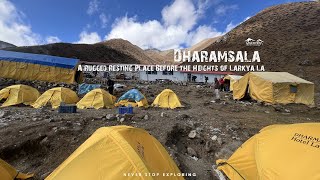
The permit costs vary depending on the permit type, season, and your nationality. For foreign nationals, the MCAP and ACAP cost around NPR 3,000 ($25) per person each. For SAARC nationals, the fee is around NPR 1,000 ($8) per person each, while Nepali citizens pay NPR 100 per person each.

The Manaslu Restricted Area Permit (RAP) varies by season and the number of days you spend in the restricted area. From September to November, it costs $100 per person for the first 7 days, followed by $15 per person per additional day. From December to August, it costs $75 per person for the first 7 days, followed by $10 per person per additional day. If you extend your stay beyond the permit period, you may be charged additional fees.

We (DWT team) arrange all the required permits for you. You need to provide us with your passport copy, passport-size photos, and other necessary documents. Our team manages all official documents and the permit process before your trek starts.

Insurance & Visa

Yes. You should have comprehensive travel insurance covering high-altitude trekking before your trek starts. This matters because the route reaches 5,106 m at Larkya La Pass, and you may need evacuation in an emergency. Keep your insurance details and emergency contact information with you throughout the 12-day trek. 

Your insurance should cover high-altitude trekking, emergency medical treatment, helicopter evacuation, hospitalization, and trip-related emergencies. Check the policy carefully to make sure Manaslu and the maximum trekking altitude are covered. Helicopter evacuation above 5,000 m should also be included, as the Larkya La section reaches above this altitude. 

You can obtain a Nepal tourist visa on arrival at Tribhuvan International Airport in Kathmandu, or apply through a Nepali diplomatic mission before travelling. You can also fill out an online ETA/eVisa application through Nepal's Department of Immigration before your trip.

Guides & Porters

Yes. A licensed trekking guide is compulsory for the Manaslu Circuit Trek. Nepal Tourism Board specifically lists the Manaslu region among the routes where a licensed guide must accompany trekkers. Your guide will lead you along the permitted route and assist with checkpoints and permits. He monitors your condition at higher elevations and supports you during challenging sections.

A porter is recommended for the 12-day Manaslu Circuit Trek, especially if you want to avoid carrying your main luggage throughout the trek. This is especially helpful on longer walking days and during the Larkya La Pass crossing. The trail includes steep and uneven sections, and carrying a heavy load can be tiring. 

Yes. We include a private guide as part of your 12-day Manaslu Circuit trek. Your guide will lead you along the route, manage the daily itinerary, monitor your health, and help you cross the challenging Larkya La Pass. If your group has 5 or more members, we provide an additional guide to support your group.

You can give your porter exactly 9 kg of main trekking luggage per person. A porter carries a rucksack or a duffel bag with a combined luggage limit of 18 kg. You can carry the items you need during the day in your small backpack. The maximum limit is 5 kg, including water, snacks, documents, a camera, a mobile, electronics, and extra layers. 

No, tipping is not compulsory, but it is a common way to show appreciation for your guide, porter, and support staff after the trek. The amount is entirely up to you and depends on the service you received and the size of your group. 

Accommodation

Teahouses along the Manaslu Circuit Trail are simple, run by families, with basic rooms and shared facilities. You’ll usually get a bed with a mattress, pillow, and blanket, while bathrooms are mostly shared. Facilities are more basic as you reach higher villages, so it’s best to expect comfort rather than luxury. 

Yes. Twin-sharing rooms are standard on the Manaslu Circuit Trek, so you will usually share a room with one other trekker. During peak seasons, some teahouses may accommodate 4–5 trekkers in a shared hall, with one separate bed for each person. Single rooms may be available at lower elevations, but they are not guaranteed, especially at higher elevations. 

Yes. Teahouses provide basic blankets and pillows, but nights can be very cold at higher elevations such as Samdo and Dharmashala. You need to bring warm layers and a sleeping bag rated for sub-zero temperatures for added warmth. If you don’t have one, we also provide a used sleeping bag for the trek.  

Wi-Fi is available at most teahouses at an additional cost of NPR 300-1200, depending on elevation. The connection can be slow, unreliable, or chargeable, especially at higher elevations. 

You can use a Nepali SIM card such as Ncell or NTC for mobile data. Mobile network coverage is also limited and varies along the trail. So you should not rely on your phone for constant connectivity. 

Yes. Hot and cold showers are available at most teahouses and lodges along the lower sections of the Manaslu Circuit route. Hot showers usually cost you around NPR 300 - NPR 700 ($3-$5 USD) extra.  As you reach more remote areas such as Samdo and Dharmashala, you may only have access to a bucket shower. In some teahouses, you may not have shower facilities at all. 

Yes. You can usually charge your mobile phone, camera, laptop, and other electronic devices at teahouses along the Manaslu Circuit. Charging typically costs around $1–$5 (NPR 100- NPR 700) per device or session, depending on the elevation and teahouse. 

At higher elevations, charging can be less reliable because many teahouses depend on solar power. Carry a power bank and a 2-pin socket adapter so you have backup charging options. 

Dharmasala (4,480 m) has very basic teahouse facilities because of its remote location and high altitude. You can expect simple rooms, shared bathrooms, basic meals, limited charging, and little or unreliable Wi-Fi. 

Food & Drinks

Yes. You can find several vegetarian meals along the Manaslu Circuit. Most teahouses offer simple options such as dal bhat, vegetable noodles, soups, potatoes, rice, and other local dishes. Vegan options are more limited, so let us know your dietary requirements before the trek so we can inform the teahouses. 

No. We don’t recommend having meat during the Manaslu Circuit Trek. Meat is not fresh as it is transported over long distances, and refrigeration is limited in remote and higher villages. 

Yes. You can have bottled water at lower elevations and refill your water bottle with boiled water at teahouses along the trail. Boiled water costs around NPR 100- NPR 600 ($1-$4 USD). However, you should always use purification tablets in your drinking water. 

Yes. Carrying water purification tablets (chlorine-based) is recommended as a backup when refilling water during the Manaslu Circuit Trek. After adding the tablets, wait 30 minutes before drinking. They help make untreated water safer by reducing harmful microorganisms. 

Carry a few high-energy snacks such as chocolate, energy bars, nuts, and dried fruit. These are useful on longer walking days and during the Larkya La Pass crossing, when you may need a quick energy boost between meals. You can buy some snacks in Kathmandu and restock at shops along the lower sections of the route. 

Culture & Lifestyle

On the Manaslu Circuit Trek, you pass through villages inhabited by Gurung, Nubri, and Tsumba communities. You can experience Tibetan culture's strong influence in the upper valley.

  • Lower Manaslu: Gurung villages, farming, livestock, and traditional hill life.
  • Upper Manaslu: Nubri and Tsumba communities with Tibetan Buddhist traditions.
  • Villages: Namrung, Lho, Samagaun, and Samdo have stone houses, monasteries, prayer flags, and traditional customs.
  • Daily life: Locals mainly farm (barely, potatoes, buckwheat), raise livestock, engage in seasonal trade, and run teahouses.
  • Local food: Try dal bhat, thukpa, butter tea (su cha), Tibetan bread, tsampa (roasted barley flour), potatoes, and momos (dumplings).

Tibetan Buddhism is predominantly practiced in the upper Manaslu region. However, the religious character gradually changes from Hindu and mixed Hindu-Buddhist practices in the lower areas to Tibetan Buddhist traditions in the upper valleys.

  • Lower Manaslu: Hinduism is more common among Hindu communities, with local temples and shrines.
  • Middle Manaslu: Some communities such as Gurung and other Tibeto-Burman groups practice both Hinduism and Buddhism.
  • Upper Manaslu: Tibetan Buddhism is popular among the Nubri and other Tibetan-origin communities.
  • You can visit monasteries such as Ribung Gompa in Lho and Pungyen Gompa near Samagaun.
  • You also find prayer wheels, stone walls carved with Buddhist mantras, chortens, and colorful prayer flags around religious sites and trail sections.
  • Local spiritual practices and older Himalayan traditions also influenced community customs over generations.

Yes. If your trek coincides with a local festival, you may witness traditional celebrations in the villages.

  • Lhosar: Tibetan New Year, celebrated with prayers, gatherings, music, and traditional dress
  • Dumje: A Buddhist festival celebrated in the upper Manaslu region
  • Monastery ceremonies: Religious prayers and traditional rituals
  • Harvest ceremonies: Local celebrations and community gatherings
  • Dashain and Tihar: Major Nepali festivals also celebrated in lower villages

During festivals, you may see:

  • Men wearing Chuba, a traditional woollen robe
  • Women wearing colourful Tibetan-style clothing and pangden
  • Traditional jewellery, including turquoise ornaments
  • Community gatherings, music, dancing, and religious ceremonies

The trek passes through the Manaslu Conservation Area that protects diverse Himalayan wildlife. So along the Manaslu Circuit Trek, you may encounter some endangered animals:

  • Himalayan tahr
  • Bharal (blue sheep)
  • Musk deer
  • Himalayan serow
  • Goral
  • Black bear
  • Red panda: Rare and difficult to spot
  • Snow leopard: Present in the region but very rarely seen

Wildlife sightings depend on the season, location, and luck, so they are not guaranteed.

Yes, both regions have diverse Himalayan cultures. But the cultural experience changes depending on the communities and valleys you pass through.

AspectManaslu RegionAnnapurna region
Main Cultural InfluenceThe upper Manaslu section has a strong Tibetan-influenced character.A mix of Tibetan Buddhist, Hindu, and local Himalayan traditions, depending on the route and communities
Cultural TransitionYou experience a change from lower hill communities to the Tibetan-influenced upper valleyRoutes can take you through distinct Gurung, Thakali, Manang, and Tibetan-influenced areas
Traditional LifestyleMore remote communities with farming, livestock, seasonal trade, and traditional village practicesMore varied lifestyles, including farming, livestock, trade, and tourism across different valleys
Religious landmarksBuddhist practices become increasingly prominent as you reach the upper Manaslu ValleyBuddhist monasteries and chortens are common in Manang, while other sections have Hindu temples and shrines
ArchitectureTraditional stone-built houses and Tibetan-influenced village layouts are prominent in the upper Manaslu ValleyArchitecture varies more between Gurung, Thakali, Manang, and other communities

Manaslu region trek is more of a remote, culturally immersive journey through the Manaslu Valley. The Annapurna region trekking is a broader mix of mountain landscapes, communities, and cultural traditions.

Respecting local customs helps you interact with communities and religious sites along the trail. You should know:

  • Walk clockwise around mani walls and chortens
  • Remove your shoes before entering any religious places and monasteries
  • Turn prayer wheels in the indicated (clockwise) direction
  • Ask permission before photographing people or religious ceremonies
  • Dress modestly when visiting monasteries
  • Avoid touching or moving religious objects
  • Follow your guide’s instructions when entering monasteries or attending local ceremonies

Weather

The best seasons for the 12-day Manaslu Circuit Trek are spring (March to May) and autumn (September to November). These months generally offer clearer mountain views and more stable trail conditions, making the Larkya La crossing easier to plan. 

The Manaslu Circuit can be more challenging during monsoon and winter because of weather and trail conditions. Monsoon may bring heavy rain, landslides, slippery trails, and road disruptions. Winter can bring snowfall and very cold conditions around Larkya La. 

Temperatures vary considerably with altitude. In the lower Manaslu valleys, daytime temperatures can be around 20–28°C. Higher villages are much colder, especially after sunset. Around Dharmashala and Larkya La, temperatures can fall below 0°C, particularly at night and before sunrise. 

Yes, snow can occur around Larkya La Pass, mainly during winter and after fresh snowfall. The pass is at 5,106 m (16,751 ft), so temperatures can remain below freezing, especially during the early morning crossing. 

Daytime temperatures may range from -3°C to 10°C, while nighttime temperatures can fall from -8°C to -15°C. In winter, temperatures can occasionally drop around -20°C.  

If heavy snowfall, strong winds, poor visibility, and ice on the trail make the Larkya La crossing unsafe, your guide will check the conditions and may delay the crossing until it is safer. The team also adjusts the itinerary depending on the weather, trail conditions, and available accommodation. 

If the pass remains unsafe to cross, your guide will arrange the safest possible plan. The original itinerary may need to change, but the priority is getting you through the route safely. 

Health & Safety

Altitude sickness can occur when you trek above 2,500 m, although not everyone experiences it. On the Manaslu Circuit, the risk increases as you reach Samagaun (3,530 m), Samdo (3,875 m), Dharmashala (4,480 m), and Larkya La Pass (5,106 m).

You can prevent it by following the precautions below:

  • ascend gradually
  • stay hydrated
  • eat regularly
  • avoid excessive alcohol
  • allow your body to acclimatize

Your guide also monitors how you are responding to the increasing altitude. He can recommend descending if symptoms become serious.

Yes. If you become unwell, your guide will assess your condition. Our guides are trained in wilderness first aid and can provide basic assistance for minor issues. For serious altitude sickness or injuries, your guide will coordinate an evacuation plan with the DWT Kathmandu team.

Yes, basic health posts are available in villages such as Jagat, Namrung, and Samagaun. But there is no full-service hospital on the upper circuit. Medical facilities are particularly limited around Samdo, Dharmashala, and Larkya Phedi. So we recommend carrying essential medication (first-aid kit) and insurance covering emergency evacuation. 

Diamox (acetazolamide) helps your body adapt to altitude. It also helps to reduce oxygen levels by increasing breathing. It is commonly used to help prevent or reduce the risk of acute mountain sickness (AMS). Keep in mind that it is not safe to continue ascending when serious altitude symptoms are present.

Whether you should take Diamox depends on your individual circumstances. So discuss how to use it with a qualified medical professional before your trek.

Yes. It is a good idea to speak with your doctor before a high-altitude trek, particularly if you plan to take Diamox or other prescription medication. Your doctor can advise whether a medication is appropriate for you and explain the correct dosage and possible side effects. 

Yes. We arrange emergency helicopter evacuation in case of serious injuries and altitude-related problems. It depends on weather conditions, helicopter availability, and the trekker’s location. Since the upper Manaslu region is remote, evacuation can take longer than in more accessible areas.

Make sure your travel insurance covers high-altitude trekking up to at least Larkya La (5,106 m) and emergency helicopter evacuation.

Helicopters cannot always operate in poor visibility, heavy rain, strong winds, or other unsafe flying conditions. If a flight is delayed, your guide and the Kathmandu team coordinate the safest available option. Depending on your location and conditions, this may mean waiting for a better weather window or moving to a safer accessible area. 

Packing & Gear

For Manaslu Circuit, pack clothes and gear suitable for changing temperatures. You should include thermal layers, fleece, a down jacket, waterproof jacket and trousers, trekking pants, warm gloves, and a hat. You’ll also need sturdy trekking shoes, a headlamp, a water bottle, sunscreen, personal medicines, toiletries, and basic first-aid items. For the Larkya La Pass crossing at 5,106 m, warm and weather-resistant gear is especially important. 

Yes, you need a warm sleeping bag rated for -10°C or lower for this trek. Especially in Samdo, Dharmashala, and other higher elevations, where temperatures can fall below freezing at night. We also provide a used sleeping bag for the trek, which you can use during the journey. 

Trekking poles are compulsory. They can make the Manaslu Circuit more comfortable. They can be useful on the long Larkya La Pass day. On this day, you may trek through steep, uneven sections that can be covered with snow or ice depending on the season. 

Yes. You can rent or buy trekking gear in Kathmandu (around the Thamel area). You can find shops offering sleeping bags, down jackets, trekking poles, boots, and other equipment. Discovery World Trekking also provides a used duffel bag, sleeping bag, and down jacket for this trek. 

You should pack light. Keep your main trekking luggage to around 9 kg per person, carried by a porter, including your clothes and trekking gear. Carry your daily essentials in a small 5 kg backpack, including documents, electronics, sunscreen, light layers, and snacks. 

Crampons are not normally required for the entire trek. However, conditions at Larkya La Pass can change with snowfall or ice depending on the season and recent weather. So, carrying lightweight microspikes or traction devices is recommended as a precaution. Your guide will assess trail conditions before the crossing and advise you on appropriate equipment.  

Choose comfortable, well-broken-in waterproof trekking boots with good ankle support and a firm, grippy sole. They are useful for the wet or muddy trails in lower Manaslu and for snow or ice at higher elevations. Avoid wearing brand-new boots on the trek, as they may cause blisters and discomfort. 

Yes. You can leave extra luggage that you do not need for the trek at your Kathmandu hotel. We also offer complimentary luggage storage at our Kathmandu office.  You can collect it after returning from the 12-day Manaslu Circuit Trek. 

Booking & Payments

Yes. We recommend booking 2–4 weeks in advance, especially during the busy spring and autumn seasons. Since the Manaslu region is a restricted area, early booking gives us enough time to arrange your permit, guide, transportation, and accommodation.

For peak months such as April and October, we recommend booking as early as possible, as availability can become limited.

No. You cannot join a group trek as a solo traveller because we do not offer shared group treks. We arrange private trekking for a group with a minimum of two trekkers, so no additional members are added to your group.

Additionally, solo trekking is not permitted in the Manaslu Circuit region. You must trek with a licensed guide through a registered trekking agency.

You can pay the 10% booking amount through several international payment methods. We accept bank transfers, credit cards, debit cards, Wise, Western Union, and our online payment gateway.

You can pay the remaining 90% in Kathmandu by cash in USD, AUD, NPR, or other accepted currencies.

ATMs are not reliably available along the Manaslu Circuit. Once you leave Kathmandu, you should not depend on finding an ATM in the trekking villages. It is better to withdraw enough Nepali rupees in Kathmandu before starting the trek. 

No. It is not best to rely on a credit card during the Manaslu Circuit 12-day Trek. Most teahouses and small shops along the Manaslu Trail accept cash only. We recommend carrying enough Nepali rupees (NPR) to cover your personal expenses. 

Yes. Withdraw cash from Kathmandu for expenses such as hot showers, Wi-Fi, charging electronic devices, snacks, drinks, and other personal purchases. The amount depends on your spending habits. But we recommend carrying extra cash because payment facilities become limited as you move higher into the Manaslu region.

Yes. You can cancel your 12-Day Manaslu Circuit Trek by submitting a written cancellation request to DWT. The refund amount depends on how far in advance you cancel and any costs already committed for permits, transportation, accommodation, or other arrangements. 

For the exact refund conditions and applicable charges, you can refer to our terms and conditions before booking. 

Contact DWT as early as possible if you need to change your trekking dates. We can check the availability of permits, transportation, accommodation, and trekking staff for your new dates. If you want to make changes close to the departure date, it may involve additional costs if arrangements have already been confirmed. 

Yes, you can extend your Nepal trip after completing the Manaslu Circuit. From Dharapani/Besisahar, you can continue toward the Annapurna region. You can return to Kathmandu and add another trek, sightseeing tour, or jungle experience depending on your schedule. 

Transportation

You reach Machha Khola, the starting point of the trek, by road from Kathmandu. The public bus takes around 8–9 hours to cover approximately 160 km. It passes through Arughat, Soti Khola, and Lapubesi before reaching Machha Khola. Keep in mind that road conditions can affect the travel time.  
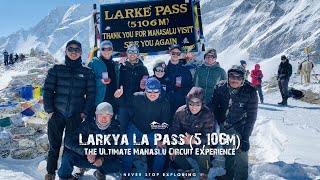
The trekking portion of the Manaslu Circuit Trek finishes at Tilije. You reach Tilije after crossing Larkya La Pass and descending to the Marsyangdi valley. From here, you continue by road toward Besisahar and then onward to Kathmandu. 

Yes. DWT can arrange a private jeep from Kathmandu to Machha Khola for $170 USD and from Tilije to Kathmandu for $180 USD. Private transportation gives you more flexibility with departure times and allows you to make stops along the way.

No domestic flight is required for the 12-day Manaslu Circuit Trek. You travel by road from Kathmandu to Machha Khola, trek through the Manaslu region, and return by road after reaching Besisahar. 

Now Offering 100% Private Treks

Discover Nepal’s breathtaking trails at your own pace with our exclusive private treks. No strangers, no rushed schedules—just you, your adventure, and complete flexibility.

Personalized Itineraries
Tailor your trek to fit your schedule and preferences.
Dedicated Guide & Porter
Experience expert guidance with personalized attention.
Safety & Health Benefits
Custom acclimatization and emergency support.
Flexible Schedule
Pick your own dates and trek at your own pace.
Privacy & Comfort
Perfect for couples, families, and friends.