

Annapurna Circuit Trek in May
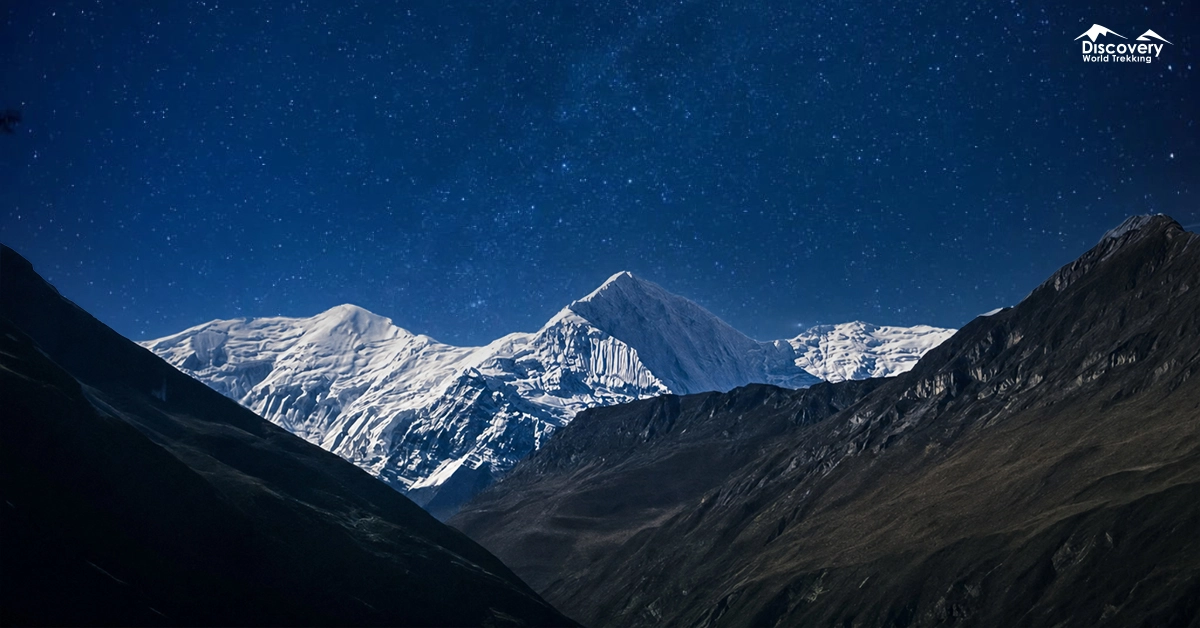
The Annapurna Circuit Trek in May offers warm lower valleys, active spring landscapes, open teahouses, and generally accessible high-altitude trails.
May is a good trekking month, especially during its first three weeks.
Conditions change sharply with elevation. Lower sections can feel hot and humid, while Thorong High Camp remains cold enough for frost, ice, or snowfall.
Trekkers who start early, acclimatize properly, and carry waterproof layers can complete the circuit comfortably.
Is May a Good Time for the Annapurna Circuit Trek?
Yes, May is a good time for the Annapurna Circuit Trek, particularly in early and mid-May.
Temperatures are warmer than in March or April, the main lodges remain operational, and winter snow usually retreats from most walking trails.
The main compromise is reduced weather stability. Mornings often provide the clearest mountain views, while clouds can build after midday.
Pre-monsoon showers become more common toward late May, especially below Chame and on the southern side of the Annapurna range.
Manang, Upper Mustang, and the Kali Gandaki Valley receive less rainfall because they lie partly within the Himalayan rain shadow.
| Factor | May Conditions |
| Weather | Warm at lower elevations, mild around Manang, and cold above 4,000 metres. Afternoon showers become more frequent later in May. |
| Mountain views | Usually clearest in the early morning. Afternoon cloud can hide peaks, especially on the southern approach. |
| Trail conditions | Mostly open, with dry or firm paths in the morning. Rain may create mud, slippery stones, and small runoff channels below 3,000 metres. |
| Crowds | Moderate in early May and noticeably quieter later in the month. Less crowded than the main October season. |
| Accommodation | Most teahouses remain open. Rooms are usually available, but Thorong Phedi and High Camp have limited capacity. |
| Thorong La Pass | Generally crossable, but fresh snow, frozen sections, wind, or low visibility can temporarily affect access. |
| Difficulty | Moderate to challenging. Heat, altitude, changing weather, and the 5,416-metre pass remain the main difficulties. |
| Best for | Trekkers wanting warmer temperatures, spring vegetation, moderate crowds, and a quieter high-pass experience. |
Annapurna Circuit Weather in May
May weather is warm, increasingly humid at lower elevations, and still wintry near Thorong La.
It falls within Nepal's pre-monsoon season and is one of the warmer months of the year. Short thunderstorms, gusty winds, hail, and evening rain become more likely as the month progresses.
Nepal's average temperature decreases by approximately 6°C for every 1,000 metres gained.
The temperatures below are practical planning ranges rather than daily forecasts. Local temperatures can change quickly due to cloud cover, wind, snowfall, slope direction, and valley exposure.
Early May Weather
Early May normally provides the month's best balance of warmth and stable trekking conditions. Mornings are often bright, while brief afternoon clouds or showers remain possible below Chame.
Snow can remain beside the trail above 4,500 metres. Overnight freezing is still common around Thorong Phedi and High Camp.
| Elevation Level | Average Daytime | Average Nighttime |
| 800–1,300 m | 24°C to 30°C | 14°C to 19°C |
| 1,800–2,700 m | 17°C to 23°C | 7°C to 12°C |
| 3,200–3,600 m | 11°C to 17°C | 1°C to 6°C |
| 4,000–4,900 m | 3°C to 10°C | -7°C to -1°C |
| Around 5,416 m | -3°C to 5°C | Not an overnight stop |
Mid-May Weather
Mid-May is warmer but produces stronger afternoon cloud development. Lower valley walking can become tiring after midday, especially on exposed road sections.
Rain usually falls as short showers rather than continuous monsoon rainfall. Higher sections may receive sleet or snow when lower villages receive rain.
| Elevation Level | Average Daytime | Average Nighttime |
| 800–1,300 m | 26°C to 32°C | 16°C to 21°C |
| 1,800–2,700 m | 19°C to 25°C | 9°C to 14°C |
| 3,200–3,600 m | 13°C to 19°C | 3°C to 8°C |
| 4,000–4,900 m | 5°C to 11°C | -5°C to 1°C |
| Around 5,416 m | -1°C to 7°C | Not an overnight stop |
Late May Weather
Late May remains trekable, but weather becomes less predictable. Cloudy afternoons, thunderstorms, short heavy showers, and hazier mountain views become more frequent on the greener southern slopes.
Manang and Mustang often remain comparatively dry because of the rain-shadow effect. However, local storms can still bring snow, strong wind, or poor visibility to Thorong La.
| Elevation Level | Average Daytime | Average Nighttime |
| 800–1,300 m | 27°C to 33°C | 18°C to 22°C |
| 1,800–2,700 m | 20°C to 26°C | 10°C to 15°C |
| 3,200–3,600 m | 14°C to 20°C | 4°C to 9°C |
| 4,000–4,900 m | 6°C to 12°C | -4°C to 2°C |
| Around 5,416 m | 0°C to 8°C | Not an overnight stop |
Average Temperature in May
Trail Conditions Along the Annapurna Circuit in May
Most Annapurna Circuit trails remain open in May, but surface conditions vary by elevation and exposure. Lower sections become muddy after rain, forest paths stay damp, and high-altitude sections may contain frozen snow.
The route conditions below follow the supplied circuit itinerary through Manang, Thorong La, Muktinath, Tatopani, Ghorepani, and Pokhara.
Bhulbhule to Dharapani
The trail from Bhulbhule to Dharapani is warm, green, and occasionally slippery. Expect stone paths, suspension bridges, road sections, riverside tracks, cultivated terraces, and narrow passages above the Marsyangdi River.
Morning surfaces are usually firm. Afternoon rain can make polished stones slick around waterfalls and shaded settlements. Lightweight clothing works during the day, but a rain shell should remain accessible rather than buried inside the backpack.
Dharapani to Chame
The Dharapani-to-Chame section is cooler and frequently damp inside the forest. Pine, fir, oak, and maple trees shade the trail, so wet roots and stones can remain slippery after the sky clears.
The climb through Danaqyu and Timang feels steeper than its distance suggests. Mist can reduce mountain visibility during the afternoon, making a morning departure valuable for views of Annapurna II, Annapurna IV, and Lamjung Himal.
Chame to Manang
The trail between Chame and Manang becomes drier, wider, and more exposed. Conditions improve beyond the wetter forest, although loose dust and strong valley winds may replace mud.
The upper route through Ghyaru and Ngawal provides better acclimatization and broader views than the lower road. However, the climb to Ghyaru is exposed to direct sun, so it should be completed before the hottest part of the day.
Manang to Thorong High Camp
The section above Manang is mostly dry but physically demanding because of altitude. Trails cross open slopes, alpine pasture, loose rock, suspension bridges, and landslide-prone terrain near Thorong Phedi.
Fresh snow may hide uneven stones above 4,500 metres. The climb from Thorong Phedi to High Camp is short but steep, and it should not be attempted simply to maintain a fixed itinerary when headaches, nausea, unusual fatigue, or poor coordination are present.
Thorong La Pass to Muktinath
The Thorong La crossing may contain snow, ice, frozen mud, and loose gravel in May. Conditions are usually firmest before sunrise and can soften quickly under daytime sun.
The descent toward Muktinath places prolonged pressure on knees and ankles. Trekking poles provide more practical value here than on most other circuit sections. Microspikes should be carried when guides or lodge owners report frozen snow near the pass.
Muktinath to Jomsom and Beyond
The western side is generally drier, dustier, and windier than the approach through Manang. The route through Kagbeni and Jomsom follows exposed terrain where afternoon winds can become uncomfortable.
Trekkers continuing toward Tatopani enter warmer country again. Forest paths around Ghorepani may be wet, while the long stone staircases near Ulleri become slippery after rain. Early May may still provide late rhododendron colour around the higher forest.
Tilicho Lake in May
You can trek to Tilicho Lake in May, although afternoon clouds, changing weather, and early pre-monsoon showers can affect the experience.
The lake is more likely to display open blue water, while snow may remain along the surrounding slopes and higher sections of the trail. Conditions are generally warmer than in March and April.
Mornings frequently provide the best visibility. Clouds can build around the mountains later in the day, and occasional rain at lower elevations may fall as snow or sleet near the lake.
Most teahouses between Khangsar and Tilicho Base Camp normally operate during May. However, trekkers should still confirm rooms during busy periods.
An early departure from Tilicho Base Camp helps trekkers complete the exposed sections before afternoon weather develops. Waterproof clothing, warm layers, trekking poles, and sun protection should remain easily accessible.
Fresh snow, heavy rain, or poor visibility may require postponing the lake visit until conditions improve.
Popular Festival in May
Buddha Jayanti is the most relevant major festival that may occur in May. It celebrates the birth, enlightenment, and passing of Gautama Buddha and falls on the full moon of the Nepali month of Baisakh. Its Gregorian date changes annually and may occur in April or May.
Buddhist monasteries, stupas, and village shrines may display additional lamps, prayer flags, offerings, and ceremonial activity.
Trekkers passing through Tibetan-influenced settlements around Upper Pisang, Ngawal, Braga, Manang, and Muktinath may notice local observances, although celebrations vary between communities.
The sacred Buddhist month of Saka Dawa can also begin during May. Devotees traditionally visit monasteries, light butter lamps, pray, and perform charitable acts during this period.
Flora and Fauna Seen in May
May offers excellent plant life at lower and middle elevations, while wildlife sightings improve as alpine areas become warmer.
The Annapurna Conservation Area contains 1,226 recorded flowering plant species, 105 mammal species, and 523 bird species across habitats ranging from subtropical valleys to trans-Himalayan desert.
Rhododendrons may still flower during early May between roughly 2,000 and 3,300 metres. Blooms usually fade first on warm, exposed slopes but remain longer in shaded forests. Oak, maple, pine, fir, birch, and magnolia create dense green sections around Dharapani, Timang, Chame, and the approach to Pisang.
Above Manang, forest cover gives way to juniper, dwarf shrubs, tough alpine grasses, and small seasonal flowers. Meltwater encourages fresh growth around Yak Kharka and Ledar, where grazing animals become more visible.
Possible wildlife sightings include:
- Blue sheep on open slopes above Manang and near Thorong Phedi
- Himalayan monal and blood pheasant in quieter forest sections
- Lammergeiers, griffon vultures, ravens, and yellow-billed choughs above the valleys
- Himalayan marmots and pikas near rocky alpine ground
- Musk deer or Himalayan goral in less disturbed forest areas
Snow leopards inhabit the Annapurna landscape, but seeing one during a normal trek is exceptionally unlikely. Blue sheep, their principal wild prey, are far more realistic to spot.
Annapurna Circuit Packing List for May
A May packing list must cover hot valleys, heavy showers, strong sun, and freezing high-altitude mornings. One flexible layering system works better than carrying separate outfits for every climate zone.
Clothing
- Two moisture-wicking trekking shirts
- Lightweight trekking trousers or convertible pants
- Thermal base layers for High Camp and Thorong La
- Fleece or light insulated mid-layer
- Down or synthetic insulated jacket
- Waterproof and windproof shell jacket
- Waterproof over-trousers
- Warm hat, sun hat, neck gaiter, and insulated gloves
- Three or four pairs of trekking socks
Footwear and Trail Equipment
- Broken-in waterproof trekking boots
- Trekking poles for mud, snow, and long descents
- Gaiters for rain, mud, or soft snow
- Microspikes when recent pass reports recommend them
- Backpack with rain cover and internal dry bags
- Headlamp with spare batteries for the pass crossing
Sleeping and Personal Equipment
- Sleeping bag rated around -5°C to -10°C
- UV-protective sunglasses
- SPF 50 sunscreen and lip balm
- Refillable bottles or hydration bladder
- Water filter or purification tablets
- Personal first-aid kit and blister treatment
- Power bank, charging cable, and waterproof document pouch
Pack light enough to walk steadily. Unnecessary clothing often creates more difficulty than a missing luxury item.
| 📄Ready to Pack for Your Annapurna Circuit Trip? Download Checklist |
Safety Tips for Trekking in May
Safe May trekking depends on early departures, proper acclimatization, and daily weather decisions. The season is generally favourable, but conditions can change within one afternoon.
- Start walking early. This reduces exposure to lower-valley heat, afternoon thunderstorms, cloud cover, and stronger winds around Jomsom.
- Keep the acclimatization day in Manang. The Himalayan Rescue Association operates an aid post there and provides altitude-sickness information during the main trekking seasons.
- Do not ascend with worsening altitude symptoms. Persistent headache, vomiting, confusion, severe breathlessness at rest, or loss of coordination requires immediate attention and usually descent.
- Consider sleeping at Yak Kharka instead of Ledar when adaptation feels slow. The shorter elevation gain can be safer than forcing the larger jump from Manang to Ledar.
- Ask lodge owners about Thorong La before leaving Manang, Yak Kharka, and Thorong Phedi. Their information often reflects conditions reported by trekkers who crossed the pass that morning.
- Avoid exposed ridges when thunder develops. Descend from high points, separate from metal trekking poles, and wait away from isolated trees.
- Carry one buffer day. Fresh snow, illness, transport delays, or poor visibility can make postponing the pass crossing the safest decision.
FAQs
Can beginners complete the Annapurna Circuit Trek in May?
Fit beginners can complete it with enough time and a gradual itinerary. Previous high-altitude experience helps but is not essential. Cardiovascular fitness cannot prevent altitude sickness, so acclimatization remains necessary.
Does it rain every day in May?
No, May does not usually bring continuous daily rain. Short afternoon or evening showers are more common, particularly at lower elevations. Early mornings often remain suitable for trekking and photography.
Is Thorong La Pass covered with snow in May?
Thorong La may retain old snow and receive fresh snowfall during May. Some crossings are almost dry, while others require careful movement over frozen sections. Conditions should be checked locally before departure.
Are mountain views clear in May?
Mountain views are often clear during the morning and less reliable after midday. Starting before 7:00 a.m. improves the chance of seeing the Annapurna, Manaslu, Gangapurna, Tilicho, Chulu, and Dhaulagiri ranges.
Are trekking lodges crowded in May?
Most lodges are moderately busy rather than full. Early May receives more trekkers than late May. High Camp has limited rooms, so arriving early or reserving through a guide is sensible.
Plan Smarter, Trek Better
Connect with our local expert for honest recommendations, personalised guidance, and insider tips to make every step of your adventure count.


Get our free Nepal travel guide filled with expert insights, local tips, and essential planning advice.