

Annapurna Circuit Trek in March
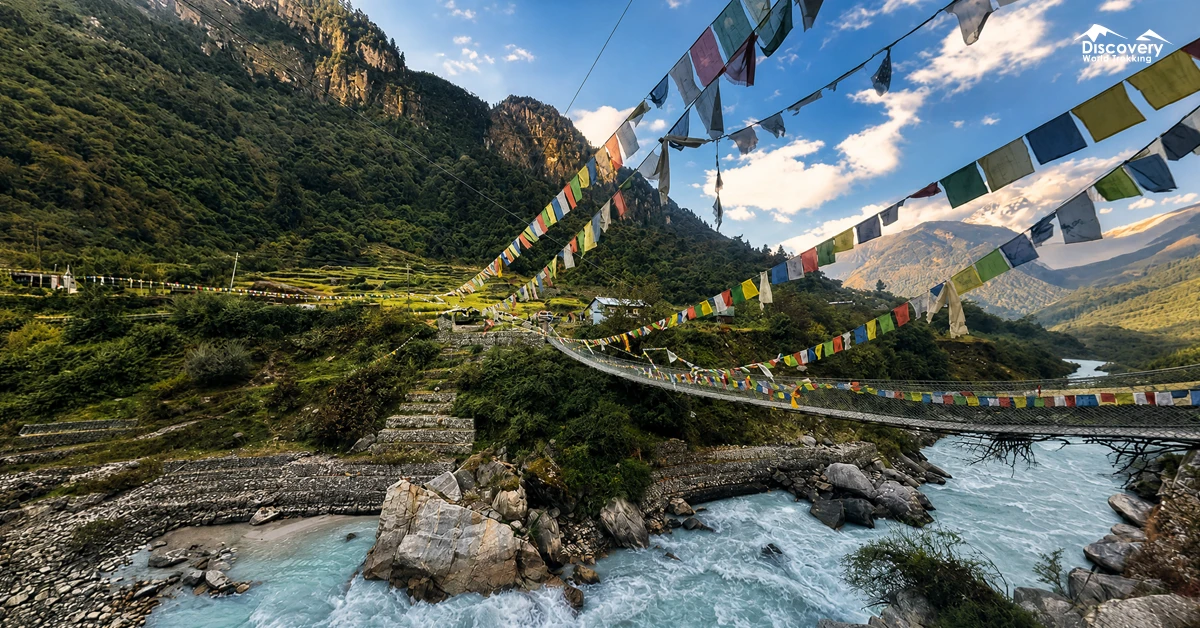
The Annapurna Circuit Trek during March offers an exciting combination of early-spring weather and lingering Himalayan winter scenery.
Temperatures begin to rise in the lower Marsyangdi Valley, mountain lodges return to full operation, and longer daylight hours make daily walking more comfortable.
For trekkers seeking clear mountain views, improving temperatures, and a lively trail atmosphere, March is an excellent time to experience the Annapurna Circuit.
Is March a Good Time for the Annapurna Circuit Trek?
March is one of the most rewarding months for completing the Annapurna Circuit.
The lower trail is generally clear, daytime temperatures are more comfortable than in midwinter, and accommodation is widely available in the main villages.
Mornings often provide excellent visibility before cloud or wind develops later in the day.
March is also a transition month, so conditions change noticeably between the beginning and end of the month.
Early March can still feel wintry, but by late March, the weather normally feels warmer and sunnier.
Early, Middle and Late March Conditions
Understanding how the month develops helps with preparation.
Early March
Early March is suitable for trekkers who enjoy quieter trails and snowy high-altitude scenery.
The lower route from Bhulbhule to Dharapani is normally open, but frost may form near waterfalls and shaded bridges.
Around Chame and Upper Pisang, the trail can alternate between dry ground, frozen mud, and compacted snow. Above Manang, microspikes may be required on icy sections.
Thorong La can be crossed during stable weather, although recent snowfall may delay an attempt.
Mid-March
The middle of March usually provides a good balance between comfortable daytime walking and peaceful trail conditions.
More lodges operate in Pisang, Manang, Ledar, and Thorong Phedi. Snow begins retreating from slopes that receive direct sunlight, while shaded sections remain frozen.
Mountain visibility is often excellent during clear mornings. Afternoon wind becomes more noticeable, particularly in the open Manang and Mustang valleys.
Late March
Late March brings longer days, warmer lower valleys, and a livelier trekking atmosphere.
Trails around Jagat, Dharapani, and Chame are usually dry or muddy rather than frozen. Higher sections may still contain snow, especially after a fresh storm.
Rhododendron flowers may begin appearing at warmer elevations near Tatopani and Ghorepani. The timing varies each year, so full flowering should not be assumed throughout the route.
Annapurna Circuit Weather and Temperature in March
Temperature changes sharply as the trail climbs from below 1,000 metres to more than 5,000 metres.
The following ranges are practical estimates rather than guaranteed forecasts. Sunlight, cloud, elevation, wind, and recent snowfall can create significant daily differences.
Lower Elevations: Bhulbhule to Dharapani
Bhulbhule, Ngadi, Jagat, Chyamche, Tal, and Dharapani experience increasingly pleasant spring conditions during March.
Daytime temperatures may range from approximately 12°C to 22°C. Night temperatures commonly fall between 3°C and 10°C.
Direct sunlight can make afternoon walking feel warm, so breathable clothing is more useful than a heavy jacket during this section.
The valley narrows around Jagat and Chyamche. Steep cliffs block sunlight from parts of the trail, allowing cool and damp conditions to remain longer.
| Section | Average Day Temperature | Average Night Temperature |
| Bhulbhule to Dharapani | 12°C to 22°C | 3°C to 10°C |
Middle Elevations: Dharapani to Manang
The temperature becomes noticeably colder between Dharapani, Timang, Chame, Upper Pisang, Ngawal, and Manang.
Daytime temperatures commonly range from approximately 2°C to 12°C. At night, temperatures may fall between -8°C and 2°C.
Direct sunshine provides warmth, but the temperature falls quickly when clouds cover the valley or the sun disappears behind the mountains.
| Section | Average Day Temperature | Average Night Temperature |
| Dharapani to Manang | 2°C to 12°C | -8°C to 2°C |
Higher Elevations: Manang to Thorong La
Above Manang, March remains a cold-weather trekking season.
Daytime temperatures around Yak Kharka and Ledar may range from approximately -3°C to 7°C. Night temperatures can fall between -10°C and -18°C.
Thorong Phedi and High Camp are considerably colder. Pre-dawn temperatures near Thorong La may fall below -15°C, with wind making the conditions feel much colder.
| Section | Average Day Temperature | Average Night Temperature |
| Manang to Thorong La | -3°C to 7°C | -10°C to -18°C (Below -15°C near Thorong La before sunrise) |
Average Temperature in March
March Trail Conditions at Important Locations
Jagat, Chyamche and Tal
The route from Jagat to Chyamche passes rocky ledges above the Marsyangdi River and several active waterfalls.
March snowmelt can increase the amount of water crossing the trail. Most sections remain manageable, but wet stones require careful steps.
Tal sits in a wider valley where the trail becomes gentler. The surrounding landscape starts to look greener as spring develops.
Dharapani, Timang and Chame
Dharapani is an important trail junction and the entry point to the higher Manang section.
The route climbs through forest toward Danaqyu and Timang. Early in March, shaded areas can contain frozen soil or old snow. Later in the month, the same sections may become muddy.
Timang offers impressive views of Lamjung Himal when the morning sky is clear.
Chame provides dependable accommodation, shops, and basic trekking supplies. It is a practical place to check equipment before continuing toward the colder Manang Valley.
Chame to Upper Pisang
Beyond Chame, the trail follows a confined valley toward Bhratang and the dramatic Paungda Danda rock face.
Frozen water can remain beside drainage channels and shaded forest bends. The trail climbs gradually toward Dhukur Pokhari, where snow is more likely during early March.
Upper Pisang has a beautiful position above the valley. Its stone houses, monastery, and mountain views create one of the most memorable overnight settings on the circuit.
The village is exposed to wind, so warm layers should remain accessible even on sunny afternoons.
Upper Pisang to Manang
The upper route through Ghyaru and Ngawal provides broad views of Annapurna II, Annapurna III, Annapurna IV, Gangapurna, Tilicho Peak, and Pisang Peak.
The climb from Upper Pisang to Ghyaru is steep. Remaining snow, loose gravel, or soft mud can make it more demanding than its distance suggests.
The upper route also supports acclimatization because it climbs higher than the lower path through Humde.
After heavy snow or during poor visibility, the lower trail may be the better choice. Selecting a safer route does not reduce the quality of the trek; it allows the journey to continue comfortably toward Manang.
Manang and Its Acclimatization Hikes
Manang is the most important acclimatization stop before Thorong La.
A short hike toward Gangapurna Lake or Chongkor viewpoint provides useful altitude exposure while leaving enough time to rest.
Ice Lake is a much longer and higher excursion. During March, snow depth and trail visibility should be checked before attempting it.
Manang also offers bakeries, shops, and gear outlets. Trekkers can replace basic supplies, charge devices, and prepare for the colder route toward Ledar.
Manang to Ledar
The trail leaves Manang through Tenki and Ghunsang before continuing toward Yak Kharka and Ledar.
The landscape becomes more open as trees disappear. Yaks, horses, and mule caravans may be seen along the surrounding slopes.
Snow often remains near shaded stream crossings. In sunny areas, melting snow can create mud during the afternoon.
The walking distance is moderate, allowing trekkers to move slowly and give their bodies time to adjust to the increasing altitude.
Ledar to Thorong Phedi and High Camp
Beyond Ledar, the trail enters a rocky alpine corridor.
Some sections pass beneath loose slopes. As daytime temperatures rise, small stones may fall from thawing ground, so unnecessary stops below exposed cliffs should be avoided.
Thorong Phedi provides the lower and safer sleeping option before the pass. High Camp reduces the distance on crossing day but places the body at a significantly greater sleeping altitude.
The choice should depend on acclimatization, energy levels, and current weather rather than a desire to shorten the next day.
Crossing Thorong La Pass
Thorong La is the highest point of the Annapurna Circuit and the most anticipated section of the journey.
The crossing normally starts before sunrise. Early departure provides more time to reach Muktinath and reduces exposure to stronger late-morning wind.
March conditions may include a clear packed trail, fresh snow, or patches of hard ice. Microspikes should be carried even when recent reports describe the route as mostly dry.
The top is marked by prayer flags and the Thorong La sign. On a clear morning, the snow-covered landscape and surrounding ridges create an uplifting sense of achievement.
The stop at the pass should remain brief because the cold and altitude place additional strain on the body.
The Descent to Muktinath
The descent from Thorong La is long and can feel harder on the knees than the climb.
The upper slope may remain icy in March. Lower sections can become soft as the sun warms the snow, while loose gravel appears closer to Muktinath.
Trekking poles provide balance and reduce pressure on the knees.
The landscape gradually changes from snowy alpine terrain to the dry hills of Mustang. Muktinath appears below among Buddhist monasteries, Hindu shrines, and traditional settlements.
This dramatic transition is one of the most rewarding parts of the circuit.
Tilicho Lake in March
The trek to Tilicho Lake becomes more accessible in March, but winter snow and ice can remain throughout the month.
March marks the beginning of Nepal’s spring trekking season, although high-altitude areas can still receive seasonal snowstorms. The Annapurna region generally experiences more favourable trekking conditions between March and May.
The lake may remain mostly frozen during early March and begin showing open water as temperatures rise. Conditions vary considerably depending on winter snowfall and recent weather.
The exposed trail beyond Khangsar may contain packed snow, loose rock, and icy sections. Strong daytime sunlight can soften the snow, while overnight freezing can make the same trail slippery the following morning.
More teahouses usually begin operating as trekking activity increases. Trekkers should still confirm Tilicho Base Camp accommodation and carry traction equipment.
A guide should assess the route before departure, particularly after fresh snowfall or during periods of poor visibility.
Accommodation During March
March marks the return of regular trekking activity, so accommodation is widely available.
Jagat, Dharapani, Chame, Upper Pisang, Manang, Muktinath, Jomsom, Tatopani, and Ghorepani normally provide several lodge choices.
Smaller high-altitude stops such as Ledar, Thorong Phedi, and High Camp have fewer rooms.
Availability should be confirmed before leaving the previous village, especially later in the month when trekker numbers increase.
Bedrooms are generally unheated. A sleeping bag rated between -5°C and -15°C is suitable for many March departures.
Meals include dal bhat, thukpa, porridge, garlic soup, Tibetan bread, eggs, potatoes, momo, fried rice, noodles, and pasta.
Eating enough is important at high altitude, even when appetite decreases.
Treated or boiled water should be used instead of relying on disposable plastic bottles. An insulated bottle helps keep water from freezing during early starts above Manang.
Essential Packing List for March
March requires clothing and equipment for warm lower valleys and freezing high-altitude sections.
Important items include:
- Cold-weather sleeping bag
- Thermal base layers
- Fleece or insulated middle layer
- Down jacket
- Waterproof and windproof shell
- Quick-drying trekking trousers
- Warm gloves and spare liners
- Warm hat and neck gaiter
- Waterproof trekking boots
- Trekking poles
- Microspikes
- Gaiters
- UV-protective sunglasses
- High-SPF sunscreen
- Lip balm
- Insulated water bottle
- Waterproof backpack liner
Layering works better than one heavy outfit because temperatures change quickly throughout the day.
| 📄Ready to Pack for Your Annapurna Circuit Trip? Download Checklist |
Practical Tips for a Successful March Trek
- Start each walking day early. Mornings normally provide clearer views, firmer trail surfaces, and calmer wind.
- Keep at least one contingency day available for snowfall, extra acclimatization, or a delayed pass crossing.
- Check Thorong La conditions in Manang and again at Ledar or Thorong Phedi. Reports from several days earlier may no longer reflect the actual trail.
- Carry enough cash before entering the higher villages. ATMs and electronic payment systems are not dependable along the route.
- Protect cameras, phones, and power banks from the cold by keeping batteries inside an inner pocket.
- Avoid leaving wet boots outside overnight. Temperatures can fall below freezing, making them stiff and uncomfortable by morning.
Is the Annapurna Circuit Trek During March Worth It?
Yes, the Annapurna Circuit Trek during March is worth it for trekkers who want clear mountain views, improving spring weather, and remaining snow around the highest parts of the route.
The month provides more comfort and better lodge availability than midwinter while retaining a strong Himalayan atmosphere above Manang.
FAQs
How cold is the Annapurna Circuit in March?
Lower valleys can experience daytime temperatures between approximately 12°C and 22°C. Around Manang, nights may fall below -8°C. At Thorong Phedi, High Camp and Thorong La, pre-dawn temperatures can fall below -15°C.
Is there snow on the Annapurna Circuit in March?
Snow is possible around Chame and Upper Pisang and is more common above Manang. Thorong La may retain significant winter snow during early March, while exposed sections generally become clearer later in the month.
Are microspikes necessary in March?
Microspikes should be carried. They may be needed on compacted snow or ice between Ledar, Thorong Phedi, High Camp, Thorong La and the upper descent toward Muktinath.
Are teahouses open during March?
Yes. Most teahouses reopen for the spring season. Accommodation is widely available in the main villages, although High Camp and other small settlements still have limited capacity.
Can beginners complete the Annapurna Circuit in March?
A physically fit beginner can complete the route with proper training, gradual acclimatization, suitable equipment and professional guidance. The altitude and Thorong La crossing should not be underestimated.

Annapurna Circuit Trek Weather
Annapurna Circuit Trek in February
Plan Smarter, Trek Better
Connect with our local expert for honest recommendations, personalised guidance, and insider tips to make every step of your adventure count.


Get our free Nepal travel guide filled with expert insights, local tips, and essential planning advice.