Everest High Pass Trek - 15 Days
The 15-day trek to Everest Base Camp conquering two high passes - Ranjo La Pass and Cho La Pass - is full of high altitude thrills. If you want to get a greater perspective of the incredible landscapes that surround Everest Base Camp, this adventurous trek is for you.
Highlights of Everest High Passes Trek
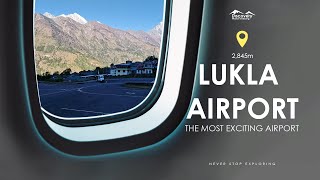
- The most thrilling yet beautiful flight from Kathmandu to Lukla and vice-a-versa
- One of the world’s highest airports at Syangboche
- Sherpa culture and lifestyles
- World-famous monasteries and museums
- Mt. Everest (8,848m), Mt. Lhotse (8,516m), Cho Oyu (8,201m), and Mt. Makalu (8,463m)
- UNESCO World Heritage Site -Sagarmatha National Park
- High altitude wildlife like musk deer, colorful peasants, snow leopard, and Himalayan tahr
- Traverse through the highest glacier on Earth - Khumbu Glacier
- Astounding panoramic view of the Himalayas from Kala Patthar
- Highest glacier on Earth- Khumbu Glacier (4900 m)
- Gokyo Valley and Gokyo Lakes
- Stone houses and meadows around Gokyo Valley
- Ngozumpa Glacier, the longest glacier in the world
- Protected floras and faunas at Sagarmatha National Park
- Astounding panoramic view from Gokyo Ri
- Two of the three most famous passes in the Everest region - Renjo La Pass and Cho La Pass
Everest High Passes Trek Overview
The Everest High Pass Trek is the ultimate challenge for experienced trekkers, taking you through many corners of the Everest region. This expedition pushes your limits as you cross two major high passes—Renjo La (5,360 m) and Cho La (5,420 m) —while exploring remote, less-visited Khumbu and Gokyo valleys.
Your journey begins with a flight from Kathmandu/Manthali to Lukla, followed by a gradual ascent through Namche Bazaar toward Thame. This first leg includes a challenging crossing of Renjo La Pass and a trek through landscapes woven with dense forests, traditional villages, and the unique charm of glacial moraines. The trail then leads to the sacred Gokyo Lakes, where a well-timed acclimatization stop sets the stage for an early-morning summit of Gokyo Ri, offering spectacular 360° views of Everest, Lhotse, Makalu, and Cho Oyu.
Next, the trek tackles the technical crossing of Cho La Pass, merging with the main Everest trail and paving the way to the iconic Everest Base Camp and the celebrated viewpoint at Kala Patthar. You will return via the classic route from Gorak Shep, Lobuche, Pheriche, ultimately to Lukla through Namche Bazaar and Phakding.
This trek offers a once-in-a-lifetime opportunity to experience the Himalayas from many angles, making it one of the most challenging and rewarding adventures.
Note
We recommend you arrive in Kathmandu by 3 PM at least one day before your trek departure. This gives you time for any last-minute preparations.
Online Trip Briefing
Our online briefing will answer all your questions about the trek. We'll cover what to bring (equipment checklist), detailed itinerary information, and what to expect on the trails. As soon as you book, we'll email you available dates and times for the briefing. Once we receive your essential documents, we'll conduct the online trek briefing.
Lukla Flight Information
During peak trekking seasons (March, April, May, October, and November), flights to Lukla often depart from Ramechhap (Manthali) instead of Kathmandu due to airport traffic. If this happens, you'll need to leave Kathmandu around 12:30 AM for a five-hour drive to catch your flight from Ramechhap on your trek departure date. Outside of these peak seasons, flights typically fly directly from Kathmandu.
Keep in mind that flights between Kathmandu and Lukla can be delayed due to weather, so it's a good idea to add at least two extra days to your trip to avoid missing your international flight home.
Flight from Kathmandu/Manthali to Lukla (2,850m / 9,350ft) Trek to Phakding (2650m / 8562ft)
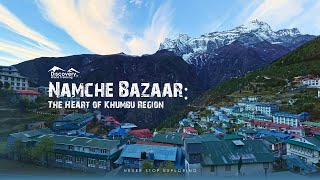
Trek from Phakding (2,650m / 8,562ft) to Namche Bazaar (3,440m / 11,285ft)
Rest day to acclimatize at Namche Bazaar
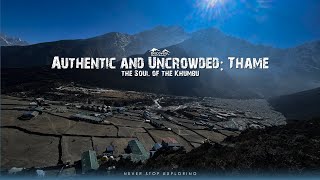
Trek from Namche Bazaar (3,440m / 11,285ft) to Thame (3750m / 12,303ft)
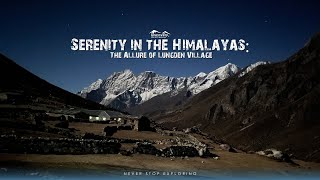
Trek from Thame (3,750m / 12,303ft) to Lungden (4,500m / 14,764ft)
Trek from Lungden (4,500m / 14,764ft) to Gokyo Lake (4,750m / 15,583ft) via Renjola Pass (5,446m / 17,867ft))
Rest day to acclimatize at Gokyo. Early morning summit of Gokyo Ri (5,400m / 17,814ft)
Trek from Gokyo (4,790m / 15,584ft) to Thangnak (4,700m /15,400ft)
Trek from Thangnak (4,700m / 15,400ft) to Dzongla (4,855m / 15,930ft) via Cho La Pass (5420m / 17,783ft)
Trek from Dzongla (4,855m / 15,930ft) to Lobuche (4,910m / 16,175ft)
Trek from Lobuche (4,930m / 16,175ft) to Everest Base Camp (5,364m / 17,598ft) and back to Gorak Shep (5,185m / 17,010ft)
Hike to Kala Patthar (5,555m / 18,208ft)-viewpoint, trek to Gorak Shep to Pheriche (4,250m / 13,945ft)
Trek from Pheriche (4,250m / 13,945ft) to Namche Bazaar (3,440m / 11,285ft)
Trek from Namche Bazaar (3,440m / 11,285ft) to Lukla (2,850m / 9,350ft)
Fly back to Kathmandu/Manthali from Lukla (2,850m / 9,350ft)
Select the start and end dates for your trek. Keep in mind that your travel arrangements, including arrival and departure, should align with your complete itinerary and schedule.
Everest High Pass Trek Video
Day to Day Itinerary
Flight from Kathmandu/Manthali to Lukla (2,850m / 9,350ft) Trek to Phakding (2650m / 8562ft)
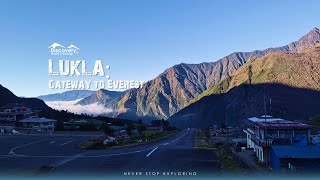
Your trek begins from Lukla in the Khumbu region. During the peak trekking periods (March, April, May, September, October, and November), flights from Kathmandu to Lukla may be rerouted through Manthali Airport. To catch the early morning Lukla flight, we'll pick you up at your hotel around 12:30 am, initiating a 5-hour drive to Manthali Airport. The subsequent 20-minute flight from Manthali will take you to Lukla.
From December to August (excluding March, April, May, September, October, and November), the flight from Kathmandu to Lukla takes a direct route. After breakfast, we'll take you to Tribhuvan International Airport (TIA) for a 40-minute flight to Tenzing Hillary Airport in Lukla.
If you prefer a direct route from Kathmandu to Lukla, even in busy trek seasons, you can book a helicopter, avoiding the Kathmandu-Manthali-Lukla route. The cost is approximately 550 USD per person, provided five individuals share the helicopter costs.
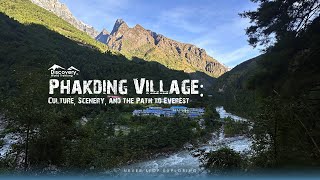
After reaching Lukla, we start the trek past Chaurikharka village to Phakding, where we halt for our first night in the Khumbu region. The crisp and comforting trek day also helps in acclimatization. In your spare time, you are free to explore places in and around Phakding.
Phakding is the starting point for most Everest treks, and it is full of shops, hotels, pools, and restaurants. Moreover, there are a few famous local monasteries here. Among them, we recommend you to visit Rimishung Monastery.
Trek from Phakding (2,650m / 8,562ft) to Namche Bazaar (3,440m / 11,285ft)
A full day of trek starts from this day. We continue along the northern bank of the Dudh Koshi River, enjoying majestic views. The suspension bridges, embellished beautifully with prayer flags, add excitement to the hike.
After a few hours of the walk, we reach Monjo village, from where the Sagarmatha National Park begins. A challenging climb inside the dense Sagarmatha National Park forest will provide you with the first glimpses of Mt. Everest. Continuing forward through the woods and stone-paved path, you will finally reach Namche Bazaar. We will stay at Namche for the night.
Rest day to acclimatize at Namche Bazaar
We will spend one day acclimatizing at Namche Bazaar to adjust to the thinning air. However, we will not just be sitting idle today. You can wander through the alleys of Namche while adjusting to the altitude. There are several things that you can do on this day.
You can hike to Sagarmatha National Park and include a hike to Khumjung (3,790m). On the way to Khumjung, you can visit Hillary School and other old monasteries. People believe that Khumjung Monastery houses a yeti-scalp. You can also hike to Khunde. If you love Everest, you can get to Everest View Hotel to catch the stunning views of Everest. A must-not-miss place is the Syangboche Airport (3,780m), one of the highest airports in the world.
Trek from Namche Bazaar (3,440m / 11,285ft) to Thame (3750m / 12,303ft)
Today's trek will be short and comforting. After a good day acclimatizing, we hike to Thame, home to many famous Sherpa mountaineers- including Apa Sherpa. We walk past Thamo Gumba before reaching Thame.
The tranquil trek provides exceptional views of the Himalayas. As we walk past the ancient Sherpa villages, we get a chance to savor the beauty of the place. Thame is home to one of the oldest monasteries in the Everest region, known as Thame Dechen Chokhorling Monastery. We can explore Thame enjoying the panoramic views of the snow-capped mountains.
Trek from Thame (3,750m / 12,303ft) to Lungden (4,500m / 14,764ft)
We head north to Lungden, passing through dry lands, rocky peaks, stone houses, and walls. The trail moves along the Bhote Koshi River. You might get to spot occasional yaks grazing on the meadows. The path to Lungden is gentle and comfortable. We move ahead through Marlung - a larger village in Thame Valley - to Lungden. We halt at Lungden a day before attempting the strenuous ascend to Renjo La Pass.
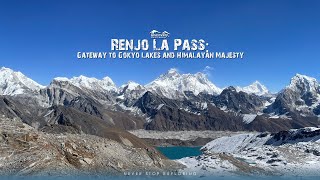
Trek from Lungden (4,500m / 14,764ft) to Gokyo Lake (4,750m / 15,583ft) via Renjola Pass (5,446m / 17,867ft))
We climb a steep sandy ridge to reach the top of the Renjo La Pass (5,446m). The trail is moderately challenging as we cover a huge elevation. Once we reach the top, the view will compensate for the effort. You will get a fabulous view of peaks above 7000m - including Everest, Lhotse, Chalotse, and Taboche. Surrounded by the sparkling mountains and the fresh breeze of the mountain air, you will almost forget your climb. Walking for about 2 to 3 hours, you reach a small yet beautiful place, Gokyo Village, where we will spend our night.
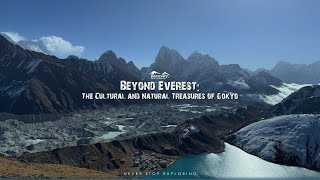
Rest day to acclimatize at Gokyo. Early morning summit of Gokyo Ri (5,400m / 17,814ft)
It is time to acclimatize for one more day. We explore the village of Gokyo as we acclimatize. Gokyo village is full of surprises and mysteries. We hike to Gokyo Ri (5,430m) to see excellent panoramic views of various mountains - including Everest, Lhotse, and Makalu. The scenery is unquestionably stunning. After lunch, we will take you to beautiful turquoise Gokyo lakes and glaciers. We are sure that you will remember the Gokyo region throughout your life.
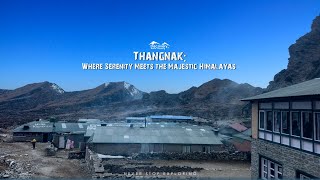
Trek from Gokyo (4,790m / 15,584ft) to Thangnak (4,700m /15,400ft)
After a spectacular day walking around the Gokyo valley and witnessing the turquoise lakes surrounded by a blanket of snow-capped mountains, we move ahead to Thangnak. We walk past a few glaciers and through steep rock trails. Due to the land structure, vegetation is absent. The distinct difference in the landscape will probably surprise you. When you reach Thangnak, you will notice that Thangnak has only a few teahouses, but it serves as a perfect place to spend the night before facing the mighty Cho La Pass.
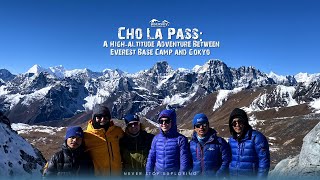
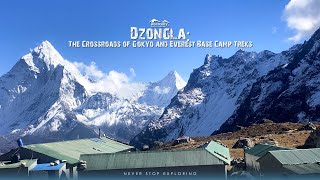
Trek from Thangnak (4,700m / 15,400ft) to Dzongla (4,855m / 15,930ft) via Cho La Pass (5420m / 17,783ft)
This day will prove to be one of the most intense days of the entire trek. We hike up a small valley where we witness the beauty of a rocky trail surrounded by spectacular mountains. After walking for a few hours, you get the view of Cho La Pass across a small moraine. Soon you will realize the intense steepness of the trail. The steep path is short, but the elevation makes it difficult to traverse. As you cross the Cho La Pass, you need to take proper care as this pass often gets snowy and icy. After walking for about an hour, you will reach Dzongla, where we will be staying for the night.
Trek from Dzongla (4,855m / 15,930ft) to Lobuche (4,910m / 16,175ft)
The journey from Dzongla to Lobuche offers you more stunning views. With no more glacier crossing and steep uphills, the path should be more pleasant. First, we follow the moraine and then hike down to Chola Lake, bidding farewell to Dongla.
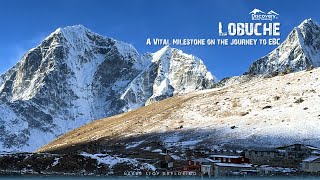
We continue to follow the wave-like trails to Lobuche. As you move ahead, on one side, you can get glimpses of Everest Base Camp, and on the other side, you will see the Khumbu Glacier with the rubble of ice floating. The path gets appealing as we get close to the foothills of Mount Everest. You can also visit some famous bakeries at Lobuche. Lobuche also provides panoramic views of several snow peaks - including Mount Pumori (7,161m), Mount Lingtren (6,749m), and Mount Nuptse (7,861m). However, Everest hides behind Mount Lhotse.
Trek from Lobuche (4,930m / 16,175ft) to Everest Base Camp (5,364m / 17,598ft) and back to Gorak Shep (5,185m / 17,010ft)
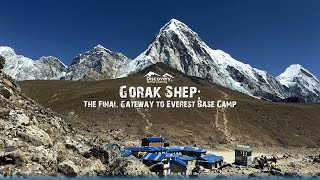
This is the day you will ascend to Everest Base Camp. We will begin our walk to the Everest Base Camp from Lobuche early morning. You will pass through many glaciers, including the famous Khumbu Glacier. Beyond this glacier, you can see Khumbu Icefall (5,486m). Soon, you will be leaving Army Mountaineers Memorial behind and finally reach Gorak Shep. We leave our belongings at Gorak Shep and ascend to Everest Base Camp.
The final ascent to Everest Base Camp(5,364m) might be challenging due to the increasing altitude involving rocky dunes and moraine and accumulated glacial debris. As you find yourself surrounded by snow-capped mountains and Mount Everest standing right ahead, you might feel overwhelmed by its sparkling beauty. Reaching the Everest Base Camp is a dream come true for many. It is the closest you will get to Everest unless you want to climb it. After immersing ourselves fully in the beauty of the base camp, we walk back to Gorak Shep (5,185m), where we will be spending the night.
Hike to Kala Patthar (5,555m / 18,208ft)-viewpoint, trek to Gorak Shep to Pheriche (4,250m / 13,945ft)
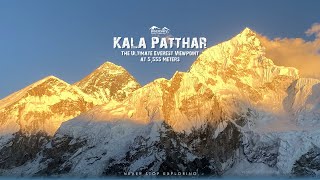
Our journey is not complete without a hike to Kala Patthar(5,555m). Mount Everest hides behind Mount Lhotse, so climb to Kala Patthar to enjoy stunning views of Everest. We start early morning from Gorak Shep to reach Kala Patthar to view the sunrise on Everest and other high peaks. The views from Kala Patthar are other-worldly, providing a 360-degree view of the Himalayan giants. It is also the highest altitude of your trek.
After enjoying the views from Kala Patthar, we return to Gorak Shep and then further descend to Pheriche (4,250m). The trail to Pheriche should be enjoyable, with forest and meadows by the side.
Trek from Pheriche (4,250m / 13,945ft) to Namche Bazaar (3,440m / 11,285ft)
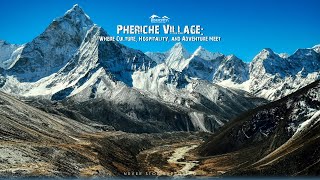
Through the rhododendron forest, we hike from Pheriche to the hilltop village of Tengboche. The trail is relatively relaxed, with a steady downhill followed by a gentle uphill. We cross the beautiful bridge over Imja Khola on the way.
As you head into the juniper forests, you might spot high-altitude animals. With the views of vibrantly colored prayer flags and elegant stupas, the tip of Mount Everest, and the backside of Mount Lhotse, you will enjoy the whole experience on the way back to Namche.
Trek from Namche Bazaar (3,440m / 11,285ft) to Lukla (2,850m / 9,350ft)
Today will be your last day on the trail. First, we leave Namche for Phakding, through mostly downhill trails. You will be passing several small villages, narrow forests, and thrilling suspension bridges. You will pass a small village called Benkar before reaching Phakding. From Phakding, you will continue your trek to Toktok and then to Lukla, where you will be spending your last night in the trek region. You are free to enjoy the niceties Lukla offers.
Fly back to Kathmandu/Manthali from Lukla (2,850m / 9,350ft)
After you return to Lukla after completing your EBC trek. It is time to return to Kathmandu. You will fly to Manthali or Kathmandu, depending on the trekking season. Chances are, if your trek is in March, April, May, September, October, or November, you'll fly to Manthali, and we will then drive you to Kathmandu. In the remaining months (December, January, February, June, July, and August), you will probably fly from Lukla to Kathmandu directly.
If you want to fly from Lukla to Kathmandu directly (even in busy seasons), you can team up with four others to book a helicopter, incurring an additional cost of around 550 USD per person.
We hope your journey back to Kathmandu will be a relaxing one. You might be overwhelmed with memories that you created during the trek. Your trek ends in Kathmandu, and you can spend the remaining time exploring the streets of Kathmandu.
What is included in this trek package?
Transportation
- Round-trip flight tickets for Kathmandu/Manthali and Lukla (Kathmandu–Manthali–Kathmandu travel via shared vehicle)
- Private transportation to and from Kathmandu Airport and your hotel
Accommodation
- Total 14 nights. Five nights at Lukla, Phakding, and Namche (3N), room with private attached bathroom, Nine nights standard room at Thame, Lungden, Gokyo (2N), Dzongla, Lobuche (2N), Gorak shep, Pheriche (twin sharing)
Food
- Standard full-board meals (15 Breakfasts, 14 Lunches, and 14 Dinners) with one main course per meal
- Water purification tablets for safe drinking water
- Seasonal fresh fruits every day
Guide and Porter
- Nepal Government licensed, experienced English Speaking Discovery World Trekking trek lead. For a group of 12 or more, we add an assistant guide. One porter for every two trekkers. Per trekker luggage weight limit is 9 kg.
- Guide and porter costs, their meals, insurance, salary, lodging, transportation, flight, and other necessary equipment costs
Trek Permit and Expenses
- Sagarmatha National Park entry permit fee
- Khumbu Pashang Lhamu Rural Municipality fees.
- All government, local taxes, and official expenses
Medical Assistance
- Rescue operations arrangement in case of complicated health conditions (funded by travel insurance)
- Medical kits, including an oximeter to monitor blood oxygen saturation levels in high altitudes
Souvenir
- Souvenir - a company's T-shirt & cap
Farewell
- Discovery World Trekking trek appreciation after the successful trek
- Farewell dinner in Kathmandu at the end of the trek
Benefits
- Sleeping bags and down jackets, duffle bag (one for every two trekkers) if you do not have your own
- Free excess luggage storage at the Discovery World Trekking store for the duration of the trek
What is excluded in this trek package?
International Flight
- International flight airfare
Accommodation
- All accommodations in Kathmandu, before and after the journey
- Extra night accommodation in Kathmandu due to early arrival or late departure or early return from the trek.
Food
- All meals in Kathmandu, before and after the journey
- Extra night meals in Kathmandu due to early arrival or late departure or early return from the trek.
Guide and Porter
- Tips for guide and porters
Visa
- On-arrival Nepal entry visa fees at Tribhuwan International Airport
Travel Insurance
- Travel insurance, which has to cover emergency high-altitude rescue and evacuation in addition to medical treatment (compulsory)
Personal Expenses
- Personal expenses (shopping, snacks, boil bottle water, hot (tea/coffee) and cold drinks, hot shower, alcohol, Wi-Fi, telephone call, battery re-charge, extra porters, etc
- Personal clothing and gear
Official Everest High Passes Trek Map & Route
Equipment list for Everest High Passes Trek
We recommend you bring the basic clothing and accessories to the trek. You can store the excess luggage at the Discovery World Trekking store while trekking. Though we will assign porters to carry your main luggage, we expect you to bring a regular backpack with your valuables and important documents. Your luggage weight limit is 9 kg, and we assign one porter for every two trekkers. Hence, we advise you to find a fellow traveler and pack your things together in a duffle bag of over sixty liters.
Though your preferences might differ, we recommend you use this list while packing for the trek. You can also buy equipment in Kathmandu at a reasonable price.
Head
- Sun hat (wide-brimmed)
- Beanie (for warmth)
- Buff or neck gaiter (for sun protection and warmth)
- Lightweight headlamp (with adjustable brightness)
- High SPF sunscreen
- Lip balm with SPF
- Sunglasses with UV protection
- Face wipes
Upper Body
- Moisture-wicking t-shirts (short and long sleeves)
- Thermal base layer (for colder conditions)
- Fleece jacket and down jacket **
- Lightweight puffy jacket (for extra warmth)
- Waterproof and windproof jacket (Gore-Tex or similar)
- Raincoat
- Lightweight, breathable long-sleeve shirt
- Polypropylene underwear (four)
Hands
- Insulated gloves or mittens (for cold weather)
- Waterproof gloves (for wet conditions)
Lower Body
- Quick-drying pants/trousers (convertible or full-length)
- Insulated pants (for colder conditions)
- Lightweight cotton pants
- Thermal leggings or long underwear (for colder weather)
- Two pairs of thermal/trekking trousers (pants)
Footwear
- Thick Wool or synthetic moisture-wicking socks (4 pairs)
- Waterproof, ankle-supportive broken-in full hiking boots (with good traction)
- Sandals (for camp use or river crossings)
- Gaiters (for protection against mud, water, and debris)
- Crampons/spike
Toiletries
- Biodegradable bar soap
- Toothbrush and toothpaste
- Medium-size drying towel
- Wet wipes or hand sanitizers
- Toilet paper (In a Ziplock bag)
- Feminine hygiene products
- Travel-sized shampoo
- Nail clippers
- Small mirror
Backpacks
- Duffle bag (capacity of over 60 liters) for porters** (One duffle bag for two trekkers).
- Backpack or daypack (capacity 20-30 liters) for yourself
Personal accessories
- Adjustable and lightweight poles (preferably collapsible)
- Water bottle or bladder with a capacity of at least 2 liters (insulated for cold weather)
- Water purification system (tablets, filter, or UV purifier)
- Sleeping bag (-10 to -15 degrees is the best) **
Extra items
- Camera/smartphone (extra memory cards and batteries)
- Extra batteries or rechargeable power bank (for charging devices)
- Two-pin charging plug
- Basic first aid supplies (band-aids, antiseptic wipes, pain relievers, Diamox)
- Personal medications (inhalers, allergy meds, etc.)
- Few passport-size photos
- Passport photocopies
- Notebook and pen
- Binoculars
- Swiss army knife or multi-tool (with scissors, can opener, etc.)
**We can provide you with a (used, nonwaterproof) duffle bag, (used) down jacket, and (used) sleeping bag if you do not have your own.
Everest High Passes Trek Package Information
Arrival, Welcome, and Trek Start
Our representative will be present at the Tribhuvan International Airport, holding a pamphlet with your name on it. They will present you with a marigold garland and then take you to your hotel in a private vehicle. This ensures you do not feel alone in a foreign country.
On trek departure day, early morning, you will take a 40-minute domestic flight to Lukla.
During peak trek seasons (March, April, May, October, and November), the flight to Lukla will be from Ramechhap/Manthali instead of Kathmandu due to traffic congestion. At other times, the flight will be from Kathmandu. To catch a flight from Ramechhap, we must leave Kathmandu and head to Manthali around 12:30 a.m. on the scheduled departure date. The drive will take around five hours.
Accommodations
Everest High Passes Trek is a long trek with 14-night stays in the trek regions at the best possible lodge accommodations. You will stay five nights in rooms with attached bathrooms at Lukla, Phakding, and Namche (3N). Nine nights stay in standard rooms at Thame, Lungden, Gokyo (2N), Dzongla, Lobuche (2N), Gorak Shep, and Pheriche. All rooms are on a shared basis. You can use hot showers and Wi-Fi at lodges/teahouses by paying a small service fee.
Meals
We will provide you with 15 breakfasts, 14 lunches, and 14 dinners during the trek. All meals in the trek regions are on a full-board basis (breakfast, lunch, and dinner / main course). Meals on the trek usually feature local dishes like dal bhat (rice and lentils) and options such as noodles, soups, momos, and some Western dishes.
All meals are provided on a full-board basis, covering the main course. Ingredients are often fresh and locally sourced. If you have dietary preferences, such as vegetarian or vegan, please inform us in advance to ensure we can accommodate your needs.
Luggage
Porters will carry luggage, with a weight limit of 9 kg per person. Our porters will only carry a maximum of 18 kg and two trekkers will share a porter. Hence, please partner with a fellow trekker and pack your things in a duffle bag of over sixty liters. Please bring only the essentials. You can store your excess luggage at your hotel or our store for free.
Facilities and Essentials
-
Water
You can buy bottled water from en-route shops. However, we suggest you bring a water bottle and fill it with boiled/filtered water to reduce environmental impact. Further, you should use water purification tablets or drops before drinking. Do not drink directly from local water sources, such as taps, wells, or rivers.
-
Communication
You can purchase a local SIM card in Kathmandu, though signal strength may not be strong enough at higher altitudes depending on the network provider. Our head office maintains daily contact with each trekking team through your trek leader to ensure consistent communication and support throughout your journey.
Travel Essentials
-
Visa
All foreigners, except Indians, need a visa to enter Nepal. You can get an on-arrival visa at Tribhuvan International Airport in Kathmandu. To apply for this visa, you will need a passport with at least six months of validity, a passport-size photo, and an application fee. The application fee depends on your intended length of stay. Currently, the fee is USD 50 for a 30-day stay. For details, you can visit -https://www.immigration.gov.np/en
-
Travel Insurance
Travel insurance is compulsory for this trek. All trekkers must provide a copy of their comprehensive travel insurance policy certificate to Discovery World Trekking before starting the trip. The policy must cover medical and emergency repatriation- including helicopter rescue and evacuation expenses at high altitudes (up to 5,550m).
-
Currency Exchange
Nepali Rupee (NPR) is the local currency. (1 USD = ~ NPR 133). Only Nepali Rupees are legal in Nepal. You can exchange most foreign currencies through local banks and legitimate money exchanges in Kathmandu and all over Thamel. Despite the security advantage of traveler's cheques, we recommend cash exchange in legal currency exchanges. You can withdraw cash (in Rupees only) from one of the many ATMs in Kathmandu and Thamel. However, there are some restrictions and fees associated.
-
Extra Expenses
Discovery World Trekking covers most expenses during the trek. However, meals and accommodations in Kathmandu are up to our valuable clients themselves. In addition, you will need to bring personal spending money to cover the visa process fees, travel insurance policy purchase, snacks for the trek, hot (tea/coffee) and cold drinks, tips for the trekking crew, souvenirs, etc. We estimate you will need around USD 15 per trek day.
Trek Season and Weather Conditions
The ideal trekking seasons are spring (March-May) and autumn (September-November), offering clear skies, pleasant temperatures, and breathtaking views. In spring, daytime temperatures at high altitudes can reach up to 20°C, dipping to -5°C at night. During autumn, daytime highs can rise to 25°C, with nighttime lows around -10°C.
We also operate treks in summer (June-August) and winter (December-February). Summer temperatures at high altitudes can climb to 27°C during the day and drop to 5°C at night, though monsoon rains make lower trails slippery, and flights may experience delays. In winter, daytime temperatures can reach 15°C, while nighttime temperatures can fall as low as -20°C. Heavy snow in winter often covers high-elevation trails, making the trek more challenging.
Typical Day
Your trekking day begins early, maximizing daylight hours. After breakfast, you’ll hike for 3-4 hours, stopping for lunch and then an hour's rest, before continuing to the next lodge. Afternoon treks will be shorter. After you arrive at that day’s destination, you can explore the vicinity. In the evening, dinner is served around seven, followed by a briefing from your guide on the next day’s journey. You’ll have time to rest, chat, or reflect on the day before turning in for the night.
Feedback and Trip Conclusion
-
Farewell Dinner and Feedback
At the end of your trek, DWT hosts a farewell dinner in Kathmandu as a chance to celebrate your adventure. This is also an opportunity to share feedback with us, helping us continue to provide outstanding service to future trekkers. After dinner, we will present you trek achievement certificate. If you are happy with your trek experience, we encourage you to leave reviews on travel portals.
Departure
We will take care of your hotel-to-airport transfer on departure day, allowing you to relax and enjoy your stay in Nepal. Your guide or driver will ensure you reach the airport comfortably, with ample time to catch your flight home.
Trek Bookings
-
Private Treks
We offer private treks only and do not add anyone to the trek. You can customize the itinerary, services, and preferences. We can handle all group sizes and add an assistant guide for a group of 12 or more.
-
Safe Trek Bookings
We are a Nepal government-authorized, licensed, and bonded trek and tour operator, providing service for over a decade. We are members of the Trekking Agency Association of Nepal (TAAN) and the Nepal Mountaineering Association (NMA). We require 10% of the trip cost as advance to confirm the booking. You can pay by bank transfer, Western Union, or through this website. The rest of the trip is due after arriving in Kathmandu. You can pay in cash, using a bank transfer or credit card In addition, we will email you the payment details, including the modes of payment available.
-
Last-Minute Bookings
We also accommodate last-minute bookings whenever possible. Under this provision, you must clear 100% of the trek payment 24 hours before the trek departure date. However, please note that, in case of last-minute booking, you cannot hold us responsible for delays due to circumstances beyond our control, such as bad weather, lodging unavailability, etc.
-
Flexible Schedule
Though trip departure dates are fixed, in case, they do not suit you, let us know, and we will conduct the trek at your convenience.
-
Trip Extension
Nepal offers endless exploration opportunities, and we can provide options for extending your stay, such as Chitwan Jungle Safari, paragliding, rafting, or even another trek.
DWT Family
Our skilled, government-licensed guides and Sherpas will accompany you throughout the journey, making your trek both safe and unforgettable. With years of trekking expertise, they’re trained in wilderness first aid and environmental conservation. Our crew come from the high Himalayas, and have an in-depth knowledge of the terrain. We prioritize their well-being with fair pay, insurance, meals, and accommodations covered during the trek. We believe that when our team is cared for, they bring their best energy to create an exceptional experience for you.
Ecotourism Practices
We are committed to responsible tourism, prioritizing eco-friendly practices and sustainability. The team encourages minimal waste, respects local cultures and wildlife, and takes measures to reduce the trek’s environmental impact, preserving the beauty of the Himalayas.
Tipping Culture
Tipping is customary in Nepal and is a meaningful way to show appreciation to your guide, porters, and support staff. We advise you to tip as a group at the end of the trek. The trip amount should be based on the service quality, length of trek, and trek cost.
Now Offering 100% Private Treks
Discover Nepal’s breathtaking trails at your own pace with our exclusive private treks. No strangers, no rushed schedules—just you, your adventure, and complete flexibility.

Everest High Passes Trek Company Reviews
Explorations that last a lifetime.
Words cannot describe my whole experience with Discovery World Trekking. It was amazing from the first day to the last day. Paul and his team were the best choices I could have taken ever ask for. It's a once-in-a-lifetime expe...
The Everest High Passes Trek with Discovery World Trekking was an absolute adventure of a lifetime! From the start, Paul helped us in everything to make this trip successful.
From crossing high mountain p...
Everest High Pass Trek with Discovery World Trekking was a journey that touched the depths of my soul. From the moment we set foot on the trail, a whirlwind of emotions swept through me – excitement, anticipation, and a p...
My Everest High Passes Trek with Discovery World Trekking surpassed all my expectations. The route was carefully designed to showcase the best of the Everest region, with each high pass presenting a new and breathtaking vista.<...
Genuinely speaking, I am glad that I choose Discovery World Trekking. Paul is a down-to-earth manager. He did everything to make my trekking experience a good one. I had done trekking in other countries....
I highly recommend Discovery World Trekking if you are planning for trekking in Nepal. A wonderful set of guides and potters. The manager Paul was always a phone call away throughout the trip.
The experti...
The Discovery World Trekking team was exceptional, with experienced guides who provided expert guidance and ensured our well-being throughout the trek. The itinerary was thoughtfully planned, allowing ample time for acclimatiza...