
10 major reasons to travel to the mountains

Mountains are more than dramatic landscapes in the distance. They are places that can change how you feel, how you think, and how you move through life. A mountain trip is not only about reaching a viewpoint or taking photos. It is about stepping away from noise, routine, and pressure, and entering a setting where nature, effort, and quiet work together.
For many people, traveling to the mountains becomes one of the most rewarding kinds of travel. The body becomes more active. The mind becomes calmer. Relationships grow stronger. Even simple things like eating, sleeping, and walking start to feel better. Mountains slow life down in a healthy way, and that is one reason they stay in people’s memories for so long.
Below are ten detailed reasons why traveling to the mountains is good for you, with each reason broken into smaller parts for better clarity.
1. Altitude, Appetite, and Weight Loss
One of the first things people notice in the mountains is that their bodies behave differently. At higher elevations, the air contains less oxygen than at sea level. This means your body has to work harder to perform even basic tasks like walking, climbing, and staying warm.
Because of this extra effort, your body uses more energy than it usually does during a normal day in the city. Even a gentle walk in the mountains can feel more active because your muscles, lungs, and heart are all working together in a stronger way.

-
Why can mountains support healthy weight control?
Traveling to the mountains often leads to more movement without making it feel like exercise. Instead of trying to force yourself through a workout, you naturally stay active because walking is part of the journey. You move to reach a village, a pass, a trail point, or a viewpoint.
Many travelers also notice that their appetite feels more controlled in the mountains. Meals feel more satisfying after a long walk, and eating becomes more mindful. You are less likely to snack without thinking because your day is more active and more structured.
-
Why is this good for travelers?
This is one of the biggest benefits of mountain travel for health. It supports a more active lifestyle in a natural way. You are not chasing fitness for the sake of fitness. You are enjoying the place, and your body benefits as a result.
That combination matters. It makes healthy movement feel rewarding instead of forced. Over time, this can help with weight control, better energy, and a stronger sense of physical well-being.
2. Stay in Shape
Traveling to the mountains is good for fitness because mountain walking uses far more of the body than flat-ground movement. Climbing uphill works the legs, hips, calves, and core. Walking downhill improves balance and control. Uneven paths force the body to stay alert and adjust with every step.
This kind of movement is practical and real. It improves stamina, flexibility, coordination, and strength in ways that regular indoor exercise often cannot.
The Annapurna Circuit Trek is a strong example of this because it keeps the body working across changing terrain, long walking days, and major altitude gain, especially around Thorong La. It is the kind of trek where fitness is not separate from the experience. The route itself demands endurance, balance, and steady effort from start to finish.
-
Fitness feels more enjoyable in mountain settings
In daily life, people often stop exercising because it feels repetitive. Gyms can feel boring. Home workouts can feel easy to avoid. In the mountains, staying active feels different because every walk has a purpose.
You keep moving because the scenery changes, the air feels fresh, and the trail itself becomes part of the reward. Instead of watching a clock, you watch clouds move across peaks or listen to a river below the path. That makes physical effort feel meaningful.
-
Why is this good for long-term health?
Mountain travel helps build the kind of fitness that supports everyday life. It can improve the way you breathe, increase endurance, and make your body feel more capable. After a mountain trip, many people notice that they walk more easily, feel less sluggish, and recover faster from effort.
That is why mountains are a great choice for anyone who wants to stay in shape in a way that feels natural and refreshing.
3. Strengthen Your Bonds
Traveling together in the mountains often brings people closer. When friends, family members, or partners share long walks, changing weather, and the effort of reaching a destination, they create memories that feel earned.
This shared effort often leads to better conversations and stronger trust. You see how people support one another, how they handle stress, and how they celebrate small wins together.

-
Mountains reduce everyday distractions
In normal life, people are constantly interrupted. Phones ring, work demands attention, and everyone is rushing from one task to another. In the mountains, much of that disappears.
There is more time to talk while walking, rest together, or simply enjoy silence in the same place. That kind of time is rare, and it can strengthen relationships in a quiet but lasting way.
-
Why is this good for families, couples, and friends?
A mountain trip can improve relationships because it creates a real shared experience. Families make memories beyond screens and routines. Couples get time away from daily stress. Friends return with stories that stay with them for years.
That is why traveling to the mountains is good not just for the individual, but for the people they go with, too.
4. Leave Anxiety Behind. Experience the Peace.
Modern life is full of pressure. Traffic, noise, deadlines, and constant digital activity make it hard for the mind to rest. The mountains offer something very different. They are quieter, slower, and more open.
When you enter a mountain environment, the nervous system often begins to calm down. You hear wind, birds, water, and footsteps instead of city noise. That change in sound alone can make a big difference.

-
Natural surroundings help reduce stress
The mountains also change what you see. Instead of buildings, crowds, and screens, your eyes rest on forests, ridges, open sky, snow, and long views. This gives the mind a break from the visual pressure of urban life.
Walking in these spaces also helps shift attention away from anxious thoughts. You begin focusing on the path, the weather, the air, and the rhythm of your own movement. That helps many people feel more grounded and less mentally crowded.
-
Why is this good for emotional well-being?
Traveling to the mountains is good for peace of mind because it gives people room to breathe, both physically and emotionally. It creates a setting where stress loses some of its grip.
Many travelers return from the mountains feeling lighter, calmer, and more settled. Even after the trip ends, that mental reset can stay with them for a long time.
Chat with our trek expert on WhatsApp.
- Understand the itinerary, trail, and weather conditions
- Get expert tips on gear, fitness, and mental preparation
- Ask your questions and get personal advice
5. Enjoy the Mountain Hospitality
One of the best parts of mountain travel is often the people. In many mountain regions, communities are smaller and more personal. Visitors are noticed, welcomed, and treated with care.
A warm meal after a long walk, a local person asking about your journey, or a guide sharing stories about the area can turn a simple trip into something much more memorable.
The Manaslu Circuit Trek complements this especially well because the trail follows an old salt-trade route and moves through a more preserved mountain setting around the Manaslu massif. That gives the journey a stronger sense of cultural continuity, so the hospitality feels less commercial and more closely tied to the way people have lived and moved through these valleys for generations.

-
Local culture adds depth to the journey
Mountain hospitality is not only about comfort. It is also about learning how people live in these landscapes. You see the pace of village life, the food people prepare, the way homes are built, and how communities support one another.
That makes mountain travel richer. It is no longer only about natural beauty. It becomes a human experience, too.
-
Why is this good for travelers?
This kind of hospitality helps travelers feel more connected to the place. Instead of passing through as outsiders, they feel welcomed into the environment.
That warmth leaves a strong impression. Very often, people remember the kindness of mountain communities just as much as the peaks and trails themselves.
6. Feast Your Eyes
Traveling to the mountains is good because it feeds the senses. The scenery is rarely static. One hour, you may be walking through a pine forest. The next hour, you may be looking at snow-covered ridges, waterfalls, alpine meadows, or a wide valley under changing light.
This constant variety keeps the journey exciting. It makes every stage of the trip feel fresh.
A strong example of this is the Annapurna Base Camp Trek, because it does not just offer distant mountain views. It takes travelers into the heart of the Annapurna Sanctuary, where the landscape closes in around major peaks and the feeling of being surrounded by the mountains becomes part of the emotional impact of the journey.

-
Beauty has a real effect on the mind
Natural beauty is not just pleasant to look at. It can also affect mood and mental state. Looking at mountains often creates a feeling of relaxation, and that feeling can help people step outside their stress and daily concerns.
Moments of awe matter because they make life feel larger. They remind people that there is more to the world than routine pressure and daily tasks.
-
Why is this good for travelers?
Beautiful landscapes can lift mood, improve focus, and create a deeper sense of appreciation. They also make people slow down and pay attention.
This is one reason the mountains stay in memory. The visual experience is so strong that it becomes part of how the trip is felt, not just how it is remembered.
7. Know and Push Your Limits
A mountain trail is not always easy. There are steep climbs, changing temperatures, rough paths, and moments when the body feels tired. These challenges are part of what makes mountain travel meaningful.
They ask more from you than ordinary daily life does. That is not a bad thing. In fact, it is one of the biggest strengths of mountain travel.
The Everest Base Camp Trek fits this point exactly because it tests more than enthusiasm. The route demands consistency, altitude awareness, and steady acclimatization over many days, so finishing it feels less like sightseeing and more like a personal achievement built through patience and controlled effort.

-
Mountains challenge the mind
The mountains also test patience, focus, and determination. Sometimes progress is slow. Sometimes you have to keep going even when you feel uncomfortable or unsure.
That process teaches valuable lessons. You begin to understand how much you can handle. You learn that strength is often built through steady effort rather than speed.
-
Why is this good for personal growth?
Traveling to the mountains is good because it builds confidence in a real way. Reaching a destination after effort changes how you see yourself. It shows you that you can do hard things.
That confidence often carries back into normal life. After pushing through a demanding trail, everyday problems can feel more manageable.
Treks for this journey

Annapurna Circuit Trek - 14 Days
The 14-day Annapurna Circuit Trek circles the Annapurna Massif, passing deep gorges, high-altitude deserts, and changing landscapes. The journey is shaped by lush forests, changing terrain, and diverse ethnic communities as you move towards Thorong La Pass for majestic mountain views.

Manaslu Circuit Trek - 14 Days
The 14-day Manaslu Circuit Trek takes you around Mount Manaslu (8,163 m / 26,781 ft ), guiding you through remote valleys, deep gorges, and Tibetan-influenced villages rich in Buddhist culture. Crossing the challenging Larkya La Pass (5,106 m / 16,751 ft ), the trail shifts from lush lowlands to rugged alpine terrain, making it one of Nepal’s most scenic and less-crowded adventures.
8. Find Inspiration and destroy creative blocks
Creativity often suffers when life feels crowded. Too much noise, too many deadlines, and too many small interruptions can leave people feeling mentally stuck. The mountains help remove that clutter.
There is more silence, more distance, and more uninterrupted time. That gives thoughts a chance to settle and rearrange.

-
Walking and reflection often lead to new ideas
Mountain travel creates a rhythm that supports thinking. Long walks, quiet breaks, and time away from screens often help new ideas rise naturally.
This can be useful for writers, artists, business owners, students, or anyone trying to make a decision or solve a problem. The mountains do not force answers, but they often make answers easier to find.
-
Why is this good for mental freshness?
Traveling to the mountains is good for creativity because it helps people think more clearly. It can break mental blocks, refresh motivation, and restore a sense of direction.
That is why many people return from mountain trips not only rested, but also clearer in their thoughts and plans.
9. Boost your memory
Daily life often weakens attention because people are pulled in many directions at once. Messages, screens, noise, and multitasking make it hard to focus fully. In the mountains, attention becomes simpler and more direct.
You notice the path, the weather, the sounds around you, and the details of the landscape. This kind of attention feels calmer and more complete.

-
A calmer mind often remembers better
When the mind is less overloaded, memory can work better. Mountain travel reduces many of the distractions that usually drain mental energy. As a result, people often feel sharper and more present.
Even simple activities such as remembering a route, noticing a landmark, or recalling the feel of a place help keep the brain engaged in a healthy way.
-
Why is this good for mental clarity?
Traveling to the mountains is good for memory because it gives the brain a cleaner environment to work in. It reduces mental clutter and encourages careful observation.
This helps many travelers feel mentally fresher and more focused by the end of the trip.
10. Train for a marathon
Even if someone is not literally training for a marathon, mountain travel helps build the kind of endurance that long-distance movement requires. Walking uphill, managing elevation, and spending long hours on the trail all strengthen the body.
The heart, lungs, and muscles learn to work together more efficiently. This can improve stamina over time.

-
The body becomes more capable through repeated effort
Mountain travel teaches pacing, breathing, and persistence. These are useful not only for runners, but for anyone who wants better overall performance and resilience.
Because the movement is varied and real, the body develops in a balanced way. You are not only getting stronger. You are getting more capable.
-
Why is this good for physical performance?
Traveling to the mountains is good because it can improve endurance, recovery, and strength in a natural setting. It prepares the body for effort without making fitness feel mechanical.
That makes it valuable for athletes, walkers, trekkers, and even ordinary travelers who simply want to feel fitter and more energetic.
Final Thoughts
Mountains are not just impressive landforms. They are places that support health, peace, connection, beauty, and growth. They help the body move, the mind rest, and relationships deepen. They challenge people in a good way and often leave them stronger than before.
That is why traveling to the mountains is good on so many levels. It is not only about escape. It is about renewal.
FAQs
1. Why is traveling to the mountains good for your health?
Traveling to the mountains is good for health because it keeps the body active, improves stamina, supports better breathing, and reduces stress. Walking on mountain trails also helps strengthen muscles, improve balance, and support overall fitness.
2. Can mountain travel help reduce stress and anxiety?
Yes, mountain travel can help reduce stress and anxiety. The peaceful environment, fresh air, natural scenery, and slower pace of life help calm the mind and give people a break from daily pressure, noise, and digital distractions.
3. Is mountain travel good for families and couples?
Yes, traveling to the mountains is very good for families and couples because it creates shared experiences. Hiking, exploring, and spending time together in nature can improve communication, build stronger bonds, and create lasting memories.
4. Do I need to be very fit to travel to the mountains?
No, you do not need to be extremely fit to travel to the mountains. Many mountain destinations have easy and moderate trails suitable for beginners. It is best to choose a route based on your fitness level and travel goals.
5. What is the best time to travel to the mountains?
The best time to travel to the mountains depends on the destination, but spring and autumn are often the most popular seasons. These months usually offer clear views, comfortable weather, and better trail conditions for hiking and trekking.
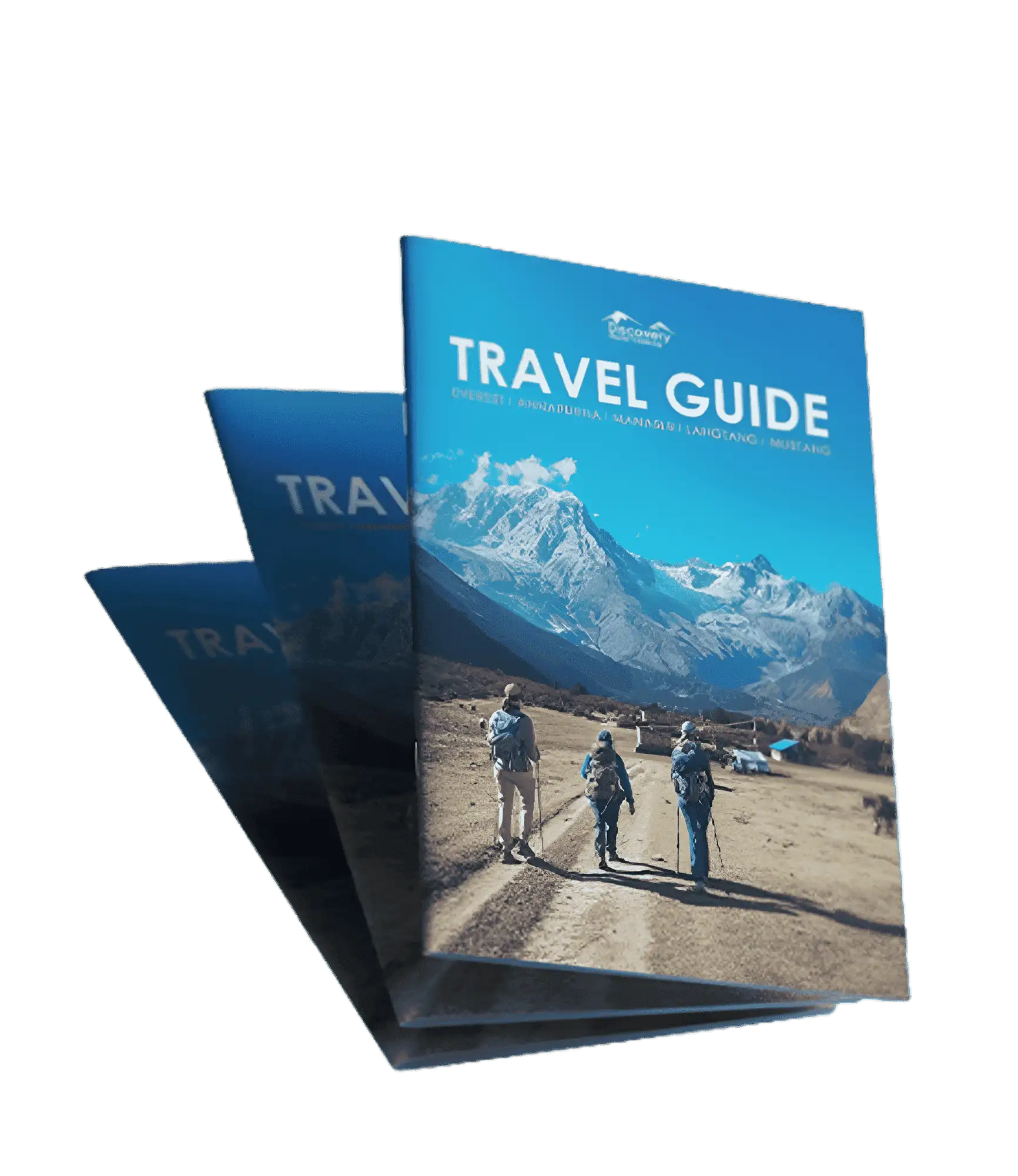
Plan Your Trek Like a Pro
Get our free Nepal travel guide filled with expert insights, local tips, and essential planning advice.

About the author
Paul Gurung
Paul has an extensive experience in the tourism industry. Through his blogs, he shares his deep knowledge about the stunning trek regions in Nepal, inspiring trekkers worldwide to explore these regions and enrich their lives. In addition to geography, his writings delve into the human side of the trek regions, including culture, traditions, religions, and etiquette, offering a comprehensive and enriching perspective on the Himalayan trekking and expedition experience.
Questions about this article?
Ask our team on WhatsAppPlan Smarter, Trek Better
Connect with our local expert for honest recommendations, personalised guidance, and insider tips to make every step of your adventure count.

Other Blogs

Everest Base Camp Trek During Spring
Spring is one of the best seasons for the Everest Base Camp trek , running from March to May. During this time, the trails are filled with blooming rhododendrons and fresh greenery, especially in Sagarmatha National Park, a UNESCO World Heritage Site. Temperatures at lower altitudes, such as Lukla and...
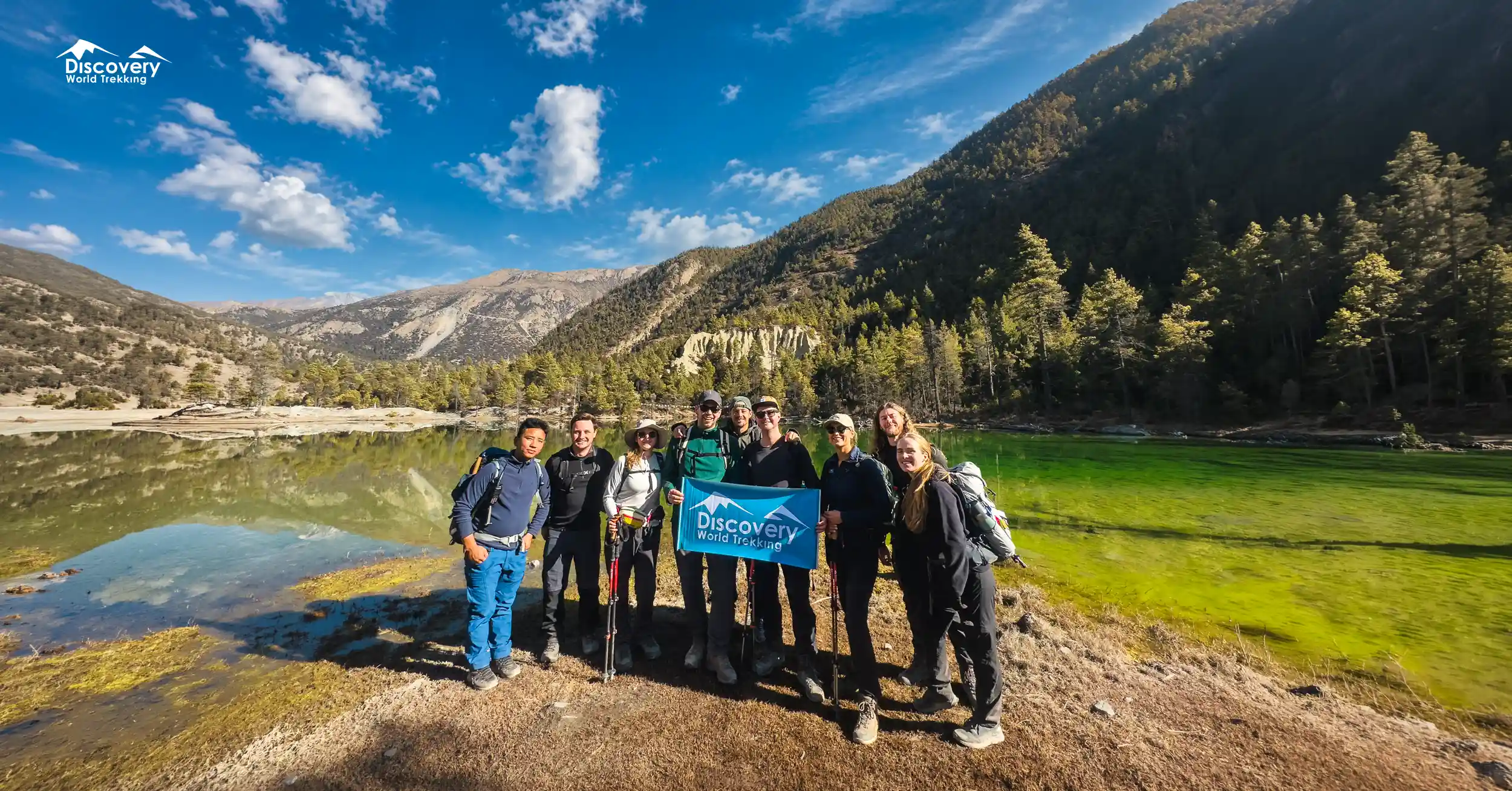
15 Best Spring Treks in Nepal
Spring brings trekkers from around the world to Nepal for flowering forests, warmer walking days, and snowy mountain views. The spring trekking season runs from March to May. During these months, rhododendrons brighten the forest trails, days grow longer, and temperatures gradually rise after winter. Each trek in Nepal offers...

Best Treks in Nepal
Nepal holds some of the world's finest trekking routes , from iconic base camps to high passes and cultural trails. Whether you want a short hike with mountain views or a serious high-altitude challenge, Nepal delivers it all. Why Trek in Nepal? Routes for every experience level Nepal offers shorter...

Get our free Nepal travel guide filled with expert insights, local tips, and essential planning advice.