
Top 5 Base Camp Trekking in Nepal

Base camp trekking in Nepal is one of the most rewarding high-altitude experiences on Earth.
Walking through ancient Sherpa villages, crossing glacial moraines, and standing at the foot of the world's highest peaks, all without a single piece of technical trekking gear, is what draws hundreds of thousands of visitors to the Himalayas every year.
This complete guide covers the top base camp treks in Nepal, including route highlights, difficulty levels, permits, costs, training tips, and safety advice.
Whether you are planning your first Himalayan trek or looking for your next major trekking challenge, this guide will help you choose the right route and prepare with confidence.
What Is Base Camp Trekking?
Base camp trekking in Nepal refers to multi-day trekking routes that lead to the foot of major Himalayan peaks, usually between 4,000 m and 5,500 m above sea level.
Unlike mountaineering expeditions, these treks do not require ropes, crampons, or technical climbing skills. Instead, trekkers follow established trails with tea houses, local lodges, and support services along the way.
Nepal is uniquely positioned for this type of adventure.
The country is home to eight of the world's ten highest mountains — including Mount Everest (8,849 m), Manaslu (8,163 m), and Annapurna I (8,091 m). Each has at least one established trail to its base, accessible to any fit.
Top 5 Base Camp Treks in Nepal for 2026 - 2027
Nepal offers many exceptional trekking routes, but the five treks below stand out for their scenery, trekking experience, infrastructure, cultural depth, and overall popularity among adventure travellers.
1. Everest Base Camp Trek
The Everest Base Camp Trek is the most iconic trekking route in Nepal. This journey is not just about reaching Everest Base Camp at 5,364 m. It is about walking through the heart of the Khumbu region.
Trekkers experience Sherpa culture, the ancient Tengboche monastery, Hillary suspension bridges, and come face-to-face with the highest mountain on Earth.
The trek begins with a dramatic flight to Lukla. From there, the trail follows the Dudh Koshi River through beautiful villages such as Phakding, Namche Bazaar, Tengboche, Dingboche, and Lobuche before finally reaching Everest Base Camp.
The route passes through Sagarmatha National Park, a UNESCO World Heritage Site. You walk the same stone trails used by Edmund Hillary and Tenzing Norgay in 1953.
Along the way, trekkers are rewarded with unforgettable views of Everest, Lhotse, Nuptse, Ama Dablam, Thamserku, and other Himalayan peaks.
Two full acclimatisation days are built into this schedule to minimise altitude sickness risk — do not compress them to save time.
One of the biggest highlights of the trek is the early morning hike to Kala Patthar (5,545 m) from Gorak Shep. Watching sunrise over Everest from this vantage point is one of the defining moments of the trek.
The EBC trek requires two main permits:
- Sagarmatha National Park Entry Permit
- Khumbu Pasang Lhamu Rural Municipality Permit
Quick Facts
| Duration | 10 - 15 days |
| Maximum Altitude | Kala Patthar (5,545 m) |
| Total Distance | About 130 km |
| Difficulty | Moderate to Strenuous |
| Package Cost | $1,100 - $2,000 per person (May vary) |
| Crowd Level | High |

2. Annapurna Base Camp Trek
The Annapurna Base Camp Trek combines mountain scenery, traditional villages, forest trails, terraced farmland, and a dramatic high-altitude finish inside the famous Annapurna Sanctuary.
Located at 4,130 m, Annapurna Base Camp sits in a natural amphitheatre surrounded by the Annapurna mountain range.
The final approach feels especially dramatic because the trail gradually opens into a vast mountain basin enclosed by peaks above 6000 m, like Annapurna I, Annapurna South, Machhapuchhre, and Hiunchuli.
The trek usually starts from Nayapul after a short drive from Pokhara. The route passes through villages inhabited by Gurung and Magar communities.
You will also get to experience the famous Jhino Danda hot springs and the sunrise view from Poon Hill.
The ABC requires the following permits:
- Annapurna Conservation Area Permit (ACAP)
- Trekkers Information Management System (TIMS)
Quick Facts
| Duration | 5-11 days |
| Maximum Altitude | Annapurna Base Camp (4,130 m) |
| Difficulty | Moderate |
| Package Cost | $600-$1,500 per person (May vary) |
| Crowd Level | Medium |

3. Manaslu Circuit Trek
The Manaslu Base Camp lies within the Manaslu Circuit. It is one of Nepal's finest off-the-beaten-path adventures.
The Manaslu Circuit Trek is a quieter and more culturally immersive alternative to the more crowded Everest and Annapurna routes.
Circling Mount Manaslu (8,163 m), the eighth-highest mountain in the world, this trek combines the high mountain pass - Larkya La Pass (5,106 m) with traditional villages, and a strong sense of isolation and peace.
Crossing Larkya la Pass is physically demanding, but the reward is extraordinary. On top of that, the trip to Manaslu Base Camp adds even more value to the journey.
The region is known for its strong Tibetan cultural influence. Villages like Namrung, Lho, Samagaon, and Samdo are filled with prayer flags, mani walls, chortens, and ancient monasteries.
The Manaslu Circuit Trek requires two permits:
- Manaslu Special Permit with Conservation Area Permit
- Annapurna Conservation Area Permit (ACAP)
Quick Facts
| Duration | 12-16 days |
| Maximum Altitude | Larkya La (5,106 m) |
| Difficulty | Strenuous |
| Package Cost | $1,000-$2,000 per person (May vary) |
| Crowd Level | Low to Medium |

4. Ama Dablam Base Camp Trek
The Ama Dablam Base Camp Trek is one of the most scenic treks in the Everest region.
This trek leads to the foot of Ama Dablam (6,812 m). This mountain, widely regarded as the most beautiful mountain in the Khumbu, has a distinctive shark-fin silhouette visible throughout the EBC route.
This trek branches off the main EBC trail from Dingboche to Chhukung. Then treks continue through Kongma La Pass (5,535m), Lobuche and Pangboche to reach Ama Dablam base camp at approximately 4,600m altitude.
The result is a trek that combines Sherpa culture, Tengboche monastery heritage, dramatic mountain scenery, and a genuine expedition atmosphere without the heavier crowds found on the main Everest route.
The Ama Dablam Base Camp Trek requires two permits:
- Sagarmatha National Park entry permit
- Khumbu Pashang Lhamu Rural Municipality permit
Quick Facts
| Duration | 13 days |
| Maximum Altitude | Kongma La (5,535m) |
| Difficulty | Moderate to Strenuous |
| Package Cost | $1,100-$2,000 per person (May Vary) |
| Crowd Level | Low to Medium |

5. Mardi Himal Base Camp Trek
The Mardi Himal Base Camp Trek is one of the best short treks in Nepal. Located in the Annapurna region, this trek offers an excellent mix of accessibility, natural beauty, and rewarding altitude for trekkers with limited time.
Unlike some of Nepal’s more crowded trekking routes, the Mardi Himal Trek feels quieter and more intimate.
The trail climbs steadily through Dhampus, Forest Camp, and High Camp before reaching Mardi Himal Base Camp, at around 4,500 m.
Along the way, trekkers enjoy spectacular views of Machhapuchhre (Fishtail), Annapurna South, Hiunchuli, and other peaks in the Annapurna range.
One of the biggest reasons trekkers love this route is the close-up mountain perspective. Even though the trek is short, the views feel dramatic and immersive, especially from High Camp and the final push toward base camp.
The Mardi Himal Trek requires the following permits:
- Annapurna Conservation Area Permit (ACAP)
- Trekkers Information Management System (TIMS) card
Quick Facts
| Duration | 7 days |
| Maximum Altitude | Mardi Himal Base Camp (4,500m) |
| Difficulty | Moderate |
| Package Cost | $500-$1,000 per person (May Vary) |
| Crowd Level | Low to Medium |
Trek Comparison at a Glance
| Trek | Days | Max Altitude | Difficulty | Cost | Crowd Level |
| Everest Base Camp | 10-15 | 5,545 m | Strenuous | $1,100-$2,000 | High |
| Annapurna Base Camp | 5-11 | 4,130 m | Moderate | $600-$1,500 | Medium |
| Manaslu Circuit | 12-16 | 5,106 m | Strenuous | $1,000-$2,000 | Low-Medium |
| Ama Dablam Base Camp | 13 | 5,535m | Mod-Strenuous | $1,100-$2,000 | Low-Medium |
| Mardi Himal | 7 | 4,500 m | Moderate | $500-$1,000 | Low-Medium |

What is excluded and included in the trekking package?
| Section | Included in the Trek Package | Excluded from the Trek Package |
| Transportation | Trek-related ground transportation, airport pick-up and drop-off, domestic flights where applicable, shared or private vehicle transfers | International flight costs, extra transport costs caused by delays, itinerary changes, or personal arrangements |
| Accommodations | Tea house or lodge accommodation during the trek | Hotel accommodation before and after the trek, extra night stays due to early arrival, late departure, delays, or early return from the trek |
| Food and Drinks | Breakfast, lunch, and dinner during the trek (One item per meal), safe drinking water support, and seasonal fruits where applicable | Meals before and after the trek in Kathmandu, Pokhara, or other cities, personal snacks, bottled water, tea, coffee, cold drinks, alcohol, and other beverages |
| Guide and Porter | Government-licensed trekking guide, assistant guide for larger groups where needed, porter service as per luggage-sharing policy | Tips for guides and porters, extra porter service beyond the package allowance |
| Permits and Official Fees | All trekking permit fees, government taxes, local taxes, and official charges | - |
| Medical Assistance | Basic first aid kit, pulse oximeter, where applicable, assistance in arranging rescue operations in emergencies through the trekker’s insurance | Travel insurance, helicopter rescue costs, emergency evacuation expenses, hospital treatment costs, and other medical bills not covered by the company |
| Trekking Gear Support | Sleeping bag, down jacket, duffle bag, and free luggage storage | Personal clothing, trekking gear, hiking boots, and equipment not specifically mentioned as included |
| Personal Expenses | — | Shopping, laundry, Wi-Fi, hot shower, phone calls, battery charging, personal drinks, extra meals, and all other personal expenses |
| Unforeseen Costs | — | Costs caused by bad weather, natural disasters, strikes, flight cancellations, route changes, political issues, or any other circumstances beyond the company’s control |
Note: Budget an additional $150-$300 per person for extra expenses.
Chat with our trek expert on WhatsApp.
- Understand the itinerary, trail, and weather conditions
- Get expert tips on gear, fitness, and mental preparation
- Ask your questions and get personal advice
Best Time for Base Camp Trekking in Nepal
Timing is critical. Mountain weather changes rapidly, and the difference between crystal-clear summit views and a cloud-blocked trail can come down to a single week.
Spring (March-May) — Peak Season
Spring is the most popular trekking window in Nepal. Temperatures are mild, rhododendron forests bloom in vivid red and pink, and skies are generally clear in the mornings. April and early May are the most reliable weeks.
Late May sees pre-monsoon cloud build-up, with afternoon showers at lower altitudes.
Autumn (September-November) — Best Visibility
Autumn is the second peak season, and many experienced trekkers prefer it. After the monsoon clears in September, the air becomes exceptionally dry and transparent — producing the sharpest mountain views of the year.
October and early November offer the most stable conditions. Later in November, temperatures drop sharply, falling well below zero above 4,000 m.
Monsoon (June-August) — Generally Not Crowded
Heavy rainfall, leeches on lower trails, slippery paths, and limited visibility make the monsoon season less favourable for most base camp routes.
Winter (December-February) — Cold but Quiet
Winter trekking is possible on most routes but demands preparation for sub-zero temperatures and heavy snowfall above 3,500 m.
Trails are far less crowded, tea houses remain open, and clear-day views can be extraordinary. This season is best suited to well-prepared trekkers with appropriate cold-weather gear.
| Season | Months | Weather & Trail Conditions | Visibility | Things to Consider |
| Spring | March to May | Mild temperatures, blooming rhododendrons, stable trekking conditions | Very Good, especially in the mornings | Popular season, trails and tea houses can be busy |
| Autumn | September to November | Dry weather, fresh air after monsoon, stable trails | Excellent | Best overall season, but peak months can be crowded |
| Monsoon | June to August | Heavy rain, muddy trails, slippery paths, and leeches in lower regions | Poor to limited | Not favourable for most base camp treks |
| Winter | December to February | Cold temperatures, possible snow at higher elevations, quieter trails | Good on clear days | Very cold at high altitude, some passes and lodges may be affected |
How does the Tea House System work?
Most base camp treks in Nepal operate on the tea house system: small lodges providing accommodation, meals, and rest stops at regular intervals along major routes.
You carry a light day pack, your licensed guide manages logistics, and a porter handles your main bag. This keeps costs lower than full camping expeditions and makes Himalayan trekking accessible to a much wider range of people.
Nepal regulations now require all foreign trekkers to hire a licensed guide — a rule enforced to improve safety and reduce rescue incidents. Your guide provides altitude monitoring, trail navigation, and cultural expertise throughout the journey.
Physical Training for Base Camp Treks
Base camp trekking is achievable for most healthy adults, but requires genuine preparation. Begin training four to six months before your departure date for best results.
Cardio and Endurance
Build sustained cardio three to four times per week — running, cycling, swimming, or stair trekking all work well. Progress to 60-90 minute sessions at moderate intensity. The goal is a strong aerobic base that makes daily high-altitude hiking feel manageable rather than exhausting.
Hill and Load Training
At least eight weeks before departure, start hill walking with a loaded pack of 10-12 kg on varied terrain. This directly mimics on-trail conditions and builds the leg strength and joint resilience needed for long daily descents.
Altitude Preparation
You cannot fully replicate altitude at sea level, but a strong aerobic base significantly reduces its impact. Some trekkers spend one or two nights at a moderate altitude (3,000-4,000 m) before the main trek to begin acclimatisation early. Speak to your doctor about whether acetazolamide (Diamox) is appropriate as a preventive measure against acute mountain sickness (AMS).
Pre-Trek Medical Check
Get a full medical check-up before any trek above 3,500 m. Discuss your planned altitude, any history of respiratory or heart conditions, and previous AMS symptoms. A baseline blood pressure and oxygen saturation reading gives your guide valuable reference data if symptoms develop on trial.
Altitude Sickness and Emergency Protocols
Acute Mountain Sickness (AMS) is the primary medical risk on all base camp treks. It occurs when the body acclimatises too slowly to reduced oxygen at altitude. Symptoms include headache, nausea, fatigue, dizziness, and disturbed sleep. AMS is common and manageable — the danger comes exclusively from ignoring symptoms and continuing to ascend.
More serious conditions — High Altitude Pulmonary Edema (HAPE) and High Altitude Cerebral Edema (HACE) — are rarer but life-threatening. Both require immediate descent and emergency medical treatment.
The Golden Rule: Trek High, Sleep Low
Never sleep at a higher elevation than the previous night unless you have had at least one acclimatisation rest day at an intermediate altitude. All reputable itineraries are built deliberately — do not compress them to save time.
If Symptoms Appear
Stop ascending immediately. Rest, hydrate, and assess over 24 hours. If symptoms do not improve or worsen, descend 300-500 m — most AMS symptoms resolve quickly with descent. All licensed operators carry emergency oxygen and have established evacuation protocols. Helicopter rescue is available across most trekking regions within hours, subject to weather.
Comprehensive travel insurance covering helicopter evacuation up to 6,000 m is not optional — it is essential.
Essential Gear and Packing List
Clothing System (Layering)
- Moisture-wicking base layers (merino wool or synthetic)
- Mid-layer fleece or lightweight down jacket
- Waterproof and windproof hardshell outer jacket
- Insulated down jacket for evenings above 4,000 m
- Trekking trousers and one pair of thermal leggings
- Warm hat, sun hat, neck buff, and insulated gloves
Footwear
- Broken-in, waterproof trekking boots with ankle support
- Lightweight sandals or trail runners for tea house evenings
- Gaiters for snowy sections
Equipment
- Trekking poles — strongly recommended; reduces knee strain on descents by up to 25%
- Headlamp with spare batteries
- Sleeping bag rated to at least -10°C (essential for EBC and Manaslu Circuit)
- 20-25 litre day pack for a daily hiking kit
Health and Hygiene
- Water purification tablets or a filter (essential above 3,000 m)
- Blister kit and foot tape
- SPF 50+ sunscreen and UV-protective sunglasses
- Basic first aid kit
- All prescription medications and any alternative medicine from your doctor
Conclusion
Base camp trekking in Nepal offers a rare combination of adventure, natural beauty, cultural immersion, and personal achievement.
Whether you are looking for a shorter adventure or a more demanding Himalayan challenge, Nepal provides routes for every level of trekker.
With the right preparation, proper acclimatisation, and a trusted guide, this experience becomes more than just a holiday. It becomes a personal achievement and a memory that stays with you for life.
FAQs
Is base camp trekking suitable for beginners?
Annapurna Base Camp and Mardi Himal are both accessible to fit beginners who have some hill walking experience and have followed a dedicated training program. EBC is suited to people who can commit to longer preparation. Honest self-assessment is the most important factor.
Do I need previous high-altitude experience?
Not for ABC or EBC, provided you train properly and follow the acclimatisation schedule. For the Manaslu Circuit, prior experience above 4,000 m is strongly recommended, given the Larkya La crossing. Ama Dablam Base Camp is well-suited to intermediate trekkers already comfortable in the Khumbu region.
How much altitude sickness should I expect?
Mild AMS symptoms (headache, fatigue) are common above 3,500 m and typically resolve with rest and hydration. Serious AMS affects a minority of trekkers. Following acclimatisation schedules and maintaining adequate hydration are the two most effective preventive measures.
What is the difference between Everest Base Camp and Annapurna Base Camp?
EBC is higher (5,364 m vs. 4,130 m), more expensive (roughly double the cost), and requires a longer commitment (minimum 10 days vs 5 days). ABC offers more varied scenery — forests, villages, hot springs — at a lower altitude. EBC carries greater reputation value and a more dramatic final setting.
How far in advance should I book?
For the March-May and October-November peak seasons, book your guide and package at least four to six months in advance. The best-rated local guides are fully booked quickly during peak periods.
Is a licensed guide really required?
Yes. As of April 2023, independent trekking without a licensed guide is officially prohibited for foreign nationals across major trekking regions in Nepal. Your guide also serves as your safety monitor, cultural interpreter, altitude expert, and logistical coordinator — the value extends far beyond trail navigation.
Plan Your Trek Like a Pro
Get our free Nepal travel guide filled with expert insights, local tips, and essential planning advice.

About the author
Paul Gurung
Paul has an extensive experience in the tourism industry. Through his blogs, he shares his deep knowledge about the stunning trek regions in Nepal, inspiring trekkers worldwide to explore these regions and enrich their lives. In addition to geography, his writings delve into the human side of the trek regions, including culture, traditions, religions, and etiquette, offering a comprehensive and enriching perspective on the Himalayan trekking and expedition experience.
Questions about this article?
Ask our team on WhatsAppPlan Smarter, Trek Better
Connect with our local expert for honest recommendations, personalised guidance, and insider tips to make every step of your adventure count.

Other Blogs

Everest Base Camp Trek During Spring
Spring is one of the best seasons for the Everest Base Camp trek , running from March to May. During this time, the trails are filled with blooming rhododendrons and fresh greenery, especially in Sagarmatha National Park, a UNESCO World Heritage Site. Temperatures at lower altitudes, such as Lukla and...
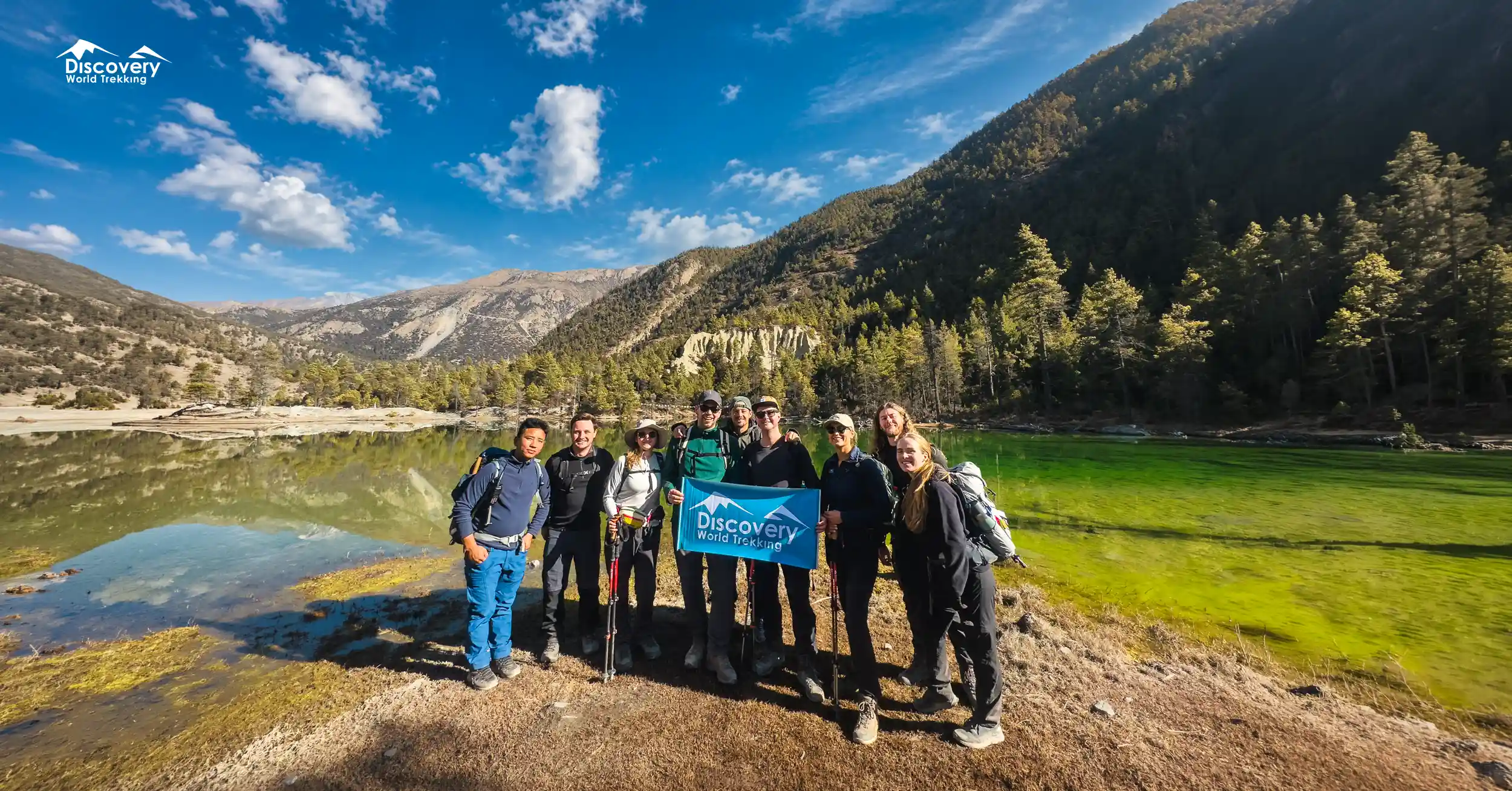
15 Best Spring Treks in Nepal
Spring brings trekkers from around the world to Nepal for flowering forests, warmer walking days, and snowy mountain views. The spring trekking season runs from March to May. During these months, rhododendrons brighten the forest trails, days grow longer, and temperatures gradually rise after winter. Each trek in Nepal offers...

Best Treks in Nepal
Nepal holds some of the world's finest trekking routes , from iconic base camps to high passes and cultural trails. Whether you want a short hike with mountain views or a serious high-altitude challenge, Nepal delivers it all. Why Trek in Nepal? Routes for every experience level Nepal offers shorter...

Get our free Nepal travel guide filled with expert insights, local tips, and essential planning advice.