Annapurna Sanctuary Trek - 9 Days

Annapurna Sanctuary Trek - 9 Days Overview

The 9-day Annapurna Sanctuary Trek takes you through the Annapurna region to Annapurna Base Camp (4,130 m / 13,550 ft). You can enjoy the views of surrounding towering Himalayan peaks such as Annapurna I, Annapurna South, Machhapuchhre, and Hiunchuli. The journey features traditional Gurung villages, rhododendron forests, and the Jhinu Danda hot spring.

DestinationNepal
GradeModerate
Start / end pointKathmandu/ Kathmandu
AccommodationHotel in Pokhara and Hotel/Lodge/ Tea House during the trek
Best seasonFeb, Mar, Apri, May, June, Sep, Oct, Nov & Dec
Meals includedBreakfast in Pokhara Hotel and all Meals (Breakfast, Lunch, Dinner) during the trek
ActivityAnnapurna Treks
Max. altitude4,130m at Annapurna Base Camp

Annapurna Sanctuary Trek Highlights

  • Reach Annapurna Base Camp (4,130 m / 13,550 ft), surrounded by towering Himalayan peaks.
  • Enjoy close-up views of Annapurna I (8,091 m / 26,545 ft) and sacred Machhapuchhre (6,993 m / 22,943 ft).
  • Admire Annapurna South (7,219 m), Hiunchuli (6,441 m), and Gangapurna (7,455 m).
  • Drive to Dhampus (1,650 m) and trek through traditional mountain villages and terraced hillsides.
  • Trek through rhododendron forests, bamboo groves, oak woodlands, and lush valleys.
  • Cross suspension bridges and follow scenic trails beside rivers, waterfalls, and deep valleys.
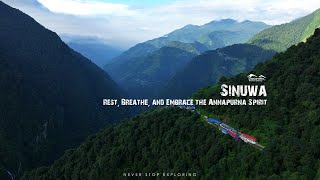
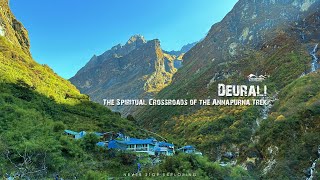
  • Pass through Landruk, Chhomrong, Sinuwa, Himalaya, and Deurali, enjoying mountain scenery and traditional settlements.
  • Visit Machhapuchhre Base Camp and explore the Annapurna Sanctuary's dramatic glacial basin.
  • Spot seasonal rhododendrons, langur monkeys, mountain birds, and diverse Himalayan landscapes.
  • Relax in the natural hot springs at Jhinu Danda (1,780 m) and enjoy the soothing mountain surroundings.

Annapurna Sanctuary Trek Overview

The Annapurna Sanctuary Trek is designed for travellers who want to explore the heart of the Annapurna region in north-central Nepal. You reach Annapurna Base Camp, a natural mountain amphitheater surrounded by Annapurna ranges, traditional villages, and forested valleys.

Your journey begins with a drive from Kathmandu to Pokhara and onward to Dhampus (1,650 m / 5,413 ft), where your trek starts. You walk through terraced hillsides and forested trails towards Landruk (1,565 m / 5,135 ft), a traditional mountain village with views of the surrounding Annapurna landscapes.

From Landruk, you continue along hillside paths towards Chhomrong (2,165 m / 7,103 ft) or Sinuwa (2,340 m / 7,677 ft), passing terraced fields, local settlements, and forested slopes.

The trail then follows the Modi Khola valley through bamboo and rhododendron forests, waterfalls, and rocky sections to Himalaya (2,890 m / 9,482 ft) or Deurali (3,174 m / 10,413 ft).

Beyond Deurali, the landscape gradually opens into rugged alpine terrain. You pass Hinku Cave and continue towards Machhapuchhre Base Camp (3,700 m / 12,139 ft).

You enter the Annapurna Sanctuary before reaching Annapurna Base Camp (4,130 m / 13,550 ft). Here, towering peaks, including Annapurna I, Annapurna South, Hiunchuli, and Machhapuchhre, surround you with spectacular mountain views.

After enjoying the scenery at Annapurna Base Camp, you retrace your route through Machhapuchhre Base Camp, Deurali, and Himalaya before descending to Bamboo (2,350 m / 7,710 ft).

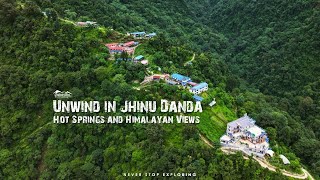
The trail continues along forested paths to Jhinu Danda (1,780 m / 5,840 ft), where you can relax in natural hot springs near the river.

The journey continues with a drive back to Pokhara, completing your Annapurna Sanctuary Trek. Finally, you head to Kathmandu with memories of traditional mountain villages, lush forests, and the breathtaking Himalayan scenery surrounding Annapurna Base Camp.

Note

The Annapurna Sanctuary trek package includes a tourist bus journey from Kathmandu to Pokhara (approx. 200 km, taking 7-8 hours). If you prefer to fly, we can arrange a domestic flight between Kathmandu and Pokhara, which takes around 20-25 minutes. Flight tickets are available at an additional cost of around $125 USD.

Please arrive in Kathmandu by 3 p.m. at least one day before the trek begins. This gives us enough time to complete the final preparations before departure.

Online Trip Briefing

Once we receive your 10% deposit and required documents, our team will arrange a WhatsApp briefing before your trek. Paul will review the day-by-day route, recommended clothing and equipment, expected weather, and trail conditions so you know what lies ahead.

You’ll also have time to discuss any concerns and get practical advice on fitness, altitude, and trek preparation. We want you to have a clear idea of the journey and feel well prepared before setting off.

Day-to-Day Short Itinerary

Day 1

Drive to Pokhara west of the Kathmandu Valley, then drive to Dhampus (1650m). Drive time: 7-9 hours.

Day 2

Trek from Dhampus to Landruk (1565m). Trek time: 5 hours.

Day 3

Trek from Landruk to Chhomrong (2165m) . Trek time: Approx. 5 hours.

Day 4

Trek from Chomrong to Himalaya (2,890m)

Day 5

Trek from Himalaya to Annapurna Base Camp (4,130m). Trek time: Approx. 5 hours.

Day 6

Trek from Annapurna Base Camp to Bamboo (2,350m). Trek time: Approx. 6 hours.

Day 7

Trek from Bamboo to Jhinu Danda (1,780m) and nearby natural hot springs. Trek time: 3-4 hours.

Day 8

Drive from Jhinu Danda (1,780 m / 6,393 ft) to Pokhara (1,070 m / 3,510 ft). Drive time: Approx. 3 hrs.

Day 9

Drive from Pokhara to Kathmandu (1,350m). Drive time: 6-7 hours.

Are you looking to customise the trip itinerary?

If the published schedule does not suit you, we can build the trek around your dates, your pace and what you want to see.

Planning your trek schedule
Select Departure Date

The calendar below displays the available trek schedules. Please select the exact trek start date. Ensure your arrival day is before the trek start date and your departure day is after the trek end date.

Trip duration9 days
Trip Start and End PointKathmandu/ Kathmandu
December 2026
Su
Mo
Tu
We
Th
Fr
Sa
Su
Mo
Tu
We
Th
Fr
Sa
Sold out dates
Today

The price per person depends on your group size.
You choose it at the last booking step.

Select a start date to continue.

Continue booking

Annapurna Sanctuary Trek Video

Annapurna Sanctuary Trek Itinerary

Day 1of 9

Drive from Kathmandu (1,350 m / 4,429 ft) to Pokhara (820 m / 2,690 ft), then to Dhampus (1,650 m / 5,413 ft)

Driving Distance215 km / 133 miles
Driving Hours7–9 hours
Highest Altitude1650m / 5,413ft

Your first day starts with a morning drive from Kathmandu toward the Annapurna region into Dhampus. 

Kathmandu → Trishuli River → Marsyangdi River → Pokhara → Dhampus

Leaving Kathmandu, you travel west along the Prithvi Highway, passing the green hills and terraced farmland surrounding the Kathmandu Valley. The road follows the Trishuli River, where you can see white-water rapids, riverside villages, and fields cultivated along the hillsides. 

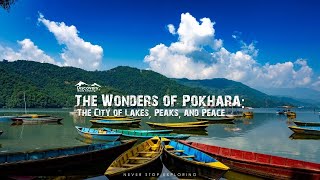
As you continue, the scenery changes around the Marsyangdi River, with wider valleys, small towns, and distant views of the mountains. After a few hours, you reach Pokhara, a lakeside city known for Phewa Lake and its views of the Annapurna range and Machhapuchhre. 

Depending on traffic and the day's schedule, you stop here for a break before continuing toward Dhampus.

The drive from Pokhara takes you through the countryside and uphill toward Dhampus, a traditional Gurung settlement on the lower slopes of the Annapurna region. On clear days, the village offers views of Annapurna South, Hiunchuli, Machhapuchhre (Fishtail), and Dhaulagiri. 

After checking into your lodge, you can relax and enjoy the changing colours of the mountains at sunset.

Overnight stay at a lodge in Dhampus
Included meals (Breakfast, Lunch, Dinner)
Day 2of 9

Trek from Dhampus (1,650 m / 5,413 ft) to Landruk (1,565 m / 5,134 ft)

Trek Distance8 km / 4.9 miles
Trek Duration5 hrs
Highest Altitude1650m / 5,413ft

Your second day is the actual trek starting day. Today, starting from Dhampus, you pass forested hills and stone-paved paths toward Landruk. 

Dhampus → Pothana → Deurali → Landruk

After breakfast in Dhampus, you begin walking toward Pothana, following forest paths through rhododendron trees and vegetation that includes ferns and orchids. The trail alternates between gentle sections and steeper stone steps as you move through the wooded hillsides. 

From Pothana, you can enjoy views of Machhapuchhre, whose distinctive fishtail summit stands above the surrounding ridges.

You then continue uphill trekking to Deurali, a ridge-top settlement and viewpoint overlooking the valleys below. From here, you can see Annapurna South and Hiunchuli on a clear day. The open ridge provides a contrast to the shaded forest sections earlier in the walk.

Beyond Deurali, the route descends through woodland toward the Modi Khola valley. You then pass ferns and moss-covered trees, with occasional glimpses of the river gorge below. 

As you approach Landruk, the forest gives way to terraced fields and traditional stone-and-slate houses. It is a Gurung village known for its agricultural terraces and views of Machhapuchhre, Annapurna South, and Hiunchuli. 

You can spend the evening exploring the village paths or relaxing at your lodge while looking toward the surrounding mountains.

Overnight stay at a lodge in Landruk
Included standard meals (Breakfast + Lunch + Dinner)
Day 3of 9

Trek from Landruk (1,565 m / 5,134 ft) to Chhomrong (2,165 m / 7,103 ft)

Trek Distance6 km / 3.7 miles
Highest Altitude2165m / 7,103 ft
Trek Duration5 hrs

Today's trek follows the Modi Khola valley before ascending Chhomrong, one of the main villages on the Annapurna Sanctuary route. 

Landruk → Modi Khola → Jhinu Danda → Chhomrong

Leaving Landruk, you descend toward the Modi Khola, passing terraced fields and small settlements along the hillside. After crossing the river, the trail climbs through wooded slopes and scattered farmsteads. This section involves a noticeable change in elevation as you leave the valley floor and make your way toward the higher villages.

You then reach Jhinu Danda, a hillside settlement known for its natural hot springs near the river. If time allows, you can take a short walk to the riverside pools, where warm water offers a relaxing break before continuing the trek.

From Jhinu Danda, the trail climbs toward Chhomrong, following stone staircases and hillside paths. As you approach the village, the views open toward Machhapuchhre and Annapurna South. 

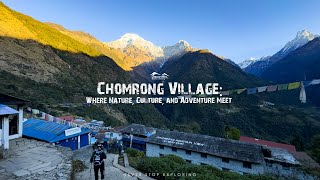
Chhomrong is a prominent Gurung village with teahouses, small shops, and traditional houses spread across the steep slope. It is also an important access point for the Annapurna Sanctuary trail.

Overnight stay at Panorama View / Sinuwa Guest House
Included all standard meals (Breakfast + Lunch + Dinner)
Day 4of 9

Trek from Chhomrong (2,165 m / 7,103 ft) to Himalaya (2,890 m / 9,482 ft)

Trek Distance12 km / 7.4 miles
Highest Altitude2,890m / 9,425ft
Trek Duration5-7 hrs

Today we trek deeper into the Modi Khola valley, through dense bamboo and rhododendron forests toward the higher reaches of the Annapurna Sanctuary.

Chhomrong → Sinuwa → Khuldighar → Bamboo → Dovan → Himalaya 

After breakfast at Chhomrong, your day begins with a descent through the village's stone-paved paths toward the Chhomrong Khola. 

After crossing the suspension bridge, you climb the opposite hillside to Sinuwa. The forested slopes and views into the valley mark the transition toward the inner sanctuary. From here, the trail passes through thick rhododendron and bamboo forests toward Khuldighar. 

You then descend a series of long stone steps into a shaded forest, eventually reaching Bamboo, a small community surrounded by dense vegetation. The forest canopy provides shade, and you may hear birds calling from the trees along the trail.

The path follows the valley through forested sections and alongside streams toward Dovan, another small stop used by trekkers travelling toward Annapurna Base Camp. 

The trail continues gradually uphill to Himalaya. Here, the valley becomes narrower, and the surrounding slopes rise more steeply with more exposed rocky slopes. 

You spend the night in the Himalayas preparing for the following day's walk toward Machhapuchhre Base Camp and Annapurna Base Camp.

Overnight stay at Himalayan Guest House /Sangrila Hotel
Included all standard meals (Breakfast + Lunch + Dinner)
Day 5of 9

Trek from Himalaya (2,890 m / 9,482 ft) to Annapurna Base Camp (4,130 m / 13,550 ft)

Trek Distance12.5 km / 7.7 miles
Highest Altitude4,130m / 13,550ft
Trek Duration6 hrs

Today's trek takes you into the heart of the Annapurna Sanctuary. Highlights include Machhapuchhre Base Camp and the final approach to Annapurna Base Camp, surrounded by towering Himalayan peaks.

Himalaya → Deurali → Machhapuchhre Base Camp → Annapurna Base Camp

You begin by following the Modi Khola upstream toward Deurali. The trail passes beneath steep rock faces and through increasingly open terrain. As you gain altitude, trees become scarce, and the path follows rocky slopes and exposed sections of the valley. 

Beyond Deurali, the route continues through a rugged, glacially shaped landscape, with steep mountain walls rising above the valley. The trail passes the Hinku Cave area before gradually opening toward the upper valley. 

You then reach Machhapuchhre Base Camp (MBC), set beneath the striking summit of Machhapuchhre. This is a major highlight of the Annapurna Sanctuary Trek, with views of Machhapuchhre, Annapurna South, Annapurna I, Hiunchuli, Gangapurna, and Gandharvachuli on clear days. You can stop here for a break before continuing toward the final destination.

From MBC, the trail follows the broad alpine basin toward Annapurna Base Camp (ABC). The surrounding peaks become increasingly prominent as you approach the centre of the sanctuary/. Here, steep mountain faces form a natural amphitheatre.

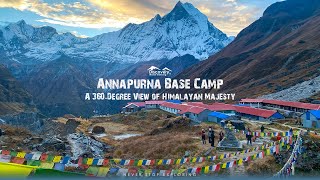
At Annapurna Base Camp, you reach an altitude of 4,130 m / 13,550 ft, surrounded by some of the highest peaks in the Annapurna range. The open setting offers expansive views of Annapurna I, Annapurna South, Machhapuchhre, and Hiunchuli. 

After arriving, you can rest at your teahouse and, weather permitting, enjoy the changing light on the mountains around sunset.

Overnight stay at Hotel Paradise Garden Guest House
Included all standard meals (Breakfast + Lunch + Dinner)
Day 6of 9

Trek from Annapurna Base Camp (4,130 m / 13,550 ft) to Bamboo (2,350 m / 7,710 ft)

Trek Distance14 km / 8.7 miles
Highest Altitude4,130m / 13,550ft
Trek Duration6 hrs

Day 6 begins your return journey from the alpine sanctuary toward the greener lower valley. The day offers a different perspective on the sanctuary, where you can experience the changes in vegetation and terrain that may have been less apparent during the uphill journey.

Annapurna Base Camp → Machhapuchhre Base Camp → Deurali → Himalaya → Dovan → Bamboo

If the weather is clear, you can wake early to watch the first sunlight reach the surrounding Himalayan peaks from Annapurna Base Camp. 
After breakfast, you begin retracing your steps through the sanctuary. The morning light often highlights the rocky faces of Annapurna I and the neighbouring peaks before you descend.

The trail returns toward Machhapuchhre Base Camp, where you can look back toward the mountain amphitheatre before continuing downhill. 

You continue your downhill trek through the exposed upper valley toward Deurali, passing rocky slopes and sections of trail beneath steep mountain walls.

Beyond Deurali, the landscape gradually becomes greener as you descend toward Himalaya. Streams and waterfalls appear along the route, and the trail returns to more sheltered sections of the Modi Khola valley.

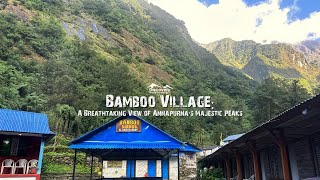
You continue through Dovan, where the trail enters denser woodland, before following the forest path toward Bamboo. The lower elevation brings warmer air and more vegetation, including bamboo groves and rhododendron-covered slopes.

After reaching Bamboo, you can rest at your lodge and recover from the long descent.

Overnight stay at Green View Lodge
Included all standard meals (Breakfast + Lunch + Dinner)
Day 7of 9

Trek from Bamboo (2,350 m / 7,710 ft) to Jhinu Danda (1,780 m / 5,840 ft)

Trek Distance8.5 km / 5.3 miles
Highest Altitude2,350m / 7,700ft
Trek Duration3-4 hrs

Today is your final trekking day on foot, where you follow the forested trail out of the upper Modi Khola valley toward Jhinu Danda. 

Bamboo → Khuldighar → Sinuwa → Chhomrong → Jhinu Danda

Leaving Bamboo, you follow the familiar forest trail toward Khuldighar. The path includes uphill and downhill sections, with stone steps winding through bamboo groves and rhododendron forests. 

As you trek toward Sinuwa, you pass forest clearings where you may catch glimpses of the surrounding hillsides. 

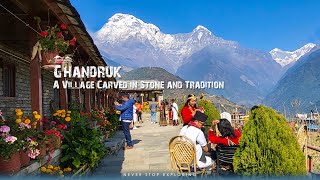
From here, you continue the route through the Chhomrong Khola crossing and the stone staircases leading into the Chhomrong Village. You can enjoy views of Machhapuchhre and Annapurna South before leaving the main village.

Beyond Chhomrong, you trek downward on the steep route toward Jhinu Danda. The stone steps can be demanding on the knees, so trekking poles can be useful to maintain balance and reduce strain during the descent.

After arriving, you can settle into your lodge and visit the natural hot springs beside the Modi Khola, reached by a short walk downhill from the village. The warm pools offer a relaxing way to ease tired muscles after several days on the trail.

Overnight stay at Hotel Park Himalaya (room with attached bathroom)
Included all standard meals (Breakfast + Lunch + Dinner)
Day 8of 9

Drive from Jhinu Danda (1,780 m / 5,840 ft) to Pokhara (820 m / 2,690 ft)

Driving Hours3-4 hrs

Day 8 marks the end of your trekking route. You leave the trekking trail at Jhinu Danda and continue your return journey on a private vehicle to Pokhara. 

Jhinu Danda → Siwa → Nayapul → Pokhara

After breakfast in Jhinu Danda, you leave the village and descend along the trail toward the lower Modi Khola valley. The route passes through cultivated land, small settlements, and forested slopes, with views of the river and surrounding hills along the way.

As you continue toward Siwa, the trail gradually leaves the higher mountain terrain behind. The landscape becomes greener and more agricultural, with terraced fields and village houses scattered across the hillsides. 

The road passes through the countryside and communities of the Annapurna foothills before reaching the main road section at Nayapul. After a few minutes of driving, you reach the lakeside city.

Back in Pokhara, you can enjoy a hot shower, relax at your hotel, or take a walk around Phewa Lake. The city offers cafés, restaurants, and mountain views, making it a comfortable place to unwind after completing the trek.

Overnight at Silver Oaks Inn (room with attached bathroom)
Included all standard Meals (Breakfast + Lunch)
Day 9of 9

Drive from Pokhara (820 m / 2,690 ft) to Kathmandu (1,350 m / 4,429 ft)

Driving Hours200–205 km / 124–127 miles
Driving Duration6–7 hours

Today, you return to Kathmandu by tourist bus, travelling through river valleys, terraced fields, and traditional villages.

Pokhara → Marsyangdi River → Trishuli River → Kathmandu

After breakfast in Pokhara, you follow the Prithvi Highway alongside sections of the Marsyangdi and Trishuli rivers. The journey offers views of forested hills, terraced farmland, and rural settlements, with a stop for refreshments or lunch along the way, depending on traffic and road conditions.

Upon reaching Kathmandu, your Annapurna Sanctuary Trek comes to an end. You can spend the rest of the day relaxing or exploring the capital before your onward journey.


Accommodation at your own hotel in Kathmandu

You have seen all 9 days.Next, choose the date you want to start.

See trip dates

Are you looking to customise the trip itinerary?

If the published schedule does not suit you, we can build the trek around your dates, your pace and what you want to see.

What is included in this trek package?

Transportation

  • Kathmandu to Pokhara by tourist bus
  • Pokhara to Dhampus (trek start point) by private vehicle
  • Private transport from Jhinu Danda (trek end point) to Pokhara
  • Pokhara to Kathmandu by tourist bus
  • Private pickup and drop-off between Tribhuvan International Airport and your hotel

Accommodations

  • 1-night accommodation with attached bathroom in Pokhara at Hotel Silver Oaks Inn
  • 4 nights in teahouse rooms with attached bathrooms at Dhampus, Landruk, Chhomrong, and Jhinu Danda
  • 2 nights' standard twin-sharing rooms in Himalaya, Annapurna Base Camp, and Bamboo

Food

  • Standard full-board meals during the trek: 9 breakfasts, 9 lunches, and 8 dinners with one main course per meal
  • Lunch and Breakfast at Hotel Silver Oaks Inn in Pokhara
  • Seasonal fresh fruits every day
  • Water purification tablets for safe drinking water

Guide and Porter

  • Nepal government-licensed trekking guide
  • Experienced and English-speaking trek leader (guide)
  • An assistant trekking guide for groups of 5 or more trekkers
  • A porter for every 2 trekkers to carry a rucksack, with a combined luggage limit of 18 kg, i.e., 9 kg per trekker.
  • All guide and porter expenses: meals, accommodation, insurance, salary, transportation, and trekking equipment costs

Trek Permits and Expenses

  • Annapurna Conservation Area Permit (ACAP)
  • All government/local taxes and official service charges

Medical Assistance

  • Basic first aid kit
  • An oximeter to monitor blood oxygen levels at high altitude
  • Emergency rescue operation in case of complicated health conditions (covered by your travel insurance)

Souvenir

  • Company-branded T-shirt and cap as a keepsake of your trek
  • DWT digital trek completion certificate sent via WhatsApp or email

Farewell

  • Farewell gathering in Pokhara after completing your trek

Benefits

  • 1 used sleeping bag and 1 down jacket for each trekker, to be returned after the trek
  • One trekking duffel bag for two trekkers, if needed
  • Free luggage storage at the Discovery World Trekking office while you are on the trek

What is excluded in this trek package?

International Flight

  • Airfare to and from Nepal

Accommodations

  • Accommodation in Kathmandu before and after the trek
  • Extra nights in Kathmandu and Pokhara due to early arrival, late departure, or early return from the trek

Food

  • Lunch and dinner in Pokhara
  • All meals in Kathmandu before and after the trek
  • Meals for additional nights caused by early return, arrival, or departure from the trek

Guide and Porter

  • Tips for guides and porters (recommended)

Visa

  • Nepal entry visa fee: $50 USD for 30 days at Tribhuvan International Airport

Travel Insurance

  • Travel insurance covering high-altitude trekking, helicopter rescue, and emergency medical evacuation up to 5,500 m

Personal Expenses

  • Trekking clothes, footwear, and personal equipment
  • Souvenir purchases, snacks, beverages, and drinking water during the trek
  • Charges for hot showers, Wi-Fi, and battery charging
  • Extra porter costs for baggage beyond the package allowance of 9 kg

Other Expenses

  • Fees for baggage exceeding the 9 kg per-person limit
  • Expenses arising from unexpected events, including bad weather, landslides, illness, transport disruptions, or changes in government regulations
  • Additional transport, accommodation, or other costs resulting from unavoidable itinerary changes for safety reasons
  • Any services, fees, or expenses not explicitly mentioned in the “What's Included in this Package” section.
Talk to an Expert (Paul)Want Help?Online. Replies in 2 hours

Chat with our trek expert on WhatsApp.

  • Understand the itinerary, trail, and weather conditions
  • Get expert tips on gear, fitness, and mental preparation
  • Ask your questions and get personal advice
The temperature chart above is a general guide showing average monthly values. In reality, temperatures can vary due to altitude, season, wind, and rapid weather changes in the Himalayas

Annapurna Sanctuary Packing List

We recommend you bring the following clothing, accessories, and equipment while packing for this trek. We understand that you may have your own preference for clothing that may be equally suitable. Please bring only the essentials. We assign porters to carry luggage, but your weight limit is 9 kg. One porter will carry luggage for two trekkers. Hence, please find a fellow trekker and pack your things together in a duffle bag with a capacity of over 60 liters.

Head and Face

6 items
  • Sun hat or cap (wide-brimmed)
  • Ear-covering warm hat or knitted beanie
  • Scarf, buff, or neck gaiter
  • UV-protection sunglasses
  • High SPF sunscreen and lip balm
  • Lightweight headlamp with spare batteries

Upper Body

8 items
  • Moisture-wicking short or long-sleeved t-shirts
  • Thermal base layers (light for warm months/heavy for cold)
  • Fleece and puffy/insulated jacket
  • Down jacket for colder elevations
  • Waterproof and windproof outer jacket
  • Lightweight long-sleeve breathable trekking shirt
  • Synthetic bra for women
  • Waterproof nylon raincoat or poncho

Handwear

3 items
  • Warm insulated gloves or mittens
  • Lightweight liner gloves
  • Waterproof outer gloves for snow or wet conditions

Lower Body

6 items
  • Quick-drying trekking pants and underwears
  • Convertible or full-length trousers
  • Quick Drying Underwear
  • Thermal leggings or base layers
  • Warm trekking trousers (insulated pants) for colder sections
  • Lightweight cotton pants for evenings/ inside teahouses

Footwear

5 items
  • Broken-in trekking boots with ankle support and good grip
  • Warm wool or synthetic trekking socks
  • Lightweight camp shoes or sandals for river crossings
  • Gaiters for protection against mud, water, and debris
  • Microspikes/crampons (seasonal) for better grip while crossing snowy and icy high passes

Backpack/Support/Sleeping Gear

7 items
  • Duffle bag/Rucksack (50-60 liters, shared between two trekkers)
  • Day backpack (20–30 liters) with rain cover
  • Adjustable and lightweight trekking poles (preferably collapsible)
  • Reusable water bottles or hydration bladder (minimum 2 liters)
  • Water purification tablets, a filter, or a UV purifier
  • Sleeping bag (rated -5°C to -10°C)
  • Earplugs

Toiletries

7 items
  • Toothbrush and toothpaste
  • Medium-sized quick-dry towel
  • Biodegradable soap or shampoo
  • Toilet paper (in a Ziplock bag)
  • Nail Clipper Body wipes/wet tissues
  • Feminine hygiene products
  • Hand sanitizer

Electronics and Documents

Camera/Smartphone
Power bank and charging cable
Two-pin charging adapter
Passport photocopies and passport-sized photos in waterproof bags

Medications

4 items
  • Personal kits and medications (inhalers, allergy medicine, etc.) are highly recommended
  • Blister care kit (Compeed/moleskin)
  • Cough drops or throat lozenges (very useful in dry air)
  • Basic first aid supplies (band-aids, antiseptic wipes, pain relievers, Diamox)

Optional Items

7 items
  • Snacks and energy bars
  • Notebook or pen for journaling your experience
  • Book or e-book
  • Binoculars
  • Small multi-tool
  • Pee-bottle/pee-funnel for women
  • Comb
We can provide a used duffle bag (non-waterproof), down jacket, and sleeping bag if you don’t have your own
Online. Replies in 2 hours

Plan Smarter, Trek Better

Connect with our local expert for honest recommendations, personalised guidance, and insider tips to make every step of your adventure count.

Annapurna Sanctuary Trek Information

Explore the route, altitude, best seasons, costs, and difficulty to see if the Annapurna Sanctuary Trek suits your plans. Have questions? Contact us by email or WhatsApp. We will get back to you within 24 hours.

17 steps · Everything you need to know before you book: permits, meals, costs and what each day looks like. No rush, take your time.

Before the Trek

Before your Annapurna Sanctuary Trek begins, we help you complete the essential preparations for a smooth journey. From airport pickup and hotel transfer to your pre-trek briefing, our team will help you get ready for the trail.

Airport Pickup and Hotel Transfer

Upon arrival at Tribhuvan International Airport in Kathmandu, a Discovery World Trekking representative will welcome you with a company pamphlet displaying your name.

We arrange a private transfer to your hotel, where you can rest after your flight. If you arrive early, you can explore Kathmandu's historic sites, local markets, and restaurants.

Note: We recommend arriving in Kathmandu at least one day before your trek begins.

Pre-trek Briefing

Before departure, our company head, Paul, will explain your itinerary, daily walking hours, trail conditions, accommodation, permits, and safety procedures.

You can also review your packing list, check your trekking equipment, and ask any questions about the journey.

Note: If you need trekking equipment, we can recommend reliable rental shops in Thamel.

Travel to Pokhara and Dhampus

Your journey begins with a drive from Kathmandu to Pokhara, then on to Dhampus.

Kathmandu to Pokhara

The drive from Kathmandu to Pokhara covers approximately 200 km (124 miles). It generally takes 7–8 hours, depending on traffic and road conditions.

Following the Prithvi Highway, you travel alongside the Trishuli and Marsyangdi rivers, passing terraced farmland, green hills, small towns, and rural settlements.

Pokhara is a lakeside city known for Phewa Lake and its views of the Annapurna range and Machhapuchhre.

Pokhara to Dhampus

From Pokhara, you continue toward Dhampus, a traditional Gurung settlement on the lower slopes of the Annapurna region.

The drive takes you through the countryside and uphill toward the village. On clear days, you can see Annapurna South, Hiunchuli, Machhapuchhre (Fishtail), and Dhaulagiri.

Dhampus is your first overnight stop and the starting point for the next day's trek.

Note: Road travel times can vary with traffic, weather, and road conditions.

Travel Documents

Before travelling to Nepal, prepare the necessary documents for entry into the country and your trek.

You should have:

  • A valid passport with at least six months of validity

  • A Nepal tourist visa, if required for your nationality

  • Travel insurance covering trekking and emergency evacuation

  • Passport-size photographs, if needed for travel formalities

  • A copy of your travel insurance policy and emergency contact details

Nepal Tourist Visa

Most foreign visitors except Indian citizens require a tourist visa to enter Nepal, although requirements vary by nationality. Eligible travellers can obtain a visa on arrival at Tribhuvan International Airport or from designated entry points. 

You can also fill out the online application form if you want to avoid the extra time needed for immigration procedures upon arrival.

Additionally, you can also apply through a Nepalese embassy or consulate in your home country.

Note: Check the latest visa requirements and fees before travelling. 

Travel Insurance

Comprehensive travel insurance is essential for the Annapurna Sanctuary Trek. Your policy should cover trekking to at least 4,500 metres, including emergency helicopter evacuation and medical treatment.

We ask you to provide your insurance details after booking so we can complete your trek arrangements.

Your policy should cover:

  • Trekking at high altitude

  • Emergency helicopter evacuation and search and rescue

  • Medical treatment and hospitalisation

  • Trip interruption or cancellation

  • Repatriation, if required

  • Other travel-related losses covered by your policy

Note: Not every policy covers helicopter evacuation or trekking above 3,000–3,500 metres. Confirm the altitude limit and exclusions with your insurer before travelling.

Permits Needed for the Annapurna Sanctuary Trek

The Annapurna Sanctuary Trek passes through the Annapurna Conservation Area. You need the Annapurna Conservation Area Permit (ACAP) to enter this protected region.

We arrange the required permit as part of your trek preparations. Your guide will carry the necessary documents and present them at checkpoints along the route.

Annapurna Conservation Area Permit (ACAP)

The ACAP supports conservation and management of the Annapurna region, including its forests, wildlife, mountain landscapes, and local communities.

  • Permit typeConservation area entry permit
  • Area coveredAnnapurna Conservation Area
  • PurposeSupports environmental conservation, preserves wildlife, and funds sustainable tourism
  • ArrangementWe arrange the required permit before your trek

Cost per person:

  • Foreign NationalsNPR 3,000 (approx.$25 USD) for 1-10 days, and after that $ 2 USD per additional day.
  • SAARC NationalsNPR 1,000 (approx.$8 USD)
  • Children under 10 yearsDo not need to pay (exempt)

Note: Permit fees can change, so check the current rates before departure.

Teahouses and Lodges on the Annapurna Sanctuary Trail

During the trek, you stay in locally operated teahouses and mountain lodges. These provide a place to sleep, eat, and rest after each day's walk.

Accommodation is generally simple, with facilities varying by village and lodge. As you ascend toward Machhapuchhre Base Camp and Annapurna Base Camp, options become more limited.

Facilities and Amenities

  • RoomsMost teahouses offer basic twin-sharing rooms with beds, pillows, and blankets. We recommend a sleeping bag, especially for colder nights at higher elevations.
  • Private roomsAvailability depends on the village, season, and lodge occupancy. Private rooms cannot always be guaranteed.
  • BathroomsShared toilets and bathrooms are common. Some lodges offer attached bathrooms, but availability decreases at higher elevations.
  • HeatingDining rooms may have a central stove during the evening. Bedrooms are generally unheated, so bring warm clothing.
  • ElectricityMany lodges offer charging facilities for an additional fee. Availability and charging costs vary as per altitude.
  • Wi-Fi and mobile coverageSome lodges provide paid Wi-Fi, but connections may be slow or unavailable in remote sections of the sanctuary.
  • Hot showersHot showers may be available for an extra charge. At higher elevations, availability can be limited, and you may only get a bucket shower.

Note: Bring a power bank, a warm sleeping bag, and some cash for services that are not included in your package.

Food and Drinks on the Annapurna Sanctuary Trek

You can expect a mix of traditional Nepali meals and familiar international dishes at teahouses along the trail. Your package meal arrangements include full board meals, one item per meal. You will get 9 breakfasts, 9 lunches, and 8 dinners.

Menus generally offer fewer choices as you travel deeper into the sanctuary. Teahouses serve hot meals that provide the energy needed for long walking days.

Food Options

Dal Bhat is a popular trekking meal consisting of rice, lentil soup, vegetables, and pickles. It is filling and provides carbohydrates and protein for the trail.

Common options include:

BreakfastMorning (7 – 8 AM)
PorridgeTibetan breadToastEggsPancakesMuesliTea
LunchMidday (12 – 1 PM)
Dal BhatFried RiceNoodlesMomosPastaSoup
DinnerEvening (6 – 7 PM)
Dal BhatVegetable DishesNoodlesPotatoesPastaSoup

Note: Choose meals that are freshly prepared, nutritious, and easy to digest. Carbohydrate-rich foods can help maintain energy during the trek.

Foods to Be Careful With

To reduce the risk of stomach problems, take care with:

  • Raw salads and uncooked vegetables

  • Food that has been left uncovered or stored improperly

  • Unpasteurised dairy products

  • Meat that may have been transported or stored without adequate refrigeration

Drinking Water

You should drink (sip) regularly throughout the day. Around 3–4 litres of fluids daily is a useful general target during trekking, adjusted for exertion, weather, and your individual needs.

We recommend that you go for boiled or properly purified water and avoid untreated water from taps, streams, or rivers. Carry reusable water bottles (around 2 liters) and water purification tablets or a suitable filter.

You can also choose other commonly available hot drinks at teahouses such as black tea, green tea, ginger tea, lemon tea, coffee, etc.

Tip: Avoid excessive alcohol, and do not rely on sugary or caffeinated drinks for hydration.

Dietary Requirements and Food Allergies

Vegetarian meals are widely available along the route. Vegan, gluten-free, and dairy-free options may be more limited, particularly at higher elevations.

  • VeganChoose plain rice, lentils, and vegetable dishes prepared without animal products. Avoid milk, butter, ghee, cheese, yoghurt, eggs, and other dairy products.
  • Gluten-freeGo for plain rice, potatoes, lentils, and suitable vegetable dishes. Avoid wheat-based chapati, roti, bread, pasta, noodles, and momos unless confirmed gluten-free.
  • Dairy allergy or lactose intoleranceRequest meals prepared without milk, butter, ghee, cheese, or yoghurt. Choose rice, lentils, and vegetables after checking the ingredients.
  • Egg allergyAvoid boiled eggs, omelettes, fried eggs, mayonnaise, and baked goods containing eggs. Confirm ingredients before ordering.
  • Soy allergyAvoid tofu, soy sauce, and foods containing soybean ingredients. Check sauces and packaged seasonings before eating.

Important: Teahouses have small kitchens and may use shared cooking utensils, cookware, and preparation surfaces. They cannot always guarantee meals free from allergens or cross-contamination.

Note: Inform us about severe allergies before departure. Bring your prescribed emergency medication, such as an adrenaline auto-injector when required, and explain your allergy clearly to your guide.

A Typical Day on the Trek with Guides

Most trekking days begin with breakfast around 7 AM at your lodge. You then follow forest paths, stone staircases, village trails, and mountain routes, taking breaks for water, photographs, and lunch.

Most days end with dinner by 7 PM, depending on the route and your walking pace. After reaching your lodge, you can rest, enjoy dinner, and prepare for the following day.

A Typical Day:

  • Morning (7:00 AM – 12:00 PM)You wake up to fresh mountain air and enjoy breakfast at the teahouse. After packing your daypack, you begin walking with your guide. Along the way, you can stop for photos and a short break.
  • Lunch (12:00 PM – 1:00 PM)Around midday, you stop at a teahouse along the trail for lunch. Take time to rest, refill your water, and enjoy the surrounding scenery before continuing the trek.
  • Afternoon (1:00 PM – 4:00 PM)After lunch, you continue towards your next overnight stop. Depending on the day's route, you may walk through bamboo and rhododendron forests, or pass rocky trails with views of the Annapurna peaks. On higher sections, the landscape becomes more open and rugged as you approach the Annapurna Sanctuary.
  • Evening (4:00 PM – 7:00 PM)You reach your teahouse or lodge, settle into your room, relax, and enjoy mountain views. Dinner is usually served around 6–7 PM in the communal dining area. Your guide will discuss the next day's route and walking conditions.

Best Time to Trek to the Annapurna Sanctuary

Spring and autumn are generally the most favourable seasons for the Annapurna Sanctuary Trek. Both offer good opportunities for mountain views, although weather conditions can change quickly.

Winter and monsoon treks are also possible, but they require greater flexibility and preparation.

Spring: March to May

Spring brings warmer conditions to the lower hills and colourful rhododendron blooms along parts of the trail.

Typical temperatures:

  • Lower and middle trail: 10°C to 20°C during the day and 0°C to 10°C at night.
  • Annapurna Base Camp (4,130 m): Around 8°C to 14°C during the day, with nighttime temperatures ranging from -12°C to 0°C.

What to expect:

  • Rhododendron forests and seasonal wildflowers.
  • Pleasant conditions at lower elevations.
  • Clear mountain views on favourable days.
  • Cold mornings and nights at Annapurna Base Camp.
  • Busy trails and teahouses during peak periods.

Spring is a good choice if you want to combine mountain scenery with flowering forests.

Winter: December to February 

Winter brings colder conditions, especially at Deurali, Machhapuchhre Base Camp, and Annapurna Base Camp. Snow and ice may affect the higher trail.

Typical temperatures:

  • Lower and middle trail: 5°C to 15°C during the day and around 0°C to 5°C at night.
  • Annapurna Base Camp (4,130 m): Around 0°C to 9°C during the day, with nighttime temperatures dropping to -20°C to -10°C.

What to expect:

  • Quieter trails and fewer trekkers.
  • Clear mornings on favourable days.
  • Cold nights and possible sub-zero temperatures.
  • Snowfall or icy sections at higher elevations.
  • Possible changes to the itinerary due to trail conditions.

Winter trekking requires warm clothing, suitable footwear, and flexibility if conditions deteriorate.

Autumn: September to November

Autumn follows the monsoon and is one of the most popular seasons for trekking in the Annapurna region.

Typical temperatures:

  • Lower and middle trail: 10°C to 20°C during the day and 5°C to 15°C at night.
  • Annapurna Base Camp (4,130 m): Around 6°C to 16°C during the day, with nighttime temperatures ranging from -12°C to -5°C.

What to expect:

  • Generally clear skies after the monsoon.
  • Good mountain visibility on clear days.
  • Drier trails as the season progresses.
  • Comfortable daytime conditions at lower elevations.
  • Colder nights at higher elevations.
  • More trekkers during the main holiday periods.

Autumn is an excellent option for views of Annapurna I, Annapurna South, Hiunchuli, and Machhapuchhre.

Summer/Monsoon: June to August 

The monsoon brings frequent rainfall to the lower Annapurna hills. Forests become lush, waterfalls grow stronger, and clouds may obscure the mountain views.

Typical temperatures:

  • Lower and middle trail: 20°C to 25°C during the day and 15°C to 20°C at night, with high humidity.
  • Annapurna Base Camp (4,130 m): Approximately 5°C to 18°C during clearer daytime periods. Nights are colder and can approach or fall below freezing, depending on conditions.

What to expect:

  • Wet and slippery trails.
  • Leeches in forested sections, especially at lower elevations.
  • Increased risk of landslides and trail disruption.
  • Cloud cover and reduced mountain visibility.
  • Fewer trekkers on some sections of the route.

If you trek during the monsoon, bring waterproof clothing and keep your itinerary flexible.

Annapurna Sanctuary Trek Difficulty

Trek Distance 

Minimum and Maximum Walking Per Day, Long walking days 

  • First trekking day: Dhampus to Landruk, approximately 8 km over 5 hours.

  • Shortest trekking day: Bamboo to Jhinu Danda, approximately 8.5 km over 3–4 hours.

  • Longest listed trekking distance: Annapurna Base Camp to Bamboo, approximately 14 km over 6 hours.

  • Main ascent day: Himalaya to Annapurna Base Camp, approximately 12.5 km over 6 hours.

  • Typical walking time: Around 3–7 hours on the listed trekking days.

Altitude

Maximum and minimum altitude of the trek 

  • Trip starting point: Kathmandu, approximately 1,350 m.

  • First overnight stop: Dhampus, 1,650 m.

  • Lowest listed trekking overnight stop: Landruk, 1,565 m.

  • Higher overnight stop: Himalaya, 2,890 m.

  • Machhapuchhre Base Camp: Reached on the way to Annapurna Base Camp.
  • Highest overnight destination: Annapurna Base Camp, 4,130 m.

  • Highest point of the itinerary: Annapurna Base Camp, 4,130 m.

Challenging Sections of the Route

  • The uphill and downhill stone steps between Landruk, Jhinu Danda, and Chhomrong.

  • The climb from Chhomrong toward Sinuwa.

  • The forested ascents and descents around Khuldighar and Bamboo.

  • The sustained ascent from Himalaya through Deurali to Machhapuchhre Base Camp.

  • The exposed final approach to Annapurna Base Camp.

  • The long descent from Annapurna Base Camp to Bamboo.

Difficulty for Different Age Groups

The trek can suit adults of different ages, depending on their fitness, health, previous hiking experience, and ability to adapt to altitude.

  • ChildrenThe trek requires careful planning, supervision, and consideration of the child's fitness and altitude tolerance.
  • 18–35 yearsRegular exercise and endurance training can help prepare you for long walking days.
  • 36–50 yearsGood cardiovascular fitness and leg strength are useful for the repeated ascents and descents.
  • 51–65 yearsMany active adults can undertake the trek with appropriate preparation and a comfortable pace.
  • Above 65 yearsA medical consultation and an honest assessment of fitness and previous trekking experience are advisable.

Acute Mountain Sickness (AMS)

Common symptoms of AMSinclude
HeadacheNausea or vomitingLoss of appetiteDizzinessUnusual tirednessDifficulty sleeping

To reduce the risk, ascend at a manageable pace, drink regularly, eat well, and get enough rest. Tell your guide immediately if you develop symptoms.

If symptoms worsen, do not continue ascending. Severe symptoms, such as confusion, difficulty walking straight, or breathlessness at rest, require urgent medical attention and descent.

Safety Measures for Annapurna Sanctuary Trek

Your safety is our priority. Our guides help you follow the itinerary, monitor trail conditions, and respond to problems during the trek.

Physical Preparation and Training

Preparing physically and mentally is the top priority for successful completion of the trek. You should begin preparing around 6-8 weeks before your departure. 

Focus on:

  • Cardiovascular fitness: Walking, cycling, swimming, or jogging several times a week.

  • Leg strength: Squats, lunges, stair climbing, and hill walking.

  • Endurance: Gradually increasing the distance of your walks.

  • Balance: Practising on uneven terrain.

  • Flexibility: Stretching to support mobility and recovery.

If possible, practise hiking with a daypack of 5kg of weight and include some uphill and downhill walking.

Acclimatization

Your itinerary rises from the lower hills to 4,130 m over several days. Although the route does not include a dedicated acclimatisation day, the ascent should still be approached carefully.

Walk slowly, stay hydrated, and allow time to rest. Do not ignore symptoms simply because you are physically fit. If altitude sickness is suspected, you should stop the further ascent and descend to a lower altitude.

Emergency Helicopter Evacuation

A serious illness, injury, or altitude-related emergency may require evacuation from the mountains.

If an emergency occurs, your guide will assess the situation and help arrange appropriate assistance. Depending on the location, weather, and medical urgency, evacuation may involve walking to a lower elevation or arranging a rescue helicopter.

Helicopter operations depend on weather and visibility. Your travel insurance should cover emergency evacuation from the altitude reached on this trek.

Medical Treatment

Before travelling, confirm that your insurance covers trekking to at least 4,500 metres, emergency evacuation, and medical treatment.

Keep your insurance details and emergency contact information accessible during the trek. Tell your guide about any relevant medical needs before departure.

Licensed Guide and Porter

Trekking with a reliable guide and porter makes your Annapurna Sanctuary Trek safer and more comfortable. At Discovery World Trekking (DWT), we provide an experienced, licensed trekking guide. Also, we arrange porter support to help you enjoy the journey without carrying a heavy load. 

Trekking Guides

At Discovery World Trekking (DWT), we provide an experienced, english-speaking, licensed trekking guide to support you throughout your Annapurna Sanctuary Trek.

Your guide will:

  • Lead you along the trekking route and manage the daily schedule.

  • Arrange teahouse stops and overnight accommodation.

  • Monitor weather, trail conditions, and altitude-related concerns.

  • Provide guidance on trekking safety and acclimatization.

  • Share insights into local Gurung culture, village life, and mountain landscapes.

  • Help coordinate the trek and adjust the pace when necessary.

Porters

We arrange porters to carry your main luggage, allowing you to walk comfortably with a lighter daypack.

Our porter service includes:

  • One porter for every two trekkers.

  • A maximum combined luggage load of 18 kg per porter, or around 9 kg per trekker.

  • Carrying your main trekking bag between overnight stops.

  • More comfortable walking without the need to carry heavy luggage yourself.

You should carry a small daypack with water, snacks, a waterproof jacket, valuables, and personal essentials.

How Much Should You Tip?

Tipping is not compulsory in Nepal, but it is a common way to thank your trekking crew for their work.

There is no fixed amount. Consider the length of the trek, the quality of service, and your overall experience. You can give tips directly to your guide and porter at the end of the trek. We can also offer general tipping guidance during your pre-trek briefing.

Annapurna Sanctuary Trek Cost

The cost of the 9-day Annapurna Sanctuary Trek depends on your group size. Discovery World Trekking (DWT) offers group-size discounts, allowing you to trek with your own family or friends without being combined with other groups.

The package covers essential trekking arrangements, including transportation, accommodation, meals during the trek, permits, a licensed guide, and porter services.

Cost Breakdown

The following table shows our current Annapurna Sanctuary Trek prices per person based on group size.

Group Size

Cost Per Person

Small (2-3 trekkers)

$630 USD

Medium (4-7 trekkers)

$600 USD

Big (8-13 trekkers)

$570 USD

 The larger your private group, the lower the cost per person. We do not combine separate bookings to offer group discounts. You can select your group size during the final booking step.

Budgeting for Personal Expenses

Although your Annapurna Sanctuary trek package covers most essential trekking costs, you should carry extra money for personal expenses along the route.

Budgeting around $20 USD per trekking day for miscellaneous expenses could be enough for your trekking. However, your actual costs will depend on your preferences and spending habits.

You may need extra cash for:

  • Snacks, chocolates, and energy bars.

  • Bottled or boiled water, tea, coffee, and other drinks.

  • Hot showers and Wi-Fi at teahouses.

  • Charging phones, cameras, and other electronic devices.

  • Laundry and personal supplies.

  • Tips for your guide and porters.

  • Souvenirs and small purchases.

Currency Exchange and ATMs

The official currency of Nepal is the Nepalese Rupee (NPR). You should carry enough local cash to cover your personal expenses throughout the trek

Here are some useful money tips:

  • Currency exchangeExchange major currencies, such as US dollars, euros, and British pounds, at authorised money exchange counters in Kathmandu or Pokhara. Exchange rates fluctuate, so check the current rate when you arrive.
  • BanknotesBring clean, undamaged foreign currency notes, as some exchange counters may not accept old or damaged bills.
  • ATMsYou can withdraw Nepalese Rupees from ATMs in Kathmandu and Pokhara. Don’t depend on ATMs or banking facilities along the trekking route. They are not reliable, so withdraw enough cash before leaving.
  • Credit cardsMajor hotels and restaurants in Kathmandu and Pokhara may accept international cards. However, teahouses in the Annapurna region may not accept credit cards as they prefer cash.
  • Local currencyCarry smaller Nepalese Rupee notes for snacks, drinks, hot showers, charging, and other personal expenses. Cash is more useful for small purchases.

What You Should Carry For The Trek?

You should pack the right gear to stay comfortable and prepared throughout the Annapurna Sanctuary Trek. Weather and temperatures can change quickly as you gain altitude. So include warm layers, waterproof clothing, and a light backpack. 

Equipment Checklist

We recommend that you pack according to the season and your personal needs. 

A simple guide on what to pack:

  • Moisture-wicking base layers, thermal wear, trekking trousers, T-shirts, and warm socks.

  • Fleece jacket, warm down jacket, waterproof jacket, and waterproof trousers.

  • Warm hat, sun hat, gloves, comfortable trekking boots, and camp sandals.

  • Daypack with a rain cover for carrying daily essentials.

  • Trekking poles for support on uphill and downhill sections.

  • Headlamp with spare batteries, sunglasses, and sunscreen.

  • Reusable water bottles and water purification tablets.

  • Sleeping bag suitable for cold mountain nights.

  • Toiletries, quick-drying towel, hand sanitiser, personal medication, and basic first-aid supplies.

  • Snacks, energy bars, passport, trekking permits, travel insurance details, and Nepalese cash.

Note: DWT team lead Paul can provide further packing guidance during the pre-trek online briefing.

Backpack and Luggage 

Carry a small daypack for items you need during the day's walk, and keep your main luggage compact. Here is how to organize your bags for the Annapurna Sanctuary Trek:

  • DaypackYou can bring a backpack of 5 kg of weight. It should include a water bottle (3 liters), snacks, sunscreen, a waterproof layer, documents, charger, electronics, and personal medication.
  • Main LuggageWe arrange one porter for every two trekkers, with a maximum combined luggage weight of 18 kg per porter. So, your main luggage limit is 9 kg, which is carried by the porter.
  • Bag ChoiceUse a durable duffel or trekking bag for your main luggage and a lightweight, comfortable daypack for daily essentials.

Note: If you don’t have one, we can provide a used duffel bag to be used for the trekking. 

Extra Luggage Storage

You do not need to carry all your belongings on the Annapurna Sanctuary Trek. You can leave extra clothes, luggage, and other non-essential items at your hotel in Kathmandu or Pokhara. Many hotels offer free luggage storage for their guests.

At Discovery World Trekking (DWT), we also provide complimentary luggage storage at our Kathmandu office. You can leave items you do not need during the trek and collect them after returning.

Why choose Annapurna Sanctuary?

The Annapurna Sanctuary is a high-altitude glacial basin in Nepal's Annapurna region, surrounded by towering Himalayan peaks. It is often described as a natural mountain amphitheater, with Annapurna I, Annapurna South, Hiunchuli, and Machhapuchhre rising around it.

The Annapurna Sanctuary Trek combines mountain scenery, forest trails, traditional villages, and local culture in one journey. The highlights are:

Gurung Villages and Traditions

The Annapurna region is home to Gurung communities known for their hospitality, cultural heritage, and close connection to mountain life. Along the trek, you pass through hillside communities where traditional lifestyles continue alongside trekking tourism.

What you can experience:

  • Traditional villages: Explore Dhampus, Landruk, and Chhomrong, with stone-paved paths, terraced fields, and mountain views.

  • Local hospitality: Meet residents and experience the welcoming atmosphere of village teahouses.

  • Traditional architecture: Notice stone houses, sloping roofs, and settlements built along the hillsides.

  • Farming and daily life: See terraced fields and learn how local communities adapt to the mountain environment.

  • Cultural heritage: Discover Gurung customs, local stories, and traditions passed down through generations.

Local Culture and Festivals 

Gurung culture is an important part of the Annapurna region. Although traditional clothing and festivals aren’t part of everyday life in every village, you may learn about them through local interactions and cultural celebrations.

Gurung culture is an important part of the Annapurna region. Although traditional clothing and festivals are not part of everyday life in every village, you may learn about them through local interactions and cultural celebrations.

Cultural highlights include:

  • Tamu Lhosar: The Gurung New Year, generally celebrated in late December or early January, with family gatherings, cultural programmes, and traditional music.

  • Ghatu and Sorathi dances: Traditional folk dances performed during cultural events and celebrations.

  • Men's traditional dress: Men wear bhangra, a traditional cloth worn across the upper body, and a kachhad, a wraparound lower garment.

  • Women's traditional dress: Women wear gunyu-cholo, a ghalek shawl, and jewellery such as necklaces, earrings, and head ornaments.

  • Local food and music: You can also enjoy local foods such as Gundruk Soup (a traditional Nepali soup made with fermented leafy greens) and Dhindo (a thick porridge made from millet or buckwheat flour). You can also learn about folk songs and customs that reflect the region's cultural diversity.

Note: Festival celebrations depend on the time when you visit, so you may not encounter them during your trek.

Annapurna Conservation Area 

The Annapurna Sanctuary lies within the Annapurna Conservation Area, Nepal's largest conservation area, covering approximately 7,629 square kilometres. Its varied elevations support diverse forests, plants, birds, and wildlife.

As you ascend from the lower hills towards Annapurna Base Camp, you will notice changes in vegetation, temperature, and landscape.

  • Rhododendron forests: You can see colourful rhododendrons during the spring season, when the trees bloom in shades of red, pink, and white.

  • Bamboo and oak forests: Common along sections of the lower and middle trail. They are dense, providing shade and shelter.

  • Other plant species: Depending on the elevation, you may encounter orchids, ferns, primulas, irises, and other Himalayan plants.

  • Mammals: The wider conservation area is home to Himalayan tahr, barking deer, langur monkeys, Himalayan black bears, blue sheep, and elusive snow leopards.

  • Birdlife: Birdwatchers look out for Himalayan monals (Danphe), koklass pheasants, blood pheasants, and other Himalayan bird species.

  • Changing habitats: Forests gradually give way to more open, rocky terrain as you approach Deurali, Machhapuchhre Base Camp, and Annapurna Base Camp.

Note: Wildlife sightings are never guaranteed, as many animals remain hidden in the forest or inhabit less-visited parts of the conservation area.

Rivers, Waterfalls, and Springs

Water is a constant feature of the Annapurna Sanctuary Trek. The trail follows forested valleys, crosses mountain streams, and passes waterfalls that become particularly impressive during the wetter months.

Along the route, you will encounter:

  • Modi Khola River: A major river in the Annapurna region that flows through the deep valley below Landruk. It runs along sections of the trail toward New Bridge and Jhinu Danda. 

  • Seasonal waterfalls: Waterfalls appear along forested slopes and rocky sections of the trail, with stronger flows during the monsoon and after rainfall. Deurali Waterfall (a descriptive name) is a seasonal waterfall near Deurali, formed by water flowing down the steep rock faces. 

  • Mountain streams: Small streams and cascades add to the scenery as you walk through bamboo and rhododendron forests. Kimrong Khola is one of the streams that you cross on the trail in the lower Annapurna region.

  • Jhinu Danda natural hot springs: Natural hot-water pools beside the Modi Khola, reached by walking downhill through the forest from Jhinu Danda. 

MBC and ABC

Machhapuchhre Base Camp (MBC) and Annapurna Base Camp (ABC) are the major highlights of the trek's high-altitude section.

What makes these places special:

  • Machhapuchhre Base Camp (3,700 m / 12,140 ft): Offers close-up views of Machhapuchhre, known as Fishtail Mountain, along with Hiunchuli and Annapurna South.

  • MBC to ABC Trail: You continue along a high mountain path through increasingly open terrain. The trail welcomes you with views of snow-covered slopes, rocky landscapes, and towering Himalayan peaks.

  • Annapurna Base Camp (4,130 m / 13,550 ft): It is located within the Annapurna Sanctuary, surrounded by an impressive ring of Himalayan mountains. The base camp offers a view of Annapurna I (8,091 m / 26,545 ft), the world's tenth-highest mountain. You can also enjoy views of Annapurna South, Hiunchuli, Machhapuchhre, and other peaks in the Annapurna massif.

  • A high-altitude experience: The thin air, cold temperatures, and close-up mountain scenery make reaching ABC a memorable part of the journey. Sunrise and sunset bring changing colors across the mountain basin, highlighting the snow-covered peaks.  

Note: Temperatures can drop sharply at MBC and ABC. Walk at a steady pace, drink enough water, and follow your guide's advice as you gain altitude.

Alternative trek to Annapurna Sanctuary

If the 9-day Annapurna Sanctuary Trek does not fit your travel plans or trekking preferences, Discovery World Trekking (DWT) offers other Himalayan adventures.

  • Langtang Trek: Walk through forests, traditional villages, and Langtang Valley to Kyanjin Gompa, with views of Langtang Lirung and an optional hike to Kyanjin Ri.

  • Manaslu Circuit Trek: Explore remote Nubri villages and the Budhi Gandaki Valley before crossing Larkya La Pass (5,106 m), with views of Mount Manaslu (8,156 m).

  • Everest Base Camp Trek: Trek from Lukla through Namche Bazaar and traditional Sherpa villages to Everest Base Camp (5,364 m), with panoramic Everest views from Kala Patthar.

  • Annapurna Circuit Trek: Cross Thorong La Pass (5,416 m), visit Muktinath Temple, and experience changing landscapes from the green Marsyangdi Valley to the dry Mustang region.

How to book the Annapurna Sanctuary Trek?

Booking your Annapurna Sanctuary Trek with DWT is straightforward. You can select your preferred dates through our website or contact our team for assistance.

How to book:

  • Choose your datesSelect your preferred departure date and review the 9-day itinerary.
  • Confirm your bookingComplete the booking form and pay a 10% advance deposit to secure your trip.
  • Send your documentsProvide a copy of your passport and your travel insurance details. We will also need your flight information and other necessary documents.
  • Attend the trek briefingAfter booking, we arrange a briefing through WhatsApp or online to discuss the itinerary, packing list, safety, and other preparations.
  • Pay the remaining balanceThe outstanding amount is generally due when you arrive in Kathmandu, before the trek begins.

Note: Our team will guide you through the process and help you prepare for the journey.

Private Trek

We are the only trekking agency that operates private treks only. We do not add strangers to your group, so you can have a more personal experience. You can enjoy the journey with your own family, friends, or travel companions.

Our private trek service includes:

  • Your own groupWe do not combine separate bookings.
  • A dedicated guide and porter supportOur team arranges a licensed trekking guide and porters according to your group size. You can get an additional guide if you have 5+ members in your group.
  • Flexible departure datesChoose dates that suit your travel plans, subject to availability.
  • Your own trekking paceWalk comfortably with your guide and take breaks as needed.

Payment Methods

To confirm your Annapurna Sanctuary Trek, you need to pay a 10% advance deposit. You can pay the remaining balance after arriving in Kathmandu, during your pre-trek briefing and before departure.

Available payment methods include:

  • Bank transferTransfer your deposit or balance using the payment details we provide.
  • Credit cardPay using an accepted card. A 4% surcharge applies to credit card payments.
  • Wise or Western UnionUse either service for eligible payments.
  • Cash in KathmanduPay the remaining balance 90% in cash after arrival.

Note: After completing a bank transfer, send us the payment receipt or transaction reference so we can verify it. Our team will email you the relevant payment instructions after your booking request. Please review our Terms and Conditions for deposit, cancellation, and refund policies.

Last-Minute Bookings

We understand that travel plans can change, and DWT accepts last-minute bookings for the Annapurna Sanctuary Trek, subject to availability.

If you need to book at short notice, contact our team first so we can check availability and confirm the arrangements.

For last-minute bookings:

  • Contact us directlyCall, Viber, or WhatsApp Paul at +977 9840055491, or email info@discoveryworldtrekking.com.
  • Prepare your documentsKeep your passport details and comprehensive travel insurance information ready. Your insurance must cover emergency medical treatment and high-altitude helicopter evacuation up to 4,130 m.
  • Complete paymentFull payment is required at least 24 hours before your trek departure.
  • Allow for possible delaysYou should be aware that the last-minute arrangements may be affected by weather conditions, transport availability, or a lack of suitable accommodation.

Note: We recommend booking at least one month in advance, particularly during spring and autumn, when the trails and teahouses are busier.

End of the Trek: What to expect?

After leaving the trekking trail at Jhinu Danda, you travel by vehicle from the road access point to Pokhara. After several days in the mountains, Pokhara offers a chance to rest, enjoy a comfortable hotel stay, and explore the lakeside city.

After the trek, you can:

  • Take a hot shower and relax at your hotel in Pokhara.

  • Enjoy a meal or coffee at one of the cafés and restaurants around Lakeside.

  • Walk along Phewa Lake and enjoy views of the surrounding hills.

  • Shop for souvenirs or explore the city at your own pace.

  • Rest before travelling back to Kathmandu by road the following day.

Note: The following day, you return to Kathmandu by road. The return drive usually takes around 7–8 hours, depending on traffic and road conditions.

Trek Completion Certificate and Souvenir

Completing the Annapurna Sanctuary Trek is a memorable achievement. We provide the trek completion certificate and souvenir as keepsakes of your time in the Himalayas.

  • A DWT Annapurna Sanctuary completion certificate: We provide a digital certificate through WhatsApp or email for completing the Annapurna Sanctuary Trek with Discovery World Trekking.

  • A memorable souvenir: As a small gift, we provide you with a company-name-printed cap and T-shirt. 

  • Farewell Gathering: We organize a farewell gathering after you return to Pokhara to celebrate your achievement. You can reflect on the experience and the effort it took to reach Annapurna Base Camp.
Departure and Airport Transfer

After returning to Kathmandu, your Annapurna Sanctuary trekking journey comes to an end. We can provide the following facilities in your package:

  • Airport transfer: DWT arranges your transfer to Tribhuvan International Airport according to your flight date and schedule.

  • Departure assistance: After returning to Kathmandu, we provide a private transfer to your hotel. Our team also coordinates your departure to your home country and picks you up when you leave your hotel.

  • Extra time in Kathmandu: If your flight is later, you may have time to explore local markets, visit cultural sites, or enjoy local foods. If you have a few more days to stay, we can assist you with some additional trips: Nagarkot Sunrise View, Chitwan Safari, Kathmandu World Heritage Site Tour, etc.

Planning a trek in Nepal?

Talk to Paul. Free advice, no pressure.

The Discovery World Trekking team handing out relief supplies in Nuwakot
Our commitment to Nepal

Discovery World Trekking Outreach Fund

Discovery World Trekking allocates a certain percentage of business profit to rural development and relief programs.

ReliefRasuwa flood, 2026
EducationStudents in Chalish, Dhading
ReliefEarthquake relief, Ruby Valley
See our CSR work
Travelers' Review
George & Louise

Annapurna Sanctuary Trek's review 

Sophie

Annapurna Base Camp Trek , An Encounter with Majestic Heights 

Trek Reviews

30,000+ Happy Trekkers

Explorations that last a lifetime.

5
Based on the opinion of at least 2295 people.
5 out of 5 reviews in
TripAdvisor
W
WrightWritten Mar 21, 2023

I have recently finished an incredible journey, hiking up the Annapurna Sanctuary Trek with Discovery World Trekking, and it was truly an amazing experience. Our guide was not only knowledgeable about the trek but also kept us ...

E
EthanWritten May 16, 2023

After an unforgettable experience last year, I made the decision to return to Nepal and embark on the Annapurna Sanctuary trek once again. Without hesitation, I chose Discovery World Trekking as my trekking company, and once mo...

5
Based on at least 832 Google reviews as a travel agency in Kathmandu.
E
Ethan Feb 13, 2024

Wow, where do I even begin? The Annapurna Sanctuary Trek was more than just a trek—it was a life-changing adventure! Our guides were absolute gems, not just leading the way but also sharing their stories and laughter with...

J
Jean Feb 12, 2024
100%
100% users recommend (445 Reviews) us.
100% out of 100% reviews from
facebook
A
Andrew
5
Jan 17, 2023

We had an absolutely fantastic trekking experience and couldn't be happier. We were fortunate enough to have ideal weather conditions throughout our journey. The breathtaking views of the mountains, lakes, and overall stunning ...

P
Patson
5
Aug 15, 2022

I had an excellent experience with Discovery World Travel. From the very beginning, Paul was extremely helpful, friendly, and responsive to all my inquiries. He customized the tour to fit my travel plans and always took the tim...

FAQs For Annapurna Sanctuary Trek

General Information

With Discovery World Trekking, you have a licensed guide who manages the route, accommodation, and daily arrangements throughout the trek. We provide one porter for every two trekkers, arrange the required ACAP permit, and keep the group private. 

Annapurna Sanctuary Trek takes 9 days, starting from Pokhara and ending in Kathmandu. The trekking route covers approximately 70–75 km (43–47 miles) on foot, excluding road journeys between Kathmandu, Pokhara, and the trailheads.

The highest point is Annapurna Base Camp at 4,130 m (13,550 ft). From here, you stand inside the Annapurna Sanctuary, surrounded by peaks including Annapurna I, Annapurna South, Hiunchuli, and Machhapuchhre. The trail also passes Machhapuchhre Base Camp before reaching the main base camp. 

The Annapurna Sanctuary trek combines traditional village trails, forest walks, river valleys, and close-up views of the mountains. Its main highlights include:

  • Dhampus and Landruk: Gurung villages with views of Annapurna South, Machhapuchhre, and Hiunchuli.
  • Chhomrong and Sinuwa: Hillside settlements surrounded by forested slopes and mountain scenery.
  • Modi Khola valley: Bamboo and rhododendron forests, waterfalls, and steep valley landscapes.
  • Annapurna Base Camp: A mountain amphitheatre surrounded by towering Himalayan peaks.
  • Jhinu Danda: Natural hot springs where you can relax after the descent.

There is no official fixed age limit for the Annapurna Sanctuary Trek. However, we generally recommend that children be at least 10 years old and that older trekkers be in good health with adequate fitness. The trek involves several hours of walking, steep stone steps, and reaching 4,130 m at Annapurna Base Camp. We assess each trekker's fitness and health, not age alone, so please discuss any concerns with us before booking. 

The Annapurna Sanctuary Trek and Annapurna Base Camp Trek share the same destination, but the route and itinerary can differ. Our 9-day Annapurna Sanctuary Trek follows a less direct approach through Dhampus and Landruk, with additional time in traditional Gurung villages and hillside landscapes. It then joins the main ABC trail through Chhomrong, Sinuwa, and Deurali. This route offers more village and countryside experiences before reaching the base camp. 

Yes. The 9-day itinerary is a good option if you want to reach Annapurna Base Camp without spending two weeks on a longer trek. However, plan a few extra days for international flights and possible road delays rather than scheduling your departure immediately after the trek.

Trek Difficulty

The Annapurna Sanctuary Trek is suitable for beginners with normal fitness and proper preparation. You do not need previous trekking experience or technical climbing skills, but you should be comfortable walking for several hours on consecutive days.

The Annapurna Sanctuary Trek is considered a moderate trek. It is physically demanding because of repeated uphill climbs, steep stone staircases, and long downhill sections. The increasing altitude near Deurali and Annapurna Base Camp adds to the challenge.

Day 5, from Deurali or Himalaya to Annapurna Base Camp (4,130 m / 13,550 ft), is generally the most challenging. You gain altitude while walking through rocky mountain terrain, where thinner air and colder temperatures make the trek more demanding. The high altitude can cause fatigue and breathlessness. 

Yes. The Annapurna Sanctuary Trek has several long stone staircases, particularly around Chhomrong and Sinuwa. You will encounter both uphill and downhill steps, which can be tiring on your legs and knees.

  • Dhampus to Landruk: Stone paths and village stairways.
  • Landruk to Chhomrong: Repeated uphill and downhill sections.
  • Chhomrong to Sinuwa: Steep stone steps leading down to the river and back up.
  • Bamboo to Jhinu Danda: Long stair sections, including the climb towards Chhomrong and the descent towards Jhinu.

Both treks reach Annapurna Base Camp, but each offers a different trekking experience. Choose the Annapurna Sanctuary Trek (9 days) if you want a more gradual journey with time to explore traditional Gurung villages (Dhampus and Landruk), terraced hillsides, and varied landscapes along the way. Choose the Annapurna Base Camp Short Trek (7 days) if you have limited time and prefer a more direct route that focuses on reaching the base camp in fewer days. 

Preparation & Fitness

You should be able to walk for 4–6 hours a day, including uphill climbs, downhill sections, and steep stone staircases. You don't need to be an athlete or have previous trekking experience, but good stamina and basic physical fitness are important. Regular walking, hiking, or stair climbing before the trek will help you prepare.

You will generally walk for 3–7 hours per day on the trekking sections of the Annapurna Sanctuary route. Some days involve longer uphill climbs, such as the trek from Chhomrong to Himalaya (6-7 hrs) and from Himalaya to Annapurna Base Camp (4,130 m). Your shortest day involves 3 to 4 hours of walking from Bamboo to Jhinu Danda. Your walking time depends on your pace, weather, and rest breaks.

The Annapurna Sanctuary Trek involves steep stone steps and long downhill sections, mainly around Chhomrong and on the return route to Bamboo and Jhinu Danda. If you have knee problems, consult your doctor before booking. We recommend carrying trekking poles to reduce pressure on your knees and improve balance during descents.

No, previous trekking experience is not essential. However, you should be comfortable walking on uneven mountain trails and handling consecutive days of uphill and downhill trekking. For the Annapurna Sanctuary Trek, you must be flexible while trekking through the steep trails and adjust to the changing altitude.

You can start preparing at least 6–8 weeks before your trek. You should focus on building stamina, leg strength, and cardiovascular fitness through regular exercise

We recommend:

  • Walking or hiking for 1–2 hours regularly.
  • Practising uphill and downhill walking.
  • Cycling, swimming, or jogging to improve endurance.
  • Doing squats, lunges, and step-ups to strengthen your legs.
  • Hiking with a light backpack of about 5 kg before departure.

Permits

You need the Annapurna Conservation Area Permit (ACAP) to enter the Annapurna region. The permit is required for trekking through villages such as Dhampus, Landruk, Chhomrong, and the Annapurna Sanctuary. It supports conservation activities, trail maintenance, and the protection of local wildlife and natural habitats.

Yes. Your Annapurna Sanctuary Trek package with Discovery World Trekking includes the required ACAP permit fee. We arrange the permit before your trek begins, so you do not need to visit the permit office or handle the application yourself. You only need to provide a copy of your passport in advance

You can obtain the ACAP permit from the Nepal Tourism Board office or the Annapurna Conservation Area Project (ACAP) office in Pokhara or Kathmandu. If you book with us, Discovery World Trekking arranges the permit on your behalf before you reach Kathmandu for the trek.

Insurance & Visa

Yes, travel insurance covering high-altitude trekking is required for the Annapurna Sanctuary Trek. The route reaches 4,130 m at Annapurna Base Camp, where access to medical facilities is limited. You must provide us with proof of insurance before the trek begins.

Your insurance should cover trekking at altitudes of at least 4,500 m, emergency helicopter evacuation, medical treatment, and trip cancellation or interruption. We also recommend coverage for trekking delays, baggage loss, and repatriation. Check your policy carefully to ensure it covers trekking in remote Himalayan areas.

Yes. Most foreign nationals, except Indian citizens, need a tourist visa to enter Nepal. You can obtain a visa on arrival at Tribhuvan International Airport in Kathmandu or apply through a Nepalese embassy before travelling. A 30-day tourist visa costs $50 USD and provides sufficient time for the trek and other travel activities.

Guides & Porters

Yes. Our Annapurna Sanctuary Trek package includes a government-licensed trekking guide. Your guide leads the group, manages daily trekking arrangements, and assists with communication at teahouses. He is trained in wilderness first aid, so he also monitors your health and altitude-related symptoms throughout the journey.

Under Nepal's trekking regulations introduced in April 2023, foreign trekkers must trek with a licensed guide in designated trekking areas. Therefore, independent trekking is not permitted on this route. We provide an experienced guide to help you navigate the trails and manage safety throughout the trek.

Your guide manages the trekking route, daily schedule, accommodation arrangements, and safety, while your porter carries your main luggage so you can walk comfortably.

At Discover World trekking, we provide:

  • Licensed guides: Lead the trek, monitor your health, and assist with local arrangements.
  • Porters: Carry your main luggage, with one porter assigned to every two trekkers. You can combine all your belongings necessary for the trek in a duffel bag with a limit of 18 kg per porter (approximately 9 kg per trekker).

Accommodation

You will stay in hotels and local teahouses along the route. Our package includes one night at a hotel in Pokhara and seven nights in mountain accommodation.

  • Dhampus, Landruk, Chhomrong, and Jhinu Danda: Twin-sharing rooms with attached bathrooms. Here, you may get squat-style or modern toilets.
  • Himalaya, Annapurna Base Camp, and Bamboo: Standard twin-sharing rooms with shared bathroom facilities. Squat-style toilets are popular as you go higher.

Yes. Most teahouses offer electricity and Wi-Fi, but availability and connection quality vary with altitude. These services generally cost an additional $2 to $5 USD. We recommend carrying a two-pin adaptor and a power bank to keep your devices charged.

Yes. Most teahouses offer hot showers, though facilities become more basic as you gain altitude. You may need to pay an additional fee ($2 to $5 USD). Showers at higher stops may be limited by water availability and cold temperatures. You may only get bucket showers or sometimes could not get it too.

No. Teahouse bedrooms are not heated throughout your Annapurna Sanctuary trek. You may have a central stove in dining areas for warmth at lower altitudes. But you should bring warm sleeping clothes and a suitable sleeping bag for cold nights.

Yes. Teahouses along the trail generally provide blankets, mattresses, and pillows. However, blankets may not provide enough warmth at higher elevations, particularly at Annapurna Base Camp. So we recommend carrying a sleeping bag for extra insulation.

Food & Drinks

Our package includes breakfast, lunch, and dinner at teahouses during the trekking days. You can choose from a range of traditional Nepali and international dishes, including:

  • Nepali meals: Dal bhat, vegetable curry, and lentil soup.
  • Tibetan dishes: Tibetan bread, momos, and Sherpa stew.
  • Other options: Noodles, pasta, fried rice, soups, eggs, pancakes, and porridge.

We also provide seasonal fresh fruits during the trek.

Yes. Vegetarian meals are widely available at teahouses, and vegan options can also be arranged. We recommend choosing freshly prepared vegetarian meals, particularly at higher elevations.

  • Dal bhat with vegetable curry.
  • Vegetable noodles and fried rice.
  • Lentil soup and potato dishes.
  • Porridge, bread, and seasonal vegetables.

Please inform us about your dietary requirements before the trek so we can help make suitable arrangements.

You can get boiled or bottled water at teahouses along the trail. Boiled water usually costs extra, while bottled water becomes more expensive and may be unavailable at higher elevations. We recommend carrying water purification tablets as an additional precaution, even when using boiled water. Avoid drinking untreated tap or natural spring water.

Meat dishes may be available at some teahouses, but we recommend eating vegetarian meals at higher elevations. Transporting and storing meat in remote mountain settlements can be difficult. So, having freshly prepared vegetarian meals is a more practical choice.

Yes. You can refill your bottle with boiled or filtered water at teahouses, including Deurali and Annapurna Base Camp. Refills usually cost extra. We recommend carrying a water bottle or a thermos with a capacity of around 2 litres to ensure you have enough drinking water during each day's walk.

Weather

Spring (March–May) and autumn (September–November) are the best seasons for the Annapurna Sanctuary Trek. These months generally offer better trail conditions, pleasant daytime temperatures, and clearer mountain views.

  • Spring (March–May): Warmer days, blooming rhododendrons, and good mountain visibility. 
  • Autumn (September–November): Clear skies, dry trails, and excellent views of the Annapurna range.

Weather and temperature have a major impact on trail conditions, mountain visibility, walking comfort, and transportation throughout the Annapurna Sanctuary route. Conditions also change significantly as you ascend from Dhampus to Annapurna Base Camp.

  • Rain: Makes stone steps and forest trails slippery.
  • Snow: Can cover sections near Deurali and Annapurna Base Camp.
  • Wind and cold: Make walking and overnight stays more challenging at higher elevations.
  • Cloud and fog: Can reduce visibility and hide mountain views.
  • Heavy rainfall: May cause landslides and road delays.

Yes. The trek can be done during winter and monsoon, but both seasons require additional preparation and flexibility.

  • Winter (December–February): Expect freezing nights and possible snow or ice above Deurali. Warm clothing and a suitable sleeping bag are essential.
  • Monsoon (June–August): Expect heavy rain, muddy trails, leeches, and limited mountain views. Landslides may also affect road transportation.

Yes. Heavy snowfall, avalanches, or severe weather can make the upper trail unsafe. Your guide monitors local conditions and may delay the ascent, change the plan, or turn back if necessary. Reaching Annapurna Base Camp is never guaranteed when weather conditions are unsafe.

Culture & Lifestyle

Along the nine-day route, you pass through traditional communities where Gurung culture and mountain life remain part of everyday living. The main villages and settlements include:

  • Dhampus: A traditional Gurung village known for its stone houses, terraced fields, and views of Annapurna South and Machhapuchhre.
  • Landruk: A hillside Gurung community with traditional homes, farmland, and views of the surrounding mountains.
  • Chhomrong: A prominent Gurung village with stone-paved paths, local teahouses, and mountain views.
  • Sinuwa: A smaller mountain settlement surrounded by forests, offering a glimpse of daily life along the Annapurna trail.

Yes. Staying in local teahouses gives you opportunities to meet residents and learn about everyday life in the Annapurna region. You can:

  • Talk with local hosts and learn about their traditions.
  • Experience Gurung hospitality and traditional meals.
  • Observe farming activities and daily village routines.
  • Learn about local lifestyles, customs, and mountain livelihoods.

Respecting local customs helps you interact comfortably with villagers and their communities. During the trek, remember to:

  • Ask permission before photographing people or their homes.
  • Dress modestly when visiting religious or cultural sites.
  • Walk clockwise around the mani walls, chortens, and prayer wheels.
  • Avoid touching religious statues or offerings.
  • Remove your shoes before entering temples and homes, if asked.
  • Greet locals politely with ‘Namaste’ and respect their traditions.
  • Avoid littering and follow responsible trekking practices.
  1. Depending on your travel dates, you may encounter local celebrations in Gurung villages and other communities. Some festivals celebrated in the region include:
  • Tamu Lhosar (December/January): The Gurung New Year, celebrated with traditional music, dances, cultural dress, and family gatherings. 
  • Dashain (September/October): A major Hindu festival marked by family reunions, blessings, and traditional celebrations. 
  • Tihar (October/November): The festival of lights, when homes are decorated with lamps, flowers, and colorful patterns. 
  • Maghe Sankranti (January): A traditional festival celebrated with family gatherings and seasonal foods.

Note: Festival dates follow the local calendar, so celebrations may not coincide with your trekking schedule.

The Annapurna Sanctuary trail passes from subtropical forests to alpine landscapes along with the Annapurna Conservation Area. Depending on the season and altitude, you may encounter:

  • Flora: Rhododendrons, bamboo, oak, pine, orchids, and other Himalayan plants.
  • Birds: Himalayan monals, pheasants, eagles, and other mountain birds.
  • Mammals: Himalayan langurs, barking deer, Himalayan tahr, and occasionally musk deer.

Spring is best for rhododendron blooms, while quieter forest sections offer better wildlife-spotting opportunities.

Health & Safety

The main health concerns on this trek are related to altitude, changing weather, and demanding trail conditions. You should be aware of:

  • Altitude sickness (AMS): Possible as you climb above 2,500 m, particularly near Deurali and Annapurna Base Camp.
  • Dehydration: Long walking hours and dry mountain air can increase fluid loss.
  • Cold-related problems: Low temperatures at higher elevations can cause excessive heat loss.
  • Stomach problems: Changes in food, water, and eating habits may cause digestive issues.
  • Physical injuries: Steep stone steps, uneven paths, and downhill sections can lead to knee strain, blisters, or ankle injuries.

To prevent altitude sickness on this Annapurna Sanctuary trek, you can focus on hydration and maintaining a steady pace. 

We recommend the following precautions: 

  • Walk slowly and maintain a comfortable pace, especially above 2,500 m.
  • Drink enough water throughout the day.
  • Eat regular meals and avoid alcohol at higher elevations.
  • Inform your guide if you experience headaches, nausea, dizziness, or unusual fatigue.
  • Never continue ascending if you have altitude sickness symptoms.
  • Descend immediately if symptoms become severe or worsen.

Your guide monitors your condition throughout the trek and helps manage altitude-related concerns.

The upper section between Deurali and Machhapuchhre Base Camp (MBC) can be exposed to avalanches. This is mainly after heavy winter snowfall and in early spring. Conditions can change quickly depending on snowfall and weather. Snow and changing trail conditions may also affect access to the ABC. Follow your guide's advice and never cross avalanche-prone areas without clearance. If conditions are unsafe, your guide may delay the walk, change the route, or stop the ascent for your safety.

Your licensed guide is your first point of contact for health and safety concerns during the Annapurna Sanctuary Trek. During the trek, we provide the following safety measures for emergencies:

  • Health monitoring: Your guide checks your condition, oxygen level, and watches for signs of altitude sickness. He takes you to a lower altitude if any symptoms occur. 
  • First aid: Your guide carries a basic first-aid kit for common trekking injuries and illnesses.
  • Emergency coordination: We help arrange medical assistance, evacuation, or helicopter rescue when necessary and conditions allow. It is to be covered by your travel insurance.

Packing & Gear

You need comfortable trekking clothing and suitable equipment for changing temperatures, rain, and cold nights at higher elevations. We recommend packing:

  • Clothing: Moisture-wicking base layers, fleece jacket, insulated down jacket, trekking trousers, and waterproof outer layers.
  • Footwear: Broken-in trekking boots, warm trekking socks, and comfortable shoes or sandals for teahouses.
  • Head and hands: Warm hat, sun hat, gloves, and a neck gaiter.
  • Personal essentials: Sunscreen, sunglasses, toiletries, personal medication, and a small first-aid kit.
  • Trekking accessories: Daypack, water bottles, headlamp, power bank, and trekking poles.
  • Sleeping gear: A warm sleeping bag suitable for cold mountain nights.

Trekking poles are highly recommended because the route includes steep stone staircases, uphill climbs, and long descents. They help with balance and reduce pressure on your knees. You also need to carry a headlamp for early starts and walking around teahouses after dark. Crampons and microspikes are not normally required during regular trekking seasons, except in snow and ice conditions.

Teahouses along the Annapurna Sanctuary route provide beds, mattresses, pillows, and blankets. However, blankets may not provide enough warmth at higher elevations, such as Deurali, MBC, and Annapurna Base Camp.

We recommend carrying a sleeping bag with a comfort rating of around -10°C for extra warmth. You can also use a sleeping bag liner for additional insulation and hygiene. If you do not own one, sleeping bags can generally be rented in Kathmandu or Pokhara.

Booking & Payments

We recommend booking at least one month in advance, especially during the busy spring (March–May) and autumn (September–November) seasons. Early booking gives us enough time to arrange your accommodation, transportation, permits, and trekking staff.

  • Peak seasons: Book 1–2 months ahead if possible.
  • Off-season: Last-minute bookings may be possible, subject to availability.
  • Last-minute bookings: Full payment is required at least 24 hours before departure.

You need to pay a 10% advance deposit of the total trek cost to confirm your booking with Discovery World Trekking. The remaining 90% is payable after you arrive in Kathmandu, before the trek begins. 

 We accept the following payment methods:

  • Credit/Debit Card: Pay securely using your card.
  • Bank Transfer: Transfer the payment directly to our company bank account.
  • Send payments through Wise or Western Union.
  • You can pay the remaining balance in cash (USD or NPR) upon arrival in Nepal.

Yes. We offer flexible itineraries and can adjust the nine-day Annapurna Sanctuary Trek to suit your schedule, fitness level, and preferences. If you want an additional rest or acclimatization day, let us know before booking. You can:

  • Add an extra night at a suitable stop along the route.
  • Adjust daily walking distances where practical.
  • Include additional time in Pokhara or Kathmandu.
  • Request private transportation or domestic flights at an additional cost.

Additional days or services may increase the package price.

Yes. Our cancellation policy depends on how far in advance you cancel and how much you have paid. The 10% advance deposit is non-refundable, but you can keep it as a lifetime deposit for a future trip. 

For cancellations after full payment, the refund schedule is:

  • 45 days or more before departure: 85% refund.
  • 44–30 days before departure: 70% refund.
  • 29–15 days before departure: 50% refund.
  • 14–7 days before departure: 30% refund.
  • Less than 7 days before departure: No refund.

You must submit your cancellation request in writing. Please read our Terms & Conditions for complete details.

Yes. You can extend your stay in Pokhara to relax after the trek or explore the city at your own pace. We can help arrange additional accommodation and activities, although these are not included in the standard package. 

Popular options you can choose from are:

  • Boating on Phewa Lake.
  • Visiting the World Peace Pagoda and Mahadev Statue.
  • Exploring Davis Falls and Gupteshwor Cave.
  • Enjoying cafés and restaurants around Lakeside.
  • Taking an additional day to relax and enjoy paragliding.

Transportation

Yes. We leave early from Kathmandu, take a tourist bus to Pokhara, and continue by road to Dhampus. The journey usually takes around 9–10 hours in total, depending on traffic and road conditions.

  • Kathmandu to Pokhara: Approximately 7–8 hours by tourist bus.
  • Pokhara to Dhampus: Approximately 1–2 hours by road.
  • Total distance: Around 215 km (133 miles).

Yes. You can fly from Kathmandu to Pokhara instead of taking the tourist bus. The flight takes approximately 25–30 minutes. You can get this flight at an additional cost of $85 to $150 USD, depending on the season and how early you book. If you prefer flying, let us know during booking so we can arrange the necessary transportation.

The drive from Jhinu Danda to Pokhara takes approximately 3–4 hours by jeep, depending on the vehicle access point and road conditions. Travel may take longer during the monsoon or after heavy rainfall.

Yes. We provide private transportation from Pokhara to Dhampus as part of the Annapurna Sanctuary package. If you prefer a specific vehicle type or have additional transportation requirements, please discuss them with us before booking.

Road delays may occur due to traffic, landslides, heavy rainfall, or road construction along the trekking route and highways. 

If delays occur, Discovery World Trekking coordinates with the drivers and trekking team to manage your transportation safely.

  • We monitor road conditions and adjust departure times when necessary.
  • Alternative routes or transportation may be arranged when available.
  • Your guide or our Kathmandu team will keep you informed about delays and travel arrangements.
  • Additional expenses for unexpected accommodation, meals, or transportation are not included.

Now Offering 100% Private Treks

Discover Nepal’s breathtaking trails at your own pace with our exclusive private treks. No strangers, no rushed schedules—just you, your adventure, and complete flexibility.

Personalized Itineraries
Tailor your trek to fit your schedule and preferences.
Dedicated Guide & Porter
Experience expert guidance with personalized attention.
Safety & Health Benefits
Custom acclimatization and emergency support.
Flexible Schedule
Pick your own dates and trek at your own pace.
Privacy & Comfort
Perfect for couples, families, and friends.